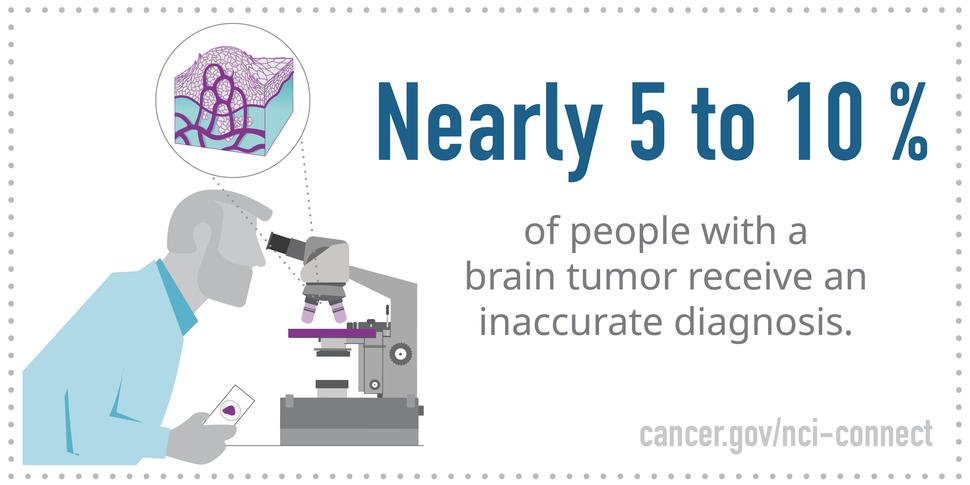
Are you concerned about the diagnosis and treatment of brain tumors? Look no further, as this article will provide you with valuable insights on how to navigate through this challenging journey. Discover the latest advancements in medical technology, learn about the different types of brain tumors, and explore the various treatment options available. Whether you or a loved one are facing this difficult diagnosis, this article aims to inform and empower you with knowledge, support, and hope.
I. Types of Brain Tumors
A. Primary Brain Tumors
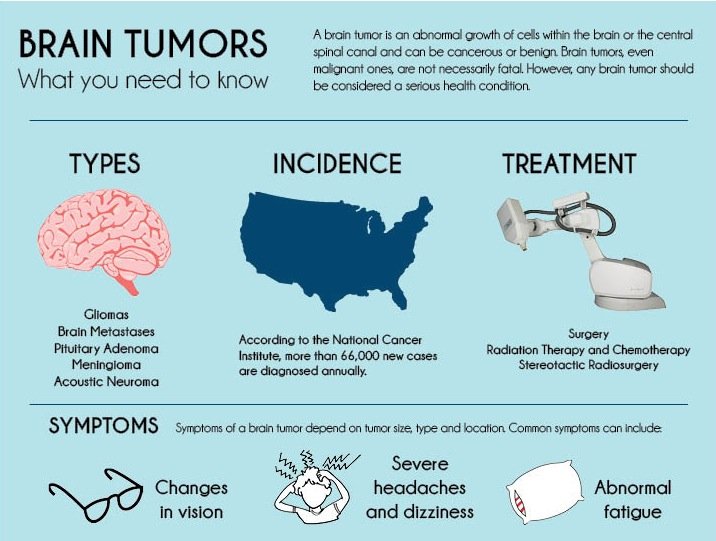
Primary brain tumors are those that originate in the brain itself. These tumors can develop from various types of cells that make up the brain, such as glial cells, which support and protect the nerve cells. Some common types of primary brain tumors include gliomas, meningiomas, and medulloblastomas. The specific type of primary brain tumor can determine its treatment options and prognosis.
B. Secondary Brain Tumors
Secondary brain tumors, also known as metastatic brain tumors, are those that have spread to the brain from another part of the body. These tumors are more common than primary brain tumors and are usually caused by cancer cells that have traveled through the bloodstream or lymphatic system from another organ, such as the lungs, breasts, or colon. Identifying the primary source of these tumors is essential for determining the most appropriate treatment approach.
II. Common Symptoms of Brain Tumors
A. Headaches
One of the most common symptoms of brain tumors is persistent headaches. These headaches can range from mild to severe and may worsen over time. They are often more intense in the morning or during physical activity. If you experience frequent or severe headaches that are accompanied by other neurological symptoms, it is important to consult a healthcare professional for further evaluation.
B. Seizures
Seizures can occur as a result of brain tumors. These seizures can manifest as convulsions, involuntary movements, altered consciousness, or a combination of these symptoms. It is crucial to seek medical attention if you experience seizures, as they can be indicative of an underlying brain tumor.
C. Cognitive and Behavioral Changes
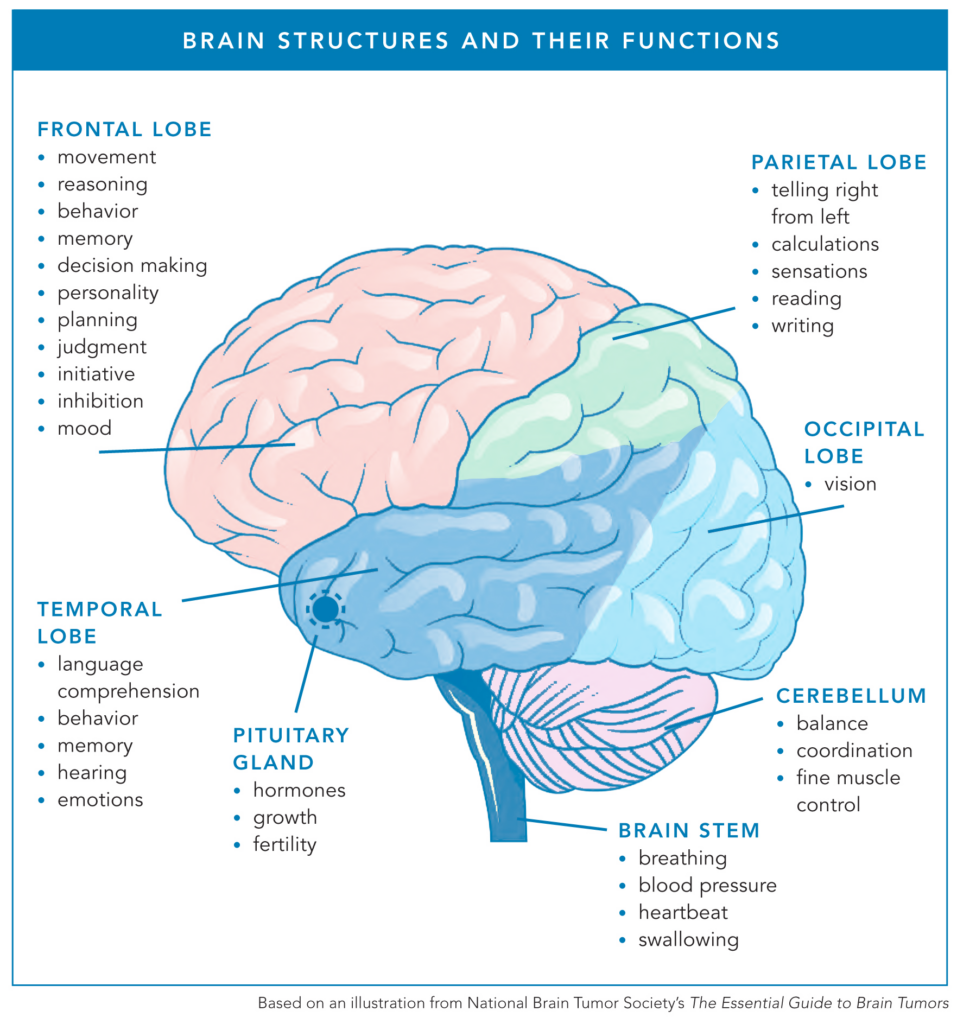
Brain tumors can affect cognitive function and lead to changes in behavior. Common cognitive symptoms include memory problems, difficulty concentrating, and confusion. Behavioral changes may include irritability, mood swings, and personality changes. If you notice any significant changes in your cognitive abilities or behavior, it is important to discuss these symptoms with a medical professional.
D. Motor and Sensory Problems
Brain tumors can also result in motor and sensory problems. These may include weakness or numbness in certain parts of the body, difficulty with coordination and balance, or changes in vision, hearing, or speech. If you experience any unexplained motor or sensory issues, it is essential to consult a healthcare provider to determine the cause and appropriate course of action.
III. Diagnostic Procedures for Brain Tumors
A. Neurological Examination
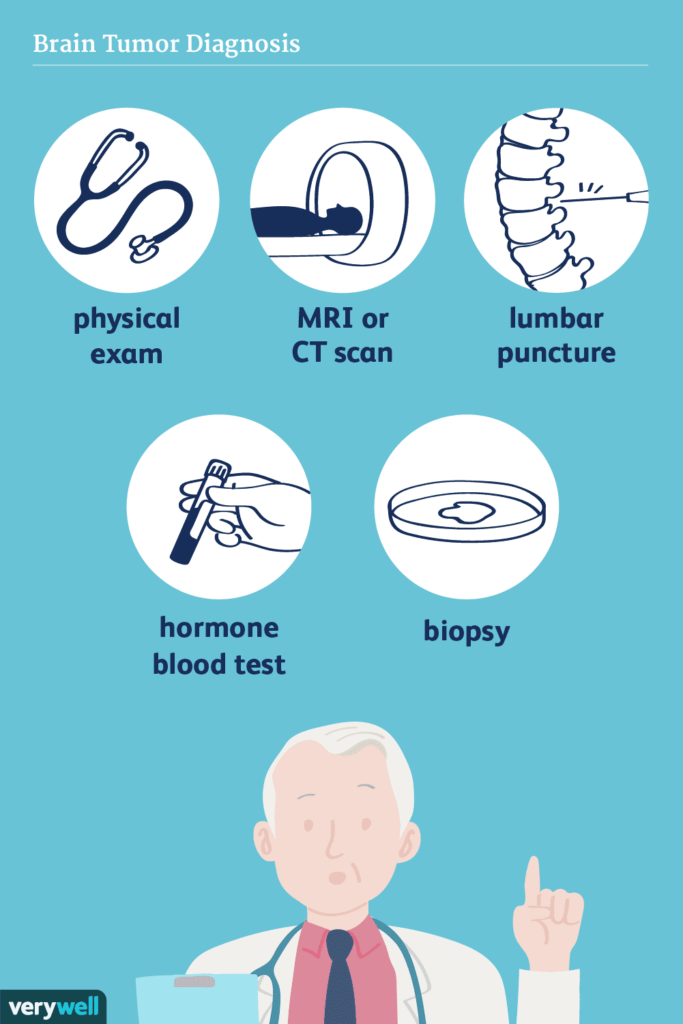
A neurological examination is often the first step in diagnosing brain tumors. During this examination, a healthcare professional will evaluate your motor and sensory functions, reflexes, coordination, and mental status. They may also assess your vision, hearing, and speech. The findings from the neurological examination can provide valuable information to aid in the diagnosis of a brain tumor.
B. Imaging Tests
Imaging tests are crucial in diagnosing and evaluating brain tumors. Common imaging techniques include magnetic resonance imaging (MRI) and computed tomography (CT) scans. These tests can provide detailed images of the brain, allowing healthcare professionals to visualize the tumor’s location, size, and characteristics. Additional imaging methods, such as positron emission tomography (PET) scans, may be used to gather more specific information about the tumor’s metabolic activity.
C. Biopsy
A biopsy involves the removal of a small sample of tissue from the brain for examination under a microscope. This procedure is typically performed after imaging tests have identified a suspicious area. The biopsy helps determine the type of tumor present and its grade or aggressiveness. It is a key step in confirming the diagnosis and guiding treatment decisions.
IV. Treatment Options for Brain Tumors
A. Surgery
Surgery is a common treatment option for brain tumors, especially if the tumor can be safely accessed and removed without causing significant damage to surrounding brain tissue. The goal of surgery is to remove as much of the tumor as possible, which can help alleviate symptoms and improve outcomes. In some cases, surgery may be followed by additional treatments.
B. Radiation Therapy
Radiation therapy uses high-energy beams to target and destroy cancer cells. It is often recommended after surgery to kill any remaining tumor cells or as the primary treatment for tumors that cannot be surgically removed. External beam radiation therapy and stereotactic radiosurgery are two common approaches used in the treatment of brain tumors.
C. Chemotherapy
Chemotherapy involves the use of drugs to destroy cancer cells. It may be administered orally or intravenously and can be used alone or in combination with other treatments. Chemotherapy is often used in cases where surgical removal or radiation therapy is not feasible or as an adjuvant treatment to target any remaining cancer cells after surgery.
D. Targeted Therapies
Targeted therapies focus on specific molecular or genetic changes within cancer cells. They work by interfering with the growth and survival signals that promote tumor growth. Tyrosine kinase inhibitors and angiogenesis inhibitors are two types of targeted therapies used in the treatment of certain brain tumors. These therapies can have fewer side effects compared to traditional chemotherapy.
E. Immunotherapy
Immunotherapy is a treatment approach that harnesses the body’s immune system to fight cancer. Checkpoint inhibitors and adoptive cell therapy are two types of immunotherapies used in the treatment of brain tumors. These therapies aim to enhance the immune response against cancer cells and have shown promising results, particularly in certain types of brain tumors.
V. Surgical Procedures for Brain Tumors
A. Craniotomy
A craniotomy is a surgical procedure that involves creating an opening in the skull to access the brain. It allows the surgeon to directly visualize and remove the tumor. The size and location of the tumor determine the specific approach used in the craniotomy. This procedure may be performed with the patient under general anesthesia, and recovery time can vary depending on the extent of the surgery.
B. Endoscopic Surgery
Endoscopic surgery is a minimally invasive procedure that uses a thin, flexible tube with a camera and surgical tools to remove brain tumors. It requires only small incisions and can result in shorter hospital stays and faster recovery times compared to traditional open surgeries. However, not all brain tumors are suitable for endoscopic removal, and the decision to use this approach depends on the specific characteristics of the tumor.
C. Stereotactic Surgery
Stereotactic surgery involves the use of three-dimensional imaging to precisely guide surgical instruments to the tumor’s location with minimal damage to surrounding healthy brain tissue. This approach is often used for tumors located in deep or critical areas of the brain that are challenging to access through traditional methods. Stereotactic surgery can be performed using different techniques such as computer-based navigation, robotic assistance, or frame-based systems.
VI. Radiation Therapy for Brain Tumors
A. External Beam Radiation Therapy
External beam radiation therapy delivers high-energy radiation from a machine outside the body to the tumor site. It is typically administered in multiple sessions over a period of several weeks. This form of radiation therapy is used to target the tumor and minimize exposure to surrounding healthy tissue. It may be combined with other treatments, such as chemotherapy, to enhance its effectiveness.
B. Stereotactic Radiosurgery
Stereotactic radiosurgery is a non-invasive technique that delivers a high dose of radiation precisely to the tumor site. Despite its name, the procedure does not involve actual surgery but rather uses advanced imaging and computer-guidance systems to target the tumor with extreme accuracy. Stereotactic radiosurgery is often completed in a single session or a few sessions and is especially effective for smaller tumors.
C. Brachytherapy
Brachytherapy involves the placement of radioactive implants directly into or near the tumor. This approach allows for the delivery of a high dose of radiation to the tumor while minimizing exposure to healthy surrounding tissue. Brachytherapy may be used as an alternative to external beam radiation therapy or as a boost treatment after surgery to target any remaining tumor cells.

VII. Chemotherapy for Brain Tumors
A. Systemic Chemotherapy
Systemic chemotherapy involves the use of drugs that circulate throughout the body to reach and destroy cancer cells, including those in the brain. These drugs may be administered orally or intravenously. Systemic chemotherapy is generally used for treating cancer that has spread or cannot be surgically removed. It may be used alone or in combination with other treatments, such as radiation therapy.
B. Intrathecal Chemotherapy
Intrathecal chemotherapy involves the direct administration of anticancer drugs into the cerebrospinal fluid, which surrounds the brain and spinal cord. This method allows for increased drug concentration in these areas, improving their effectiveness against cancer cells in the central nervous system. Intrathecal chemotherapy is typically used for tumors that spread to the meninges or as a preventive measure to target potential tumor cells in the area.
VIII. Targeted Therapies for Brain Tumors
A. Tyrosine Kinase Inhibitors
Tyrosine kinase inhibitors are targeted therapies that block specific proteins involved in tumor growth and survival. They work by inhibiting the activity of tyrosine kinases, which regulate cell signaling pathways. These drugs are designed to target genetic mutations or changes unique to cancer cells while sparing normal cells. Tyrosine kinase inhibitors have shown promise in the treatment of certain brain tumors, such as glioblastoma.
B. Angiogenesis Inhibitors
Angiogenesis inhibitors are targeted therapies that disrupt the formation of new blood vessels around tumors, thereby inhibiting their growth and metastasis. These drugs target specific proteins involved in the angiogenesis process, preventing tumors from accessing the necessary nutrients and oxygen for their continued growth. Angiogenesis inhibitors are used in the treatment of certain brain tumors, including glioblastoma.
IX. Immunotherapy for Brain Tumors
A. Checkpoint Inhibitors
Checkpoint inhibitors are a type of immunotherapy that aims to unleash the immune system’s ability to recognize and destroy cancer cells. They work by blocking proteins that act as checkpoints, preventing the immune system from recognizing and attacking cancer cells. Checkpoint inhibitors have shown promising results in some types of brain tumors, such as melanoma that has spread to the brain.
B. Adoptive Cell Therapy
Adoptive cell therapy involves modifying a patient’s own immune cells, such as T cells, to specifically target and destroy cancer cells. This approach often involves collecting and reprogramming the patient’s T cells in a laboratory before reintroducing them back into the patient’s body. Adoptive cell therapy has demonstrated encouraging results in certain types of brain tumors and is an area of active research and development.
X. Follow-Up Care and Prognosis
A. Monitoring and Surveillance
After the initial treatment for a brain tumor, regular monitoring and surveillance are essential to detect any signs of recurrence or progression. This typically involves imaging tests, such as MRI or CT scans, and regular follow-up appointments with the healthcare team. Close monitoring enables early intervention if any new tumors or complications arise.
B. Rehabilitation and Support
Depending on the location and treatment of the brain tumor, rehabilitation may be necessary to regain or improve any physical, cognitive, or emotional functions that were affected. Physical therapy, speech therapy, and cognitive rehabilitation programs can be beneficial in helping individuals recover and adapt to any changes resulting from the tumor or treatment. Support groups and counseling services can also provide emotional support for patients and their caregivers.
C. Prognosis and Survival Rates
The prognosis for brain tumors varies widely depending on various factors, such as the tumor type, its grade or aggressiveness, the location, and the individual’s overall health. Survival rates can also differ based on these factors. It is important to remember that these statistics should be interpreted cautiously, as every case is unique. The healthcare team can provide more specific information regarding prognosis and survival rates based on individual circumstances.