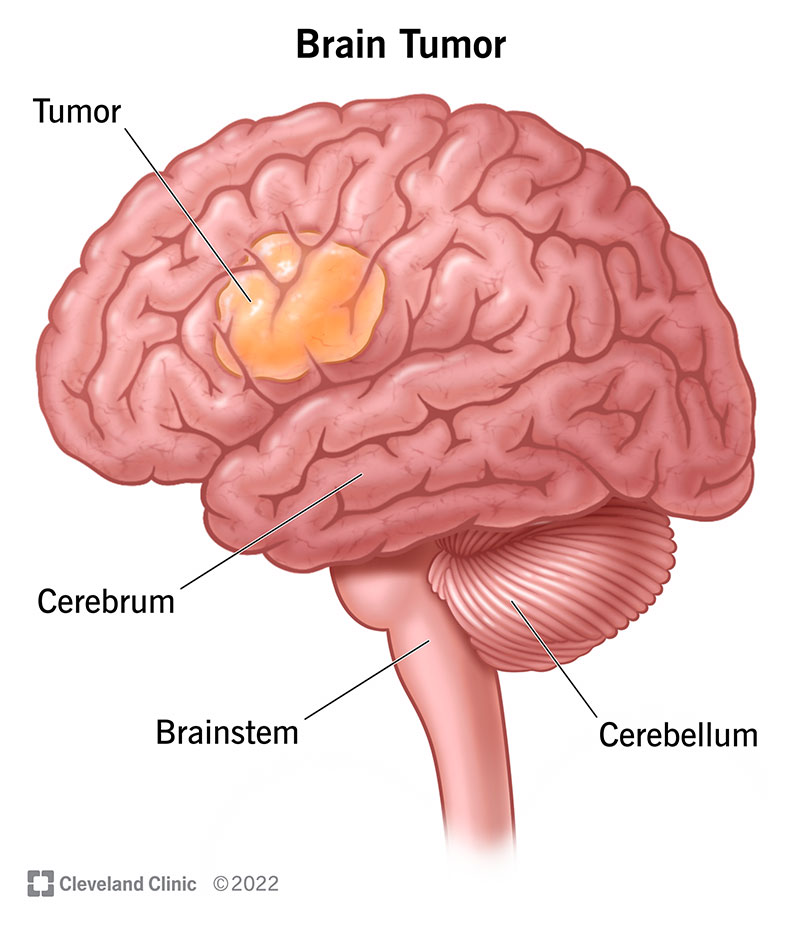
In this article, you will gain a better understanding of brain tumors, those mysterious growths that can affect our lives. Exploring the complexities of these tumors, we will shed light on their causes, symptoms, and potential treatment options. By unraveling the tangled web of information surrounding brain tumors, we aim to provide you with valuable insights into this medical condition and equip you with the knowledge to navigate the journey ahead with confidence. So, let’s embark on this journey together and uncover the secrets of understanding brain tumors!
Different Types of Brain Tumors
Primary vs. Secondary Brain Tumors
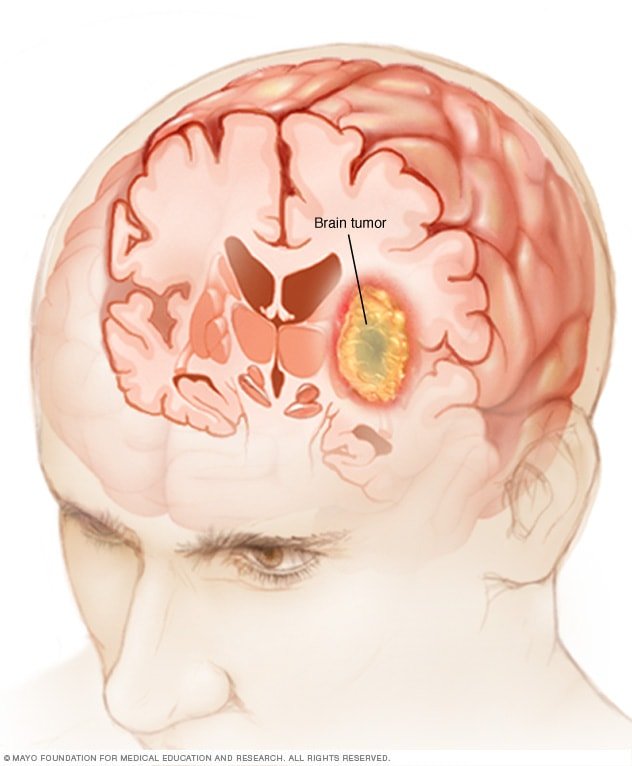
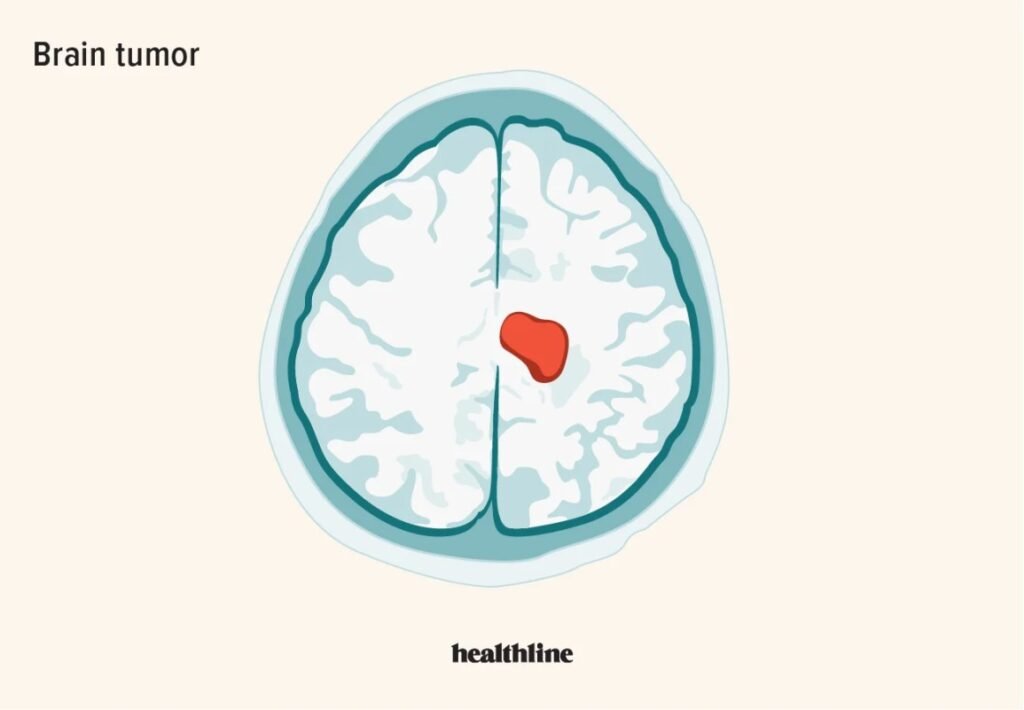
When it comes to brain tumors, there are two main categories: primary and secondary. Primary brain tumors originate within the brain tissue itself, while secondary brain tumors develop elsewhere in the body and then spread to the brain. Primary brain tumors can be further classified based on the type of cells they originate from, such as gliomas, meningiomas, or pituitary adenomas. Secondary brain tumors, on the other hand, are typically named after the part of the body where they originated, such as breast cancer metastasis to the brain.
Low-Grade vs. High-Grade Brain Tumors
Brain tumors can also be categorized as low-grade or high-grade based on their aggressiveness and growth rate. Low-grade brain tumors are usually slow-growing and less likely to spread to nearby tissues. They are often associated with better treatment outcomes and a more favorable prognosis. High-grade brain tumors, on the other hand, are more aggressive and tend to grow quickly. They have a higher likelihood of invading surrounding brain tissue and spreading to other parts of the body.
Benign vs. Malignant Brain Tumors
Another way to classify brain tumors is based on whether they are benign or malignant. Benign brain tumors are non-cancerous and generally have a slower growth rate. They tend to stay localized without spreading to other parts of the body. Malignant brain tumors, also known as brain cancer, are cancerous and have the potential to invade nearby tissues and metastasize to other organs. Malignant brain tumors require immediate medical attention and often necessitate a more aggressive treatment approach.
Causes and Risk Factors
Genetic Factors
Genetic factors play a role in the development of brain tumors in some cases. Certain inherited conditions, such as neurofibromatosis type 1 and type 2, Li-Fraumeni syndrome, and Von Hippel-Lindau disease, have been associated with an increased risk of developing brain tumors. Genetic testing and counseling can be beneficial for individuals with a family history of these conditions to assess their risk and determine appropriate preventive measures.
Radiation Exposure
Exposure to ionizing radiation, whether from medical treatments like radiation therapy or radiation accidents, is a well-established risk factor for brain tumors. The risk varies depending on the dose and duration of exposure. Individuals who have received radiation therapy for previous cancers, especially in the head or neck area, may have an elevated risk of developing brain tumors later in life. It is important to weigh the benefits and risks of any radiation-related treatments, and precautions should be taken to minimize exposure when possible.
Environmental Factors
Although the exact relationship between environmental factors and brain tumors is not fully understood, certain factors have been identified as potential risk factors. Prolonged exposure to chemicals, such as formaldehyde, vinyl chloride, and certain pesticides, has been associated with an increased risk of brain tumors. Additionally, exposure to electromagnetic fields, such as those produced by power lines or electric appliances, has also been studied as a potential risk factor, although the evidence is inconclusive.
Cell Phone Usage Myth
There have been concerns about cell phone usage and its potential link to brain tumors. However, extensive research conducted to date has not found any definitive evidence to support this claim. The consensus among scientific studies is that there is currently no proven causal relationship between cell phone usage and brain tumors. It is important to rely on reputable sources of information and follow established guidelines for safe cell phone use.
Family History
Having a family history of brain tumors can increase an individual’s risk of developing one themselves. Certain genetic mutations can be passed down through generations and predispose individuals to develop brain tumors. If there is a family history of brain tumors, it is recommended to consult with a genetic counselor who can assess the risk and provide appropriate guidance.
Symptoms and Warning Signs
Headaches
Headaches are a common symptom of brain tumors, although they can be caused by various other factors as well. Headaches associated with brain tumors often have distinct characteristics, such as being more frequent, severe, or persistent than usual headaches. They may worsen when lying down, waking up in the morning, or with physical exertion. It is important to pay attention to any changes in the frequency or intensity of headaches and consult a healthcare professional if there are concerns.
Seizures
Seizures can be a symptom of brain tumors, particularly if they occur for the first time in adulthood or are not related to any known seizure triggers. Seizures can manifest in different ways, ranging from brief lapses in awareness to full-body convulsions. If seizures occur, it is essential to seek medical attention and undergo further evaluation to determine the underlying cause, which may include the possibility of a brain tumor.
Cognitive Changes
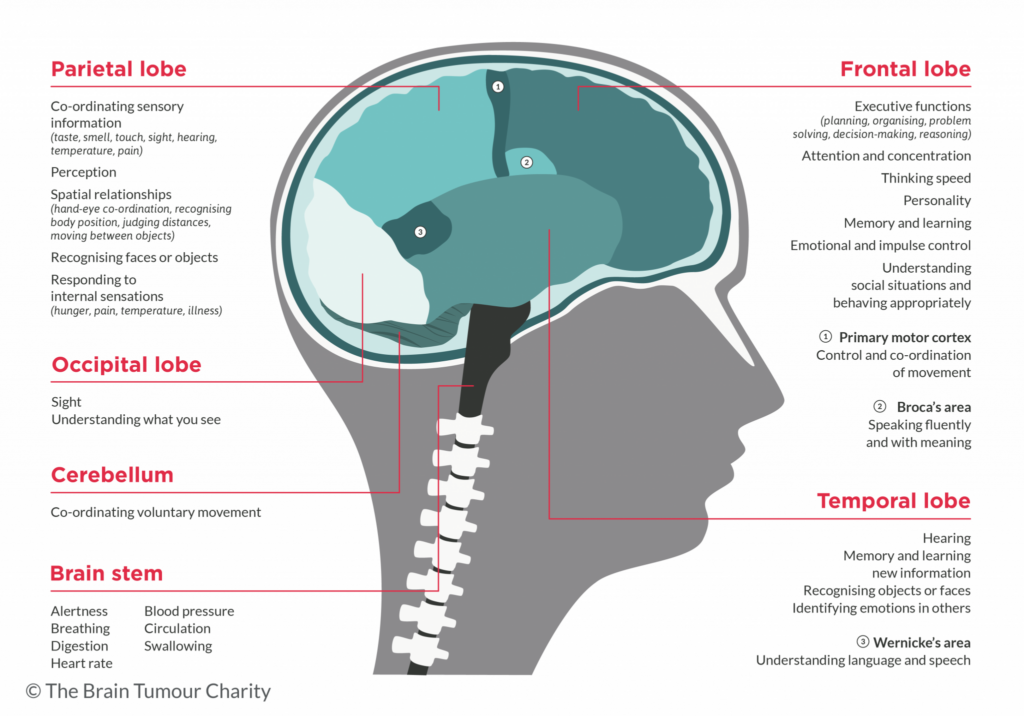
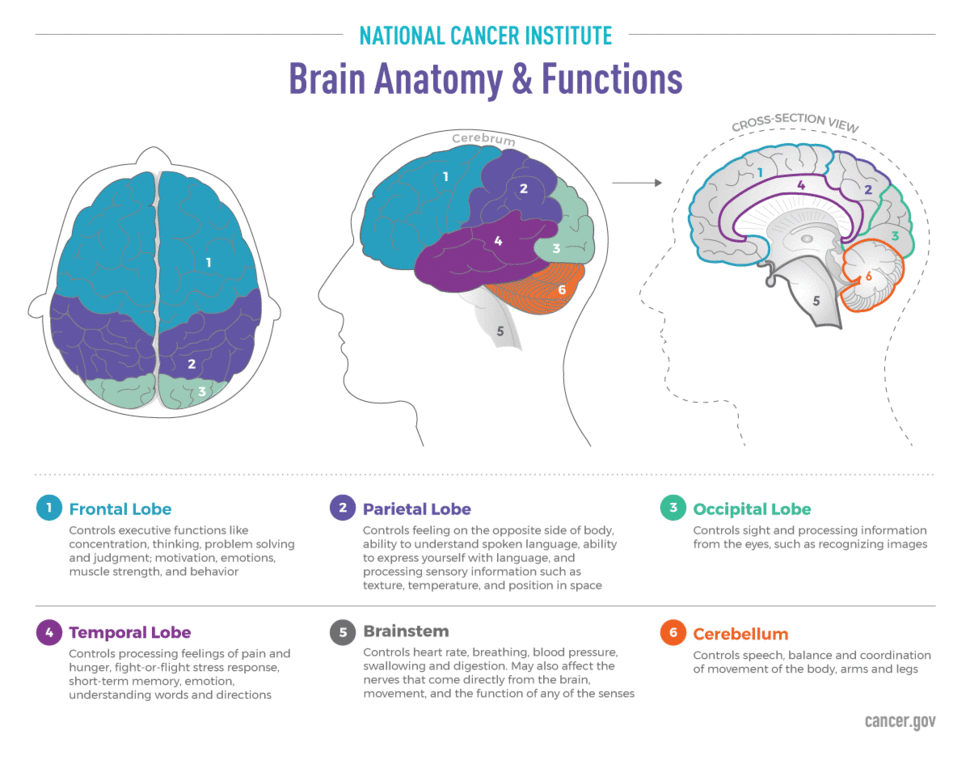
Brain tumors can affect cognitive function, leading to changes in memory, concentration, and overall cognitive abilities. Individuals may experience difficulties with multitasking, problem-solving, or processing information. These cognitive changes can impact daily functioning and quality of life. If there are noticeable cognitive impairments, it is advisable to consult with a healthcare professional for a comprehensive evaluation.
Personality and Behavioral Changes
Brain tumors can also cause alterations in personality and behavior. Individuals may exhibit mood swings, increased irritability, or sudden changes in their emotional state. In some cases, there may be a loss of inhibitions or changes in social behavior. These personality and behavioral changes can be distressing for both the individual and their loved ones. Seeking medical guidance is crucial to assess the underlying cause and explore appropriate management strategies.
Vision and Hearing Problems
Brain tumors can affect sensory functions, leading to vision and hearing problems. Individuals may experience blurry vision, double vision, or a loss of peripheral vision. Changes in hearing, such as ringing in the ears or hearing loss, can also occur. If there are any noticeable changes in vision or hearing, it is important to consult with a healthcare professional for further evaluation and appropriate management.
Diagnosis
Medical History and Physical Examination
When evaluating a possible brain tumor, a thorough medical history review and physical examination are typically the first steps. The healthcare provider will inquire about symptoms, medical conditions, and family history. The physical examination may involve assessing neurological function, including reflexes, strength, coordination, and sensory responses. These initial assessments help provide important clues for further diagnostic investigations.
Neurological Examination
A neurological examination is a specialized assessment performed by a healthcare professional trained in evaluating the nervous system. It focuses on assessing various aspects of neurological function, including cranial nerves, sensory function, muscle strength, coordination, and reflexes. The neurological examination helps identify any specific abnormalities that may indicate the presence of a brain tumor.
Imaging Tests
Imaging tests are crucial in diagnosing brain tumors and determining their characteristics. Magnetic resonance imaging (MRI) is the preferred imaging modality for diagnosing brain tumors due to its ability to provide detailed images of the brain. It helps visualize the location, size, and features of the tumor, which aids in treatment planning and prognosis. Computed tomography (CT) scans may also be used to assess the brain if MRI is not readily available or if there are certain contraindications.
Biopsy
In some cases, a biopsy is necessary to confirm the diagnosis of a brain tumor. A biopsy involves collecting a small sample of the abnormal tissue for further examination and analysis. It can be done through minimally invasive procedures, such as stereotactic needle biopsy or endoscopic biopsy, or through surgical removal of the tumor. Pathologists analyze the biopsy sample under a microscope to determine the type and grade of the tumor, which helps guide treatment decisions.
Spinal Tap
A spinal tap, also known as a lumbar puncture, may be performed to assess cerebrospinal fluid (CSF) surrounding the brain and spinal cord. It involves inserting a needle into the lower back to collect a sample of the CSF for laboratory analysis. A spinal tap is not routinely done for diagnosing brain tumors but may be necessary in specific cases to assess CSF pressure or to detect any cancer cells that may have spread to the CSF.
Treatment Options
Surgery
Surgery is a common treatment option for brain tumors, particularly for tumors that are accessible and have well-defined borders. The goal of surgery is to remove as much of the tumor as possible without causing damage to surrounding healthy brain tissue. Depending on the size, location, and type of tumor, different surgical techniques may be employed, such as craniotomy, endoscopic surgery, or stereotactic radiosurgery. Surgery is often combined with other treatment modalities, such as radiation therapy or chemotherapy, to improve treatment outcomes.
Radiation Therapy
Radiation therapy involves the use of high-energy radiation to destroy or damage cancer cells. It is a standard treatment for brain tumors, either as the primary treatment or as an adjuvant therapy following surgery. External beam radiation therapy, where radiation is delivered from a machine outside the body, is commonly used. In some cases, radiosurgery, which delivers a highly focused radiation beam to a specific area, may be used. Radiation therapy aims to shrink the tumor, alleviate symptoms, and prevent tumor growth or recurrence.
Chemotherapy
Chemotherapy uses drugs to kill or inhibit the growth of cancer cells. It can be administered orally or intravenously and may be used in various combinations depending on the specific tumor type and treatment goals. Chemotherapy is typically employed for brain tumors that are resistant to other treatment modalities or for tumors that have spread to other parts of the body. It can be used as a primary treatment or in combination with surgery and radiation therapy.
Targeted Drug Therapy
Targeted drug therapy involves the use of medications that specifically target certain molecules or genetic mutations present in cancer cells. This type of treatment aims to disrupt the growth and survival of cancer cells while minimizing damage to normal cells. Targeted drug therapy has shown promising results in the treatment of certain brain tumors, such as glioblastomas and medulloblastomas. However, it is important to note that targeted therapies are specific to certain tumor types and not all brain tumors will have a targeted therapy available.
Immunotherapy
Immunotherapy is an emerging treatment approach that utilizes the body’s immune system to fight cancer cells. It involves stimulating the immune system or using medications to enhance its response against cancer cells. Immunotherapy has shown promise in the treatment of various types of cancer, including some brain tumors. Clinical trials are ongoing to evaluate the effectiveness of immunotherapy in different brain tumor types and to identify potential side effects and limitations.
Managing Symptoms and Side Effects
Pain Management
Proper pain management is crucial for individuals with brain tumors to alleviate discomfort and improve quality of life. Various approaches may be employed, including medications, physical therapies, and complementary therapies. Pain medication regimes are tailored based on the individual’s specific needs and may include over-the-counter or prescription medications. Non-pharmacological approaches, such as relaxation techniques, massage therapy, or acupuncture, may also be beneficial in managing pain.
Anti-Seizure Medications
Seizures are a common symptom in individuals with brain tumors. Anti-seizure medications, also known as anticonvulsants, are prescribed to prevent or control seizures. The specific medication and dosage are determined based on the individual’s seizure activity and overall health. Regular monitoring and adjustments may be necessary to ensure effective seizure control while minimizing side effects.
Physical Therapy
Physical therapy can help individuals with brain tumors maintain or improve their physical function and mobility. A physical therapist can design a personalized exercise program to address specific challenges, such as muscle weakness, balance problems, or coordination difficulties. Physical therapy can also provide education on energy conservation techniques and strategies for managing fatigue.
Speech and Language Therapy
Brain tumors can affect speech and language abilities, making communication challenging. Speech and language therapy can help individuals regain or improve their communication skills. A speech-language pathologist works with patients to address difficulties with speech articulation, language comprehension and expression, and swallowing function. Therapy may involve exercises, strategies, and assistive devices depending on the individual’s needs.
Occupational Therapy
Occupational therapy aims to improve an individual’s ability to perform daily activities and maximize independence. An occupational therapist can assess functional abilities, provide strategies for adapting activities, and recommend assistive devices or modifications to the living environment. Occupational therapy focuses on optimizing cognitive function, fine motor skills, and activities of daily living, such as dressing, bathing, and cooking.
Supportive Care and Coping Strategies
Psychotherapy
Psychotherapy, also known as talk therapy, can be beneficial for individuals and their families in coping with the emotional and psychological challenges of living with a brain tumor. Psychotherapy provides a safe and supportive environment to explore feelings, enhance coping strategies, and develop effective ways of managing stress and anxiety. Various approaches, such as cognitive-behavioral therapy or mindfulness-based therapy, may be utilized depending on the individual’s unique needs.
Support Groups
Participating in support groups can provide a sense of community and understanding for individuals facing similar challenges. Support groups consist of individuals who share their experiences, provide emotional support, and offer practical advice. Sharing stories, concerns, and triumphs with others who can relate can be immensely helpful in navigating the journey with a brain tumor. Support groups can be in-person or online, providing accessibility options for individuals in different situations.
Nutrition and Diet
Maintaining a healthy diet and proper nutrition plays an important role in supporting overall well-being during brain tumor treatment. Nutritional needs may vary depending on the individual’s condition, treatment side effects, and specific nutritional challenges. Working with a registered dietitian can help develop a personalized meal plan that focuses on adequate nutrition and addresses any specific dietary restrictions or side effects.
Exercise and Healthy Lifestyle
Regular exercise, within the individual’s capabilities, can contribute to overall physical and emotional well-being. Exercise can help improve energy levels, reduce treatment-related side effects, enhance mood, and promote overall strength and cardiovascular health. It is important to consult with a healthcare professional before starting or modifying an exercise routine to ensure safety and appropriateness based on the individual’s condition.
Mindfulness and Meditation
Mindfulness and meditation practices can be beneficial in reducing stress, increasing self-awareness, and improving overall well-being. These practices involve focusing attention, being present in the moment, and cultivating a non-judgmental attitude. Mindfulness-based stress reduction programs or guided meditation sessions can provide individuals with tools and techniques to cope with the challenges of living with a brain tumor and enhance their overall quality of life.
Prognosis and Survival Rates
Factors Affecting Prognosis
The prognosis for brain tumors varies depending on several factors. Tumor type, grade, size, location, and response to treatment all contribute to the overall prognosis. Additionally, the individual’s age, overall health, and any underlying medical conditions also factor into the prognosis. It is important to remember that every case is unique, and prognosis can vary widely even with similar tumor characteristics. Consulting with a healthcare team specialized in brain tumor management can provide personalized prognostic information.
Survival Rates for Different Brain Tumor Types
Survival rates for brain tumors vary significantly depending on the type and grade of the tumor. Some low-grade tumors have a relatively good prognosis, with a five-year survival rate of 75% or higher. However, high-grade tumors, such as glioblastomas, have a lower five-year survival rate due to their aggressive nature and limited treatment options. Survival rates can differ further based on individual factors, such as age, overall health, and response to treatment.
Treatment Success Rates
The success rates of brain tumor treatment depend on several factors, including the tumor characteristics and treatment modalities utilized. Surgery aimed at complete tumor removal often yields the best outcomes, especially in cases of low-grade tumors or tumors with well-defined borders. For high-grade or malignant tumors, a combination of surgery, radiation therapy, and chemotherapy may be necessary to achieve optimal treatment success. The healthcare team will provide personalized treatment recommendations based on the individual’s specific condition and treatment goals.
Monitoring and Follow-Up Care
Following initial treatment, monitoring and follow-up care are vital to assess treatment response, detect any potential recurrence or progression, and manage any long-term effects of treatment. Regular imaging tests, physical examinations, and laboratory tests may be conducted to monitor the brain tumor status. Follow-up care also involves addressing any ongoing symptoms, managing treatment side effects, and providing emotional support.
Quality of Life
Maintaining and improving the quality of life for individuals with brain tumors is a key aspect of their care. Quality of life encompasses various domains, including physical, emotional, social, and functional well-being. Treatment plans and supportive care services are tailored to address the individual’s specific needs and improve their overall quality of life. Communicating openly with the healthcare team and availing oneself of available resources and support services can contribute positively to the overall well-being and quality of life.
Experimental and Emerging Treatments
Gene Therapy
Gene therapy is an exciting field of research that holds promise for the treatment of brain tumors. It involves introducing genetic material into cells to repair or modify their function. In the context of brain tumors, gene therapy aims to target and inhibit the growth of cancer cells, enhance the body’s immune response against the tumor, or sensitize tumor cells to other treatment modalities. Clinical trials evaluating the safety and efficacy of different gene therapy approaches are currently underway.
Nanotechnology
Nanotechnology-based treatments are being explored as a potential strategy for treating brain tumors. Nanoparticles can be engineered to deliver drugs directly to the tumor site, increasing their effectiveness while minimizing damage to healthy tissue. Additionally, nanoparticles can be utilized for imaging purposes, enabling better visualization of tumors and aiding treatment planning. Nanotechnology-based therapies are still in the experimental stage, but early results are promising.
Immunomodulatory Drugs
Immunomodulatory drugs, also known as immune checkpoint inhibitors, are a type of medication that helps unleash the immune system’s ability to recognize and attack tumor cells. These drugs work by blocking specific proteins that inhibit immune responses. Immunomodulatory drugs have shown remarkable success in the treatment of certain cancers, such as melanoma and lung cancer. Ongoing research is exploring their potential benefits in the management of brain tumors.
Targeted Therapy
Targeted therapies continue to be an area of active research for brain tumor treatment. These therapies aim to inhibit specific molecules or genetic mutations responsible for driving the growth and survival of cancer cells. By targeting these specific abnormalities, targeted therapies offer the potential for more effective and precise treatment. Ongoing research and clinical trials are evaluating the efficacy and safety of targeted therapies for different types of brain tumors.
Prevention and Early Detection
Healthy Lifestyle Choices
Adopting a healthy lifestyle can help reduce the risk of developing brain tumors as well as various other health conditions. Maintaining a balanced diet rich in fruits, vegetables, whole grains, and lean proteins supports overall health and may provide protective benefits. Regular exercise, adequate sleep, and stress management techniques also contribute to general well-being. Avoiding tobacco products, excessive alcohol consumption, and recreational drugs can further lower the risk.
Regular Medical Check-Ups
Regular medical check-ups are important for early detection and management of any potential health issues. Routine screenings and examinations can help identify any early signs or symptoms of brain tumors or other medical conditions. Regular check-ups allow healthcare providers to monitor overall health and make any necessary interventions or referrals for further investigations.
Genetic Testing and Counseling
Genetic testing and counseling may be beneficial for individuals with a family history of brain tumors or genetic conditions associated with an increased risk of brain tumors. Genetic testing can identify specific genetic mutations that may predispose individuals to develop brain tumors. Genetic counseling provides information on the implications of genetic test results, assesses the individual’s risk, and guides the decision-making process regarding preventive measures and early detection strategies.
Awareness and Education Campaigns
Raising awareness about brain tumors and their risk factors is crucial in promoting early detection, encouraging healthy lifestyle choices, and fostering further research. Public awareness campaigns can help dispel myths, provide accurate information, and empower individuals to seek medical attention if they experience any concerning symptoms. Education initiatives targeting healthcare professionals, policymakers, and the general public can contribute to improved understanding, diagnosis, and management of brain tumors.
Research and Clinical Trials
Ongoing research and clinical trials play a vital role in advancing understanding and improving treatment outcomes for brain tumors. Clinical trials provide opportunities for individuals to access innovative treatments that may not yet be widely available. Participation in clinical trials not only contributes to scientific knowledge but also benefits the individuals involved by potentially offering novel treatment options. Keeping up with the latest research and discussing potential trial opportunities with healthcare providers can be valuable in the management of brain tumors.