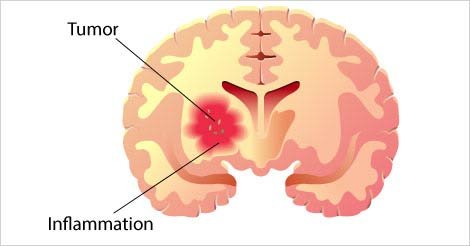
Are you concerned about the risk factors associated with brain tumors and want to know how you can prevent them? In this article, we will explore the various risk factors that contribute to the development of brain tumors and provide you with practical tips on how to prevent them. By understanding the potential causes and making informed lifestyle choices, you can take proactive steps towards safeguarding your brain health and minimizing the risk of brain tumors. So, let’s learn more about this important topic together.
Risk Factors
Genetic Factors
Genetic factors play a significant role in the development of brain tumors. Certain genetic conditions, such as neurofibromatosis and Li-Fraumeni syndrome, are associated with an increased risk of developing brain tumors. If you have a family history of these conditions, it is important to discuss this with your healthcare provider, as they may recommend genetic counseling or testing.
Radiation Exposure
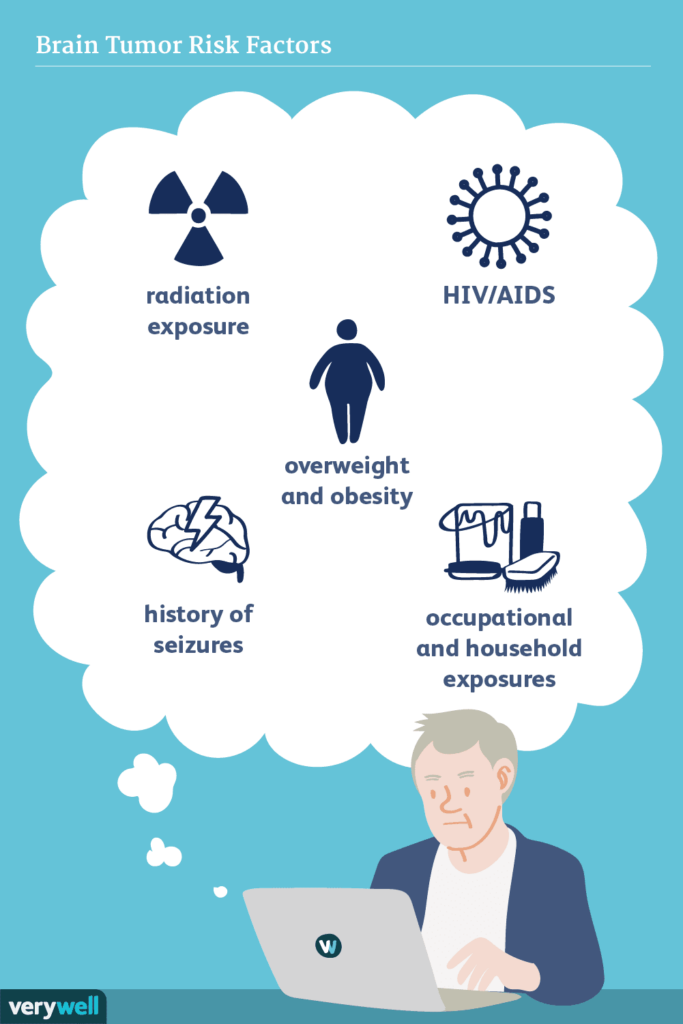
Exposure to ionizing radiation is another risk factor for brain tumors. This can come from various sources, including radiation therapy used to treat other types of cancers, exposure to high-dose radiation during accidents or disasters, and even radiation from certain diagnostic tests. It is essential to minimize unnecessary radiation exposure and ensure that all medical procedures involving radiation are done under the guidance of a healthcare professional.
Age
Advancing age is a risk factor for brain tumors. While brain tumors can occur at any age, they are more commonly diagnosed in older individuals. This emphasizes the importance of regular check-ups and screenings, especially for those in their senior years.
Gender
Brain tumors can affect individuals of any gender. However, certain types of brain tumors, such as meningiomas, are more common in females, while gliomas are more prevalent in males. It is important to be aware of these differences and to discuss any concerns with a healthcare provider.
Family History
Having a family history of brain tumors may increase your risk of developing one yourself. It is important to gather information about your family’s medical history, particularly any instances of brain tumors, and share this information with your healthcare provider. They can then assess your individual risk and recommend appropriate screenings or genetic counseling if needed.
Environmental Factors
Cell Phones and Electromagnetic Fields
There has been much debate about the potential link between cell phone usage and brain tumors. While the research in this area is ongoing, current evidence does not support a clear association between cell phone use and brain tumors. However, it is still advisable to take precautions, such as using hands-free devices or speakerphone options to minimize direct exposure to electromagnetic fields.
Exposure to Certain Chemicals
Exposure to certain chemicals in the environment has been suggested as a potential risk factor for brain tumors. These chemicals include pesticides, solvents, and certain industrial chemicals. To reduce your exposure, it is important to follow safety guidelines when handling chemicals and to use protective equipment if necessary.
Excessive Use of Mobile Devices
While the link between mobile device use and brain tumors is not well-established, it is advisable to limit excessive use and take breaks from extended periods of screen time. This not only reduces potential exposure to electromagnetic fields but also promotes overall wellness and reduces the risk of other health conditions associated with excessive technology use.
Occupational Hazards
Certain occupational hazards, such as exposure to ionizing radiation or certain chemicals, can increase the risk of developing brain tumors. If you work in an industry where you are exposed to such hazards, it is crucial to follow safety protocols and use protective equipment as recommended. Regular medical check-ups and screenings are also essential to monitor any potential health risks associated with your occupation.
Consumption of Aspartame
Aspartame is an artificial sweetener found in a variety of products, including diet sodas and sugar-free snacks. Some studies have suggested a potential link between aspartame consumption and the development of brain tumors. However, more research is needed to establish a conclusive association. In the meantime, it is advisable to consume aspartame in moderation and opt for natural sweeteners whenever possible.
Prevention Strategies
Regular Exercise
Engaging in regular physical exercise has numerous health benefits, including reducing the risk of various diseases, including brain tumors. Exercise promotes overall wellness, reduces inflammation, and supports a healthy immune system. Aim for at least 150 minutes of moderate-intensity aerobic activity or 75 minutes of vigorous-intensity aerobic activity each week.
Maintaining a Healthy Diet
Eating a nutritious, well-balanced diet is crucial for overall health and can help reduce the risk of developing brain tumors. Emphasize fruits, vegetables, whole grains, lean proteins, and healthy fats in your diet. Limit processed foods, sugary snacks, and high-fat foods. Additionally, staying adequately hydrated by drinking plenty of water is important for maintaining overall health.
Avoiding Tobacco and Alcohol
Smoking and excessive alcohol consumption have been linked to an increased risk of various cancers, including brain tumors. Quitting smoking and avoiding second-hand smoke are critical steps in reducing your risk. Limit alcohol consumption to moderate levels (up to one drink per day for women and up to two drinks per day for men).
Protecting against Radiation
Minimizing unnecessary exposure to ionizing radiation is crucial in reducing the risk of brain tumors. Follow safety procedures and guidelines during medical procedures, and ensure that diagnostic tests involving radiation are only done when absolutely necessary. Discuss any concerns with your healthcare provider, who will guide you through the appropriate steps to ensure safety.
Controlling Exposure to Chemicals
Be aware of occupational and environmental hazards that may involve exposure to chemicals. Follow safety guidelines at your workplace and take appropriate precautions to minimize exposure. In your everyday life, choose organic produce whenever possible to reduce exposure to pesticides and use environmentally-friendly products that reduce your exposure to harmful chemicals.
Early Detection and Screening
Recognizing Symptoms
Being familiar with common symptoms of brain tumors can help facilitate early detection and prompt medical intervention. Symptoms can vary depending on the type and location of the tumor, but common signs may include persistent headaches, seizures, changes in vision or hearing, difficulty speaking or remembering, and unexplained nausea or vomiting. If you experience these symptoms, it is crucial to consult a healthcare professional for further evaluation.
Diagnostic Imaging
Diagnostic imaging, such as magnetic resonance imaging (MRI) and computed tomography (CT) scans, plays a crucial role in detecting brain tumors. These imaging tests provide detailed pictures of the brain, allowing healthcare professionals to identify abnormal growths or changes in brain tissue. If your symptoms or risk factors indicate a potential brain tumor, your healthcare provider may recommend one or more imaging tests to aid diagnosis.
Biopsy
A biopsy is a procedure in which a small sample of abnormal tissue is removed and examined under a microscope to confirm the presence of a brain tumor and determine its type. This procedure is typically performed under local anesthesia, and the sample is obtained using a needle or during surgery. The results of the biopsy are essential in guiding treatment decisions and determining the prognosis.
Genetic Counseling and Testing
Identifying Familial Risk
If you have a family history of brain tumors or genetic conditions associated with an increased risk, genetic counseling can help assess your individual risk and guide appropriate screening or testing. Genetic counselors are trained professionals who can provide information and support, as well as help you make informed decisions regarding genetic testing and management options.
Genetic Testing
Genetic testing involves analyzing your DNA to identify specific genetic mutations associated with an increased risk of developing brain tumors. This testing can provide valuable information about your individual risk, allowing for personalized screening and prevention strategies. However, it is essential to understand the implications and limitations of genetic testing before undergoing the procedure.
Implications and Decision Making
Genetic testing results can have significant implications for individuals and their families. Positive results can lead to increased surveillance, preventive measures, and informed decision-making regarding treatment options. Negative results, on the other hand, can provide peace of mind, but it is important to remember that they do not guarantee complete protection against brain tumors. Genetic counselors can help you understand and navigate the potential implications of genetic testing results.
Public Awareness and Education
Promoting Knowledge and Understanding
Raising public awareness about the risk factors and prevention strategies for brain tumors is crucial in reducing their prevalence. Educational initiatives can inform individuals about the importance of regular check-ups, healthy lifestyle choices, and the potential environmental factors that contribute to brain tumor development. Promoting knowledge and understanding empowers individuals to take proactive steps in their own health.
Risk Reduction Campaigns
Risk reduction campaigns aim to educate the public about specific behaviors and lifestyle choices that can reduce the risk of brain tumors. These campaigns may include public service announcements, community events, and educational materials that emphasize the importance of regular screenings, healthy habits, and environmental awareness. By targeting a wide audience, risk reduction campaigns can have a significant impact in preventing brain tumors.

Government Regulation and Policies
Regulating Cell Phone Usage
Government regulation and policies can play a vital role in reducing potential risks associated with cell phone usage and other sources of electromagnetic fields. By establishing guidelines for safe exposure limits and promoting the use of hands-free devices, governments can help protect individuals from any potential harm while still benefiting from modern communication technology.
Occupational Safety Measures
Workplace safety is crucial in minimizing occupational hazards that may contribute to brain tumor development. Governments can enforce occupational safety regulations, provide guidelines on protective equipment use, and promote regular health check-ups for employees exposed to ionizing radiation or chemicals that may increase the risk of brain tumors. Ensuring appropriate safety measures reduces the risk for individuals in high-risk occupations.
Chemical Standards
Government regulation of chemical standards is essential in preventing exposure to harmful substances. By enforcing regulations and monitoring the use of chemicals in various industries, governments can protect individuals and reduce the risk of brain tumors associated with chemical exposure. This includes monitoring pesticide use, encouraging the development of safer alternatives, and establishing guidelines for the safe handling and disposal of chemicals.
Support and Resources
Patient Support Groups
Support groups can provide a valuable source of emotional support and practical advice for individuals diagnosed with brain tumors and their loved ones. These groups bring together people who share similar experiences, allowing for the exchange of information, encouragement, and understanding. Joining a support group can help individuals feel less alone and provide access to valuable resources.
Access to Information and Resources
Access to accurate and up-to-date information is essential for individuals and their families facing brain tumors. Governments, healthcare organizations, and advocacy groups play a crucial role in providing reliable resources, educational materials, and access to the latest research findings. This ensures that individuals can make informed decisions about their health and treatment options.
Psychological Support
Receiving a diagnosis of a brain tumor can be emotionally challenging. Psychological support, such as counseling or therapy, can help individuals and their families cope with the emotional impact of the disease. It provides a safe space to express fears, concerns, and anxieties and offers strategies for managing stress and maintaining overall well-being.
Advancements in Treatment
Surgery
Surgery is a primary treatment option for brain tumors. It involves removing as much of the tumor as possible to alleviate symptoms, reduce the size of the tumor, and improve overall outcomes. Advancements in surgical techniques, such as minimally invasive procedures and image-guided surgeries, have improved the precision and safety of brain tumor surgeries.
Radiation Therapy
Radiation therapy uses high-energy radiation to target and kill cancer cells. It can be used as a standalone treatment or in combination with other therapies, such as surgery or chemotherapy. Advances in radiation therapy, such as stereotactic radiosurgery and proton therapy, have increased treatment precision while minimizing damage to healthy brain tissue.
Chemotherapy
Chemotherapy involves using drugs to kill cancer cells and slow down tumor growth. It can be administered orally, intravenously, or directly into the cerebrospinal fluid. Newer chemotherapy agents, such as targeted therapies and immunotherapies, have shown promise in improving treatment outcomes with fewer side effects.
Targeted Therapy
Targeted therapy specifically targets specific genetic mutations or molecular pathways involved in the growth and spread of cancer cells. These treatments aim to inhibit tumor growth while minimizing harm to healthy tissues. Advancements in targeted therapies have led to more personalized treatment approaches, allowing for improved outcomes and reduced side effects.
Immunotherapy
Immunotherapy harnesses the power of the immune system to recognize and attack cancer cells. By enhancing the body’s natural defense mechanisms, immunotherapy can help fight brain tumors and boost the effectiveness of other treatment modalities. Ongoing research in immunotherapies holds promise for further advances in brain tumor treatment.
Future Research and Development
Identification of New Risk Factors
Continued research is essential in identifying new risk factors associated with brain tumors. This includes exploring potential environmental exposures, investigating genetic variations, and understanding how lifestyle choices may impact disease development. By uncovering new risk factors, researchers can further refine prevention strategies and tailor interventions accordingly.
Innovative Treatment Approaches
Advancements in medical technology and understanding of brain tumor biology continue to drive innovative treatment approaches. Researchers are exploring targeted drug delivery systems, gene therapies, and novel treatment combinations to improve outcomes and reduce treatment-related side effects. These developments offer hope for more effective and individualized treatment options in the future.
Personalized Medicine
Personalized medicine, or precision medicine, is an approach that tailors treatment plans to an individual’s specific characteristics, such as their genetic profile, tumor biology, and overall health. By considering these factors, healthcare providers can make more informed treatment decisions and improve patient outcomes. Ongoing research in personalized medicine holds the potential to revolutionize brain tumor treatment and provide better individualized care.
In conclusion, brain tumors are a complex and multifaceted health issue, influenced by various genetic, environmental, and lifestyle factors. While certain risk factors cannot be changed, such as age or family history, there are strategies individuals can adopt to reduce their risk and promote early detection. Promoting public awareness, implementing government regulations, and investing in research and development are essential in preventing brain tumors and improving treatment outcomes. By implementing these comprehensive prevention strategies and remaining vigilant about potential risk factors, individuals can take proactive steps toward reducing the incidence of brain tumors and ensuring a healthier future.