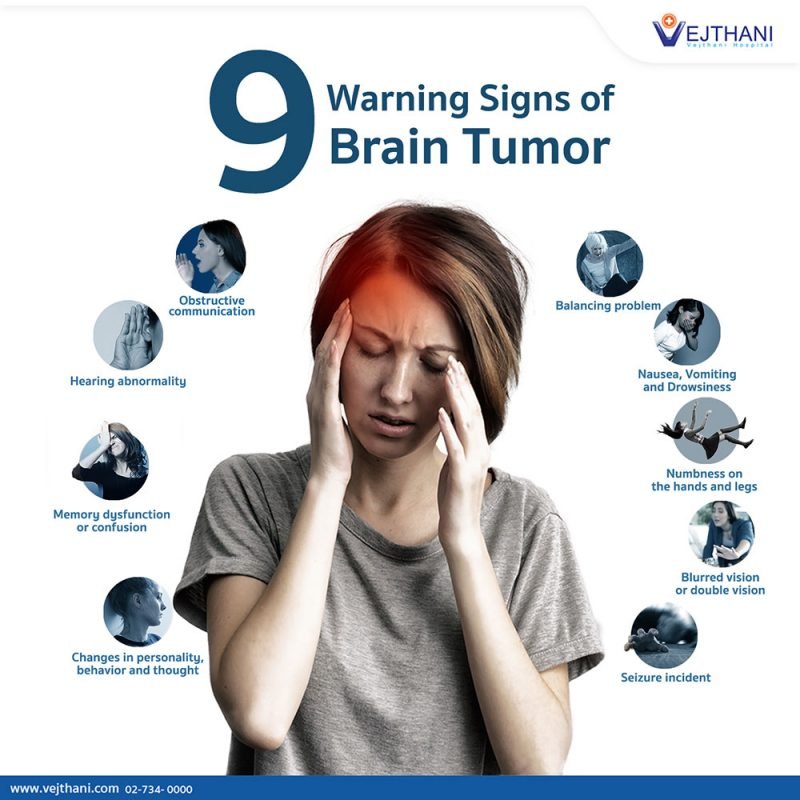
In this article, we will explore the symptoms and warning signs of brain tumors. Brain tumors can be a serious health concern, and it is important to be aware of the potential indications. By understanding these symptoms, you can seek medical attention promptly if you or someone you know experiences any concerning changes in their health. Let’s dive into the topic and learn more about the signs that may suggest the presence of a brain tumor.

Symptoms of Brain Tumors
Headaches
Headaches are one of the most common symptoms of brain tumors, and they can vary in intensity and duration. You may experience a dull, persistent headache that doesn’t seem to go away. These headaches may worsen in the morning or with activity. Some people with brain tumors also report experiencing a headache that causes pressure or aching on one side of their head. Furthermore, if you have a tumor, you may experience headaches accompanied by nausea or vomiting.
Seizures
Seizures can be an alarming symptom of a brain tumor. There are two main types of seizures that can occur – generalized seizures and focal seizures. Generalized seizures are characterized by a loss of consciousness and involve the entire brain. On the other hand, focal seizures only affect a specific part of the brain and may cause repetitive muscle jerking or twitching without loss of consciousness. If you experience seizures that develop suddenly or increase in frequency, it is important to seek medical attention.
Nausea and Vomiting
Persistent nausea and episodes of vomiting without an apparent cause can be indications of a brain tumor. If you have a tumor, you may experience nausea and vomiting that worsen over time. It’s worth noting that these symptoms are unrelated to food intake, so if you find yourself feeling nauseous or vomiting frequently without any clear triggers, it is important to consult a healthcare professional to rule out a brain tumor.
Cognitive and Behavioral Changes
Brain tumors can also lead to cognitive and behavioral changes. You may notice difficulty concentrating or remembering things. There could be a decrease in your mental alertness, making it harder to stay focused on tasks. Personality changes, such as increased irritability or aggression, might become noticeable. Additionally, you might experience depression or sudden mood swings. Impaired judgment or decision-making can also be symptoms of a brain tumor. If you observe these changes in yourself, it’s essential to discuss them with a healthcare provider.
Vision or Hearing Problems
Brain tumors can affect your vision or hearing. Blurred vision is a common symptom, as is double vision. You may also experience a loss of peripheral vision. Additionally, hearing loss can occur, and some individuals may experience a persistent ringing sound in their ears, known as tinnitus. If you notice any unexplained changes in your vision or hearing, it’s important to have a thorough examination to determine the cause, as a brain tumor may be a possibility.
Balance and Coordination Issues
Balance and coordination problems can often arise when there is a brain tumor present. You may experience dizziness or vertigo, which can make it difficult to maintain your balance. Walking may become challenging, as you might struggle to maintain stability. Lack of coordination is another common symptom, and you may find it harder to perform tasks that require precise movements. Additionally, tremors may occur, causing involuntary shaking or trembling. These symptoms are significant and shouldn’t be ignored.
Weakness or Numbness
Muscle weakness on one side of the body is a symptom that can occur with brain tumors. You may notice that your limbs feel weaker than usual or that certain muscles are not as responsive as they used to be. Numbness or tingling sensations in your limbs are also common when a brain tumor is present. Furthermore, difficulty performing fine motor tasks, such as buttoning up a shirt or holding a pen, might be a challenge. Additionally, muscle stiffness or spasms can occur. If you experience any of these symptoms, it’s important to seek medical attention promptly.
Speech Difficulties
Brain tumors can affect your ability to speak clearly and coherently. You may struggle to find the right words or have difficulty pronouncing them. Speech problems, such as slurring or stammering, may be present. These difficulties can worsen over time, making it increasingly challenging to communicate effectively. If you or a loved one notice any changes in speech ability, it’s crucial to speak with a healthcare provider to determine the underlying cause.
Personality Changes
Unexplained and sudden changes in behavior or personality can be indicative of a brain tumor. You might find yourself becoming more irritable, moody, or even aggressive without any apparent reason. These changes can be challenging for both you and your loved ones to navigate. It’s important to raise these concerns with a healthcare professional who can evaluate the situation and provide appropriate guidance and support.
Fatigue and Sleep Disturbances
Brain tumors can also lead to fatigue and sleep disturbances. Excessive daytime sleepiness, despite getting an adequate amount of sleep, can be a sign of a brain tumor. You may also experience insomnia, making it difficult to fall asleep or stay asleep throughout the night. Restless leg syndrome, which causes an urge to constantly move your legs, can disrupt your sleep as well. Some individuals with brain tumors report night sweats, which can be distressing. If you are consistently experiencing fatigue or sleep disturbances that cannot be explained by other factors, it is crucial to have a medical evaluation.
Warning Signs of Brain Tumors
Worsening or Persistent Headaches
If you have been experiencing headaches that continue to worsen or persist over time, it is important to take them seriously. While headaches can be caused by various factors, worsening or persistent headaches can be warning signs of a brain tumor. It’s important to consult with a healthcare professional to determine the cause of your headaches and to rule out any serious underlying conditions.
Seizures that Develop Suddenly or Increase in Frequency
Seizures that develop suddenly or increase in frequency can be an alarming indicator of a brain tumor. If you have never experienced seizures before and suddenly have a seizure or seizures become more frequent, it is vital to seek immediate medical attention. Prompt diagnosis and appropriate treatment are crucial in managing brain tumors.
Nausea and Vomiting Unrelated to Other Causes
Persistent nausea and vomiting that cannot be attributed to other causes, such as an upset stomach or food poisoning, should not be ignored. These symptoms can be an indication of a brain tumor and should be evaluated by a healthcare professional. Seeking medical advice will help determine the underlying cause and guide further steps.
Progressive Cognitive Decline
Brain tumors can affect cognitive function, leading to progressive cognitive decline. If you notice a gradual deterioration in your ability to concentrate, remember, or process information, it’s important to address these concerns with a healthcare provider. Timely evaluation and intervention can help manage cognitive changes and ensure appropriate care.
Unexplained Vision or Hearing Changes
Any unexplained changes in your vision or hearing can be warning signs of a brain tumor. Whether you experience blurred vision, double vision, peripheral vision loss, or sudden hearing loss, it is critical to have a comprehensive examination to determine the cause. Identifying and addressing these changes promptly is crucial for successful treatment and management.
Difficulty with Balance and Coordination
If you find yourself struggling with balance and coordination, it’s essential to consider it a potential warning sign of a brain tumor. Worsening dizziness or vertigo, difficulty walking, maintaining balance, and a lack of coordination can be indications of an underlying brain tumor. Seeking medical attention is vital to obtain an accurate diagnosis and appropriate treatment plan.
Persistent Weakness or Numbness in Limbs
Persistent weakness in one or more of your limbs, along with numbness or tingling sensations, should not be overlooked. These symptoms could be related to a brain tumor, and consultation with a healthcare professional is imperative. Timely diagnosis and intervention can help manage these symptoms effectively.
Speech Problems that Worsen Over Time
Speech difficulties that worsen over time can be distressing and may need medical attention. If you or a loved one experiences ongoing trouble with speech, such as slurred or garbled speech, it’s essential to consult with a healthcare provider. Accurate evaluation and diagnosis are crucial to plan appropriate interventions and support.
Sudden Changes in Behavior or Personality
Sudden changes in behavior or personality can be concerning and may be indicative of a brain tumor. If you or a loved one suddenly exhibits uncharacteristic behaviors, such as increased irritability, aggression, or emotional instability, it is important to seek medical evaluation. Prompt intervention can ensure that appropriate support and care are provided.
Increased Fatigue and Sleep Disturbances
Experiencing prolonged fatigue and sleep disturbances without any apparent cause can be a warning sign of a brain tumor. Consult with a healthcare provider if you consistently feel excessively fatigued or have sleep disturbances that cannot be explained by other factors. It’s essential to address these symptoms promptly to determine the underlying cause and implement appropriate management strategies.
In conclusion, recognizing the symptoms and warning signs of brain tumors is crucial for early detection and prompt medical intervention. While experiencing any of these symptoms doesn’t necessarily mean you have a brain tumor, it’s essential to consult with a healthcare professional to evaluate your condition thoroughly. Regular check-ups, open communication with your healthcare provider, and prompt attention to any new or worsening symptoms are vital for maintaining your overall health and well-being.