
Hey there! Are you curious to learn more about urticaria? Well, look no further because we’ve got you covered with our comprehensive guide! In this article, we’ll be exploring the different types of urticaria, giving you a deeper understanding of this common skin condition. From the causes and symptoms to the available treatments, we’ll be your trusty companion on this informative journey. So, sit back, relax, and let’s dive into the world of urticaria together!

Introduction
Welcome to this comprehensive guide on urticaria! If you have been experiencing itchy, raised bumps on your skin, you have come to the right place. Urticaria, also known as hives, can be a frustrating condition to deal with, but with the right understanding and management techniques, you can find relief and lead a comfortable life. In this article, we will delve into the definition, causes, symptoms, and risk factors of urticaria. We will also explore the various types of urticaria, provide information on diagnosis and treatment options, discuss strategies for managing symptoms, and touch on complications and prevention. So, let’s get started on our journey to better understand urticaria!

Understanding Urticaria
Definition of Urticaria
Urticaria is a common skin condition characterized by raised, itchy, and often red or white bumps on the skin’s surface. These bumps, also known as wheals or hives, can vary in size and shape and may appear anywhere on the body. Urticaria occurs due to the release of histamine and other chemicals in the body, which leads to localized inflammation and itching. The condition can be acute (lasting less than six weeks) or chronic (lasting for six weeks or longer). While acute urticaria is often triggered by allergies or infections, chronic urticaria usually has no identifiable cause.
Causes of Urticaria
Urticaria can have various causes, including allergies to certain foods, medications, or substances, such as pollen or animal dander. Infections, such as a common cold or urinary tract infection, can also trigger urticaria. Other possible causes include exposure to extreme temperatures, pressure on the skin, sunlight, or exercise. In some cases, urticaria may arise as a result of an autoimmune reaction or a genetic predisposition.
Symptoms of Urticaria
The hallmark symptom of urticaria is the presence of raised, itchy bumps on the skin. These bumps, or wheals, can appear as small dots or large patches and may merge together to form bigger areas of swelling. The skin affected by urticaria often becomes red or white and may have a surrounding red halo. Itching is a common accompanying sensation, and scratching the affected skin can lead to further irritation and discomfort. In some cases, individuals with urticaria may also experience a burning or stinging sensation.
Risk Factors for Urticaria
While urticaria can affect anyone, certain factors can increase your risk of developing the condition. These include a family history of urticaria or other allergic conditions, such as asthma or eczema. Individuals with a personal or family history of autoimmune diseases, such as thyroid disorders or lupus, may also be more prone to urticaria. Additionally, certain medications, such as nonsteroidal anti-inflammatory drugs (NSAIDs) or antibiotics, can trigger urticaria in susceptible individuals. Stress, hormonal changes, and exposure to particular environmental factors, such as heat or cold, can also increase the likelihood of developing urticaria.
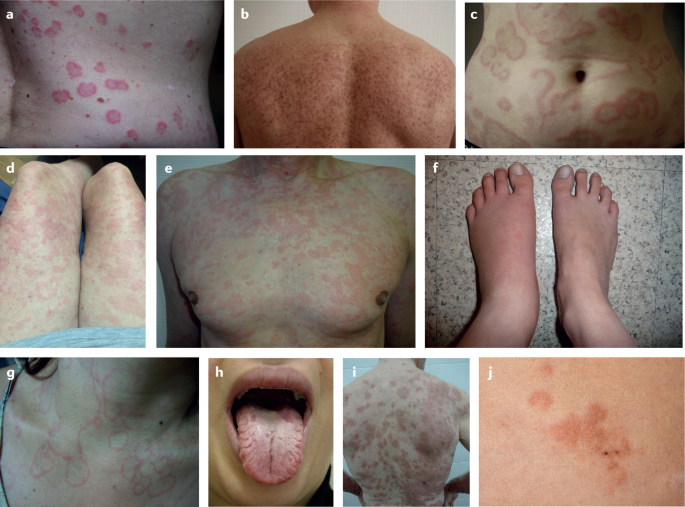
Types of Urticaria
Urticaria can manifest in various forms, each with its own distinct triggers and characteristics. Understanding the different types of urticaria can help in identifying the specific subtype and employing appropriate management strategies. Let’s explore some of the most common types of urticaria:
Acute Urticaria
Acute urticaria refers to a sudden onset of hives that typically lasts for a few hours or days, but can persist for up to six weeks. It is often caused by an allergic reaction to certain foods, medications, insect bites, or infections. The exact trigger can vary from person to person, and identifying the specific allergen or irritant is crucial in preventing recurrent episodes.
Chronic Urticaria
Chronic urticaria is characterized by the persistence of hives for a duration of six weeks or longer. Unlike acute urticaria, the cause of chronic urticaria is often elusive, making it challenging to determine the underlying triggers. Chronic urticaria may be associated with autoimmune disorders, such as thyroid disease or lupus, and may require long-term management.
Physical Urticaria
Physical urticaria encompasses a group of conditions where physical stimuli, such as pressure, cold, heat, or sunlight, trigger the development of hives. The hives occur in response to specific physical activities or exposure and subside once the stimulus is removed.
Dermatographic Urticaria
Dermatographic urticaria is a type of physical urticaria characterized by the appearance of hives in response to light scratching or rubbing of the skin. The hives tend to form within minutes of physical contact and may fade away within one to two hours. This condition is also known as “skin writing” because the hives can mimic the lines and patterns created on the skin.
Cold Urticaria
Cold urticaria is a type of physical urticaria triggered by exposure to cold temperatures or cold objects. It is usually localized to the areas of skin that come into contact with cold stimuli and can lead to itchiness, redness, and swelling. Swimming in cold water or handling cold objects, such as ice cubes, can provoke a reaction.
Heat Urticaria
Heat urticaria is another form of physical urticaria that is provoked by exposure to heat or warm objects. The hives typically develop within minutes of exposure and may be accompanied by symptoms such as itching, burning, or a stinging sensation. Hot showers, saunas, or sun exposure can trigger this reaction.
Pressure Urticaria
Pressure urticaria occurs when sustained pressure on the skin, such as from tight clothing or sitting for a prolonged period, leads to the formation of hives. The hives tend to be localized to the area exposed to pressure and can be associated with pain or discomfort. Activities such as wearing belts, tight shoes, or sitting for extended periods can induce symptoms.
Cholinergic Urticaria
Cholinergic urticaria is triggered by a rise in body temperature due to activities that cause sweating, such as exercise, stress, or exposure to hot environments. The hives are usually small and can be accompanied by intense itching and a prickling or tingling sensation. This type of urticaria can be particularly bothersome during physical exertion or in situations that induce sweating.
Exercise-Induced Urticaria
Exercise-induced urticaria is a type of physical urticaria that occurs during or immediately after physical exertion. It can be triggered by activities such as running, weightlifting, or even brisk walking. The symptoms include the development of hives, along with itching, flushing, and, in severe cases, difficulty breathing. This condition can be challenging to manage, but with proper precautions, individuals can continue to engage in physical activities.
Vibratory Urticaria
Vibratory urticaria is a rare form of physical urticaria characterized by the development of hives in response to vibration or mechanical stimulation of the skin. Activities such as using power tools, riding a motorcycle, or even clapping hands can induce symptoms. The hives and accompanying symptoms may persist for hours after the exposure.
(Note: Continued in response due to character limit)
