
Living with chronic hives can be an ongoing challenge, but with the right strategies, long-term relief is within reach. In this article, we will explore effective ways to manage chronic hives, also known as urticaria. From identifying triggers to implementing lifestyle changes, you will discover practical tips and expert advice that can help you regain control over your skin and find lasting relief from the discomfort and frustration caused by hives.
Understanding Chronic Hives
What are Hives?
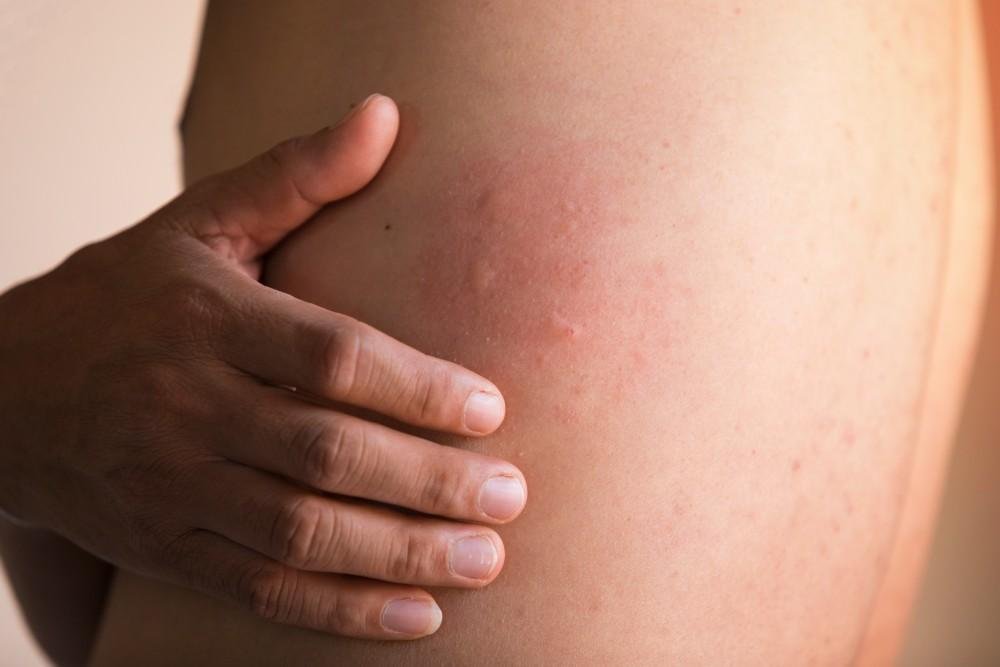
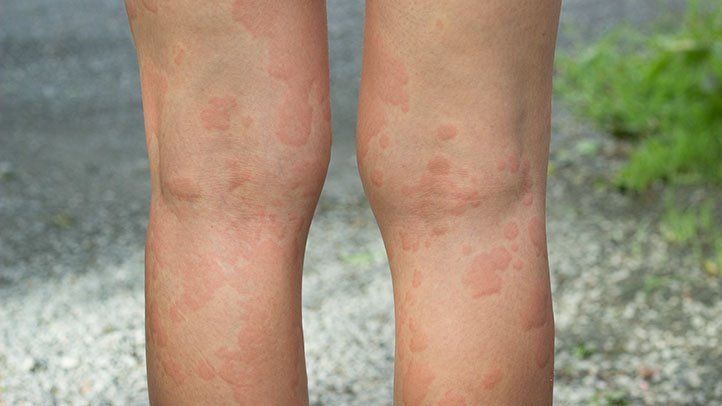
Hives, also known as urticaria, are a skin condition characterized by itchy, raised welts that can appear anywhere on the body. These welts may vary in size and shape and can sometimes be accompanied by a burning or stinging sensation. Hives can be a result of various factors, including an allergic reaction, infection, or underlying health condition. While acute hives typically go away within a few days or weeks, chronic hives persist for six weeks or longer.
Difference Between Acute and Chronic Hives
The main difference between acute and chronic hives lies in the duration of the condition. Acute hives, as mentioned earlier, typically last for a shorter period and are often caused by allergic reactions to specific triggers such as medications, insect bites, or certain foods. Conversely, chronic hives persist for an extended duration and can be more challenging to manage as the cause may be multifactorial and difficult to identify.
Causes of Chronic Hives
Chronic hives can have a variety of causes, and in many cases, the exact underlying cause remains unknown. However, some common triggers include autoimmune conditions, infections, hormonal changes, stress, certain medications, and environmental factors. It’s important to note that chronic hives can sometimes occur without any identifiable cause, which can make treatment and management more complex. A comprehensive approach involving medical evaluation and lifestyle adjustments is often necessary to effectively manage chronic hives.
Diagnosing Chronic Hives
Medical History and Physical Examination
When diagnosing chronic hives, your healthcare provider will begin by taking a detailed medical history, including any noticeable patterns or triggers for your hives. They will also perform a physical examination to assess the appearance and distribution of the hives. It’s important to be open and honest about your symptoms, as this will help your healthcare provider tailor an effective treatment plan.
Allergy Testing
Allergy testing may be conducted to determine if specific allergens are triggering your hives. This can be done through skin prick tests or blood tests. Skin prick tests involve exposing your skin to small amounts of potential allergens and monitoring for a reaction. Blood tests measure the presence of specific antibodies in your blood that indicate an allergic response. While allergy testing can be useful, it’s important to remember that many cases of chronic hives are not caused by allergies.
Other Diagnostic Tests
In some cases, additional diagnostic tests may be necessary to identify underlying conditions that may be contributing to chronic hives. Blood tests to assess thyroid function, liver function, and other relevant health markers may be ordered. Skin biopsies may also be performed to gather more information about the nature of the hives. These tests and evaluations aim to rule out other potential causes and provide a clearer understanding of the best treatment approach.
Treatment Options for Chronic Hives
Medications for Symptom Relief
Medications are often prescribed to relieve the symptoms associated with chronic hives. Antihistamines are commonly used to reduce itching and swelling. They work by blocking the release of histamine, a chemical that triggers allergic reactions. In more severe cases, corticosteroids may be prescribed for short periods to quickly control symptoms. Leukotriene modifiers and immunosuppressants are also options for those who do not respond to antihistamines alone.
Identifying and Avoiding Triggers
If specific triggers for your hives can be identified, it’s important to take steps to avoid them. This may involve avoiding certain foods, such as shellfish or peanuts, or making changes in your environment to minimize exposure to allergens like pet dander or dust mites. Keeping a diary of your symptoms and potential triggers can be helpful in identifying patterns and making necessary adjustments to your lifestyle.
Lifestyle Changes for Better Management
In addition to medication and trigger avoidance, making certain lifestyle changes can aid in the management of chronic hives. Establishing a consistent skincare routine using gentle products can help alleviate symptoms and prevent further irritation. Dietary modifications, such as reducing intake of known trigger foods or following an anti-inflammatory diet, may also be beneficial. Regular exercise, stress management techniques, and getting enough sleep can contribute to overall well-being and potentially reduce the frequency and intensity of hives.
Medications for Symptom Relief
Antihistamines
Antihistamines are commonly recommended for the relief of hives symptoms. These medications work by blocking the action of histamine, a chemical produced by the body that causes itching, swelling, and other allergic reactions. Non-sedating antihistamines, such as loratadine or cetirizine, are preferred for long-term use as they have fewer side effects.
Corticosteroids
Corticosteroids, such as prednisone, may be prescribed for short periods to quickly suppress severe symptoms of chronic hives. However, these medications are not suitable for long-term use due to the risk of side effects. They are typically prescribed at high doses initially and then tapered down gradually under medical supervision.
Leukotriene Modifiers
Leukotriene modifiers, like montelukast, can be used as an alternative or additional treatment for chronic hives. These medications work by blocking the effects of leukotrienes, chemicals that contribute to inflammation and allergic reactions. They are often prescribed when antihistamines alone are not providing sufficient relief.
Immunosuppressants
Immunosuppressants, such as cyclosporine or methotrexate, may be prescribed in severe cases of chronic hives that do not respond to other treatments. These medications work by suppressing the immune system to reduce the frequency and severity of hives. Due to the potential side effects and long-term risks, these medications are typically used only when other options have been exhausted.
Other Medications
In some cases, additional medications such as omalizumab, an injectable antibody, or dapsone, an anti-inflammatory medication, may be considered for the treatment of chronic hives. These medications are generally reserved for severe and refractory cases and require close monitoring by a healthcare professional.
Identifying and Avoiding Triggers
Food Triggers
Certain foods can trigger or worsen chronic hives in susceptible individuals. Common food triggers include shellfish, nuts, eggs, and dairy products. Keeping a food diary and eliminating suspected trigger foods from your diet can help identify potential culprits. Working with a healthcare professional or allergist can provide further guidance in pinpointing specific food triggers and designing an appropriate dietary plan.
Environmental Triggers
Environmental factors such as dust mites, pet dander, pollen, and mold can also exacerbate chronic hives. Taking measures to reduce exposure to these triggers can be beneficial. Regularly cleaning and dusting your home, using allergen-proof bedding covers, and keeping pets out of certain areas of the house can help minimize environmental allergens.
Medication Triggers
Certain medications, such as nonsteroidal anti-inflammatory drugs (NSAIDs), antibiotics, and blood pressure medications, can trigger hives in some individuals. It’s essential to communicate any known medication allergies or reactions to your healthcare provider to avoid potential triggers. In cases where medication triggers cannot be avoided due to medical necessity, alternative treatment options may be explored.
Stress Management
Stress can have a significant impact on chronic hives, as it can trigger or worsen symptoms. Practicing stress management techniques such as deep breathing exercises, yoga, meditation, or engaging in hobbies and activities you enjoy can help reduce stress and potentially alleviate hives. It is important to find healthy coping mechanisms that work for you and prioritize self-care.
Lifestyle Changes for Better Management
Skincare Routine
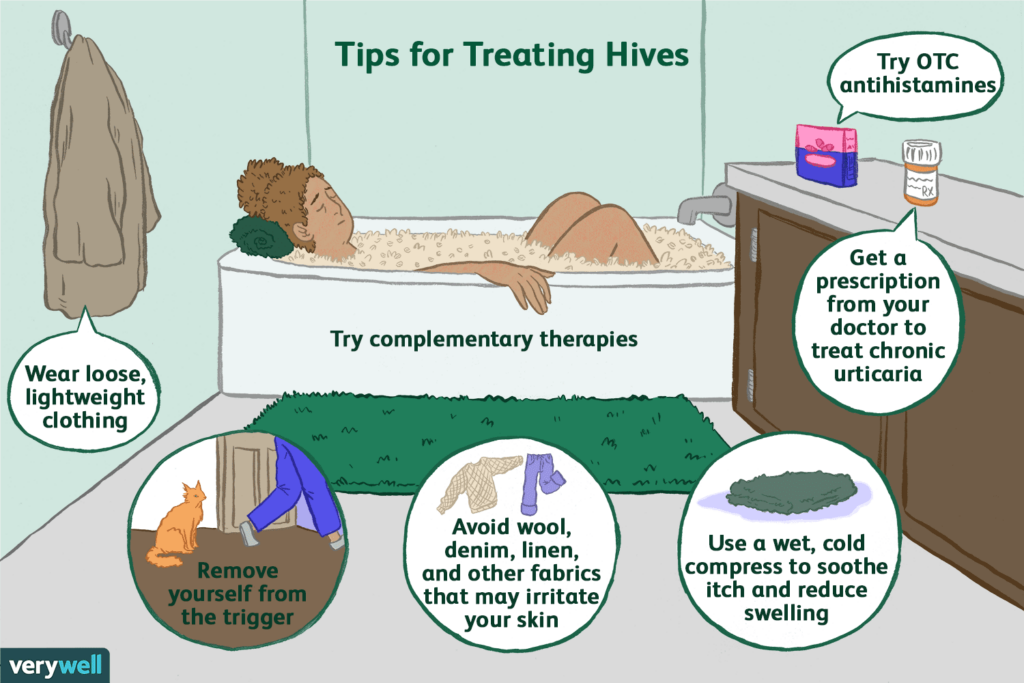
Establishing a consistent skincare routine can help soothe irritated skin and prevent further hives flare-ups. It’s advisable to use fragrance-free and gentle skincare products, avoid hot baths or showers, and moisturize the skin regularly. Opting for non-irritating fabrics, such as cotton, can also reduce skin irritation and minimize hives.
Dietary Modifications
While specific trigger foods may vary from person to person, making certain dietary modifications can support better management of chronic hives. It may be helpful to follow an anti-inflammatory diet, which emphasizes whole foods, vegetables, fruits, and healthy fats while minimizing processed foods, sugar, and potential trigger foods.
Exercise and Physical Activities
Engaging in regular exercise and physical activities, with the guidance of your healthcare provider, can have various benefits for overall health and well-being, including potentially reducing the frequency and severity of hives. Choose activities that you enjoy and are suitable for your fitness level. It’s important to listen to your body and avoid triggers such as extreme heat, excessive sweating, or friction on the skin.
Managing Stress
Stress management techniques play a vital role in the management of chronic hives. Practicing relaxation techniques, such as deep breathing exercises, mindfulness, or engaging in activities that promote relaxation, can help reduce stress levels. Additionally, prioritizing self-care, getting enough sleep, and maintaining a balanced lifestyle can contribute to better stress management and potentially alleviate hives symptoms.

Home Remedies for Chronic Hives
Cold Compress
Applying a cold compress to affected areas can help relieve itching and reduce inflammation associated with hives. Simply wrap a bag of ice or a cold pack in a thin towel and apply it to the affected area for 10 to 15 minutes. This can be repeated several times a day as needed.
Oatmeal Baths
Taking an oatmeal bath can provide soothing relief for hives symptoms. Simply grind 1 to 2 cups of oatmeal into a fine powder and add it to lukewarm bathwater. Soak in the bath for 15 to 20 minutes to alleviate itching and reduce inflammation.
Aloe Vera Gel
Aloe vera gel has natural anti-inflammatory and soothing properties that can provide relief for hives symptoms. Apply a thin layer of pure aloe vera gel to the affected areas and gently massage it into the skin. Repeat as needed throughout the day for soothing relief.
Baking Soda Paste
A baking soda paste can help relieve itching and inflammation associated with hives. Mix baking soda with a small amount of water to form a thick paste. Apply the paste directly to the affected areas and let it sit for 15 minutes before rinsing off with cool water.
Alternative Therapies for Chronic Hives
Acupuncture
Acupuncture, an ancient Chinese practice, involves the insertion of fine needles into specific points on the body to promote balance and healing. Some individuals with chronic hives have reported improvements in symptoms and overall well-being after undergoing acupuncture treatments. It’s important to consult with a licensed acupuncturist and inform them of your specific condition before pursuing this therapy.
Herbal Supplements
Some herbal supplements, such as stinging nettle, quercetin, and butterbur, have been traditionally used to alleviate allergic symptoms, including hives. However, it’s important to consult with a healthcare professional or a qualified herbalist before considering the use of herbal supplements, as they may interact with medications or have potential side effects.
Probiotics
Probiotics, beneficial bacteria that support gut health, have shown promise in managing certain allergic conditions, including hives. While more research is needed to fully understand their efficacy in treating chronic hives, incorporating probiotic-rich foods, such as yogurt or fermented vegetables, into your diet or taking probiotic supplements may be worth considering.

Coping with Chronic Hives
Support Groups and Counseling
Living with chronic hives can be challenging, both physically and emotionally. Joining support groups or seeking counseling can provide a valuable outlet for sharing experiences, receiving emotional support, and learning coping strategies from others facing similar challenges. Online forums and local organizations can help connect you with these resources.
Educating Yourself and Loved Ones
Education is a crucial aspect of coping with chronic hives. Learning more about the condition, its triggers, and available treatment options can empower you to better manage your symptoms and make informed decisions regarding your healthcare. Sharing this information with loved ones can also help them understand and support you on your journey.
Managing Emotional Impact
The emotional impact of chronic hives should not be underestimated. The persistent itching, physical appearance changes, and the unpredictability of flare-ups can lead to feelings of frustration, embarrassment, or anxiety. Engaging in stress management techniques, such as mindfulness or cognitive-behavioral therapy, can help manage emotional stressors and improve overall well-being.
When to Seek Medical Help
Persistent or Severe Symptoms
If your symptoms persist despite trying various home remedies or if they are severe and affecting your daily life, it’s important to seek medical help. Your healthcare provider can reassess your condition, review treatment options, and make any necessary adjustments to your management plan.
Difficulty Breathing or Swallowing
Difficulty breathing or swallowing are severe symptoms that should not be ignored. These could be signs of a more serious allergic reaction known as anaphylaxis, which requires immediate medical attention. If you experience any difficulty breathing, wheezing, or swelling of the face, lips, or tongue, seek emergency medical care.
Signs of Anaphylaxis
Anaphylaxis is a severe allergic reaction that can be life-threatening. Signs of anaphylaxis include difficulty breathing, rapid heartbeat, chest tightness, dizziness, or loss of consciousness. If you experience any of these symptoms, call emergency services immediately, as anaphylaxis requires immediate medical intervention.
In conclusion, chronic hives can significantly impact an individual’s quality of life. Understanding the condition, its triggers, and available treatment options is crucial for effective management. Relying on a combination of medications, trigger avoidance, lifestyle adjustments, and home remedies can provide long-term relief and minimize the impact of chronic hives on daily life. Seeking medical help when needed and prioritizing emotional well-being can also contribute to a more comprehensive and sustainable approach to managing chronic hives. Remember, everyone’s journey with chronic hives is unique, and personalized care is essential in finding the most effective strategies for long-term relief.