
Are you tired of dealing with the itchiness and discomfort caused by hives? Look no further, because we’ve got you covered! In this article, we will explore some effective remedies and practical tips to help you treat hives successfully. Whether you’re a long-time sufferer or experiencing hives for the first time, these helpful suggestions will provide relief and guide you on your journey to a hive-free life. Say goodbye to the frustration of hives and hello to a happier, itch-free you!
What are Hives?
Definition of Hives
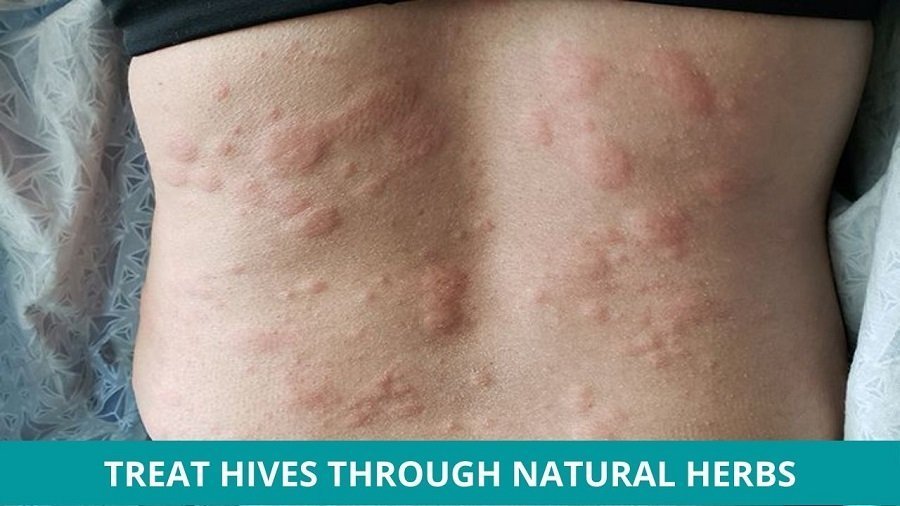
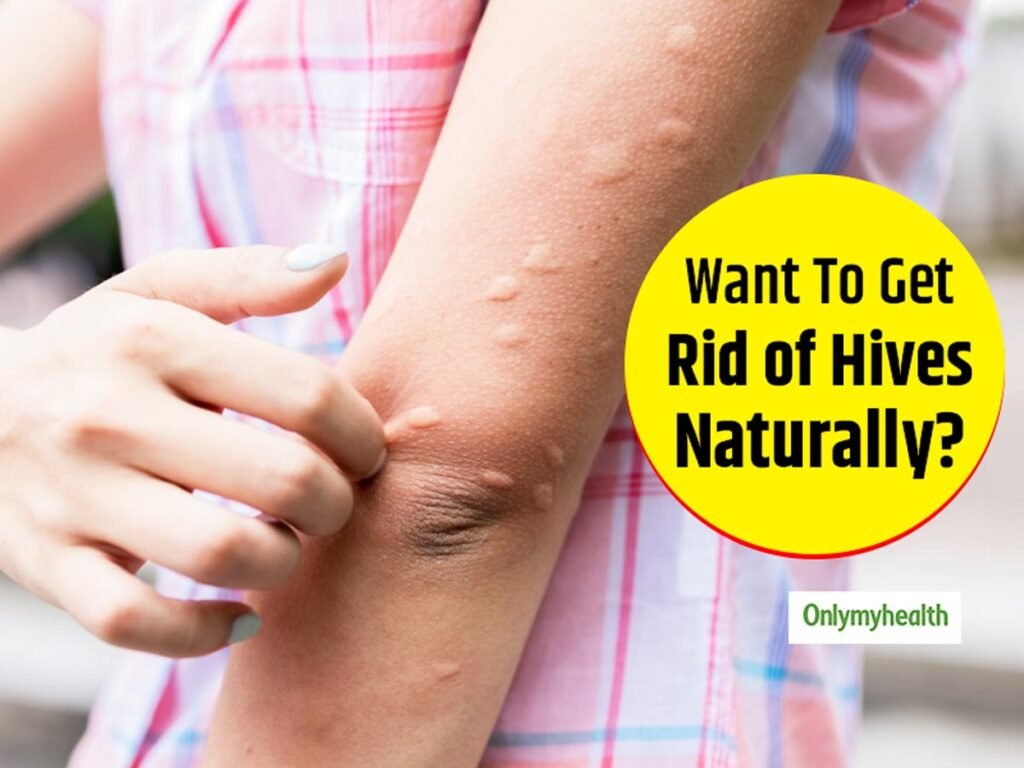
Hives, also known as urticaria, are a common skin condition characterized by raised, itchy, and red welts on the skin. These welts, also called wheals, can appear anywhere on the body and vary in size from small dots to large patches. They can be round, irregularly shaped, or form clusters. Hives can be acute, lasting for a few hours or days, or chronic, persisting for six weeks or longer.
Causes of Hives
Hives are usually a result of an allergic reaction. When you come into contact with an allergen, your immune system releases histamine, a chemical that causes the blood vessels to leak and the skin to swell, resulting in the characteristic hives. Common triggers include certain foods, medications, insect bites, pollen, animal dander, and latex.
Other non-allergic factors can also cause hives, such as viral infections, temperature changes, stress, and physical stimuli like pressure or rubbing against the skin. Sometimes, the cause of hives remains unknown, and they are classified as idiopathic urticaria.
Symptoms of Hives
The main symptom of hives is the appearance of itchy, red welts on the skin. These welts can be raised and may have a pale center. They typically come and go, shifting from one area of the body to another and can change in shape and size within minutes or hours. In some cases, hives may be accompanied by swelling or a burning sensation.
Other symptoms may include a tingling or stinging sensation, and if hives occur in the throat or mouth, they can cause difficulty breathing, swallowing, or talking. While hives themselves are not usually dangerous, severe or persistent symptoms may require medical attention.
Effective Remedies for Hives
Over-the-counter Medications
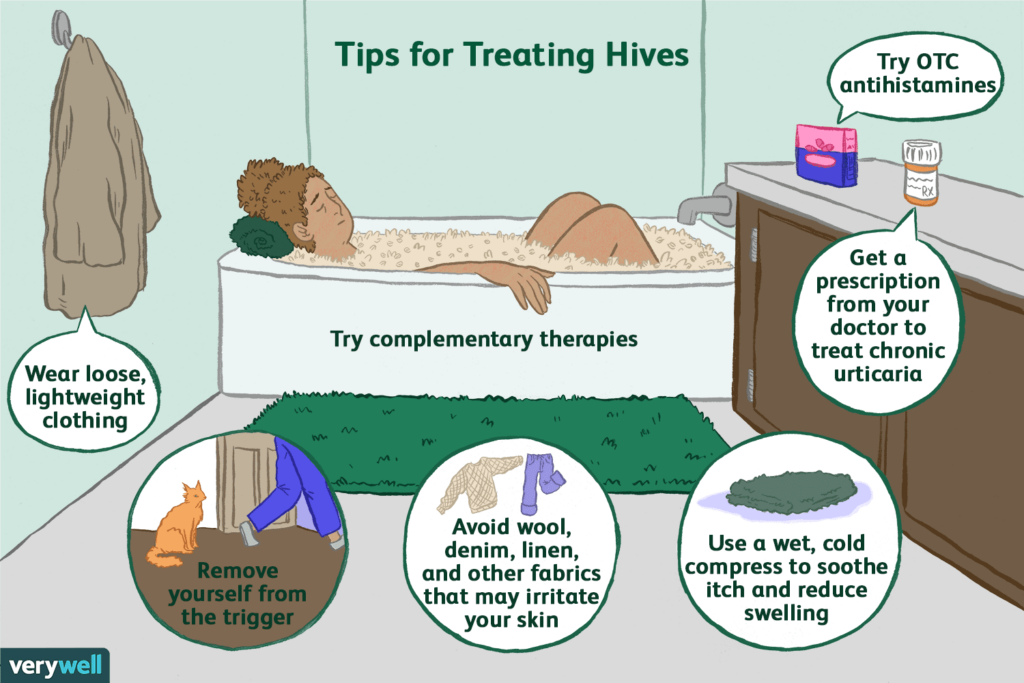
Over-the-counter antihistamines, such as cetirizine or loratadine, can help relieve the itching and redness associated with hives. These medications work by blocking the release of histamine and reducing the allergic response. It is important to follow the instructions on the packaging and consult a healthcare professional if symptoms persist or worsen.
Antihistamines
If over-the-counter antihistamines do not provide sufficient relief, your doctor may prescribe stronger antihistamines for short-term use. These medications can effectively reduce itching and swelling caused by hives. It is essential to take the prescribed dosage and follow the instructions provided by your healthcare provider.
Corticosteroids
In severe cases of hives, your doctor may recommend a short course of oral corticosteroids to reduce inflammation and suppress the immune system. These medications can provide quick relief but are generally used only for a limited time due to potential side effects with long-term use. It is important to closely follow your healthcare provider’s instructions when taking corticosteroids.
Topical creams and ointments
Topical creams or ointments containing corticosteroids can be applied directly to the affected areas of the skin to reduce inflammation and itching caused by hives. These medications are generally used for localized hives or for specific areas that require targeted treatment. It is important to use these products as directed by your doctor and to avoid using them on large areas of the body or for an extended period without medical supervision.
Natural Remedies for Hives
Cold compress
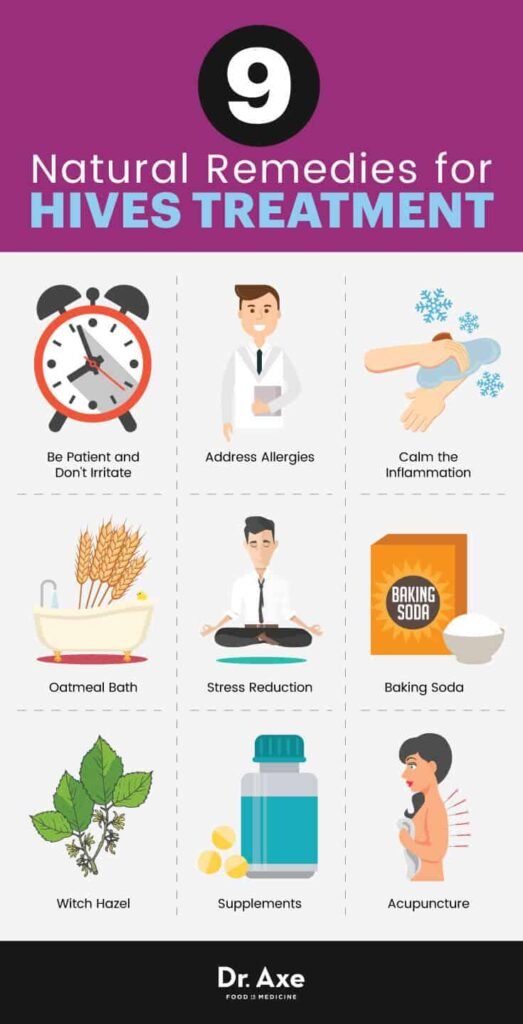
Applying a cold compress to the affected areas can help alleviate itching and reduce inflammation. Wrap some ice cubes in a clean towel or use a cold gel pack and gently press it against the hives for 10-15 minutes. The cold temperature can constrict blood vessels, reducing swelling and providing temporary relief from itching.
Aloe Vera
Aloe vera has soothing and anti-inflammatory properties that can help relieve itching and inflammation associated with hives. Apply pure aloe vera gel directly to the affected areas of the skin and leave it on for 15-20 minutes before rinsing off with cool water. Repeat this process several times a day for optimal results.
Baking soda
Baking soda can help relieve itching and irritation caused by hives. Mix equal parts baking soda and water to form a paste and apply it gently to the affected areas. Leave the paste on for 10-15 minutes before rinsing off with cool water. This remedy can be repeated multiple times a day for relief.
Oatmeal baths
Taking an oatmeal bath can provide soothing relief for hives. Add finely ground oatmeal to a bathtub filled with lukewarm water and soak in it for 15-20 minutes. The oatmeal helps calm the skin and reduce inflammation, providing temporary relief from itching.
Apple cider vinegar
Apple cider vinegar has anti-inflammatory properties that can help alleviate hives. Mix equal parts apple cider vinegar and water and apply it to the affected areas using a clean cloth or cotton ball. Leave it on for a few minutes before rinsing off with cool water. This remedy can be repeated several times a day for relief.
Home Care Tips
Avoid Scratching or Rubbing
Although it can be tempting, scratching or rubbing hives can further irritate the skin and intensify itching. Instead, try gently patting or tapping the affected areas to relieve itching without causing further damage.
Wear Loose-fitting Clothes
Tight clothing can irritate hives and worsen symptoms. Opt for loose-fitting, breathable fabrics that allow your skin to breathe and minimize friction against the affected areas.
Protect Your Skin from Sun Exposure
Sun exposure can trigger hives and worsen symptoms. Protect your skin by wearing lightweight, long-sleeve clothing, using broad-spectrum sunscreen with a high SPF, and seeking shade during peak sun hours.
Use Mild Soaps and Hypoallergenic Products
Harsh soaps and skincare products may contain ingredients that can further irritate hives. Choose gentle, fragrance-free, and hypoallergenic products to minimize skin irritation and reduce the risk of triggering hives.
Keep Your Environment Clean
Regularly clean your living space to remove potential allergens like dust mites, pet dander, and pollen. Use a vacuum with a HEPA filter, dust and mop regularly, and consider using allergen-proof covers for bedding and pillows.
Lifestyle Changes to Manage Hives
Identify and Avoid Triggers
Keeping a diary or journal of when hives occur and the possible triggers can help identify and avoid substances or situations that cause hives. This could include certain foods, medications, stressors, or environmental factors. By understanding your triggers, you can take proactive steps to prevent hives from occurring.
Reduce Stress
Stress can worsen hives symptoms and trigger flare-ups. Implement stress-management techniques such as deep breathing exercises, meditation, yoga, or engaging in hobbies you enjoy. By managing stress levels, you may be able to reduce the frequency and severity of hives episodes.
Maintain a Healthy Diet
A healthy diet can support overall immune function and reduce the risk of inflammatory reactions that can trigger hives. Incorporate a variety of fruits, vegetables, whole grains, and lean proteins into your meals. Avoiding known food allergens can also help prevent hives outbreaks.
Stay Hydrated
Drinking an adequate amount of water helps keep your skin hydrated and supports overall skin health. Aim for at least eight glasses of water per day to maintain optimal hydration levels.
When to Seek Medical Attention
Persistent or Severe Symptoms
If your hives persist for more than a few days or if they are severe and significantly impacting your daily life, it is important to seek medical attention. A healthcare professional can evaluate your symptoms, assess the possible underlying causes, and recommend appropriate treatment options.
Difficulty Breathing
Hives that occur in the throat or mouth can lead to swelling and difficulty breathing. This is a medical emergency that requires immediate attention. Call emergency services or go to the nearest emergency room if you experience difficulty breathing or other signs of anaphylaxis.
When Hives Interfere with Daily Activities
If your hives significantly interfere with your ability to perform daily activities, such as work, school, or social engagements, it is essential to seek medical attention. Chronic hives can have a significant impact on your quality of life, and a healthcare professional can help you manage your symptoms effectively.
Medical Treatments for Hives
Prescription Medications
For chronic or severe hives, your doctor may prescribe stronger antihistamines, such as hydroxyzine or fexofenadine, to provide more effective relief. In some cases, they may also recommend additional medications, such as leukotriene inhibitors or immunosuppressants, to help manage symptoms.
Injections of Medications
If antihistamines or other medications do not provide adequate relief, your doctor may recommend injectable medications, such as omalizumab or corticosteroids, to control severe hives. These are typically administered in a medical setting and can provide significant improvement in symptoms.
Preventing Hives
Identifying Triggers
Once you have identified common triggers for your hives, you can take proactive steps to avoid or minimize exposure to them. This may involve avoiding certain foods, medications, environmental allergens, or implementing protective measures.
Avoiding Common Allergens
If certain allergens consistently trigger hives, it is important to avoid or reduce exposure to them. This may include avoiding specific foods, wearing protective clothing, using barrier creams, or seeking alternate options for medications or personal care products.
Using Protective Measures
Taking preventive measures can help minimize the risk of hives. This may involve using protective clothing, gloves, or masks, utilizing hypoallergenic bedding and pillows, and ensuring proper ventilation and air purification in your living spaces.
Managing Stress Levels
Since stress can worsen hives symptoms, it is important to manage stress levels effectively. Engage in stress-reducing activities such as exercise, meditation, deep breathing exercises, or seeking support from friends, family, or a therapist.

Complications of Hives
Angioedema
Angioedema is a more severe form of hives that involves swelling in deeper layers of the skin, typically in the lips, eyes, hands, feet, or throat. This condition can cause significant discomfort, pain, and difficulty breathing, swallowing, or speaking. If you experience symptoms of angioedema, seek medical attention immediately.
Anaphylaxis
In rare cases, hives can be associated with anaphylaxis, a severe and potentially life-threatening allergic reaction. Anaphylaxis can cause rapid swelling, difficulty breathing, a drop in blood pressure, and loss of consciousness. If you experience these symptoms along with hives, call emergency services or go to the nearest emergency room immediately.
Conclusion
Hives, or urticaria, are a common skin condition characterized by itchy, red welts on the skin. They can be caused by various allergens, non-allergic factors, or unknown reasons. Effective remedies for hives include over-the-counter medications, antihistamines, corticosteroids, and topical creams. Natural remedies such as cold compresses, aloe vera, baking soda, oatmeal baths, and apple cider vinegar can also provide relief. Home care tips, lifestyle changes, and preventive measures are important in managing hives and avoiding triggers. While most cases of hives resolve on their own or with appropriate treatments, it is important to seek medical attention for persistent or severe symptoms, difficulty breathing, or when hives interfere with daily activities. By understanding and managing hives effectively, you can minimize the impact they have on your quality of life.