
Are you curious about the factors that contribute to malnutrition in low-income communities? In this article, we will delve into the causes of this pressing issue, shedding light on the underlying factors that perpetuate malnutrition in these communities. By understanding the complex web of causes, we hope to raise awareness and inspire collective efforts to address this problem. Join us on this journey as we explore the multifaceted causes of malnutrition in low-income communities.
Food Insecurity
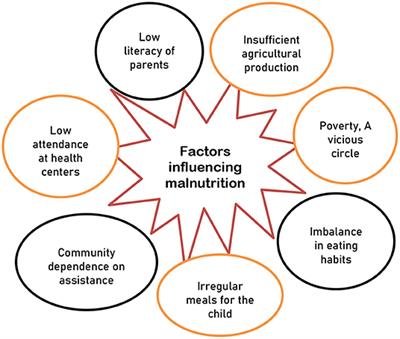
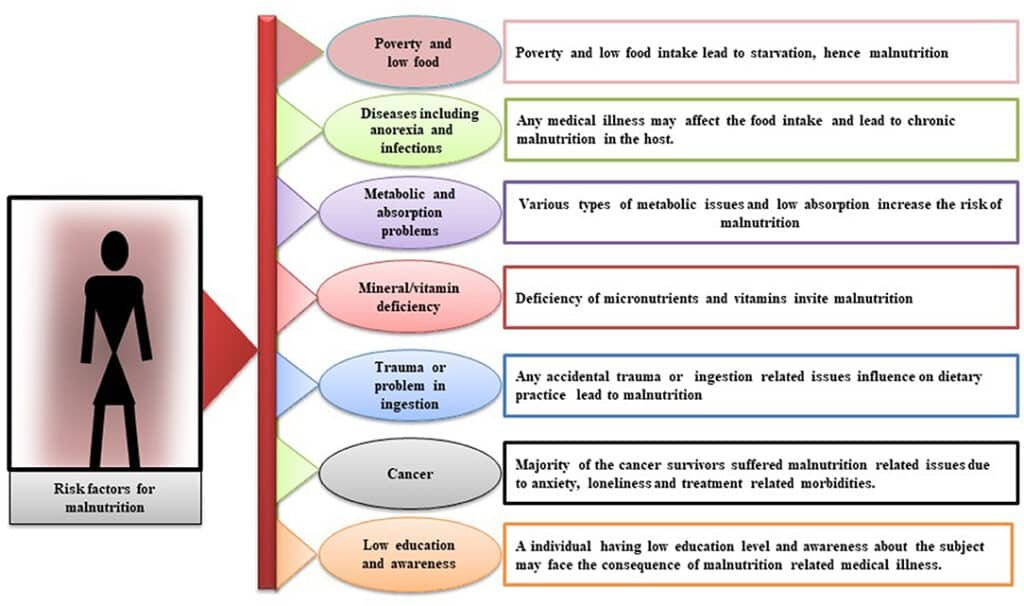
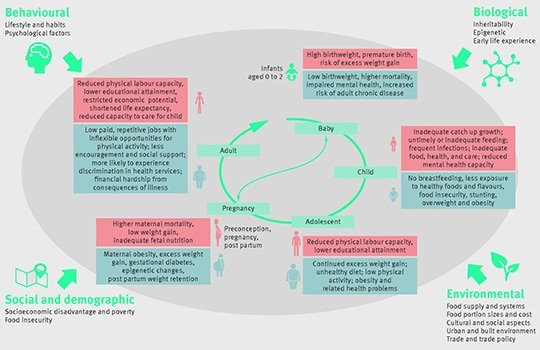
Food insecurity refers to the lack of consistent access to enough nutritious food for an active and healthy life. It affects millions of individuals and families globally, with low-income communities being particularly vulnerable. The underlying causes of food insecurity are multifaceted and can be attributed to various factors such as limited access to nutritious food, inadequate dietary diversity, poor knowledge and awareness, lack of resources, insufficient healthcare services, unsanitary living conditions, low socioeconomic status, educational disparities, and food culture and tradition.
Limited Access to Nutritious Food
One of the main contributors to food insecurity is the limited access to nutritious food options. In low-income communities, there is often a lack of grocery stores or supermarkets that offer a wide range of fresh fruits, vegetables, and other healthy food choices. This scarcity of nutritious food sources forces individuals to rely on alternative options such as convenience stores or fast-food establishments, which primarily offer processed and unhealthy foods. Additionally, transportation barriers can further impede access to quality food, especially in rural areas where public transportation may be limited or nonexistent.
Inadequate Dietary Diversity
Inadequate dietary diversity is another significant factor that contributes to malnutrition in low-income communities. Due to limited financial resources, individuals and families often resort to consuming cheap, calorie-dense foods that lack essential nutrients. This leads to a monotonous and imbalanced diet, putting individuals at risk of nutrient deficiencies and related health problems. Furthermore, cultural or personal preferences and limited cooking skills can also contribute to the lack of dietary diversity, further exacerbating the issue.
Poor Knowledge and Awareness
Lack of knowledge and awareness surrounding nutrition and healthy eating practices can significantly impact the food choices of individuals living in low-income communities. Without proper education and accessible information regarding the importance of a balanced diet, individuals may not be aware of the adverse health consequences of consuming unhealthy foods regularly. Additionally, misleading marketing and advertising tactics for processed and unhealthy foods can make it even more challenging for individuals to make informed choices. Promoting nutrition education and enhancing public awareness is crucial in addressing this issue and empowering individuals to make healthier food choices.
Lack of Resources
A key driver of food insecurity is the lack of resources available to individuals living in low-income communities. Financial constraints often make it challenging for individuals to afford a diverse range of nutritious foods. Additionally, limited access to cooking facilities, lack of proper storage for perishable items, and inadequate kitchenware further hinder the ability to prepare healthy meals at home. The scarcity of resources exacerbates the reliance on processed and fast foods, perpetuating the cycle of food insecurity and malnutrition.
Insufficient Healthcare Services
Inadequate access to quality healthcare services is closely linked to food insecurity. Without proper medical care and support, individuals may lack the necessary resources to address underlying health conditions that can affect their nutritional status. Chronic diseases such as diabetes or cardiovascular issues often require specific dietary modifications, but without access to proper healthcare and nutrition counseling, individuals may struggle to make the necessary dietary changes. Enhancing healthcare services in low-income communities is crucial for addressing the health disparities associated with food insecurity.
Unsanitary Living Conditions
Unsanitary living conditions can significantly impact nutrition and overall health among individuals living in low-income communities. Lack of clean water, inadequate sanitation facilities, and poor hygiene practices can increase the risk of foodborne illnesses and infections. People may be more prone to gastrointestinal issues or other health problems, which can further compromise their ability to absorb essential nutrients from the food they consume. Addressing these unsanitary living conditions is crucial for ensuring individuals have a safe and healthy environment that supports adequate nutrition.
Low Socioeconomic Status
Low socioeconomic status is a significant determinant of food insecurity and malnutrition. Individuals with limited financial resources may struggle to afford nutritious food options regularly. Poverty can often result in trade-offs where other essential expenses, such as housing or healthcare, take precedence over purchasing quality food. Lower income also limits individuals’ ability to invest in education and job training, further perpetuating the cycle of poverty and food insecurity. Addressing the underlying socioeconomic factors is essential for combating food insecurity and improving overall nutrition.
Educational Disparities
Educational disparities significantly impact food insecurity, as limited educational opportunities can restrict individuals’ access to better employment opportunities and higher incomes. Without access to quality education, individuals may lack the necessary skills and knowledge to secure stable employment, trapping them in low-wage jobs with limited earning potential. This financial constraint further restricts their ability to afford nutritious food options regularly, leading to a higher risk of malnutrition. Addressing educational disparities and providing equal access to quality education is crucial for breaking the cycle of food insecurity and improving overall nutrition in low-income communities.
Food Culture and Tradition
Food culture and tradition play a significant role in shaping individuals’ food choices and dietary practices. In some low-income communities, cultural norms and traditions may prioritize certain foods that are inexpensive but provide limited nutritional value. Traditional cooking methods may heavily rely on unhealthy oils, excessive added sugars, or excessive use of salt, contributing to poor dietary practices. In order to address food insecurity, it is crucial to respect and acknowledge cultural traditions while simultaneously promoting the adoption of healthier cooking techniques and ingredients. Encouraging a balance between cultural heritage and nutrition can help improve dietary diversity and overall health outcomes.
In conclusion, food insecurity is a complex issue influenced by various factors in low-income communities. Limited access to nutritious food, inadequate dietary diversity, poor knowledge and awareness, lack of resources, insufficient healthcare services, unsanitary living conditions, low socioeconomic status, educational disparities, and food culture and tradition all contribute to the prevalence of malnutrition. Addressing these multifaceted causes requires a comprehensive approach, involving public awareness campaigns, community engagement, policy changes, and targeted interventions. By addressing these underlying issues, we can work towards creating a society where everyone has equal access to nutritious food and the opportunity to live a healthy life.