
Did you know that asbestos has been linked to the development of cancer? In this article, we will explore the connection between asbestos and cancer, shedding light on this dangerous health hazard. Asbestos, a naturally occurring mineral, was once widely used in construction and other industries for its heat resistance and durability. However, prolonged exposure to asbestos fibers can lead to serious health problems, including lung cancer, mesothelioma, and other respiratory diseases. Join us as we delve into the science behind this link and discuss the importance of awareness and prevention.
Asbestos and Cancer
Asbestos is a naturally occurring mineral that has been widely used in various industries due to its desirable properties such as heat resistance and durability. However, over the years, it has become evident that exposure to asbestos can have severe health consequences, including the development of cancer. In this article, we will explore the link between asbestos and cancer, discuss the different types of cancer associated with asbestos exposure, delve into the mechanism of this connection, and examine the history of asbestos usage.
Understanding Asbestos
Before we delve into the connection between asbestos and cancer, it is important to have a basic understanding of what asbestos is. Asbestos is a fibrous material that can be divided into two main types: serpentine asbestos, which includes chrysotile, and amphibole asbestos, which includes crocidolite, amosite, and tremolite. These fibrous minerals were widely used in various industries for their heat-resistant and insulating properties.
The Link between Asbestos and Cancer
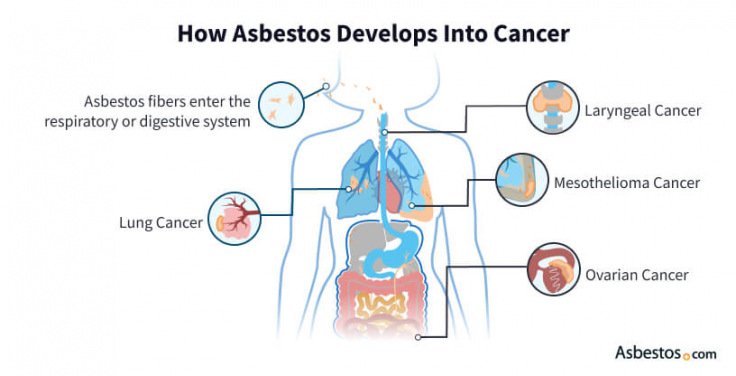
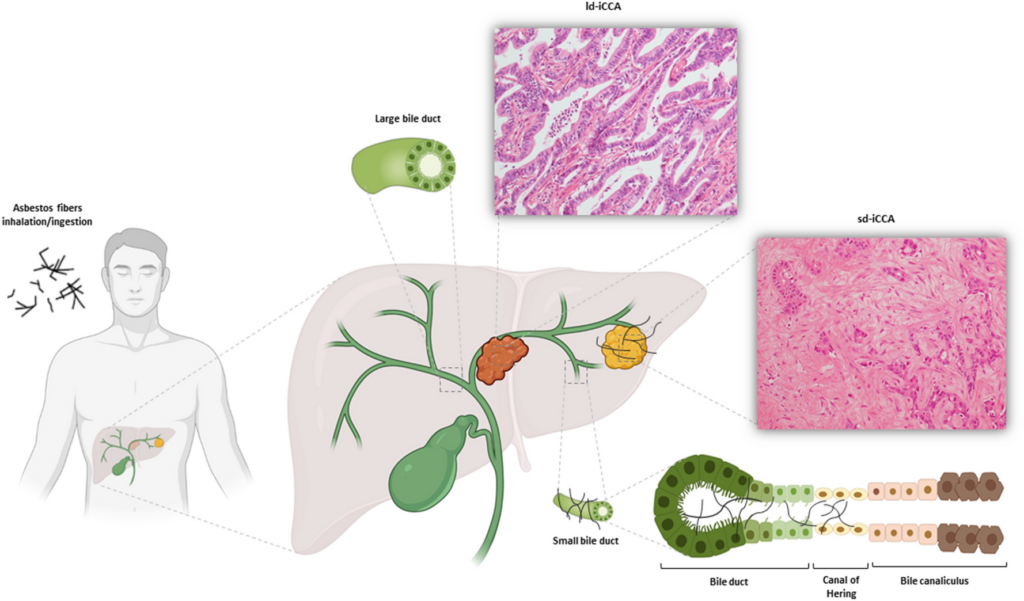
Extensive research has established a clear link between asbestos exposure and the development of cancer. When asbestos fibers are released into the air and inhaled or ingested, they can become lodged in the lungs or other organs. Over time, these fibers can cause inflammation and scarring, leading to the development of cancerous cells. The latency period between asbestos exposure and the onset of cancer can range from several years to several decades, making it difficult to attribute the cancer solely to asbestos exposure.
Different Types of Cancer Associated with Asbestos Exposure
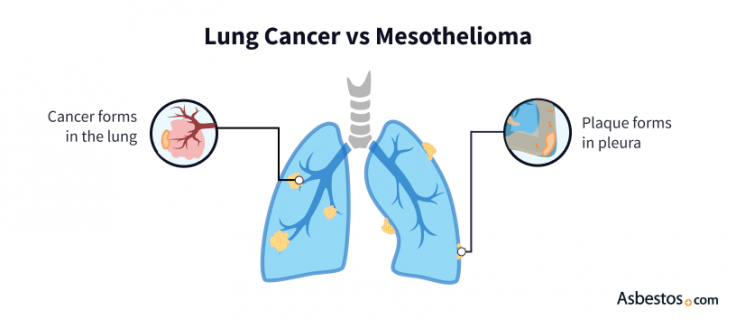
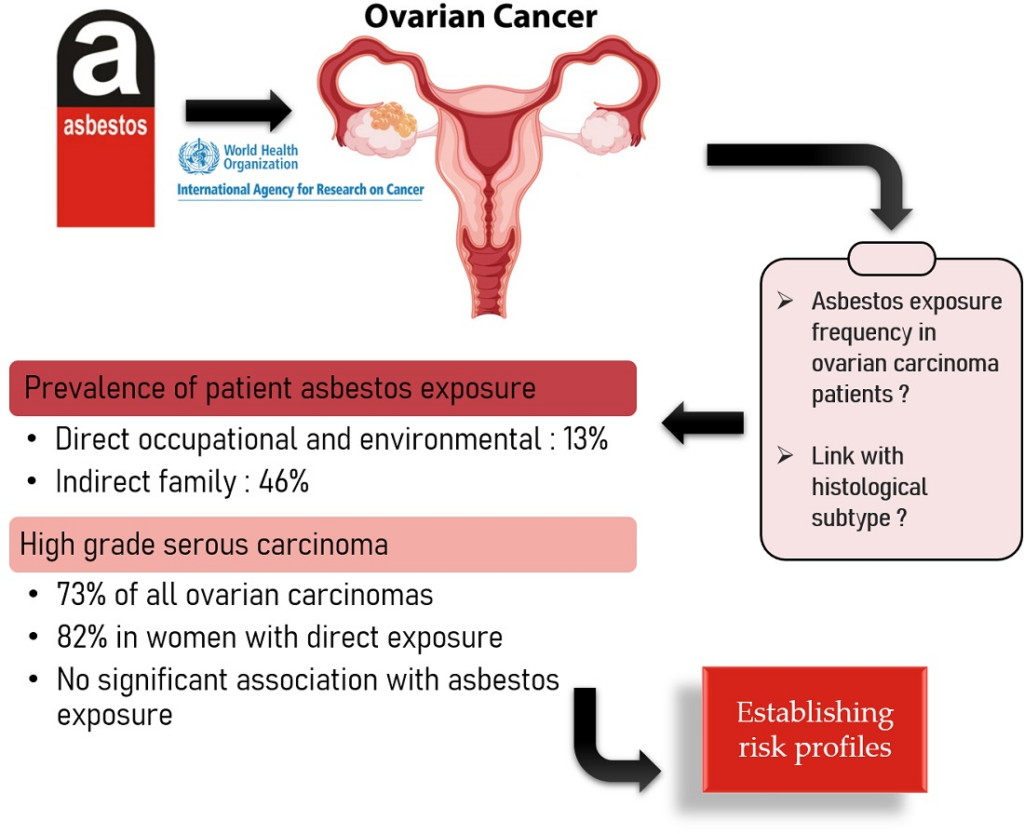
Asbestos exposure has been linked to several types of cancer, with the most prominent being mesothelioma. Mesothelioma is a rare and aggressive cancer that affects the lining of the lungs, heart, or abdomen. It is primarily caused by exposure to asbestos fibers, and its symptoms often do not manifest until the disease has reached an advanced stage. Other types of cancer associated with asbestos exposure include lung cancer and ovarian cancer.
Mechanism of Asbestos-Cancer Connection
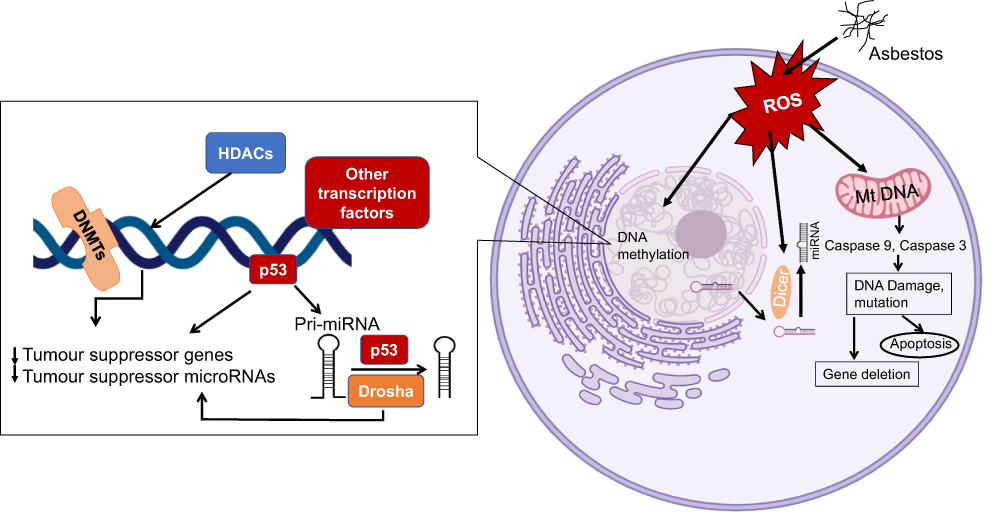
The exact mechanism by which asbestos fibers cause cancer is still not fully understood. However, it is believed that the fibers, particularly the amphibole asbestos fibers, have a carcinogenic effect due to their ability to penetrate deep into the lungs and other organs. These fibers can lead to DNA damage, genetic mutations, and oxidative stress, ultimately contributing to the development of cancer cells. Additionally, the chronic inflammation caused by asbestos fibers can further promote the growth of cancer cells.
History of Asbestos Usage
Introduction to Asbestos
Asbestos has a long history of usage, dating back thousands of years. Its remarkable properties, including its resistance to heat, fire, and chemicals, made it highly sought after in various industries. Asbestos was used in construction materials, automotive parts, textiles, and even household products due to its durability and low cost.
Early Uses of Asbestos
The ancient Egyptians were among the first to recognize the value of asbestos, using it to embalm the pharaohs and create fire-resistant fabrics. It wasn’t until the late 19th century, however, that asbestos usage began to expand rapidly with the advent of the Industrial Revolution. Asbestos became a popular choice for insulation, as well as in shipbuilding, mining, and manufacturing industries.
Rise in Asbestos Usage
The mid-20th century witnessed a significant increase in the use of asbestos, driven by its numerous applications and cost-effectiveness. Asbestos was incorporated into a wide range of products, including roofing materials, cement, insulation, and textiles. Its demand reached its peak during World War II when it was heavily used in military applications. Unfortunately, these advancements in asbestos usage led to widespread exposure and subsequently, an increase in asbestos-related illnesses.
Regulation and Bans on Asbestos
In light of the growing evidence linking asbestos to serious health risks, governments around the world began implementing regulations to control its usage. In the United States, the Environmental Protection Agency (EPA) and the Occupational Safety and Health Administration (OSHA) have established guidelines and standards for asbestos handling and removal to protect workers and the general public. Many countries, including the United Kingdom, France, and Australia, have also banned or severely restricted the use of asbestos.
Asbestos Exposure and Health Risks
Occupational Asbestos Exposure
One of the most significant sources of asbestos exposure is through occupational settings. Workers in industries such as construction, shipbuilding, mining, and manufacturing are at high risk of coming into contact with asbestos fibers. When asbestos-containing materials are disturbed or damaged, microscopic fibers can be released into the air, which, when inhaled, can lead to long-term health consequences.
Non-Occupational and Environmental Asbestos Exposure
Although occupational exposure is the primary concern, non-occupational and environmental exposure to asbestos can also occur. Individuals living in close proximity to asbestos mines or manufacturing facilities may be exposed to asbestos fibers present in the air. Additionally, family members of workers exposed to asbestos can inadvertently carry the fibers home on their clothes, putting themselves at risk.
Mesothelioma: The Primary Cancer Linked to Asbestos
Mesothelioma is highly associated with asbestos exposure, with around 80% of cases directly linked to inhaling asbestos fibers. Despite being a rare cancer, the incidence of mesothelioma has been on the rise due to the long latency period between exposure and diagnosis. It is essential to be aware of the symptoms, which may include chest pain, shortness of breath, fatigue, and weight loss. Early detection and intervention are crucial for improving prognosis and treatment options.
Asbestos in the Workplace
Industries at Risk
Several industries carry a higher risk of asbestos exposure due to the nature of their work and the materials they handle. Construction workers, particularly those involved in demolition and renovation, are frequently exposed to asbestos-containing materials present in older buildings. Shipbuilding and repair, power generation, and automotive industries also pose a significant risk due to the historical use of asbestos in insulation, gaskets, and brake pads.
Occupational Safety Measures
To protect workers from asbestos exposure, strict occupational safety measures must be in place. These measures include conducting risk assessments and asbestos surveys, providing appropriate personal protective equipment (PPE), implementing safe work practices, and providing training and education on asbestos awareness. Employers have a legal obligation to ensure the safety and well-being of their employees.
Asbestos-Related Diseases Compensation
Workers who have been diagnosed with asbestos-related diseases may be entitled to compensation. Various countries have established compensation programs and funds to provide financial aid to individuals affected by asbestos-related illnesses. These programs aim to support medical expenses, loss of income, and other related costs.
Prevention and Mitigation Strategies
Identifying Asbestos-Containing Materials
The first step in preventing asbestos-related health risks is to identify and assess the presence of asbestos-containing materials (ACMs). This can be done through professional asbestos testing and inspections. All buildings, especially those constructed before the banning of asbestos, should undergo thorough surveys to identify any ACMs that may pose a risk.
Safe Handling and Removal Procedures
If ACMs are identified, it is crucial to handle and remove them safely to minimize the release of asbestos fibers. The removal of ACMs should only be conducted by licensed and trained professionals who follow strict safety protocols. Encapsulation or encapsulation techniques can also be used to contain asbestos fibers and prevent their release.
Importance of Asbestos Testing and Inspection
Regular asbestos testing and inspections are vital for maintaining a safe environment, especially in older buildings or when planning renovations or demolitions. Testing can identify any deteriorating or damaged ACMs, allowing for timely intervention and the implementation of appropriate control measures.
Legal Implications of Asbestos Exposure
Liability of Asbestos Manufacturers and Employers
Asbestos exposure has led to numerous legal cases, placing liability on asbestos manufacturers and employers. Manufacturers have faced lawsuits due to their failure to warn consumers and workers about the health risks associated with asbestos. Employers have also been held accountable for neglecting to implement proper safety measures and failing to protect their employees from asbestos exposure.
Asbestos Litigation and Settlements
Asbestos litigation has been ongoing for several decades, resulting in significant settlements and compensation for affected individuals and their families. Many manufacturers have faced bankruptcy due to the large number of claims filed against them. The legal battles surrounding asbestos continue to shape regulations and legislation around the world to protect current and future generations.
Government Regulations and Legislation
In response to the health risks posed by asbestos, governments worldwide have implemented regulations and legislation to protect individuals from exposure. These include restrictions on the import, use, and disposal of asbestos-containing materials, as well as guidelines for safe handling, removal, and disposal of ACMs. Ongoing research and advances in technology contribute to the development and revision of these regulations.
Advancements in Asbestos-Related Cancer Treatment
Standard Treatment Options
Treating asbestos-related cancers, such as mesothelioma and lung cancer, often involves a combination of surgery, radiation therapy, and chemotherapy. The specific treatment plan depends on the individual’s diagnosis, stage of cancer, overall health, and other factors. While these standard treatment options can provide some benefits, they are often limited in their effectiveness.
Experimental Treatments and Clinical Trials
As asbestos-related cancers can be challenging to treat, researchers are continuously exploring new treatment options through experimental therapies and clinical trials. These experimental treatments may include targeted therapies, immunotherapies, gene therapies, and innovative surgical techniques. Participation in clinical trials can provide access to cutting-edge treatments and potentially improve outcomes for patients.
Supportive Care for Asbestos-Related Cancer Patients
Beyond medical treatments, supportive care plays a crucial role in improving the quality of life for individuals with asbestos-related cancers. Supportive care focuses on managing symptoms, addressing emotional and psychological needs, and providing palliative care when necessary. A multidisciplinary approach involving healthcare professionals, counselors, and support groups can help patients and their families navigate the challenges associated with asbestos-related cancers.
Asbestos and Residential Exposure
Asbestos in Homes and Buildings
Asbestos can be found in many homes and buildings constructed before the banning of asbestos-containing materials. Common areas where asbestos may be present include insulation, roofing materials, floor tiles, and textured paint. As long as asbestos-containing materials remain intact and undisturbed, the health risks are minimal. However, when renovation or demolition occurs, proper precautions must be taken.
Health Risks for Homeowners and Renovation
Homeowners engaging in DIY renovations or repairs can unknowingly expose themselves to asbestos fibers. Disturbing asbestos-containing materials during these activities can release microscopic fibers into the air, leading to potential health risks. It is crucial for homeowners to identify asbestos-containing materials and seek professional assistance when necessary to minimize exposure.
Asbestos Abatement in Residential Settings
When asbestos-containing materials need to be removed or replaced in residential settings, it is essential to hire licensed asbestos abatement professionals. These professionals have the knowledge, experience, and equipment necessary to safely contain and remove asbestos, preventing the release of fibers into the surrounding environment.
Global Consequences of Asbestos
Asbestos-Related Cancer Statistics
The impact of asbestos on global health cannot be underestimated. According to the World Health Organization (WHO), occupational exposure to asbestos results in approximately 125,000 deaths worldwide annually. Mesothelioma and lung cancer are among the leading causes of asbestos-related deaths, with high mortality rates observed in countries with historically heavy asbestos usage.
Asbestos Trade and Its Worldwide Impact
The international asbestos trade has played a significant role in the widespread use and exposure to asbestos. For decades, asbestos was exported and imported between countries, contributing to global asbestos-related health risks. Developing countries, where regulations may be less stringent, continue to import and use asbestos, posing risks to their populations.
International Efforts to Ban Asbestos
In recent years, there has been a global push to ban the use and trade of asbestos. Several countries have implemented complete bans on asbestos, recognizing the severe health risks associated with its usage. International organizations such as WHO and the International Labor Organization (ILO) actively advocate for the elimination of asbestos use and encourage countries to adopt safer alternatives.
Conclusion
The link between asbestos and cancer is undeniable, with the health risks associated with asbestos exposure posing significant public health concerns globally. Understanding the history of asbestos usage, the different types of cancer associated with asbestos exposure, and the mechanisms behind this connection is vital for raising awareness and implementing preventive measures. Through stringent regulations, improved safety measures, advancements in cancer research and treatment, and international efforts to ban asbestos, we can strive towards a future free from the devastating impact of asbestos-related cancers.