
Asbestos-induced cancer is a grave concern that requires our attention. This article aims to shed light on the dangers of asbestos exposure and the potential risks it poses to our health. By raising awareness about this silent killer, we can empower ourselves and others to take appropriate preventive measures and support those affected by this disease. Together, let’s delve into the world of asbestos-induced cancer and understand the importance of knowledge and vigilance in safeguarding our well-being.
What is asbestos?
Definition of asbestos
Asbestos is a naturally occurring mineral that has been widely used in various industries for its heat and chemical resistance properties. It is composed of fine, durable fibers that can easily become airborne when disturbed. Due to its extensive use in the past, asbestos can still be found in buildings and products today, posing a serious health risk to those who are exposed to it.
Types of asbestos
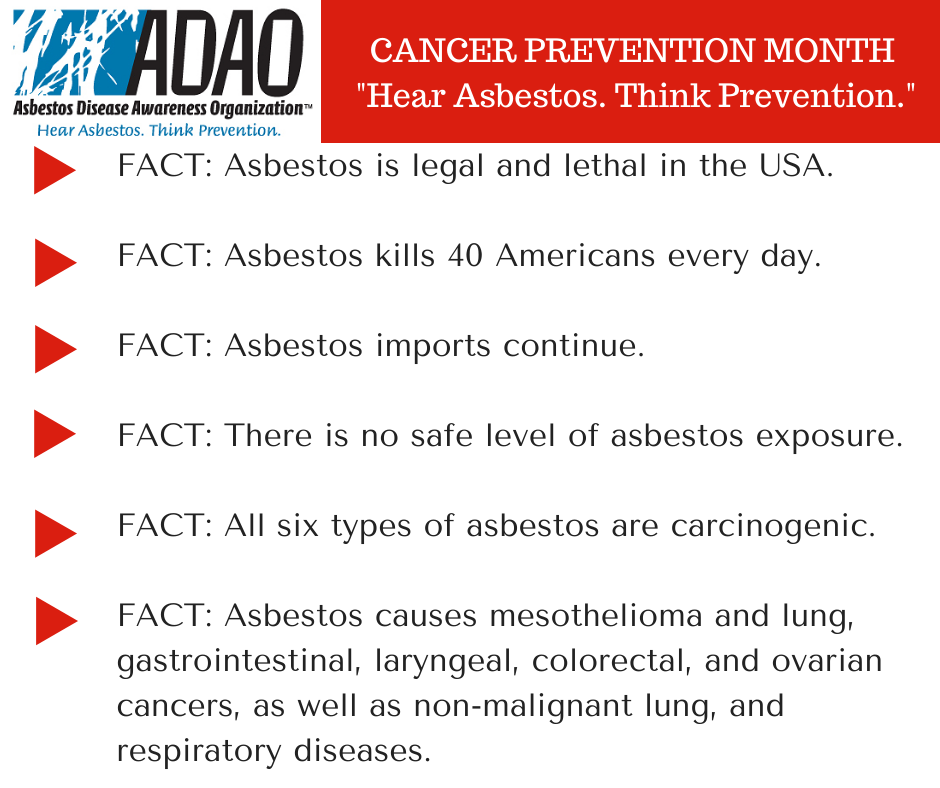
There are six main types of asbestos, classified based on their mineral composition. These types include chrysotile, amosite, crocidolite, tremolite, anthophyllite, and actinolite. Chrysotile, commonly known as white asbestos, is the most commonly used type and accounts for about 95% of asbestos found in buildings.
Common uses of asbestos
Asbestos has been used in a wide range of industries and products due to its desirable properties. It was commonly used as insulation for buildings, homes, and factories, as well as in roofing materials, floor tiles, joint compounds, and cement products. Other uses included fireproof clothing, automotive parts, and even filters for gas masks.
Understanding asbestos-induced cancer
Causes of asbestos-induced cancer
Asbestos-induced cancer occurs when microscopic asbestos fibers are inhaled or ingested and become trapped in the body’s tissues. Over time, these fibers can cause inflammation, scarring, and genetic damage to the cells, leading to the development of cancer. The exact mechanism by which asbestos causes cancer is still not completely understood, but it is believed that the fibers trigger chronic inflammation and DNA damage, ultimately leading to the development of tumors.
Symptoms of asbestos-induced cancer
The symptoms of asbestos-induced cancer may vary depending on the type of cancer and the stage of the disease. Common symptoms include persistent coughing, chest pain, shortness of breath, fatigue, unexplained weight loss, and difficulty swallowing. These symptoms are often nonspecific and can be mistaken for other respiratory or gastrointestinal conditions, making early detection and diagnosis crucial.
Diagnosis of asbestos-induced cancer
The diagnosis of asbestos-induced cancer typically involves a combination of medical history, physical examination, imaging tests (such as X-rays or CT scans), and biopsy. A biopsy, which involves the removal and examination of a tissue sample, is the most definitive way to confirm the presence of cancerous cells. Additional tests, such as blood tests and pulmonary function tests, may also be conducted to assess the extent of the disease and determine the most appropriate treatment options.

Major types of asbestos-related cancers
Mesothelioma
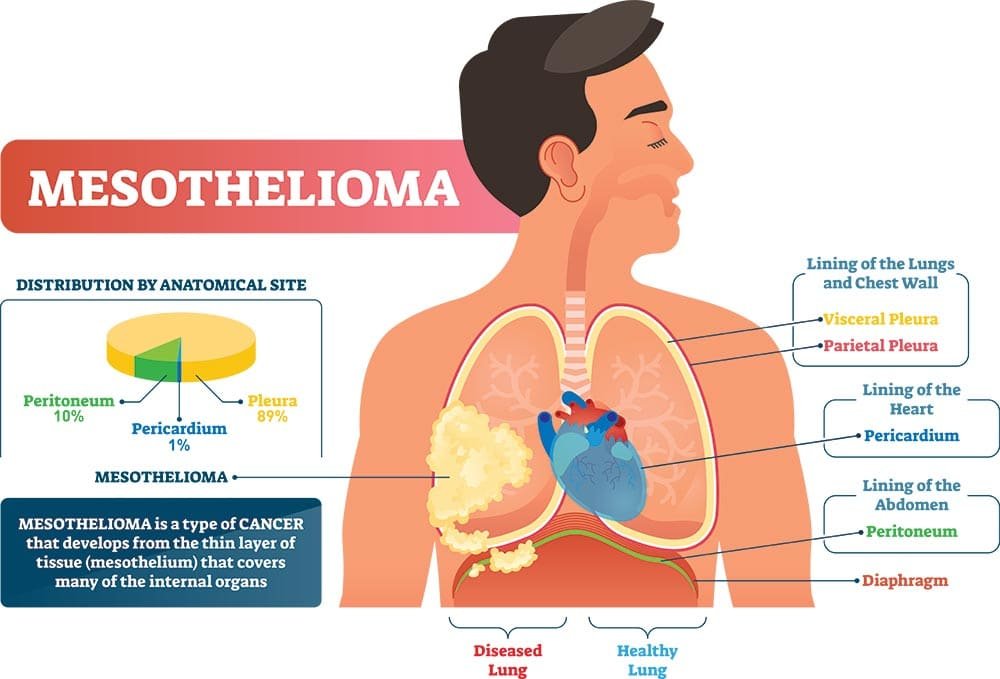
Mesothelioma is a rare and aggressive cancer that primarily affects the thin lining of the lungs, abdomen, and heart. It is almost exclusively caused by asbestos exposure and has a long latency period, meaning it can take several decades for symptoms to appear after exposure. Treatment options for mesothelioma may include surgery, chemotherapy, radiation therapy, and targeted therapy, but the prognosis is often poor due to the advanced stage at which it is typically diagnosed.
Lung cancer
Asbestos exposure is also a major risk factor for lung cancer, particularly in individuals who are already smokers or have a history of heavy smoking. The symptoms of asbestos-related lung cancer can be similar to those of other types of lung cancer and may include persistent cough, chest pain, wheezing, and coughing up blood. Treatment options for asbestos-related lung cancer include surgery, chemotherapy, radiation therapy, and targeted therapy.
Asbestosis
Asbestosis is a chronic lung disease that occurs as a result of prolonged exposure to asbestos fibers. It is characterized by the scarring and inflammation of lung tissue, which can lead to difficulty breathing, coughing, chest pain, and respiratory complications. While there is no cure for asbestosis, treatment focuses on managing symptoms and improving lung function through medications and supportive care.
Ovarian cancer
Although less common than mesothelioma and lung cancer, asbestos exposure has also been linked to an increased risk of ovarian cancer. The exact mechanism by which asbestos affects the ovaries is still not fully understood, but studies have shown a correlation between asbestos exposure and the development of this form of cancer. Symptoms of asbestos-related ovarian cancer may include abdominal pain, bloating, changes in bowel habits, and pelvic discomfort. Treatment options may include surgery, chemotherapy, radiation therapy, and targeted therapy.
Laryngeal cancer
Exposure to asbestos has also been associated with an increased risk of laryngeal cancer, which affects the voice box or the vocal cords. Common symptoms of asbestos-related laryngeal cancer include hoarseness, throat pain, difficulty swallowing, and the presence of a persistent lump in the neck. Treatment options for laryngeal cancer may include surgery, radiation therapy, chemotherapy, and targeted therapy.
Exposure to asbestos
Occupational exposure
Occupational exposure to asbestos is a significant concern, as certain occupations and industries have historically involved working with asbestos-containing materials. Workers in construction, mining, shipbuilding, automotive manufacturing, and insulation installation are particularly at risk of asbestos exposure. The inhalation of asbestos fibers in these work environments can lead to long-term health effects, including the development of asbestos-related cancers.
Environmental exposure
While occupational exposure is a primary concern, individuals can also be exposed to asbestos in their environment. The demolition or renovation of buildings that contain asbestos-containing materials can release the fibers into the air, putting nearby residents at risk. Additionally, naturally-occurring asbestos deposits in specific geographic areas can pose a long-term risk to the local population. Efforts to minimize environmental exposure include proper asbestos removal and remediation procedures.
Secondary exposure
Secondary exposure occurs when individuals come into contact with asbestos fibers brought home by someone who has been occupationally exposed. For example, family members of asbestos workers may be exposed to asbestos through the fibers brought home on work clothes or equipment. This type of exposure can also occur in public places, such as schools or community centers, where individuals may come into contact with asbestos fibers brought in from outside sources.
High-risk occupations and industries
Construction industry
Workers in the construction industry, including carpenters, electricians, plumbers, and demolition workers, are at a high risk of asbestos exposure. Older buildings, particularly those constructed before the 1980s, may contain asbestos in various materials such as insulation, roofing, flooring, and cement products. Proper safety precautions such as wearing personal protective equipment and following asbestos removal guidelines are crucial in minimizing exposure.
Mining industry
Miners involved in the extraction of naturally-occurring asbestos are at an elevated risk of asbestos exposure. These workers can be exposed to high levels of asbestos fibers during the mining process, leading to increased risks of developing asbestos-related diseases. Strict occupational health and safety measures, along with regular monitoring and testing, are essential in protecting miners from unnecessary exposure.
Shipbuilding industry
The shipbuilding industry has a long history of asbestos use due to the material’s heat-resistant properties. Shipbuilders, repairers, and sailors are at an increased risk of asbestos exposure through the use of asbestos-containing insulation, pipes, gaskets, and other materials. Proper containment, removal, and disposal protocols should be followed to prevent asbestos fibers from becoming airborne and endangering workers.
Automotive industry
Workers in the automotive industry, particularly those involved in brake and clutch repair, may be exposed to asbestos fibers. In the past, asbestos was commonly used in brake pads and linings due to its heat resistance properties. Although the use of asbestos in automotive parts has significantly decreased, older vehicles may still contain asbestos, posing a risk to mechanics and other automotive workers.
Insulation industry
Workers in the insulation industry, such as insulators and pipefitters, are exposed to high levels of asbestos fibers during the installation and removal of insulation materials. Asbestos was commonly used for its insulating properties, making this industry particularly high-risk for exposure. Proper training, protective equipment, and compliance with safety regulations are crucial in preventing unnecessary exposure.
Health effects of asbestos exposure
Short-term health effects
Short-term exposure to asbestos can lead to a range of respiratory symptoms, such as coughing, wheezing, shortness of breath, and chest discomfort. These symptoms typically resolve once the exposure is discontinued and the body is no longer exposed to asbestos fibers. However, repeated or prolonged exposure can increase the risk of long-term health effects and the development of asbestos-related diseases.
Long-term health effects
Long-term exposure to asbestos can have severe and potentially life-threatening health effects. Asbestos-related diseases, especially mesothelioma, lung cancer, and asbestosis, typically develop after a latency period of 20 to 50 years. These diseases can significantly impact lung function, quality of life, and overall life expectancy. Timely diagnosis and appropriate medical interventions are crucial in managing these long-term health effects.
Risk factors for developing asbestos-related cancer
Several factors can contribute to an individual’s risk of developing asbestos-related cancer. The duration and intensity of asbestos exposure, as well as the type of asbestos fibers encountered, play a significant role. Other factors, such as smoking, can also increase the risk of developing lung cancer in individuals exposed to asbestos. Additionally, genetic factors may influence an individual’s susceptibility to asbestos-induced cancer.
Prevention and risk reduction strategies
Workplace safety measures
Implementing stringent workplace safety measures is crucial in reducing the risk of asbestos exposure. This includes proper training for workers, adherence to safety protocols and guidelines during asbestos handling and removal, and regular monitoring of air quality in areas where asbestos is present. Employers must provide adequate personal protective equipment (PPE), such as respirators and protective clothing, and ensure that workers understand how to use them correctly.
Regulatory measures
Governmental regulations and policies play a vital role in minimizing asbestos-related health risks. Strict regulations on the use, handling, and disposal of asbestos help to protect workers and the general public from unnecessary exposure. Efforts to enforce these regulations, such as inspections and penalties for non-compliance, are essential in ensuring the safety of those at risk.
Asbestos removal and remediation
Proper removal and remediation procedures are necessary when dealing with asbestos-containing materials. Professional asbestos removal contractors with specialized training and equipment should be employed to safely remove and dispose of asbestos materials. Encapsulation or encapsulation techniques may be employed to minimize the release of asbestos fibers during renovation or demolition projects.
Personal protective equipment
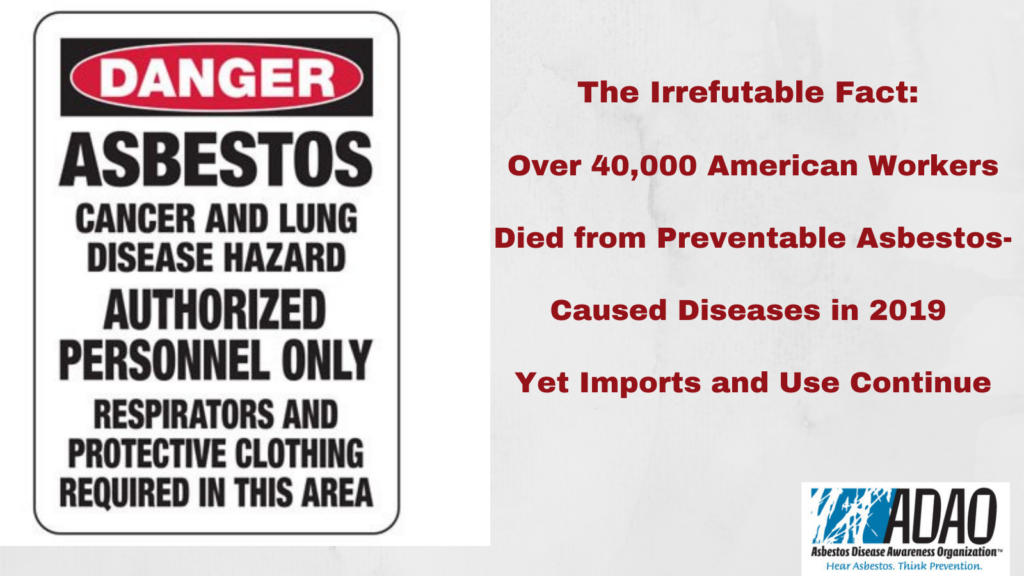
Personal protective equipment (PPE) is crucial in reducing the risk of asbestos exposure. Respirators fitted with high-efficiency particulate air (HEPA) filters can help to filter out asbestos fibers and prevent their inhalation. Protective clothing, such as coveralls, gloves, and shoe covers, should also be worn to prevent asbestos fibers from adhering to the skin and being transported elsewhere.
Legal aspects and compensation
Laws and regulations regarding asbestos
Several countries have established laws and regulations to govern the use, handling, and removal of asbestos. These laws vary but generally aim to minimize asbestos-related health risks and protect workers and the general public. Regulations may include requirements for asbestos inspections, safe handling practices, and occupational exposure limits. It is essential for individuals and organizations to be aware of and comply with these laws to ensure the safety of all parties involved.
Compensation for asbestos victims
Individuals diagnosed with asbestos-related diseases may be eligible for compensation to help cover medical expenses, loss of income, and other related costs. Compensation can be sought through lawsuits against asbestos manufacturers, employers, and other responsible parties. It is essential for asbestos victims to seek legal advice and assistance to determine the best course of action and understand their rights in pursuing compensation.
Importance of legal advice and support
Navigating the legal processes associated with asbestos-related diseases can be complex and challenging. Asbestos victims and their families are encouraged to seek legal advice and support to ensure their rights are protected and that they have access to the appropriate compensation. Specialized asbestos lawyers can provide guidance and representation throughout the legal proceedings, taking into account the unique circumstances of each case.
Support and resources for asbestos-related cancer
Medical support and treatments
Individuals diagnosed with asbestos-related cancer can benefit from a range of medical treatments and support. This may include specialized medical teams experienced in the diagnosis and treatment of asbestos-related diseases, such as mesothelioma. Treatment options may include surgery, chemotherapy, radiation therapy, targeted therapy, and immunotherapy. Palliative care and supportive treatments can also help manage symptoms and improve quality of life.
Support groups and counseling services
Support groups and counseling services play a vital role in providing emotional support, information, and resources to individuals and families affected by asbestos-related cancers. These groups can help individuals connect with others who have similar experiences, share coping strategies, and provide a safe space to discuss concerns and challenges. Professional counseling services can also help individuals and families navigate the emotional impact of the diagnosis and treatment journey.
Online resources and information
There are numerous online resources and information websites dedicated to raising awareness about asbestos-related cancer. These websites provide valuable information on the latest research, treatment options, support resources, and legal aspects of asbestos-related diseases. They can serve as a comprehensive guide for individuals seeking information, support, or assistance regarding asbestos-related cancers.
Global efforts and initiatives
International asbestos bans and regulations
Many countries have taken steps to ban or strictly regulate the use of asbestos due to its recognized health risks. Some countries have completely banned asbestos, while others have established comprehensive regulations to minimize exposure and protect workers. International efforts, such as the Rotterdam Convention and the World Health Organization’s campaign to eliminate asbestos-related diseases, aim to encourage global initiatives and raise awareness about the dangers of asbestos.
Advocacy organizations and campaigns
Numerous advocacy organizations and campaigns work tirelessly to raise awareness about asbestos-related cancer and support affected individuals and their families. These organizations actively engage in promoting asbestos bans, advocating for legislative changes, and providing support services. Their efforts include public awareness campaigns, research funding, patient support programs, and lobbying for stricter regulations and protections.
Research and advancements
Ongoing research and advancements in the field of asbestos-related cancer are crucial in understanding the disease and developing more effective treatment options. Research initiatives focus on improving early detection methods, developing targeted therapies, and identifying ways to mitigate the health effects of asbestos exposure. Collaboration between scientists, clinicians, and advocacy organizations aims to drive progress in the prevention, diagnosis, and treatment of asbestos-related cancers.
In conclusion, raising awareness about asbestos-induced cancer is essential to protect individuals from the serious health risks associated with asbestos exposure. Understanding the definition, types, and common uses of asbestos, as well as the causes, symptoms, and diagnosis of asbestos-induced cancer, is crucial in promoting early detection and appropriate medical interventions. Recognizing the major types of asbestos-related cancers and high-risk occupations and industries helps identify those most vulnerable and in need of targeted prevention measures. Implementing prevention and risk reduction strategies, complying with legal regulations, and seeking support from various resources and initiatives are vital in minimizing the impact of asbestos-related cancer on individuals, families, and communities worldwide.