
Asbestos cancer is a serious health concern that continues to affect individuals worldwide. In this article, you will discover essential facts that can help you prevent the development of this devastating disease. By understanding the dangers of asbestos exposure, recognizing potential risks, and implementing effective prevention strategies, you have the power to safeguard your health and the well-being of those around you. Stay informed and take proactive steps towards preventing asbestos cancer.
What is asbestos?
Definition
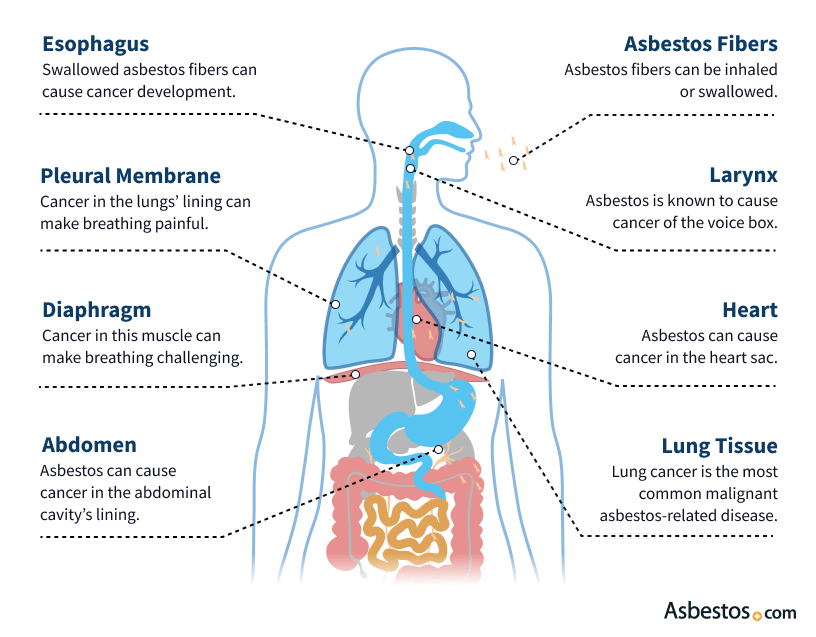
Asbestos is a naturally occurring mineral composed of long, thin fibers. These fibers are resistant to heat, fire, and chemicals, making asbestos a highly useful material in various industries. Due to its unique properties, asbestos has been widely used in building materials, insulation, textiles, and automotive parts for many decades. However, despite its benefits, asbestos is also a known carcinogen, meaning it can cause cancer when inhaled or ingested.
Types of asbestos
There are six primary types of asbestos, each classified based on their unique fiber composition. These types include chrysotile, amosite, crocidolite, tremolite, actinolite, and anthophyllite. Chrysotile, also known as white asbestos, is the most common and widely used form of asbestos due to its flexibility and heat resistance. Amosite and crocidolite, also known as brown and blue asbestos respectively, were commonly used in insulation products. Tremolite, actinolite, and anthophyllite are less common but can still pose health risks.
How asbestos causes cancer
Inhalation and ingestion
The main route of exposure to asbestos fibers is through inhalation. When asbestos-containing materials are disturbed, such as during renovation or demolition, microscopic fibers are released into the air and can be easily inhaled. Once inhaled, these fibers can become lodged in the lungs and other organs, leading to long-term health complications, including cancer. Additionally, asbestos fibers can also be ingested if they contaminate food or water sources in environments where asbestos is present.
Mechanism of action
Asbestos fibers are small and sharp, allowing them to penetrate deep into the lungs, where they can cause damage to the cells and tissues. Over time, the fibers can trigger chronic inflammation, scarring, and genetic mutations, ultimately leading to the development of cancer. The exact mechanisms by which asbestos causes cancer are still not fully understood, but it is believed that the fibers interact with cellular DNA, disrupt cell signaling pathways, and impair the immune system’s ability to recognize and eliminate abnormal cells.
Types of asbestos-related cancer
Mesothelioma
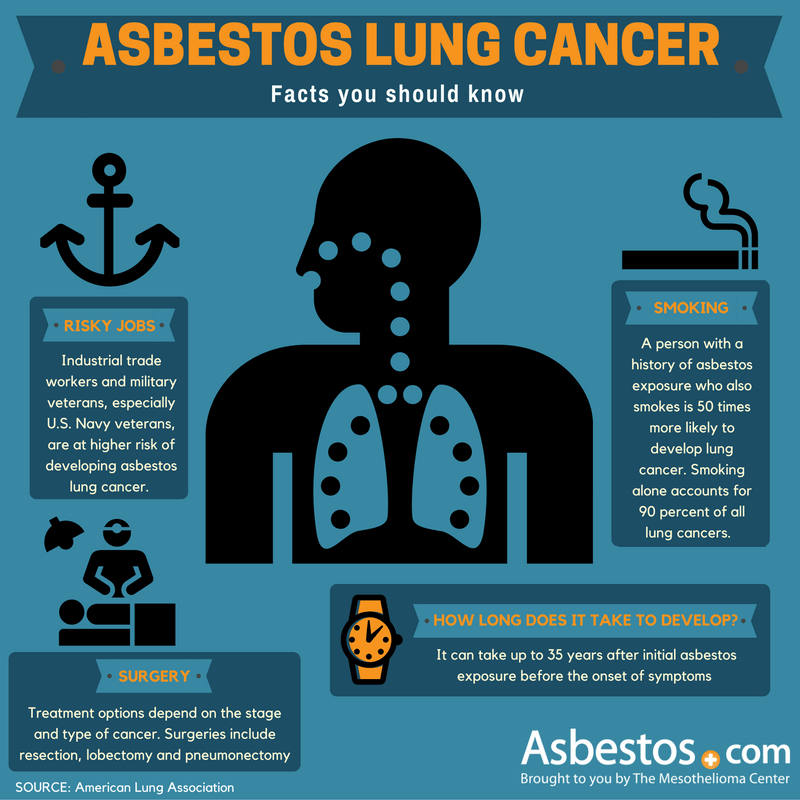
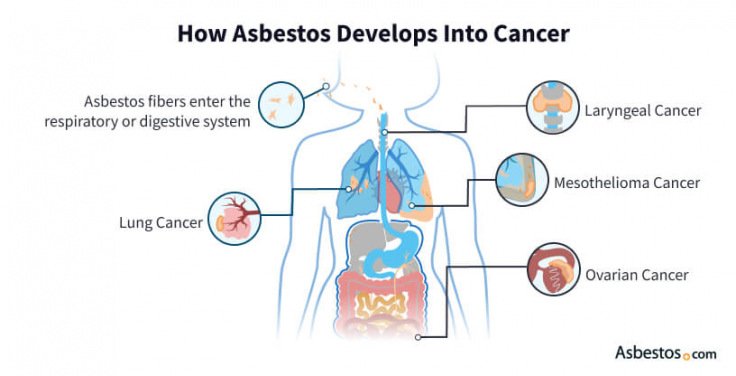
Mesothelioma is a rare form of cancer that primarily affects the lining of the lungs, abdomen, or heart. It is almost exclusively caused by asbestos exposure. The long latency period of mesothelioma, typically ranging from 20 to 50 years, makes it challenging to diagnose and treat at an early stage. Common symptoms include chest pain, shortness of breath, weight loss, and abdominal swelling. Unfortunately, mesothelioma is often diagnosed in advanced stages, leading to a poor prognosis.
Lung cancer
Asbestos exposure is also a significant risk factor for lung cancer, especially in individuals who are also smokers. The combination of smoking and asbestos exposure significantly increases the likelihood of developing lung cancer. The symptoms of asbestos-induced lung cancer are similar to those of lung cancer unrelated to asbestos, including persistent cough, chest pain, and difficulty breathing. Early detection and cessation of smoking are crucial in improving the outcomes for individuals with asbestos-related lung cancer.
Ovarian cancer
There is some evidence suggesting a potential link between asbestos exposure and ovarian cancer. However, the association is not as well-established as it is for mesothelioma and lung cancer. Researchers believe that asbestos fibers can reach the ovaries through the bloodstream or by migrating from the lungs to the abdomen. Further studies are needed to fully understand the relationship between asbestos exposure and ovarian cancer.
Laryngeal cancer
Exposure to asbestos has also been implicated as a risk factor for laryngeal cancer, which affects the voice box. The exact mechanisms through which asbestos contributes to the development of laryngeal cancer are still being investigated. Common symptoms include hoarseness, difficulty swallowing, and throat pain. Early detection of laryngeal cancer is vital for successful treatment, often involving a combination of surgery, radiation therapy, and chemotherapy.
Occupational exposure to asbestos
Industries at risk
While asbestos exposure can occur in various settings, certain industries have historically posed a higher risk due to the widespread use of asbestos-containing materials. Construction, shipbuilding, manufacturing, and mining industries are among the most prominent sectors where workers have been exposed to asbestos fibers. Additionally, firefighters, plumbers, electricians, and maintenance personnel who work in older buildings may also face elevated risks.
Occupations at risk
Within these industries, specific occupations are at higher risk of asbestos exposure. Workers directly involved in the manufacturing, installation, removal, or repair of asbestos-containing materials face the greatest risks. This includes construction workers, insulators, pipefitters, plumbers, firefighters, shipyard workers, and mechanics. It is essential for employers to prioritize workplace safety and comply with asbestos regulations to protect workers from exposure.
Non-occupational exposure to asbestos
Environmental exposure
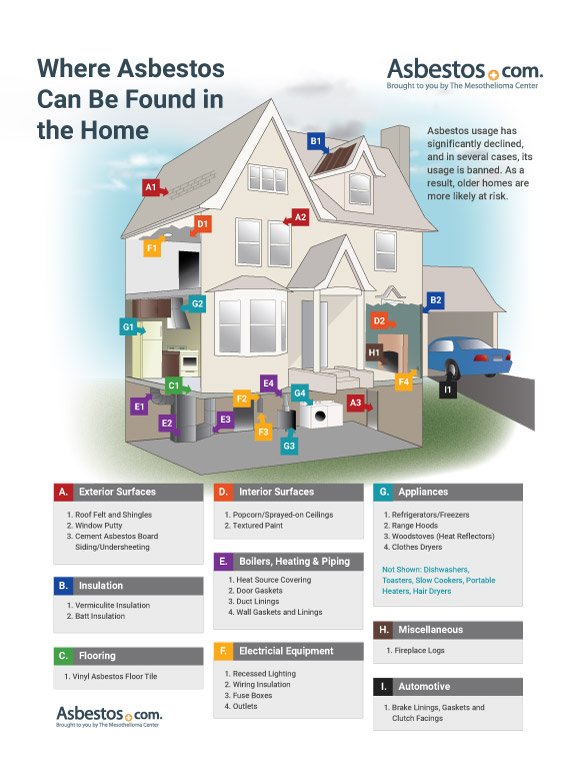
While occupational exposure is a significant concern, non-occupational exposure to asbestos is also possible. Individuals living near asbestos mines or manufacturing plants may be exposed to higher levels of asbestos fibers in the air. Additionally, residents in older homes or buildings with deteriorating asbestos-containing materials may unknowingly inhale asbestos fibers. Environmental exposure can pose risks not only to individuals directly exposed but also to their family members through secondary exposure.
Secondary exposure
Secondary exposure to asbestos occurs when individuals come into contact with asbestos fibers carried on the clothing, skin, or hair of individuals who work in industries with a high risk of occupational asbestos exposure. For example, family members of workers who handle asbestos may be inadvertently exposed to asbestos fibers brought home on work clothes. Secondary exposure can also occur in public places where asbestos fibers may be present, such as schools or public transportation.
Preventing asbestos exposure
Regulations and guidelines
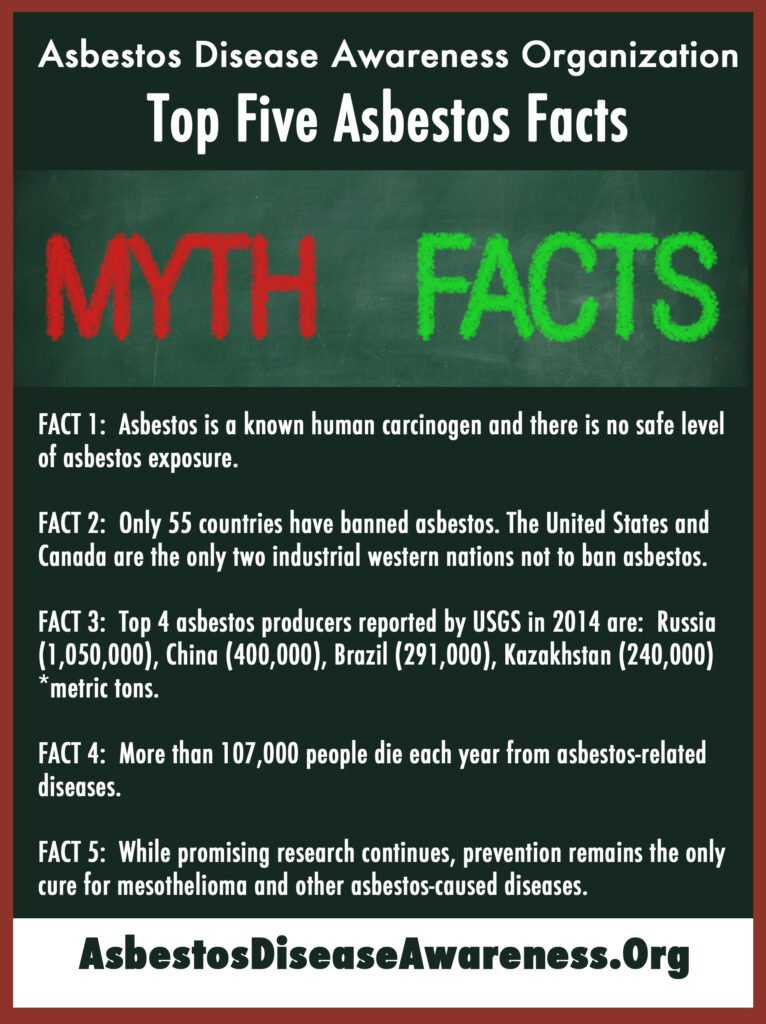
To minimize asbestos-related health risks, strict regulations and guidelines have been implemented in many countries. These regulations focus on proper handling, removal, and disposal of asbestos-containing materials, as well as the protection of workers in high-risk industries. It is important for employers, employees, and the general public to stay informed about these regulations and follow recommended safety practices to prevent asbestos exposure.
Personal protective equipment
When working in environments where asbestos exposure is possible, personal protective equipment (PPE) should be used to minimize the risk of inhalation or ingestion of asbestos fibers. Respirators, gloves, disposable coveralls, and safety goggles are some of the essential PPE items that can provide effective protection. Proper training in the use of PPE is crucial to ensure their correct and consistent use.
Safe handling and removal
Safe handling and removal of asbestos-containing materials require specialized knowledge and proper techniques. It is advised to hire licensed asbestos professionals for the assessment, abatement, and disposal of asbestos materials. These professionals are trained to handle asbestos safely and follow established procedures to minimize the release of asbestos fibers during removal. DIY attempts to remove asbestos can lead to unintended exposure and should be avoided.
Early detection and diagnosis
Symptoms
Early detection of asbestos-related cancers is challenging due to the long latency period between exposure and the onset of symptoms. However, being aware of potential symptoms and seeking medical attention can lead to earlier diagnosis and improved outcomes. Symptoms may vary depending on the specific type of cancer but can include persistent cough, shortness of breath, chest pain, abdominal swelling, hoarseness, difficulty swallowing, and weight loss. It is important to consult a healthcare professional if these symptoms persist or worsen.
Screening methods
Screening for asbestos-related cancers, such as mesothelioma and lung cancer, is not currently recommended for the general population due to the lack of effective screening methods. However, individuals with a known history of asbestos exposure or who are at high risk due to occupational or environmental factors may undergo specific screening tests, such as chest X-rays or CT scans, to detect any early signs of disease. These screenings should be done in consultation with a healthcare professional.
Diagnostic procedures
If cancer is suspected, further diagnostic procedures are necessary to confirm the presence of asbestos-related cancer. These procedures may include imaging tests, such as CT scans or PET scans, as well as biopsies to obtain tissue samples for examination. Pathologists can analyze these samples to determine the presence of cancer cells and their characteristics, helping to guide treatment decisions.
Treatment options
Surgery
Surgery is a common treatment option for asbestos-related cancer, particularly for early-stage disease. The type and extent of surgery depend on the specific cancer type and its stage. Surgical procedures may involve the removal of tumors, affected organs, or nearby lymph nodes. In some cases, surgery may be used to relieve symptoms and improve quality of life rather than aiming for a cure.
Chemotherapy
Chemotherapy uses powerful drugs to destroy cancer cells or slow down their growth. It is often used as a primary treatment or in combination with other therapies for more advanced cases of asbestos-related cancer. Chemotherapy drugs can be administered orally, intravenously, or directly into the affected area, depending on the specific treatment plan. The side effects of chemotherapy can vary but may include fatigue, hair loss, nausea, and lowered blood cell counts.
Radiation therapy
Radiation therapy involves the use of high-energy beams to target and destroy cancer cells. It can be used before surgery to shrink tumors, after surgery to eliminate remaining cancer cells, or as a palliative treatment to relieve symptoms. Radiation therapy is often well-tolerated, but side effects may include fatigue, skin changes, and localized discomfort.
Immunotherapy
Immunotherapy is an innovative treatment approach that harnesses the body’s immune system to recognize and attack cancer cells. It can be used as a targeted therapy for certain types of asbestos-related cancer, particularly in cases where other treatment options have been unsuccessful. Immunotherapy drugs work by blocking specific pathways that cancer cells use to evade detection by the immune system. While immunotherapy can offer significant benefits, it is not suitable for all patients and may have unique side effects.
Supportive care and rehabilitation
Palliative care
Palliative care focuses on improving the quality of life for individuals with asbestos-related cancers, particularly in advanced stages or when curative treatments are no longer effective. Palliative care aims to address physical symptoms, such as pain and shortness of breath, as well as emotional, psychological, and spiritual needs. A multidisciplinary team of healthcare professionals, including doctors, nurses, social workers, and counselors, can provide comprehensive palliative care services.
Physical therapy
Physical therapy can play a crucial role in addressing functional limitations and improving mobility for individuals with asbestos-related cancers. Physical therapists can develop personalized exercise programs, provide pain management strategies, and help patients regain strength and flexibility. Physical therapy can also assist in managing treatment side effects, such as muscle weakness or mobility issues.
Psychological support
Dealing with asbestos-related cancers can be emotionally challenging for both patients and their loved ones. Psychological support, including counseling and support groups, can offer a valuable source of comfort, encouragement, and coping strategies. Mental health professionals experienced in cancer care can provide individual therapy or facilitate group sessions to address the emotional impact of a cancer diagnosis and the various stages of treatment.
Prognosis and survival rates
Factors affecting prognosis
Several factors can influence the prognosis of individuals with asbestos-related cancers. The specific type and stage of cancer, age, overall health, and response to treatment all play a role in determining outcomes. Unfortunately, asbestos-related cancers are often diagnosed at advanced stages, which can reduce the chances of successful treatment and overall survival. However, advancements in early detection methods and treatment options offer hope for improved outcomes in the future.
Survival rates
Survival rates for asbestos-related cancers vary depending on the type of cancer and the stage at diagnosis. Mesothelioma, for example, has a generally poor prognosis, with average survival rates ranging from 12 to 22 months. Lung cancer survival rates also depend on the stage at diagnosis, ranging from around 56% for localized disease to 5% for metastatic lung cancer. Ovarian cancer and laryngeal cancer survival rates also differ based on various factors, making individual prognosis difficult to generalize.
In conclusion, asbestos exposure poses significant risks to human health, with various types of cancer being closely linked to its inhalation or ingestion. Understanding the different types of asbestos-related cancers, potential exposure sources, and preventive measures is crucial. By following regulations, using personal protective equipment, and seeking early detection and treatment, it is possible to minimize the impact of asbestos-related cancers and improve overall outcomes for those affected.