
In the ongoing fight against MERS-CoV, global efforts and strategies have emerged to combat this deadly virus. As healthcare organizations and governments worldwide unite, their aim is to limit the transmission and impact of MERS-CoV. By implementing rigorous testing, monitoring, and contact tracing, experts are determined to identify and isolate cases promptly. Additionally, initiatives focused on public awareness and education are crucial to prevent the spread of misinformation and promote safe practices. Through collaborative efforts and a united front, the world is working together to tackle the challenges posed by MERS-CoV and protect the health and well-being of individuals worldwide.
Overview of MERS-CoV
Definition of MERS-CoV
MERS-CoV, short for Middle East Respiratory Syndrome Coronavirus, is a viral respiratory illness that was first identified in 2012 in Saudi Arabia. It is caused by a novel coronavirus known as MERS-CoV, which is part of the same family as the virus responsible for the Severe Acute Respiratory Syndrome (SARS) outbreak in 2003. MERS-CoV can cause severe respiratory symptoms and has a high fatality rate.
History of MERS-CoV
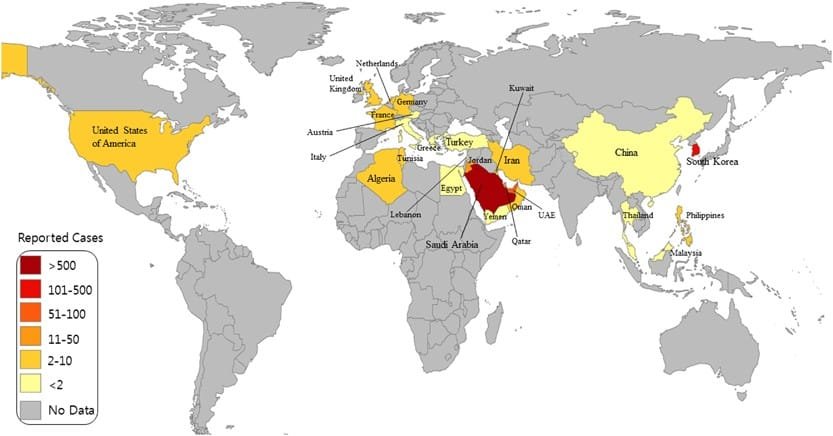
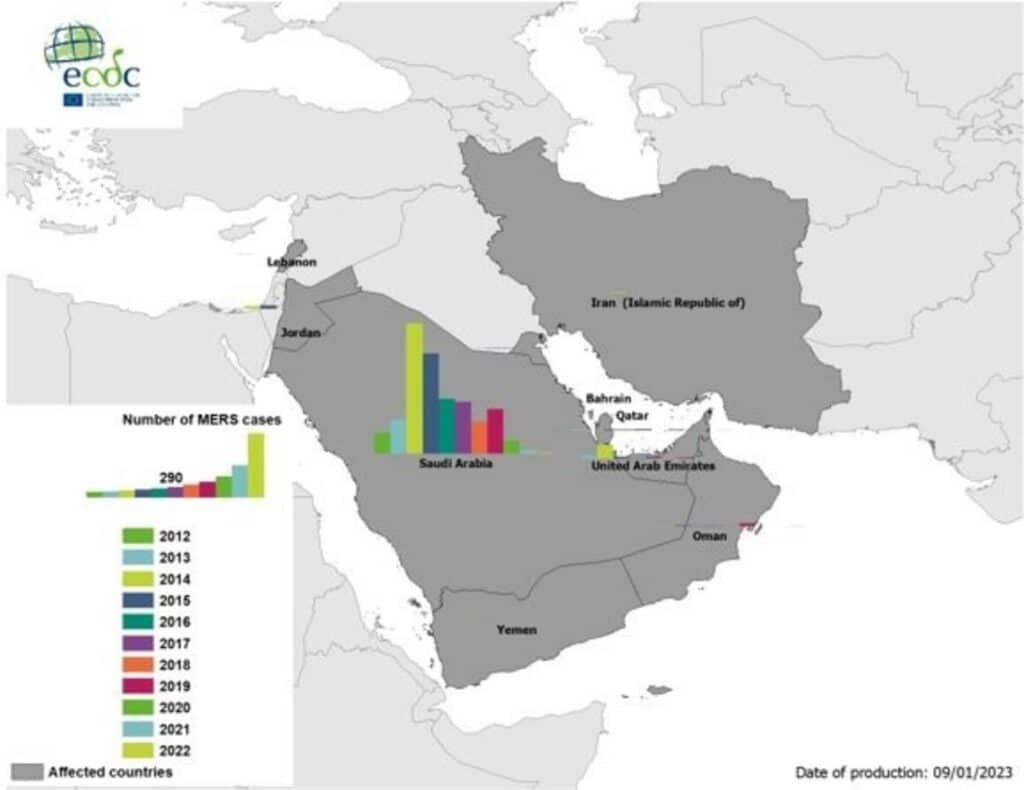
MERS-CoV was first reported in Saudi Arabia, but cases have since been identified in many other countries across the globe. The virus likely originated in bats and was transmitted to humans through intermediate animal hosts such as camels. The first known human cases of MERS-CoV occurred in individuals who had been in close contact with camels or had visited camel farms.
Current global impact of MERS-CoV
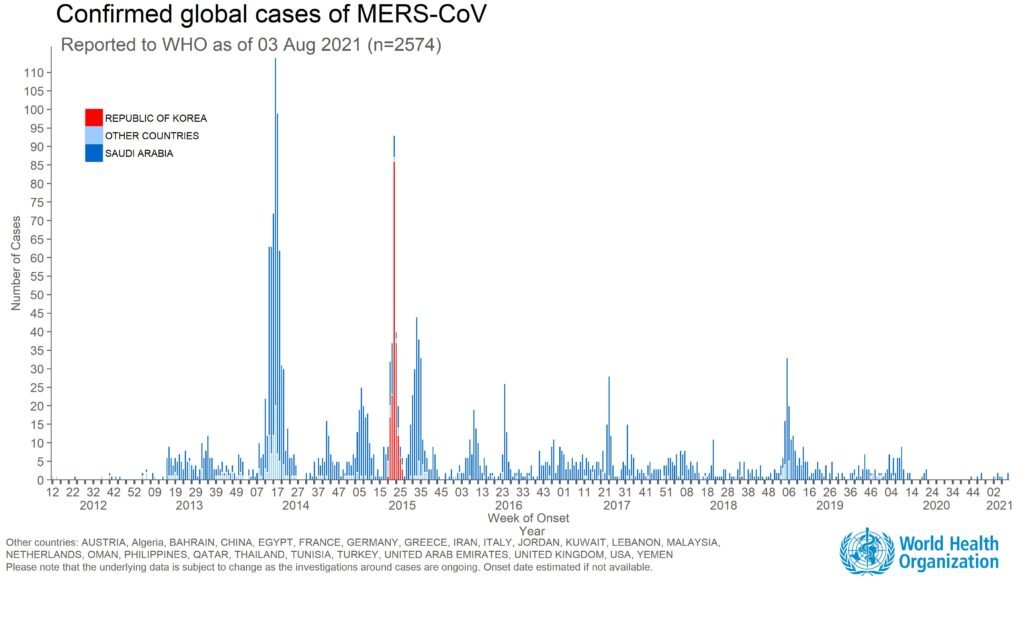
While MERS-CoV does not spread easily from person to person, it has caused notable outbreaks in healthcare settings, particularly in the Middle East. The virus has also been exported to other countries through travel, leading to sporadic cases and small clusters of infection. Despite its relatively low transmission rate, MERS-CoV remains a global concern due to its potential for causing severe illness and the high mortality rate associated with it.
Global Surveillance and Monitoring
Role of World Health Organization (WHO)
The World Health Organization (WHO) plays a crucial role in global surveillance and monitoring of MERS-CoV. It provides guidance to member states on surveillance strategies and case definitions, as well as coordinating efforts to detect and respond to outbreaks. WHO also collaborates with partners to enhance laboratory capacity and shares information on the global MERS-CoV situation through regular updates.
MERS-CoV reporting and case definitions
To ensure standardized reporting, WHO has established case definitions for MERS-CoV to facilitate accurate identification and classification of cases. These definitions are regularly reviewed and updated based on scientific evidence and evolving understanding of the virus. Timely reporting of suspected and confirmed cases is essential for effective surveillance and response efforts.
International Health Regulations (IHR)
The International Health Regulations (IHR) are a legally binding global framework that aims to prevent and respond to the spread of infectious diseases across borders. Under the IHR, member states are required to report certain diseases, including MERS-CoV, to the WHO. This framework ensures timely information sharing and collaboration between countries, enabling a coordinated response to outbreaks.
Global MERS-CoV surveillance systems
In addition to the efforts led by WHO, many countries have established their own surveillance systems to monitor MERS-CoV. These systems involve the collection and analysis of data on suspected and confirmed cases, as well as contact tracing and monitoring of individuals who may have been exposed to the virus. These surveillance systems provide valuable information for public health authorities to detect and control outbreaks.
Prevention and Control Measures
Public health interventions
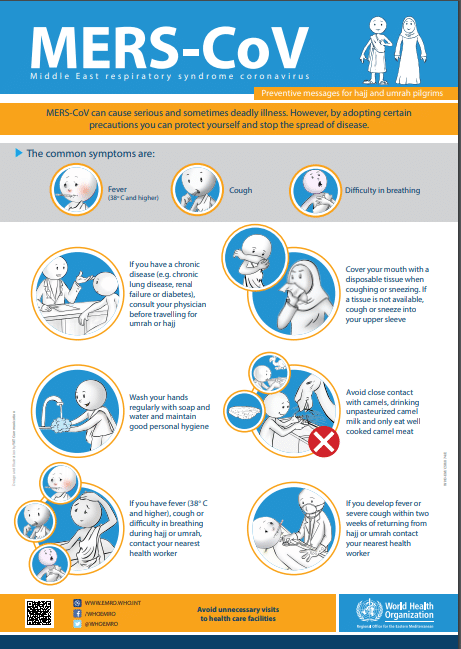
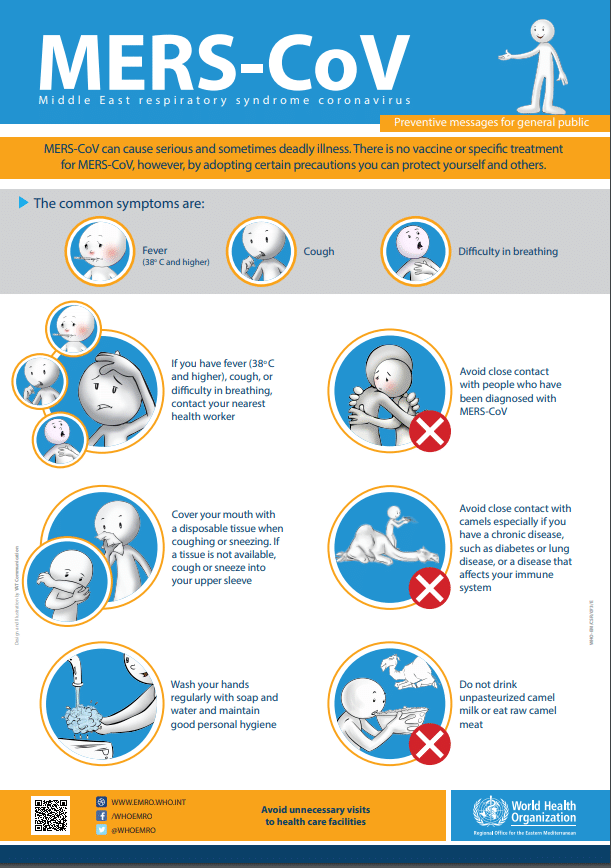
Public health interventions are crucial in preventing the spread of MERS-CoV. These include promoting good hygiene practices, such as regular handwashing and respiratory etiquette, as well as environmental sanitation. Public health organizations also implement measures to ensure the early detection and isolation of suspected cases, as well as contact tracing and monitoring to prevent further transmission.
Infection prevention and control in healthcare settings
Given the potential for outbreaks in healthcare settings, infection prevention and control measures are of utmost importance. This includes strict adherence to standard precautions, such as hand hygiene, wearing personal protective equipment (PPE), and proper waste management. Enhanced infection control measures, such as isolation of suspected cases and cohorting of confirmed cases, are also implemented to minimize the risk of transmission among healthcare workers and patients.
Risk communications and public awareness
Effective risk communication is essential in ensuring public awareness and understanding of MERS-CoV. Public health authorities work to provide accurate information about the virus, its transmission, and preventive measures to the general population. By promoting transparent and consistent communication, individuals can make informed decisions about their health and take appropriate measures to protect themselves and others.
Hygiene practices and personal protection
Promoting good hygiene practices among the general population is crucial in preventing the spread of MERS-CoV. This includes regular handwashing with soap and water or using alcohol-based hand sanitizers, especially before eating or touching the face. Additionally, individuals should practice respiratory hygiene, such as covering the mouth and nose with a tissue or elbow when coughing or sneezing.
Travel restrictions and advisories
Given the potential for MERS-CoV to be imported from affected areas, travel restrictions and advisories may be implemented by countries to minimize the risk of transmission. These measures include screening of travelers at airports and other points of entry, as well as providing information and recommendations to travelers regarding the current situation, preventive measures, and what to do if symptoms develop.
Research and Development of Vaccines and Therapeutics
Current research initiatives
Researchers around the world are actively involved in studying MERS-CoV to better understand its characteristics and develop effective interventions. This includes ongoing studies on the virus’s transmission dynamics, animal reservoirs, and the development of diagnostic tests. Collaborative efforts between scientists and public health agencies aim to improve our knowledge of the virus and develop effective preventive and therapeutic measures.
Vaccine development progress and challenges
The development of a vaccine against MERS-CoV is challenging due to the limited understanding of the virus and the absence of a licensed vaccine for human coronaviruses. However, significant progress has been made in recent years, with several vaccine candidates undergoing preclinical and clinical trials. Overcoming the challenges involved in vaccine development, including safety and efficacy concerns, remains a priority for researchers.
Therapeutics and antiviral drugs
In addition to vaccine development, efforts are underway to explore potential therapeutics and antiviral drugs for the treatment of MERS-CoV. Currently, there are no specific antiviral drugs approved for MERS-CoV, but researchers are investigating the effectiveness of existing antivirals against the virus. The development of novel therapeutics and the repurposing of existing drugs offer potential avenues for treating individuals with severe MERS-CoV infection.
Clinical trials and efficacy studies
Clinical trials and efficacy studies are critical for evaluating the safety and effectiveness of potential preventive and therapeutic interventions for MERS-CoV. These studies involve testing vaccines, antiviral drugs, and other interventions in human volunteers to determine their efficacy in preventing infection or treating individuals with MERS-CoV. The findings from these studies inform the development of evidence-based strategies for controlling the virus.
Collaboration and Cooperation among Countries
International partnerships and networks
Global cooperation and collaboration are essential in addressing the challenges posed by MERS-CoV. Many countries, international organizations, and research institutions collaborate through partnerships and networks to share information, resources, and expertise. These collaborative efforts facilitate the rapid exchange of knowledge and promote a coordinated response to outbreaks, thereby enhancing global preparedness and response capacity.
Sharing of information and research findings
Open and timely sharing of information and research findings is crucial in advancing our understanding and response to MERS-CoV. Scientists, public health agencies, and research institutions contribute to the global knowledge pool through publications, conferences, and online platforms. Transparent sharing of data and research findings enables collective learning and informs evidence-based decision-making at the global, regional, and national levels.
Joint response and resource allocation
In the face of a global health threat like MERS-CoV, joint response efforts and resource allocation are vital. Countries, international organizations, and donors work together to allocate financial and logistical resources to support surveillance, research, and response activities. Joint response initiatives promote equitable distribution of resources and ensure that affected countries have the capacity to detect cases, provide adequate healthcare, and implement necessary control measures.
Global health diplomacy
Global health diplomacy plays a crucial role in fostering cooperation and collaboration among countries in the response to MERS-CoV. Diplomatic efforts aim to establish and maintain strong relationships between nations, facilitating information sharing, resource mobilization, and the alignment of policies and strategies. By promoting dialogue and understanding, global health diplomacy contributes to a more coordinated and effective global response to outbreaks.
Lessons Learned from Previous Outbreaks and Pandemics
SARS-CoV and MERS-CoV similarities and differences
The experience gained from the SARS-CoV outbreak in 2003 has provided valuable lessons for responding to MERS-CoV. Both viruses belong to the same family and share similarities in terms of transmission routes and clinical manifestations. However, there are also important differences, such as the higher fatality rate associated with MERS-CoV and its ability to cause outbreaks in healthcare settings. Understanding these similarities and differences helps inform response strategies and interventions.
Impact of MERS-CoV on healthcare systems
MERS-CoV outbreaks have had a significant impact on healthcare systems, particularly in countries where they have occurred. The high transmissibility of the virus within healthcare settings has led to the amplification of outbreaks and the burdening of healthcare infrastructure. The experience gained from managing these outbreaks highlights the importance of strengthening healthcare systems, enhancing infection prevention and control measures, and ensuring the availability of adequate resources and trained personnel.
Lessons from global response to other pandemics
The global response to previous pandemics, such as the H1N1 influenza pandemic in 2009, has provided valuable insights into preparedness and response strategies. The importance of early detection, risk communication, and coordination among countries was highlighted during these events. Lessons learned from past pandemics have informed the response to MERS-CoV, emphasizing the need for global collaboration, investment in research and development, and the integration of response efforts into broader health systems.
Building resilient healthcare systems
The experience gained from managing MERS-CoV outbreaks underscores the importance of building resilient healthcare systems. This includes investing in infrastructure, human resources, and diagnostic capacity to swiftly detect and respond to emerging infectious diseases. Strengthening infection prevention and control measures, as well as risk communication and public awareness, are also crucial components of building resilient healthcare systems capable of effectively responding to future outbreaks.
National Strategies and Action Plans
Role of national health authorities and agencies
National health authorities and agencies play a critical role in coordinating and implementing strategies to combat MERS-CoV within their respective countries. They are responsible for surveillance, early detection, and reporting of cases, as well as the development and implementation of public health interventions. National authorities also collaborate with international partners, follow guidelines and recommendations from global health organizations, and allocate resources to support response efforts.
Development of national action plans
National action plans are essential tools in guiding a coordinated and effective response to MERS-CoV. These plans outline specific objectives, strategies, and activities to be undertaken at the national level, taking into account the country’s specific context and risk profile. National action plans cover various aspects, including surveillance, laboratory capacity, infection prevention and control measures, risk communication, and resource allocation.
Allocation of resources and implementation strategies
Allocating adequate resources to combat MERS-CoV is crucial for the successful implementation of strategies and interventions. National health authorities work to secure financial resources, equipment, and manpower necessary for surveillance, laboratory testing, infection prevention and control, and public health education. Implementation strategies involve mobilizing partners and stakeholders, training healthcare workers, and ensuring the availability of necessary supplies and infrastructure.
Continued Monitoring and Preparedness
Ongoing surveillance and early detection
Continued monitoring and early detection are key components of an effective response to MERS-CoV. Surveillance systems are essential for detecting and tracking cases, identifying trends and patterns, and assessing the effectiveness of control measures. Ongoing monitoring enables public health authorities to take timely action to prevent the spread of the virus and mitigate its impact.
Pandemic preparedness and response frameworks
Pandemic preparedness and response frameworks provide a blueprint for countries to enhance their capacity to respond to outbreaks like MERS-CoV. These frameworks involve the development of plans, protocols, and procedures for surveillance, laboratory testing, contact tracing, and risk communication. Preparedness efforts also include training and capacity building of healthcare workers, as well as simulation exercises to test response plans.
Training and capacity building
Continuous training and capacity building are essential for maintaining a skilled and prepared workforce to respond to MERS-CoV. Healthcare workers need to be equipped with up-to-date knowledge and skills in areas such as infection prevention and control, case management, and risk communication. Training programs can be conducted at the national, regional, and international levels to ensure a consistent and coordinated approach to MERS-CoV preparedness and response.
Funding and support for global initiatives
Sustained funding and support are critical for maintaining and strengthening global initiatives aimed at combating MERS-CoV. Governments, international organizations, and philanthropic entities contribute financial resources to support surveillance, research, response activities, and capacity building efforts. Adequate funding allows for the sustained implementation of prevention and control measures, the establishment of robust surveillance systems, and the development of effective vaccines and therapeutics.
Role of the Private Sector
Private sector engagement in MERS-CoV response
The private sector plays a crucial role in supporting the response to MERS-CoV. This includes the provision of financial resources, technical expertise, and logistical support. Private sector industries such as pharmaceutical companies, healthcare providers, and diagnostic laboratories contribute to surveillance, research, and the development of preventive measures. Collaboration between the public and private sectors enhances the collective capacity to combat MERS-CoV.
Pharmaceutical companies and production capacity
Pharmaceutical companies play a pivotal role in the development and production of vaccines, therapeutics, and diagnostic tools for MERS-CoV. These companies invest in research and development to identify effective interventions, conduct clinical trials, and scale up production capacity. Collaboration between pharmaceutical companies, regulatory agencies, and public health authorities ensures the availability of safe, effective, and affordable products to combat MERS-CoV.
Public-private partnerships for research and development
Public-private partnerships are essential for driving research and development efforts in the fight against MERS-CoV. These partnerships involve collaboration between academia, governments, non-profit organizations, and the private sector to pool resources, knowledge, and expertise. By leveraging the strengths and capabilities of each partner, public-private partnerships accelerate the development of vaccines, therapeutics, and other innovative solutions to combat MERS-CoV.
Technology and innovation in prevention and control
Technological advancements and innovation play a significant role in the prevention and control of MERS-CoV. This includes the development of rapid diagnostic tests, telemedicine solutions, and digital platforms for data management and surveillance. Innovative approaches, such as the use of mobile applications for risk communication and contact tracing, can enhance the effectiveness and reach of public health interventions. Collaboration with the private sector stimulates technological innovation to support the response to MERS-CoV.
Challenges and Future Directions
Global coordination and leadership
Ensuring global coordination and leadership in the response to MERS-CoV remains a challenge. Effective collaboration and communication between countries, international organizations, and research institutions are crucial to prevent the spread of the virus and minimize its impact. Coordinated efforts encompass surveillance, research, resource allocation, and the development of effective prevention and control strategies.
Addressing mistrust and misinformation
Addressing mistrust and misinformation is a significant challenge in combating MERS-CoV. Misinformation and rumors can undermine public health efforts and lead to the spread of fear and panic. Public health authorities need to proactively engage with communities, provide accurate and timely information, and address concerns and misconceptions. Transparent communication and access to reliable sources of information are essential in building trust and promoting compliance with preventive measures.
Health equity and access to healthcare services
Ensuring health equity and access to healthcare services is a critical challenge in the response to MERS-CoV. The impact of the virus is often disproportionately felt by marginalized and vulnerable populations. Efforts should be made to address underlying social determinants of health, strengthen healthcare systems, and provide equitable access to preventive measures, testing, and treatment. Achieving health equity is crucial in mitigating the impact of MERS-CoV and other infectious diseases.
Sustainable funding for long-term efforts
Securing sustainable funding for long-term efforts is essential in combating MERS-CoV. Public health systems and research institutions require consistent and sufficient financial resources to maintain surveillance systems, conduct research, and implement preventive and control measures. Governments, international organizations, and donors need to prioritize investments in preparedness, response capacity, and research and development to ensure sustained efforts in the fight against MERS-CoV.
Integration of MERS-CoV response into broader health systems
Integrating the response to MERS-CoV into broader health systems is a key consideration for long-term preparedness. Strengthening healthcare infrastructure, infection prevention and control measures, and surveillance systems benefits not only the response to MERS-CoV but also other infectious diseases and public health emergencies. Integration ensures a comprehensive and sustainable approach to health security, enabling countries to respond effectively to both known and emerging threats.
As the fight against MERS-CoV continues, global collaboration, research and development, and strengthening of health systems remain critical. By learning from past experiences, allocating resources effectively, and engaging the private sector, the international community can enhance preparedness, control the spread of MERS-CoV, and protect global health security.