Let’s talk about heartburn – that burning sensation in your chest and throat that can leave you feeling uncomfortable. But here’s the question: is it just a passing discomfort, or could it be a sign of something more serious? In this article, we’ll explore the causes of heartburn and why it’s important to pay attention to it. So, sit back and relax as we uncover the truth behind this common ailment and its potential implications for your health.
Common Symptoms of Heartburn
Heartburn is a condition that many people experience at some point in their lives. It is important to recognize the common symptoms of heartburn so that you can seek appropriate treatment if needed.
One common symptom of heartburn is a burning sensation in the chest. This can feel like a fiery or burning pain that starts in the upper abdomen and moves up into the chest. It is often described as a discomfort that rises from the stomach and can be quite uncomfortable.
Another symptom of heartburn is a sour taste in the mouth. This taste is often described as acidic or bitter, and it can linger even after eating or drinking. It is a result of stomach acid backing up into the esophagus, causing irritation and discomfort.
Difficulty swallowing is also a symptom of heartburn. This can feel like food is getting stuck in the throat or chest, making it difficult to swallow. It may also feel like there is a lump in the throat that won’t go away. This symptom should not be taken lightly and should be evaluated by a healthcare professional.
Coughing or hoarseness can also be symptoms of heartburn. When stomach acid irritates the throat and vocal cords, it can cause a chronic cough or hoarseness. This symptom is often worse at night or in the morning and may be accompanied by a sore throat.
Causes of Heartburn
Understanding the causes of heartburn is important in order to prevent and manage this condition effectively. Here are some common causes of heartburn that you should be aware of:
Acid reflux
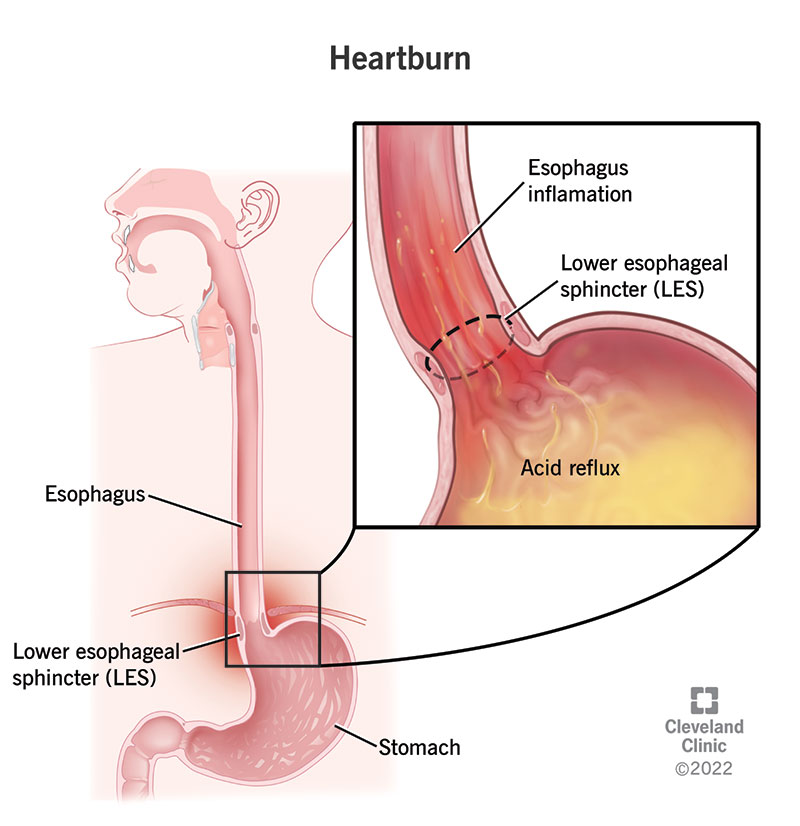
One of the main causes of heartburn is acid reflux. Acid reflux occurs when stomach acid flows back up into the esophagus, causing irritation and discomfort. This can happen due to a weak lower esophageal sphincter (the muscular ring that prevents acid from flowing back up) or excessive production of stomach acid.
Hiatal hernia
A hiatal hernia can also lead to heartburn. A hiatal hernia occurs when part of the stomach pushes up through the diaphragm into the chest cavity. This can disrupt the normal functioning of the lower esophageal sphincter and increase the risk of acid reflux.
Certain foods
Certain foods can trigger heartburn in some individuals. These include spicy foods, citrus fruits, tomatoes, chocolate, peppermint, onions, and fatty or fried foods. It is important to identify any trigger foods that may be contributing to your heartburn and limit your consumption.
Obesity
Being overweight or obese can put pressure on the stomach, leading to heartburn. Excess weight can also contribute to the relaxation of the lower esophageal sphincter, allowing acid to flow back up into the esophagus more easily.
Pregnancy
Pregnancy can cause heartburn due to hormonal changes and increased pressure on the stomach from the growing uterus. Many pregnant women experience heartburn, particularly in the later stages of pregnancy.
Smoking
Smoking can weaken the lower esophageal sphincter and increase the risk of heartburn. It can also reduce saliva production, which plays a role in neutralizing stomach acid.
Stress
Stress and emotional turmoil can exacerbate heartburn symptoms. When you are stressed, your body produces more stomach acid, which can increase the risk of acid reflux and heartburn. Finding healthy ways to manage stress, such as exercise or relaxation techniques, can help reduce heartburn episodes.

When to Seek Medical Attention
While occasional heartburn is common and can often be managed at home, there are certain situations where it is important to seek medical attention. Here are some red flags to watch out for:
Frequent or severe heartburn
If you are experiencing heartburn on a frequent basis, such as multiple times a week, or if your symptoms are severe and impacting your daily life, it is important to seek medical attention. Chronic heartburn may be a sign of a more serious underlying condition that requires treatment.
Heartburn accompanied by chest pain
Heartburn can sometimes be confused with chest pain, which may be a symptom of a heart attack. If your heartburn is accompanied by severe chest pain, especially if it radiates to your arm, neck, or jaw, or if you have shortness of breath, dizziness, or sweating, it is crucial to seek immediate medical attention to rule out a heart attack.
Unexplained weight loss
If you are experiencing unexplained weight loss along with heartburn, it could be indicative of a more serious condition. Rapid or unintentional weight loss should always be evaluated by a healthcare professional.
Difficulty swallowing
Difficulty swallowing, also known as dysphagia, can be a sign of a serious underlying condition such as a narrowing of the esophagus or esophageal cancer. If you are having difficulty swallowing along with heartburn, it is important to seek medical attention.
Heartburn lasting more than three months
If you have been experiencing heartburn for more than three months, it is considered chronic and should be evaluated by a healthcare professional. Chronic heartburn can indicate a more serious condition that requires medical intervention.
Potential Complications of Untreated Heartburn
If left untreated, heartburn can lead to several potential complications that can have serious consequences on your health. It is important to understand these complications in order to take the necessary steps to prevent them. Here are some potential complications of untreated heartburn:
Esophageal strictures
Untreated heartburn can lead to the formation of scar tissue in the esophagus, resulting in the narrowing of the esophagus. This condition, known as esophageal strictures, can make it difficult to swallow and may require medical intervention to widen the esophagus.
Barrett’s esophagus
Barrett’s esophagus is a condition where the lining of the esophagus changes, becoming similar to the lining of the intestines. This change is thought to be a response to chronic acid exposure from untreated heartburn. Barrett’s esophagus increases the risk of developing esophageal cancer and should be monitored regularly by a healthcare professional.
Esophageal cancer
Long-term, untreated heartburn can increase the risk of developing esophageal cancer. Esophageal cancer is a serious condition that requires aggressive treatment. Regular check-ups and early detection can help improve outcomes for individuals at risk.
Diagnosing Heartburn
If you are experiencing persistent heartburn, it is important to seek a proper diagnosis from a healthcare professional. The following diagnostic tests may be performed:
Medical history and physical examination
Your healthcare provider will take a detailed medical history and ask questions about your symptoms. They will also perform a physical examination to assess your overall health and look for signs of any underlying conditions.
Upper endoscopy
An upper endoscopy, also known as esophagogastroduodenoscopy (EGD), is a procedure in which a thin, flexible tube with a camera is inserted through your mouth and into your esophagus, stomach, and small intestine. This allows the doctor to visually inspect the lining of your digestive tract and look for any abnormalities or signs of inflammation.
Esophageal pH monitoring
Esophageal pH monitoring involves placing a small tube through your nose and into your esophagus. The tube measures the pH levels in your esophagus over a 24-hour period to determine if acid reflux is occurring and how frequently. This test can help your healthcare provider determine the severity of your condition and guide treatment options.
Esophageal manometry
Esophageal manometry measures the pressure and function of the esophagus. A thin tube is passed through your nose and into your esophagus to assess the muscular contractions and coordination of swallowing. This test helps identify any abnormalities or dysfunction in the esophagus that may be contributing to your heartburn symptoms.
Treatment Options for Heartburn
Fortunately, there are several treatment options available to help manage and alleviate the symptoms of heartburn. The appropriate treatment option will depend on the severity of your symptoms and the underlying cause. Here are some common treatment options for heartburn:
Lifestyle changes
Making lifestyle changes can often be the first step in managing heartburn. This can include avoiding trigger foods, such as spicy or acidic foods, losing weight if necessary, eating smaller meals, and avoiding lying down after meals. Elevating the head of the bed can also help prevent acid reflux during sleep.
Over-the-counter medications
Over-the-counter medications, such as antacids and H2 blockers, can provide temporary relief from heartburn symptoms. Antacids work by neutralizing stomach acid, while H2 blockers reduce the production of stomach acid. However, these medications may not be sufficient for individuals with more severe or chronic heartburn.
Prescription medications
If over-the-counter medications are not effective, your healthcare provider may prescribe stronger medications called proton pump inhibitors (PPIs). PPIs reduce the production of stomach acid and provide longer-lasting relief from heartburn symptoms. However, long-term use of PPIs should be monitored by a healthcare professional.
Surgical intervention
In severe cases of heartburn that do not respond to other treatments, surgical intervention may be necessary. This can include procedures such as fundoplication, in which the upper part of the stomach is wrapped around the lower esophagus to strengthen the lower esophageal sphincter and prevent acid reflux.

Prevention Tips for Heartburn
Preventing heartburn is key to managing this condition and reducing the frequency and severity of symptoms. Here are some tips to help prevent heartburn:
Avoid trigger foods
Identify and avoid foods that trigger your heartburn symptoms. This can vary from person to person, but common trigger foods include spicy foods, citrus fruits, tomatoes, chocolate, peppermint, onions, and fatty or fried foods. Keeping a food diary can help track your symptoms and identify any trigger foods.
Eat smaller meals
Instead of eating large meals, opt for smaller, more frequent meals throughout the day. This can help reduce the pressure on your stomach and minimize the risk of acid reflux.
Avoid lying down after meals
Try to avoid lying down or going to bed immediately after eating. Allow at least two to three hours for digestion before lying down to reduce the risk of acid reflux.
Maintain a healthy weight
If you are overweight or obese, losing weight can help reduce pressure on the stomach and decrease the risk of heartburn. Incorporate regular exercise and healthy eating habits into your lifestyle to achieve and maintain a healthy weight.
Quit smoking
Smoking can weaken the lower esophageal sphincter and increase the risk of heartburn. Quitting smoking can help improve your overall health and reduce the frequency of heartburn episodes.
Reduce stress levels
Stress and emotional turmoil can trigger heartburn symptoms. Find healthy ways to manage stress, such as exercise, relaxation techniques, or engaging in hobbies you enjoy. Taking care of your mental and emotional well-being can have a positive impact on your physical health as well.
Natural Remedies for Heartburn
In addition to medical treatments, there are some natural remedies that may help alleviate heartburn symptoms. It is important to note that these remedies may not work for everyone, and it is always best to consult with a healthcare professional before trying any new treatment. Here are some natural remedies for heartburn:
Chewing gum
Chewing sugar-free gum after meals can help stimulate saliva production, which can neutralize stomach acid and alleviate heartburn symptoms. It can also help promote swallowing and reduce the risk of acid reflux.
Elevating the head of the bed
Raising the head of the bed by six to eight inches can help prevent stomach acid from flowing back up into the esophagus during sleep. This can be achieved by using bed risers or placing a wedge-shaped pillow under the upper body.
Drinking herbal tea
Certain herbal teas, such as chamomile or ginger tea, may help soothe the digestive system and alleviate heartburn symptoms. It is important to choose herbal teas that are caffeine-free and avoid any trigger ingredients that may worsen your symptoms.
Taking ginger or licorice supplements
Ginger and licorice have been used for centuries to aid digestion and relieve symptoms of heartburn. Taking ginger or licorice supplements in recommended doses may help reduce heartburn symptoms. However, it is important to consult with a healthcare professional before starting any supplements, as they may interact with other medications or have side effects.

Heartburn vs. Heart Attack: How to Tell the Difference
Heartburn can sometimes be mistaken for a heart attack due to the similarity in symptoms. It is important to know how to differentiate between the two in order to seek appropriate medical attention when needed. Here are some key differences between heartburn and a heart attack:
Chest pain characteristics
Heartburn typically causes a burning sensation or discomfort in the chest, whereas a heart attack may cause a squeezing, tight or heavy feeling in the chest. Heartburn pain tends to be more localized, often centered in the middle of the chest, whereas heart attack pain may radiate to other areas, such as the arm, neck, jaw, or back.
Location of pain
Heartburn pain is usually felt in the lower chest or upper abdomen, whereas heart attack pain is often felt in the center or left side of the chest. Heart attack pain may also extend to other parts of the upper body, including the left arm.
Associated symptoms
Heartburn is typically not accompanied by other symptoms such as shortness of breath, dizziness, sweating, or nausea. These symptoms are more commonly associated with a heart attack. If you are experiencing any of these additional symptoms, it is important to seek immediate medical attention.
Response to antacids
Heartburn symptoms often improve with the use of over-the-counter antacids or acid reducers. If taking antacids provides relief from your symptoms, it is more likely to be heartburn rather than a heart attack. However, it is crucial to remember that this test is not foolproof, and any persistent, severe, or worsening symptoms should be evaluated by a healthcare professional.
Heartburn in Infants and Children
Heartburn is not limited to adults and can also affect infants and children. Understanding the underlying causes, signs, and symptoms of heartburn in this age group is important in order to provide appropriate care and treatment. Here is some information about heartburn in infants and children:
Underlying causes
In infants and young children, heartburn is often caused by gastroesophageal reflux (GER), also known as acid reflux. The lower esophageal sphincter in infants and young children is not fully developed, allowing stomach contents to flow back up into the esophagus. This can cause irritation and discomfort.
Signs and symptoms
Infants and young children may not be able to communicate their symptoms clearly. Signs of heartburn in this age group may include frequent crying, fussiness during or after feeding, arching of the back, spitting up excessively, and difficulty sleeping or staying asleep.
Treatment options for pediatric heartburn
Treatment for heartburn in infants and children may include lifestyle modifications, such as feeding smaller, more frequent meals and burping frequently during feedings. Elevating the head of the crib or using a special wedge pillow can also help reduce acid reflux. In some cases, medication may be prescribed to help alleviate symptoms.
It is important to consult with a pediatrician for an accurate diagnosis and appropriate treatment plan for infants and children experiencing heartburn symptoms.
In conclusion, heartburn is a common condition that can cause discomfort and impact daily life. Recognizing the common symptoms, understanding the causes, and knowing when to seek medical attention are key in managing heartburn effectively. With proper diagnosis and treatment, individuals can find relief from heartburn and reduce the risk of potential complications. Remember to consult with a healthcare professional for personalized advice and guidance.
