
Here you are, staring at that persistent pimple, wondering when on earth this battle will be over. You’ve tried the spot treatments, you’ve switched up your (probably flawed) skincare routine, and now you’re contemplating something more serious, like prescription creams or even oral medications. The burning question on your mind, the one that keeps you up at night more than the actual acne, is: “How long does acne treatment actually take?”
As your Listicle Content Architect (LCA), I’m here to demystify this often frustrating timeline. You’re not alone in this quest for clear skin. Trust me, I’ve mapped out the journey for countless individuals, and understanding the expected duration is crucial for managing expectations and staying motivated. This isn’t a sprint; it’s a marathon with visible progress markers along the way.
Let’s break down the timeline of your acne treatment journey, from the initial steps to achieving and maintaining that coveted clear complexion. It’s a nuanced process, influenced by a multitude of factors, and understanding them will empower you to have more productive conversations with your dermatologist and stick to your treatment plan with renewed vigor.
So, you’ve decided to tackle your acne head-on. This initial phase is all about diagnosis, prescription, and starting your first course of treatment. It’s exciting, perhaps a little nerve-wracking, but crucially, it’s where the clock really begins to tick. Don’t expect overnight miracles; this is the foundational stage.
Understanding Your Acne: The Crucial First Step
Before any treatment can even be prescribed, a healthcare professional needs to understand the nature of your acne. This involves a thorough examination and discussion about your skin history, lifestyle, and the types of blemishes you’re experiencing.
- Type of Acne Matters: Are you dealing with blackheads and whiteheads (non-inflammatory acne), or are you seeing papules, pustules, nodules, and cysts (inflammatory acne)? The severity and type will dictate the treatment approach and, consequently, the timeline.
- Severity Assessment: A dermatologist will classify your acne as mild, moderate, or severe. Mild acne might respond quickly to over-the-counter treatments, while severe or cystic acne will, by necessity, require a longer and more intensive approach.
- Your Medical History: Any underlying medical conditions, hormonal imbalances, or medications you’re currently taking can influence how your skin responds to treatment. Be sure to provide your dermatologist with a complete picture.
The First Prescription: When to Expect the First Signs of Change
Once a diagnosis is made and a treatment plan is formulated, your journey truly begins. This often involves prescription-strength topical or oral medications. This is where you start to see the initial shifts, but they are subtle at first.
- Topical Treatments: These often include retinoids (like tretinoin or adapalene), benzoyl peroxide, or antibiotic creams. When you first start using them, your skin might experience some irritation, dryness, or redness. This is normal and often a sign that the medication is starting to work, but it can also make your acne appear temporarily worse.
- Oral Medications: Antibiotics, hormonal therapy (like birth control pills), or even isotretinoin are systemic treatments. Oral antibiotics will take time to reduce inflammation and kill bacteria, while hormonal treatments aim to rebalance your body. Isotretinoin, while powerful, also requires consistent adherence and has its own distinct timeline for visible results.
- The “Ugly Duckling” Phase: It’s important to recognize that many topical treatments, particularly retinoids, can cause an initial “purging” period. This is when existing clogged pores come to the surface, making it seem like your acne is getting worse before it gets better. This phase can last anywhere from a few weeks to a month.
Patience is a Virtue (and a Requirement)
The most important piece of advice in this initial phase is: be patient. The skin cell turnover cycle is approximately 28 days, and new skin needs time to emerge. Slamming on the brakes after a few weeks because you don’t see dramatic results will only hinder your progress.
- Realistic Expectations: Dermatologists will tell you that most acne treatments take at least 4 to 8 weeks to show initial, noticeable improvements. This means you should be seeing a reduction in existing breakouts and fewer new ones forming.
- Consistency is Key: Adhering to your prescribed regimen, even when you’re tempted to give up, is paramount. Skipping doses or treatments will delay your progress significantly.
2. The Mid-Treatment Plateau: Navigating the Slow and Steady Wins
You’ve diligently followed your regimen for a month or two, and you’re starting to see some positive changes. Fewer red, angry pimples, perhaps. But then, something happens: the pace of improvement seems to slow down, or you hit a plateau. This is a common phase, and it’s crucial to understand why it happens and how to push through it.
Why the Improvement Slows: The Nuances of Skin Healing
Skin healing is not linear. There are ups and downs, periods of rapid progress, and periods where it feels like you’re treading water. This plateau is rarely a sign that your treatment has stopped working; it’s more likely a reflection of the complex biological processes at play.
- Underlying Inflammation: Even when new breakouts are subsiding, the deeper inflammation within your skin might still be present and gradually resolving. This can take longer than the superficial clearing of active pimples.
- Scarring and Hyperpigmentation: As active acne lesions heal, they can leave behind post-inflammatory hyperpigmentation (red or brown marks) or, in more severe cases, acne scars. These are separate issues that also require time and specific treatments to fade. You might be seeing less new acne, but the lingering marks can make it feel like you’re not making progress.
- Hormonal Fluctuations: For many, acne has a hormonal component. These hormones can fluctuate throughout the month, leading to periods where you might experience a few more breakouts, even while on treatment. This is usually temporary.
Adjusting Expectations: What “Plateau” Really Means
It’s vital to not interpret this plateau as failure. Instead, reframe it as a sign that your treatment is working, albeit at a deeper, less visible level.
- Focus on Progress, Not Perfection: Are you seeing fewer new breakouts, even if the old ones are still healing or leaving marks? Are the breakouts you do get less severe? These are significant wins.
- Revisiting Your Treatment Goals: If you started treatment primarily to reduce active, painful lesions, and that goal is being met, then you are progressing. If your goal was to achieve completely flawless skin, the timeline for that may extend beyond the initial plateau.
- The 3-6 Month Mark: Often, it’s at the 3 to 6 month mark that you’ll see the most significant and sustained improvements. This is when the cumulative effects of your treatment have had time to fully manifest. During this period, existing lesions will have healed, and the prevention of new ones will be well-established.
Communicating with Your Dermatologist: The Power of Partnership
When you hit this mid-treatment plateau, it’s the perfect time to check in with your dermatologist. Don’t assume they’re unaware or unconcerned. They are monitoring your progress and may have adjustments in mind.
- Open Dialogue: Share your observations and concerns. Are you experiencing any side effects? Are you seeing the improvements you hoped for in specific areas?
- Treatment Adjustments: Your dermatologist might consider increasing the dosage of a topical medication, adding a new topical agent, or adjusting the frequency of your oral medication. They might also introduce treatments for hyperpigmentation or scarring if those are now your primary concerns.
- Considering New Therapies: If progress has truly stalled, they might discuss introducing other treatment modalities, such as chemical peels, light therapy, or even oral isotretinoin if it wasn’t part of the initial plan.
3. Long-Term Maintenance and Prevention: The New Normal
You’ve reached a point where your acne is significantly reduced, and you’re feeling more confident. This is fantastic! However, the journey isn’t over. Acne is often a chronic condition, and the goal of treatment is not just to clear existing blemishes but to prevent future ones. This phase is about establishing a sustainable routine and maintaining your hard-won clear skin.
The Shift from “Cure” to “Management”
It’s important to understand that for many people, acne isn’t something that is “cured” in the traditional sense. Instead, it becomes a condition that is managed effectively. This means you may need to continue some form of treatment indefinitely to keep your skin clear.
- Continuing Topical Retinoids: Many dermatologists recommend continuing a lower strength or less frequent application of topical retinoids for long-term maintenance. These are excellent for preventing clogged pores and promoting cell turnover.
- Strategic Use of Other Treatments: You might transition from daily use of benzoyl peroxide or salicylic acid to using them a few times a week as needed, or only on areas prone to breakouts.
- Lifestyle Adjustments as Ongoing Support: Maintaining healthy habits that you started during active treatment—like a consistent skincare routine, a balanced diet, and stress management—becomes your ongoing strategy for preventing flare-ups.
Establishing Your “Clear Skin” Routine
This is where you, as the client, become intimately familiar with your skin’s needs and triggers. Your maintenance routine will be personalized and adaptable.
- Morning and Evening Rituals: This typically involves gentle cleansing, application of any maintenance topicals, and moisturizing. Sunscreen is non-negotiable, as sun exposure can worsen post-inflammatory hyperpigmentation and damage the skin barrier.
- “As Needed” Treatments for Flare-Ups: Even with maintenance, occasional breakouts can happen. Your dermatologist will have advised you on what to use for these minor flare-ups, whether it’s a dab of benzoyl peroxide or a spot treatment. The key here is to address them quickly before they escalate.
- Recognizing Your Triggers: By now, you’ve likely identified certain foods, stress levels, or even specific beauty products that can exacerbate your acne. Your maintenance plan involves actively avoiding or mitigating these triggers.
The Timeline for Lasting Results: It’s a Marathon, Not a Sprint (Still!)
While the most aggressive phases of treatment are behind you, achieving and maintaining truly lasting clear skin is an ongoing commitment.
- First Year of Maintenance: The first year of maintaining clear skin is crucial. It’s during this time that you solidify your routine, understand your skin’s patterns, and learn to react effectively to any minor setbacks. You’re likely seeing significantly fewer breakouts than you did even a few months prior.
- Long-Term Stability: With consistent effort and adherence to your dermatologist’s recommendations, many people can achieve long-term remission from acne for periods ranging from years to even a lifetime. However, hormonal shifts (like pregnancy or menopause) or significant lifestyle changes can sometimes trigger a recurrence, requiring a re-evaluation of your treatment approach.
- The Goal: Minimal Intervention: The ultimate success of long-term maintenance is when you require minimal intervention. Your skin is naturally healthy and balanced, and you only need basic care and occasional spot treatments to keep it that way.
4. Factors That Can Accelerate or Delay Your Acne Treatment Timeline
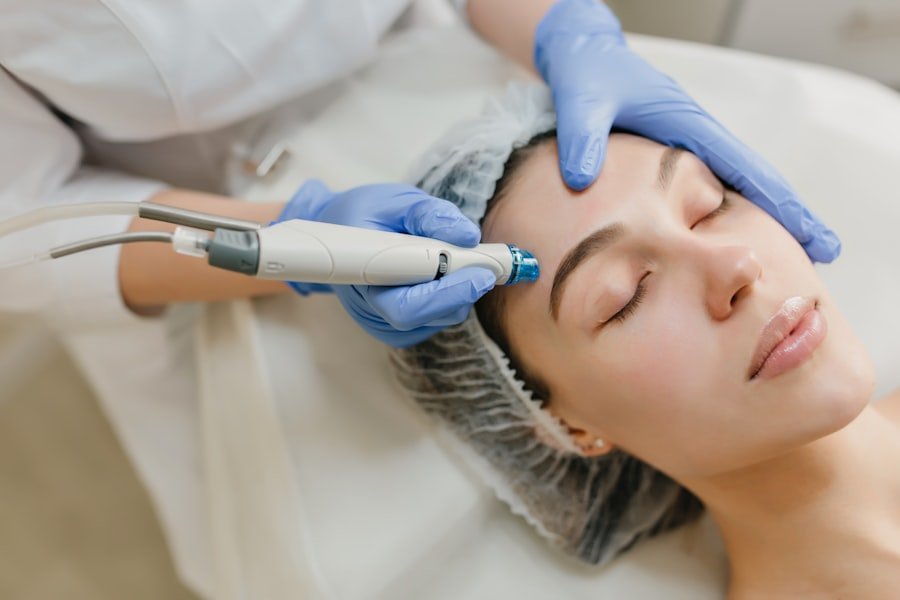
You’ve learned that there’s no single magic number for how long acne treatment takes. This is because each person’s skin and their acne are unique. Numerous factors can influence how quickly you see results or if your progress is unfortunately stalled. Understanding these can help you communicate better with your dermatologist and manage your expectations.
Your Acne Type and Severity: The Foundation of the Timeline
As we’ve touched upon, the very nature of your acne plays a significant role in how long it takes to treat.
- Non-Inflammatory Acne (Blackheads and Whiteheads): These generally respond faster to treatment. Topical exfoliants like salicylic acid and retinoids are often sufficient and can show improvement within weeks.
- Mild to Moderate Inflammatory Acne: This includes papules and pustules. Treatments like benzoyl peroxide, topical antibiotics, or lower-dose oral antibiotics usually require at least 6 to 12 weeks to see substantial reduction in active lesions.
- Severe Inflammatory Acne (Nodules and Cysts): These are deeper, more painful, and more difficult to treat. They often require a more aggressive approach, such as systemic therapies like oral antibiotics, hormonal agents, or isotretinoin. The timeline for improvement can be significantly longer, often 3 to 6 months or more.
The Power of the Prescription: Topical vs. Oral vs. Combined Therapies
The type of medication prescribed will inherently affect the speed and duration of your treatment.
- Topical Treatments: These work directly on the skin’s surface or within the pores. While they can be very effective, their absorption and penetration can be slower than systemic medications. Initial results might take 4 to 8 weeks, with significant improvement over 2 to 4 months.
- Oral Medications: These work throughout the body. Antibiotics can start to reduce inflammation relatively quickly within a few weeks, but complete clearing might take 2 to 3 months. Hormonal therapies can take several months to balance out the body. Isotretinoin is often prescribed for a 5 to 7 month course, with results becoming evident after the first few months and continuing to improve even after the course is completed.
- Combination Therapies: Often, your dermatologist will combine topical and oral treatments to tackle acne from multiple angles. This can sometimes lead to faster or more comprehensive results than either treatment alone, though the overall timeline might still be dictated by the most potent or slowest-acting component.
Adherence to Treatment: The Most Critical Factor
This is arguably the single most significant determinant of your treatment timeline. If you don’t use your medication as prescribed, you’re essentially hitting the reset button on your progress.
- Skipping Doses: Even a few missed applications or pills can disrupt the medication’s effectiveness and prolong the healing process. Your skin cells are constantly regenerating, and consistent treatment ensures that the medication is present to address them at each stage.
- Incorrect Application: Applying too much or too little medication, or not applying it to the correct areas, can hinder its effectiveness. Always follow your doctor’s instructions precisely.
- Stopping Too Soon: This is a common pitfall. You start seeing some improvement and feel like you’re “cured,” so you stop. However, many treatments need to be continued for a period to prevent a relapse. This is especially true for systemic medications.
External Factors: Lifestyle Choices That Impact Your Skin
Beyond the prescribed treatments, your daily habits and environment can significantly influence your skin’s response.
- Diet and Hydration: While not definitively proven for everyone, some individuals find that certain foods (like high-glycemic index foods or dairy) can trigger breakouts. Staying well-hydrated is crucial for overall skin health and can support the skin’s healing processes.
- Stress Management: Chronic stress can lead to hormonal imbalances that exacerbate acne. Finding healthy ways to manage stress can be a crucial, though often overlooked, part of your treatment journey.
- Skincare Habits: Using harsh soaps, over-exfoliating, or not cleansing properly can irritate your skin and impede healing. Conversely, a consistent, gentle skincare routine can support your prescribed treatments.
- Environmental Factors: Exposure to pollution, certain climates, or even friction from clothing or helmets can sometimes worsen acne.
5. Realistic Timelines for Different Treatment Modalities
| Treatment Type | Duration |
|---|---|
| Over-the-counter products | 4-8 weeks |
| Prescription topical medications | 6-8 weeks |
| Oral medications | 3-6 months |
| Professional treatments (chemical peels, laser therapy) | Several months |
To help you visualize the journey ahead, let’s break down the typical timelines associated with various acne treatment modalities. This will give you a clearer picture of what to expect when you embark on your clear skin quest. Remember, these are general guidelines, and your individual experience may vary.
Over-the-Counter (OTC) Treatments: For Mild Acne
If your acne is mild, characterized by occasional blackheads, whiteheads, and a few small pimples, over-the-counter treatments might be your first line of defense. These are generally safe and accessible but require consistent use to see results.
- Key Ingredients: Salicylic acid (BHA), benzoyl peroxide, sulfur, and glycolic acid (AHA).
- Initial Changes: You might start noticing a reduction in redness and inflammation within 1 to 2 weeks of consistent use.
- Visible Improvement: Significant reduction in existing breakouts and fewer new ones typically takes 4 to 8 weeks.
- Maintenance: OTC treatments can often be used for ongoing maintenance, but if your acne doesn’t improve after 2-3 months of consistent use, it’s time to consult a dermatologist.
Prescription Topical Treatments: For Mild to Moderate Acne
When OTC options aren’t enough, your dermatologist will likely prescribe topical treatments. These are applied directly to the skin and are often more potent than their OTC counterparts, working at a deeper level.
- Key Ingredients: Prescription-strength retinoids (tretinoin, adapalene, tazarotene), topical antibiotics (clindamycin, erythromycin), azelaic acid, dapsone.
- Initial “Purge” or Irritation: As mentioned, retinoids can cause an initial worsening or purging period, which can last for 2 to 4 weeks. Other topicals might cause dryness or redness.
- Early Signs of Improvement: You might start seeing a reduction in new breakouts and a calming of existing inflammation around 4 to 6 weeks.
- Significant Improvement: For substantial clearing of acne, expect to see results over 8 to 12 weeks, with continued improvement over 3 to 6 months.
- Maintenance: Once clear, topical retinoids are often continued for maintenance.
Prescription Oral Medications: For Moderate to Severe Acne
For more persistent or inflammatory acne, oral medications are often necessary to tackle the issue systemically.
- Antibiotics (e.g., Doxycycline, Minocycline):
- Initial Easing of Inflammation: You may notice a reduction in painful, inflamed lesions within 2 to 4 weeks.
- Substantial Improvement: Significant clearing of moderate acne typically takes 2 to 3 months.
- Duration: Often prescribed for a course of 3 to 6 months to prevent resistance.
- Hormonal Therapy (e.g., Combined Oral Contraceptives, Spironolactone):
- Balancing Hormones: These medications aim to rebalance hormonal fluctuations that trigger acne. It can take 2 to 3 menstrual cycles (approximately 6 to 12 weeks) before you start to see a noticeable impact on your skin.
- Significant Improvement: Full benefit can take 3 to 6 months or longer.
- Maintenance: Often used long-term for maintenance.
Isotretinoin (Accutane): For Severe, Persistent, or Scarring Acne
Isotretinoin is a powerful oral retinoid used for severe or treatment-resistant acne. It’s highly effective but requires close medical supervision due to potential side effects.
- Treatment Course: A typical course of isotretinoin lasts for 5 to 7 months.
- Early Changes: You might notice dryness and potential initial worsening in the first month.
- Visible Improvement: Significant improvement typically begins after 2 to 3 months of treatment, with substantial clearing often occurring by the end of the course.
- Long-Term Results: Many patients achieve long-lasting remission after one course of isotretinoin. Some individuals may require a second course if acne recurs substantially.
6. Understanding Acne Scarring and Its Treatment Timeline
While the primary focus of acne treatment is to clear active breakouts, the aftermath of acne can leave behind unwanted scars and marks. These are a separate concern with their own distinct treatment timelines and methodologies. Addressing scarring is often a patient’s next priority once active acne is under control.
The Difference Between Acne Scars and Post-Inflammatory Hyperpigmentation (PIH)
It’s crucial to distinguish between true acne scars and PIH, as their treatment and timeline differ significantly.
- Post-Inflammatory Hyperpigmentation (PIH): These are the dark (brown or black) or red spots left behind after a pimple has healed. They are not true scars as they don’t involve changes in skin texture. PIH is caused by an overproduction of melanin or increased blood flow in the skin.
- Timeline for Fading: PIH can fade on its own over time. Red marks might disappear within a few weeks to months. Brown marks can take 6 months to a year or even longer to fade completely. Consistent sun protection is paramount, as UV rays will darken PIH.
- Acne Scars: These are actual textural changes in the skin, resulting from damage to the dermis during the healing process of inflammatory acne lesions. Scars are essentially areas where collagen has been lost or overproduced.
- Types of Scars: Common types include atrophic (indented) scars like ice pick, boxcar, and rolling scars, and hypertrophic (raised) scars.
- Timeline for Improvement: True acne scars are more permanent and require targeted treatments to improve their appearance. Fading the redness and softening the texture of scars can take months to years of dedicated treatment.
Treatment Modalities for Acne Scars and Their Timelines
Treating acne scarring is often a multi-faceted approach that involves a combination of treatments, and patience is key.
- Topical Treatments:
- Retinoids and AHAs: These can help with mild textural irregularities and PIH by promoting cell turnover and stimulating collagen production. Significant improvement in texture and tone might take 6 to 12 months of consistent use.
- Hydroquinone and Kojic Acid: These are skin-lightening agents that can help fade PIH. Results can be seen within 2 to 6 months of regular application.
- Chemical Peels:
- Types: Superficial, medium, and deep peels using acids like glycolic, salicylic, trichloroacetic acid (TCA).
- Timeline: You’ll likely need a series of peels, spaced 2 to 4 weeks apart. You might see an improvement in PIH and mild texture within 3 to 6 sessions. Deeper scars may require more aggressive peels or a combination of treatments.
- Microneedling (Collagen Induction Therapy):
- Mechanism: Uses tiny needles to create micro-injuries in the skin, stimulating collagen and elastin production.
- Timeline: Improvement is gradual. You’ll typically need a series of 3 to 6 treatments, spaced 4 to 6 weeks apart. Visible results, including smoother texture and reduced indentation, can take 6 months to a year after completing the series as new collagen is produced.
- Laser Treatments (e.g., Fractional Lasers, Pulsed Dye Lasers):
- Mechanism: Lasers can resurface the skin, stimulate collagen, or target redness.
- Timeline: Similar to microneedling, a series of treatments is usually required, spaced 4 to 6 weeks apart. Significant improvement in scarring and PIH can be observed over 6 months to a year as the skin heals and regenerates.
- Dermal Fillers and Subcision:
- Mechanism: Fillers can plump up indented scars, while subcision is a technique to release the fibrous bands that tether down scars.
- Timeline: Results from fillers are immediate, but they are temporary and require repeat treatments. Subcision treatments can lead to lasting improvement over several months as the skin remodels.
- Dermabrasion and Surgical Excision: These are more invasive procedures reserved for severe scarring and have their own specific recovery timelines, often involving weeks to months of healing.
The Integrated Approach: Combining Treatments for Optimal Results
For the best outcomes in treating acne scarring, a combination of the above therapies is often recommended. Your dermatologist will assess your specific scar types and design a personalized treatment plan. The timeline for achieving significant scar improvement will therefore be a cumulative one, often extending 6 months to 2 years depending on the severity and the treatments employed. Consistency, patience, and realistic expectations are paramount when tackling acne scarring.
FAQs
1. What is the typical duration of acne treatment?
The duration of acne treatment can vary depending on the severity of the acne and the type of treatment being used. In general, it can take several weeks to several months to see significant improvement in acne.
2. What factors can affect the length of acne treatment?
Factors such as the individual’s skin type, the specific type of acne being treated, the chosen treatment method, and the consistency of the treatment regimen can all impact the length of time it takes to see results.
3. Are there any quick-fix solutions for acne treatment?
While there are some quick-fix solutions such as spot treatments and cover-up products, long-term acne treatment typically requires a consistent and patient approach to see lasting results.
4. Can acne treatment be accelerated with certain methods or products?
Some acne treatments, such as prescription medications or professional procedures like chemical peels or laser therapy, may be able to accelerate the improvement of acne. However, it’s important to consult with a dermatologist before trying any new methods or products.
5. What should I do if my acne treatment is not showing results within the expected timeframe?
If your acne treatment is not showing results within the expected timeframe, it’s important to consult with a dermatologist. They can assess your individual situation and recommend adjustments to your treatment plan or alternative options.