
You’ve landed here because you’re tired of battling those persistent bumps. Perhaps you’re looking for a quick fix, a consistent solution, or just a better understanding of what’s actually in that little tube or bottle at the drugstore. As your Listicle Content Architect, I’m here to guide you through the world of over-the-counter (OTC) acne treatments. Forget the overwhelming aisles and confusing jargon; we’re going to break it down, item by item, so you can make informed decisions and reclaim your clear skin.
This isn’t just a collection of products; it’s a strategic roadmap to understanding how these accessible treatments work, what ingredients to look for, and how to effectively incorporate them into your skincare routine. We’ll delve into the science behind common acne treatments, explore different product formats, and offer tips for maximizing their effectiveness while minimizing potential side effects. Think of this as your personal consultation, delivered in a clear, digestible, and action-oriented format. Let’s begin this journey to clearer, more confident skin.
The over-the-counter acne treatment market is a vast landscape, offering a variety of solutions designed to tackle different aspects of acne. Understanding the categories and their primary mechanisms of action is your first crucial step towards an effective regimen. These treatments are generally categorized by their active ingredients, which target the underlying causes of acne.
Benzoyl Peroxide: The Antibacterial Powerhouse
This is a true workhorse in the OTC acne world. Benzoyl peroxide is a powerful ingredient that tackles acne in a couple of key ways. Its primary function is to kill the bacteria Propionibacterium acnes (P. acnes) that contribute to inflammation and breakouts. But it doesn’t stop there; it also helps to unclog pores by exfoliating dead skin cells.
How Benzoyl Peroxide Works
- Antibacterial Action: P. acnes is a common inhabitant of the skin, but when it gets trapped in hair follicles along with sebum and dead skin cells, it can multiply rapidly. This proliferation of bacteria triggers an inflammatory response, leading to red, swollen pimples. Benzoyl peroxide releases oxygen into the pore, creating an environment that is hostile to P. acnes, effectively reducing their numbers.
- Exfoliation and Pore Unclogging: Beyond its antibacterial properties, benzoyl peroxide acts as a keratolytic agent. This means it helps to break down keratin, a protein in the skin that can contribute to pore blockages. By gently exfoliating the outer layer of skin, it helps to slough away dead skin cells that would otherwise accumulate and clog pores, leading to the formation of comedones (blackheads and whiteheads).
- Anti-inflammatory Effects: While its primary roles are antibacterial and exfoliating, benzoyl peroxide also possesses some inherent anti-inflammatory properties, which can help to soothe existing redness and irritation associated with breakouts.
Different Concentrations and Formulations
Benzoyl peroxide is available in various concentrations, typically ranging from 2.5% to 10%. It’s crucial to start with a lower concentration, especially if you have sensitive skin, to assess your tolerance and minimize potential dryness, redness, and peeling.
- Low Concentrations (2.5% – 5%): These are often recommended for individuals with sensitive or dry skin, or for initial use. They can be just as effective as higher concentrations for many people, with a lower risk of irritation.
- Higher Concentrations (10%): While offering potentially more potent results, higher concentrations are more likely to cause dryness, peeling, and redness. They might be more suitable for stubborn or severe acne and should be used with caution.
- Creams, Gels, and Lotions: Benzoyl peroxide can be found in various formulations. Gels tend to absorb quickly and can feel less greasy. Creams are often more moisturizing. Lotions are generally lightweight and can be good for larger areas. Your preference and skin type will dictate the best format for you.
Salicylic Acid: The Pore Penetrator
Salicylic acid is another cornerstone of OTC acne treatment, particularly effective for blackheads and whiteheads. It belongs to a class of ingredients called beta-hydroxy acids (BHAs). Unlike alpha-hydroxy acids (AHAs), BHAs are oil-soluble, allowing them to penetrate deeper into the pores.
How Salicylic Acid Works
- Keratolytic Action: Similar to benzoyl peroxide, salicylic acid is a keratolytic. It works by softening and breaking down keratin, which helps to loosen and shed dead skin cells that clog pores.
- Lipophilic Properties (Oil Solubility): This is where salicylic acid truly shines. Because it’s oil-soluble, it can easily penetrate the oily environment of the hair follicle and pores. Once inside, it helps to dissolve the sebum and dead skin cell mixture that forms comedones. This makes it particularly effective for treating blackheads and whiteheads, which are essentially clogged pores.
- Anti-inflammatory Benefits: Salicylic acid also possesses anti-inflammatory properties, helping to calm redness and swelling associated with active breakouts. This makes it beneficial for both clogged pores and inflammatory acne.
Common Product Types Featuring Salicylic Acid
You’ll find salicylic acid in a wide array of products, from daily cleansers to targeted spot treatments.
- Cleansers: Using a salicylic acid cleanser daily can help to keep pores clear and prevent new breakouts from forming. They are a good option for those looking for a preventative measure or a gentle, ongoing treatment.
- Toners: Toners with salicylic acid can be applied after cleansing to provide a more concentrated dose of the ingredient and help to refine skin texture.
- Spot Treatments: For individual pimples, salicylic acid spot treatments offer a targeted approach to drying out blemishes and reducing inflammation.
- Pads and Wipes: These are convenient for on-the-go application and can be effective for exfoliating and treating breakouts without needing to wash your hands afterward.
Sulfur: The Gentle Detangler
Sulfur is an older acne treatment that has maintained its popularity due to its gentleness and effectiveness, particularly for inflammatory acne and sensitive skin. It works in a more subdued, yet effective, manner compared to some other ingredients.
How Sulfur Works
- Keratolytic Properties: Sulfur helps to loosen and shed dead skin cells, preventing them from accumulating and clogging pores. This action is similar to salicylic acid and benzoyl peroxide, but often with less irritation.
- Antimicrobial Effects: Sulfur has mild antibacterial and antifungal properties. While not as potent as benzoyl peroxide, it can help to reduce the presence of acne-causing bacteria on the skin.
- Drying Agent: Sulfur has a natural ability to absorb excess oil, which can contribute to acne. This drying effect can help to reduce the greasiness of the skin and make breakouts less noticeable.
When to Consider Sulfur
Sulfur is often a good choice for individuals who find benzoyl peroxide too harsh or salicylic acid not quite effective enough for their specific concerns.
- Sensitive Skin: Its milder nature makes it a more tolerable option for those prone to redness, dryness, and irritation from stronger treatments.
- Inflammatory Acne: While it helps with pore clogging, its anti-inflammatory and drying properties can be particularly beneficial for reducing the redness and swelling of pimples.
- Oily Skin: The oil-absorbing qualities of sulfur can be a welcome benefit for those struggling with excess shine.
Topical Retinoids (Retinol): The Skin Renewal Superstar
While prescription-strength retinoids are a staple in treating moderate to severe acne, lower concentrations of retinol are now widely available over-the-counter. Retinol is a derivative of Vitamin A and is known for its potent skin-renewing capabilities, making it a powerful ally against acne.
How Retinol Works
- Increased Cell Turnover: The primary mechanism of action for retinoids is their ability to speed up the rate at which skin cells regenerate. This increased cell turnover helps to prevent dead skin cells from accumulating and clogging pores, thus preventing comedones from forming and promoting the shedding of existing blemishes.
- Pore Decongestion: By promoting exfoliation from within the pore, retinol helps to keep them clear and prevent the buildup of sebum and dead skin cells that lead to blackheads and whiteheads.
- Anti-inflammatory Effects: Retinol also possesses anti-inflammatory properties that can help to reduce the redness and swelling associated with active acne lesions.
- Stimulates Collagen Production: While not directly an acne treatment, this long-term benefit of retinol means it can help to improve skin texture and reduce the appearance of acne scars over time.
Important Considerations for OTC Retinol
Using OTC retinol requires a bit of patience and a careful approach to avoid irritation.
- Start Low and Slow: Begin with a low concentration of retinol (e.g., 0.1% or 0.3%) and apply it only a few times a week. Gradually increase frequency as your skin builds tolerance.
- Moisturize Adequately: Retinol can cause dryness and peeling. It’s essential to use a good moisturizer, especially at night, to counteract these side effects.
- Sunscreen is Non-Negotiable: Retinoids make your skin more sensitive to the sun. Apply a broad-spectrum SPF 30 or higher daily, even on cloudy days.
- Purging is Possible: In the initial weeks of use, you might experience an “acne purge,” where existing blemishes come to the surface rapidly. This is a normal part of the process and usually subsides within 4-6 weeks.
Understanding Active Ingredients: What They Do and Why It Matters
Navigating the skincare aisle for acne treatments can feel like deciphering a foreign language. The key to making informed choices lies in understanding the active ingredients. These are the components that actually do the work of combating acne. Knowing their mechanisms of action will empower you to select products that best suit your specific acne concerns and skin type.
The Role of Antibacterial Agents
One of the primary culprits behind inflammatory acne is bacteria, specifically Propionibacterium acnes (P. acnes). These bacteria thrive in the pores, feeding on sebum (oil) and dead skin cells, leading to inflammation, redness, and pus-filled pimples. Antibacterial agents are designed to target and reduce the population of these acne-causing microbes.
How Antibacterials Combat Acne
- Killing Bacteria: The most direct way antibacterials work is by directly killing P. acnes. By reducing the bacterial load, they interrupt the inflammatory process that leads to breakouts.
- Creating an Unfavorable Environment: Some antibacterials create an environment within the pore that is inhospitable to bacterial growth. This can involve altering the pH or introducing oxygen, which can stifle anaerobic bacteria like P. acnes.
- Reducing Inflammation: While their primary role is antibacterial, some of these agents also possess inherent anti-inflammatory properties, which can further help to calm the redness and swelling associated with acne.
Common OTC Antibacterial Ingredients
- Benzoyl Peroxide: As discussed earlier, this is a potent antibacterial that also exfoliates. It’s available in various strengths, and it’s important to start with a lower concentration if you have sensitive skin.
- Tea Tree Oil: A natural essential oil with well-documented antimicrobial and anti-inflammatory properties. It’s often found in lower concentrations in cleansers and spot treatments. It’s essential to use diluted tea tree oil, as undiluted forms can be irritating.
- Sulfur: While it has multiple functions, sulfur also exhibits mild antibacterial effects, making it a gentle option for combating acne.
The Power of Exfoliants
Exfoliation is a critical step in acne treatment, as it helps to remove dead skin cells that can clog pores and contribute to breakouts. Exfoliants work by either dissolving the “glue” that holds dead skin cells together or by physically sloughing them away. OTC acne treatments primarily utilize chemical exfoliants.
Chemical Exfoliation Explained
Chemical exfoliants work by breaking down the bonds between dead skin cells, allowing them to shed more easily. This process not only helps to prevent pore blockages but also reveals smoother, brighter skin underneath.
- Alpha-Hydroxy Acids (AHAs): Glycolic acid and lactic acid are common AHAs. They are water-soluble and work on the surface of the skin to exfoliate. They are excellent for improving skin texture and can help with hyperpigmentation left by acne.
- Beta-Hydroxy Acids (BHAs): Salicylic acid is the star BHA in acne treatment. Its oil-soluble nature allows it to penetrate deeper into the pores to dissolve sebum and dead skin cells, making it particularly effective for blackheads and whiteheads.
- Sulfur: As mentioned previously, sulfur has keratolytic properties, meaning it helps to loosen and shed dead skin cells, acting as a gentle exfoliant.
- Benzoyl Peroxide: While primarily an antibacterial, benzoyl peroxide also has exfoliating properties that contribute to its effectiveness in clearing pores.
Physical vs. Chemical Exfoliation for Acne
For acne-prone skin, chemical exfoliants are generally preferred over physical ones.
- Chemical Exfoliants: They offer a more controlled and consistent exfoliation, targeting the pore lining and helping to break down debris. They are less likely to cause micro-tears or irritation compared to harsh physical scrubs.
- Physical Exfoliants (Scrubs): While some gentle physical exfoliants exist, aggressive scrubbing can worsen inflammation, spread bacteria, and disrupt the skin barrier, potentially leading to more breakouts. It’s advisable to approach physical exfoliation with extreme caution on acne-prone skin.
Ingredients for Reducing Inflammation and Redness
Acne is fundamentally an inflammatory condition. Even a simple pimple involves a localized inflammatory response. Many OTC acne treatments not only target the root causes of acne but also possess ingredients that actively work to calm inflammation and reduce redness.
Calming the Fire: Anti-inflammatory Ingredients
- Niacinamide (Vitamin B3): This versatile ingredient is a potent anti-inflammatory. It can help to reduce redness, minimize pore appearance, and improve the skin’s barrier function. It’s often found in moisturizers and serums formulated for acne-prone skin.
- Green Tea Extract: Rich in antioxidants, green tea extract has significant anti-inflammatory and soothing properties. It can help to calm irritated skin and reduce redness associated with breakouts.
- Centella Asiatica (Gotu Kola): This botanical extract is known for its wound-healing and anti-inflammatory benefits. It can help to soothe irritated skin and promote the repair of acne-damaged areas.
- Allantoin and Bisabolol: These are often included in formulations to soothe and calm the skin. Allantoin helps to promote cell regeneration, while bisabolol, derived from chamomile, is a strong anti-inflammatory and skin-soothing agent.
Ingredients for Drying Out Pimples
While not strictly anti-inflammatory, ingredients that help to absorb excess oil and dry out blemishes can also contribute to reducing the visible redness and swelling of a pimple.
- Sulfur: Its oil-absorbing properties help to mattify the skin and dry out active lesions.
- Clay (Kaolin, Bentonite): Clays are excellent at absorbing excess oil and impurities from the skin’s surface, which can help to dry out pimples and reduce their appearance. They are often found in masks.
How to Effectively Use OTC Acne Treatments
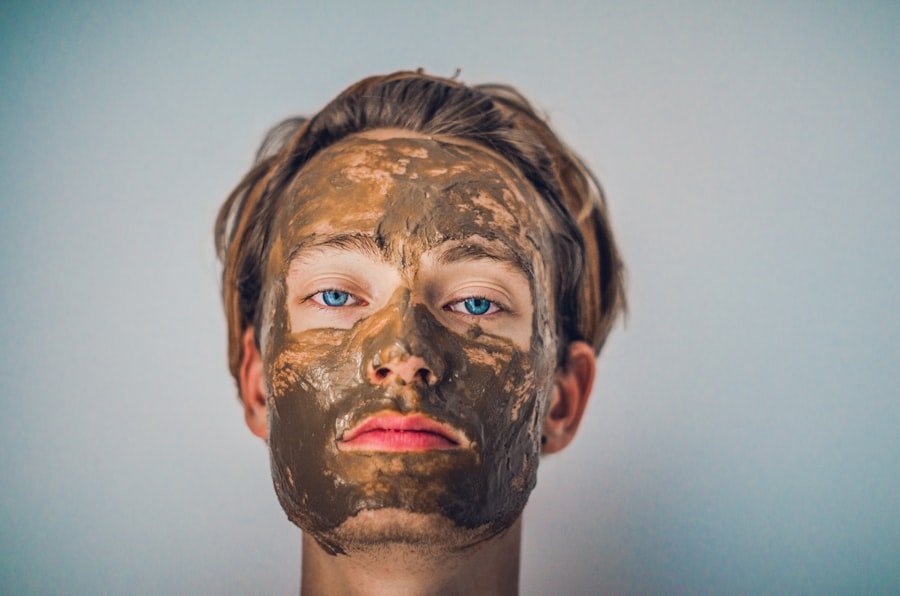
Simply buying an OTC acne treatment is only half the battle. To truly see results, you need to understand how to incorporate these products into your routine strategically. This involves more than just applying them randomly; it requires a thoughtful approach to maximize their benefits while minimizing potential side effects.
Building a Consistent Skincare Routine
Consistency is paramount when it comes to managing acne. Your skin needs time to respond to treatments, and sporadic use will yield inconsistent results. A well-structured routine ensures that your chosen active ingredients are consistently working to clear your skin.
The Foundation: Cleansing and Moisturizing
- Cleansing: Twice daily, use a gentle cleanser to remove excess oil, dirt, and makeup. If you’re using a medicated cleanser, make sure it contains your chosen active ingredient (e.g., salicylic acid or benzoyl peroxide). Avoid harsh scrubbing, which can irritate the skin and worsen inflammation.
- Moisturizing: This is a non-negotiable step, even for oily skin. Many acne treatments can be drying. A lightweight, non-comedogenic moisturizer will help to replenish lost moisture, prevent excessive dryness and peeling, and support your skin’s barrier function. This helps to reduce irritation and allows your skin to better tolerate acne treatments. Look for terms like “oil-free,” “non-comedogenic,” and specifically formulated for acne-prone or sensitive skin.
Application Techniques for Different Product Types
- Spot Treatments: Apply these directly to individual blemishes after cleansing and before moisturizing. Use a cotton swab or a clean fingertip to avoid spreading bacteria. Only apply to the active spot.
- Leave-On Treatments (Lotions, Serums, Gels): These are typically applied after cleansing and before moisturizing. Ensure you apply a thin, even layer to the affected areas or your entire face, depending on the product’s instructions.
- Wash-Off Treatments (Cleansers, Masks): Follow the product’s instructions for application and duration. For cleansers, massage gently into the skin for about 30-60 seconds before rinsing thoroughly. For masks, leave them on for the recommended time before rinsing.
Addressing Side Effects and Managing Sensitivity
It’s common to experience some side effects when starting new acne treatments, especially those containing potent active ingredients like benzoyl peroxide or retinoids. Understanding how to manage these and when to seek professional advice is crucial.
Common Side Effects and How to Cope
- Dryness and Peeling: This is perhaps the most common side effect.
- Solution: Increase your moisturizer application. Consider using a richer, more emollient moisturizer at night. You can also try using your acne treatment less frequently (e.g., every other day) temporarily to allow your skin to adjust.
- Redness and Irritation: Your skin might appear flushed or feel sensitive.
- Solution: This often goes hand-in-hand with dryness. Ensure you’re using a gentle cleanser, avoiding other potentially irritating products, and applying a soothing moisturizer. Take a break from your acne treatment for a day or two if irritation is significant.
- Initial Breakout (Purging): When you start using ingredients that increase cell turnover (like retinoids or some exfoliants), existing clogged pores can be brought to the surface rapidly, leading to a temporary increase in breakouts.
- Solution: This is usually temporary and a sign the product is working. Continue with your routine, but be patient. If the purging lasts for more than 6-8 weeks or is severe, consult a dermatologist.
- Sun Sensitivity: Many acne treatments, particularly retinoids and benzoyl peroxide, can make your skin more susceptible to sun damage.
- Solution: This is where sunscreen becomes your best friend. Apply a broad-spectrum SPF 30 or higher daily, regardless of the weather. Reapply as needed throughout the day, especially if you’re outdoors.
When to Adjust or Discontinue Treatment
Listen to your skin. If you experience severe burning, stinging, excessive redness, or persistent peeling that doesn’t improve with the above coping mechanisms, it’s time to re-evaluate.
- Reduce Frequency: Your first step should be to reduce how often you apply the problematic treatment.
- Take a Break: If symptoms are severe, stop using the product for a few days to allow your skin to recover.
- Consult a Professional: Persistent or severe irritation warrants a visit to a dermatologist. They can help identify the cause and recommend alternative treatments or a personalized plan.
Combining and Layering Treatments Wisely
The temptation to use multiple powerful ingredients simultaneously is strong, but this can often lead to irritation and negate the benefits of each product. Strategic layering is key.
What to Combine and What to Avoid
- Salicylic Acid and Benzoyl Peroxide: These can be used together, but often at different times of day. For example, you might use a salicylic acid cleanser in the morning and a benzoyl peroxide spot treatment at night, or vice versa. Using them in the same application can be too harsh for many.
- Retinoids and AHAs/BHAs: When starting retinoids, avoid using them with other strong exfoliants like AHAs or BHAs in the same routine, especially initially. Once your skin is accustomed to retinoids, you might be able to incorporate them carefully, perhaps on alternate nights, but always monitor for irritation.
- Avoid Overlapping with Similar Actions: Don’t use multiple strong exfoliants or multiple potent antibacterial agents in the same application. This can lead to over-exfoliation or over-drying.
- Focus on Gentle, Supportive Ingredients: Combine your chosen active ingredients with soothing and hydrating ingredients like niacinamide, hyaluronic acid, and ceramides to support your skin barrier and mitigate irritation.
The Importance of a “Skin Cycling” Approach
Skin cycling is a popular framework for incorporating active ingredients into your routine without overwhelming your skin. It involves alternating between different types of treatments over a set period, often 4 nights. A common cycle might look like: night 1: exfoliate (e.g., salicylic acid), night 2: treat (e.g., benzoyl peroxide or retinol), night 3 & 4: recover (focus on hydration and barrier repair). This allows your skin to benefit from the actives while also having dedicated recovery periods, reducing the risk of irritation and improving tolerance.
When OTC Isn’t Enough: Recognizing the Need for a Dermatologist
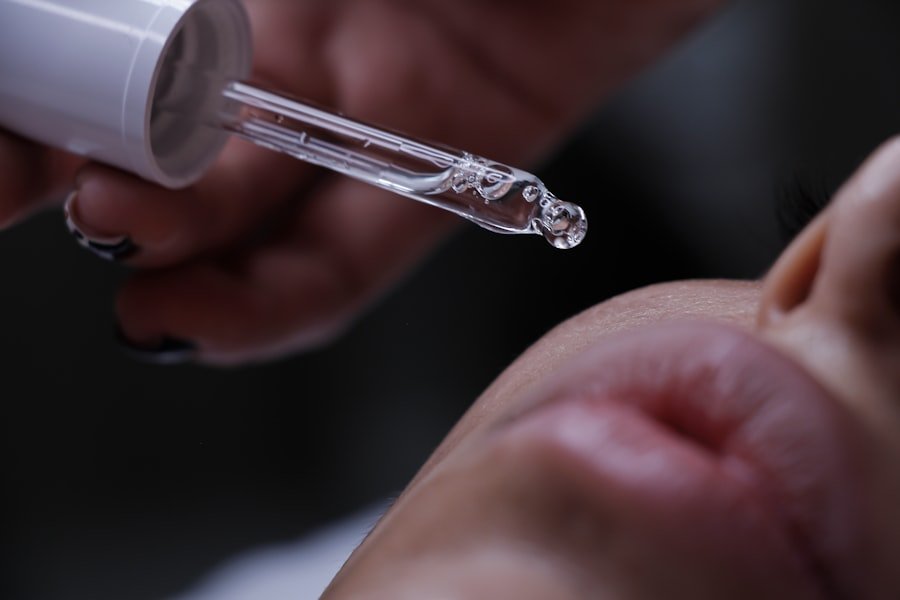
While over-the-counter acne treatments are incredibly effective for many, they are not a one-size-fits-all solution. There comes a point for some individuals where OTC options simply don’t yield the desired results, or the severity of their acne requires more potent intervention. Recognizing when it’s time to consult a dermatologist is a sign of proactive self-care for your skin.
Identifying Severe or Persistent Acne
The definition of “severe” or “persistent” acne can vary, but there are clear indicators that suggest you’ve reached the limits of what OTC treatments can achieve.
Signs You Might Need Professional Help
- Deep, Painful Cysts and Nodules: These are large, inflamed bumps that are deep under the skin. They are often very painful, can leave significant scars, and are rarely responsive to OTC treatments alone.
- Widespread and Inflammatory Breakouts: If your face, chest, and back are consistently covered in inflamed pimples, pustules, and papules, you likely have moderate to severe acne that requires a dermatologist’s expertise.
- Acne That Doesn’t Improve After Months of Consistent OTC Use: You’ve diligently followed a routine with OTC products for at least 3-6 months and seen little to no improvement, or your acne is actively worsening.
- Acne Resulting in Scarring: If your breakouts are consistently leading to new acne scars, it’s a strong signal that you need a treatment plan that aims to prevent further scarring.
- Acne Affecting Your Emotional Well-being: Acne can have a significant impact on self-esteem and mental health. If your acne is causing you distress, anxiety, or depression, seeking professional help is important for both your skin and your overall well-being.
- Sudden Onset of Acne: In some cases, a sudden and severe onset of acne can be a symptom of an underlying medical condition, and a dermatologist can help rule this out.
Prescription Treatments Available Through a Dermatologist
Dermatologists have access to a wider range of more potent medications and treatment modalities that can effectively tackle more stubborn or severe acne.
Topical Prescription Medications
- Stronger Retinoids (Tretinoin, Adapalene, Tazarotene): These prescription-strength retinoids are more potent than their OTC counterparts and are highly effective at unclogging pores, reducing inflammation, and promoting cell turnover.
- Topical Antibiotics (Clindamycin, Erythromycin): Used to kill acne-causing bacteria and reduce inflammation. They are often prescribed in combination with other treatments to prevent antibiotic resistance.
- Azelaic Acid: Available in prescription strengths, it has antibacterial, anti-inflammatory, and exfoliating properties. It can also help with post-inflammatory hyperpigmentation.
- Dapsone Gel: An anti-inflammatory and antimicrobial gel that can be beneficial for inflammatory acne.
Oral Prescription Medications
- Oral Antibiotics (Doxycycline, Minocycline, Tetracycline): These are prescribed for moderate to severe inflammatory acne to reduce bacteria and inflammation systemically.
- Hormonal Therapies (Birth Control Pills, Spironolactone): For individuals whose acne is linked to hormonal fluctuations, these can be very effective in regulating oil production and reducing breakouts.
- Isotretinoin (Accutane): This is a powerful oral retinoid reserved for severe, cystic, or treatment-resistant acne. It is highly effective but requires close monitoring due to potential side effects.
Beyond Topical and Oral: Advanced Dermatological Treatments
Dermatologists also offer in-office procedures and treatments that can complement topical and oral therapies for a more comprehensive approach.
In-Office Procedures
- Chemical Peels: Stronger chemical peels performed by a dermatologist can deeply exfoliate the skin, unclog pores, and improve skin texture and tone, aiding in acne management and scar reduction.
- Laser and Light Therapies: Certain lasers and light-based treatments can target acne-causing bacteria, reduce inflammation, and improve the appearance of acne scars.
- Cortisone Injections: For extremely large, painful, and inflamed pimples (like large cysts or nodules), a dermatologist can inject a dilute corticosteroid directly into the lesion to rapidly reduce inflammation and pain.
- Extractions: Dermatologists can safely and effectively extract blackheads and whiteheads, removing the blockage without causing further inflammation or scarring.
Choosing the Right OTC Treatment for Your Acne Type
| Treatment | Active Ingredient | Form | Price |
|---|---|---|---|
| Neutrogena Rapid Clear Stubborn Acne Spot Gel | Benzoyl Peroxide | Gel | 8.49 |
| Clean & Clear Advantage Acne Spot Treatment | Salicylic Acid | Gel | 6.49 |
| Proactiv Emergency Blemish Relief | Benzoyl Peroxide | Cream | 20.00 |
The “best” over-the-counter acne treatment is rarely a universal answer. It’s a personalized equation, dependent on the specific characteristics of your acne and your skin’s unique needs. By understanding the different types of acne and how common OTC ingredients address them, you can make a more targeted and effective choice.
Identifying Your Acne Type: Blackheads, Whiteheads, or Inflammatory Bumps?
Before you grab the first promising-looking tube, take a moment to assess what kind of acne you’re dealing with.
- Comedones (Non-Inflammatory Acne):
- Blackheads: These are open pores clogged with sebum and dead skin cells that have oxidized upon exposure to air, giving them a dark appearance.
- Whiteheads: These are closed pores clogged with sebum and dead skin cells, appearing as small, white bumps.
- Inflammatory Acne:
- Papules: Small, red, tender bumps without a visible head.
- Pustules: Papules with a white or yellow pus-filled center (what we commonly call pimples or zits).
- Nodules: Large, painful, solid lumps deep beneath the surface of the skin.
- Cysts: Deep, painful, pus-filled lumps that are typically larger than nodules and carry a higher risk of scarring.
Matching Ingredients to Your Concerns
Once you’ve identified your primary acne type, you can better select ingredients that will address those specific issues.
For Blackheads and Whiteheads (Comedonal Acne)
The goal here is to unclog pores and prevent further blockages.
- Salicylic Acid (BHA): This is your superstar ingredient. Its oil-solubility allows it to penetrate the pore lining, dissolve the sebum and dead skin cell debris that form comedones, and exfoliate from within. Look for it in cleansers, toners, and spot treatments.
- Retinol (OTC): By increasing cell turnover, retinol prevents dead skin cells from accumulating in the first place, thus preventing comedone formation. It also helps to shed existing ones. Use it a few times a week to start.
- Benzoyl Peroxide: While primarily antibacterial, its exfoliating action also helps to clear out clogged pores. You can use it in conjunction with salicylic acid, but often at different times of day to avoid irritation.
For Inflammatory Acne (Papules, Pustules, Nodules, Cysts)
Here, you’ll need ingredients that can combat bacteria and reduce inflammation, while also helping to clear pores.
- Benzoyl Peroxide: Its potent antibacterial properties make it highly effective against the P. acnes bacteria that contribute to inflammation. Start with a lower concentration (2.5% or 5%) and gradually increase if needed. It also has a mild exfoliating effect.
- Sulfur: A gentler option with antimicrobial and anti-inflammatory properties. It also helps to absorb excess oil and dry out blemishes. It’s often well-tolerated by sensitive skin.
- Salicylic Acid: While excellent for comedones, its anti-inflammatory properties also make it beneficial for inflammatory acne by helping to reduce redness and swelling.
- Tea Tree Oil: In diluted forms, it offers natural antimicrobial and anti-inflammatory benefits, making it a good addition to spot treatments or cleansers.
- Niacinamide: While not a primary treatment ingredient, its potent anti-inflammatory properties can significantly help to calm redness and reduce the swelling of active breakouts. Look for it in serums and moisturizers.
For Oily Skin Prone to Breakouts
If your skin is excessively oily, you’ll want treatments that help control shine while also combating acne.
- Salicylic Acid: It helps to exfoliate and degrease the pores.
- Benzoyl Peroxide: Can help to kill bacteria and also has some drying effects to manage oiliness.
- Sulfur: Known for its oil-absorbing capabilities.
- Clay Masks: Used once or twice a week, clay masks can draw out excess oil and impurities, helping to mattify the skin and prevent breakouts.
- Oil-Free, Non-Comedogenic Products: Ensure all your skincare, including moisturizers, are formulated to be lightweight and won’t clog your pores.
Tips for Maximizing the Effectiveness of Your Chosen Treatment
Once you’ve selected your primary OTC treatment, here are a few tips to ensure you get the most out of it:
- Perform a Patch Test: Before applying any new product to your entire face, apply a small amount to an inconspicuous area (like behind your ear or on your jawline) for a few days to check for any adverse reactions.
- Be Patient: It takes time for acne treatments to work. You likely won’t see significant results for at least 4-6 weeks, and sometimes up to 3 months.
- Don’t Overdo It: Applying more of a product won’t make it work faster and is more likely to cause irritation. Stick to the recommended frequency and amount.
- Sunscreen is Crucial: As mentioned repeatedly, many acne treatments increase sun sensitivity. Daily SPF is non-negotiable.
- Stay Hydrated: Drink plenty of water, as internal hydration contributes to overall skin health and can help your skin better tolerate treatments.
By understanding your acne type and the specific actions of different OTC ingredients, you can move beyond a trial-and-error approach and opt for a more strategic, informed choice for clearer, healthier skin.
FAQs
What are over-the-counter acne treatments?
Over-the-counter acne treatments are products that can be purchased without a prescription to help treat and manage acne. These products typically include ingredients such as benzoyl peroxide, salicylic acid, sulfur, or resorcinol.
How do over-the-counter acne treatments work?
Over-the-counter acne treatments work by targeting the causes of acne, such as excess oil production, clogged pores, and bacteria. For example, benzoyl peroxide helps to kill acne-causing bacteria, while salicylic acid helps to unclog pores and reduce inflammation.
Are over-the-counter acne treatments effective?
Over-the-counter acne treatments can be effective for mild to moderate acne. However, the effectiveness of these treatments can vary from person to person. It’s important to use these products as directed and give them time to work before expecting to see results.
What are the potential side effects of over-the-counter acne treatments?
Common side effects of over-the-counter acne treatments may include dryness, redness, peeling, and irritation of the skin. It’s important to follow the instructions on the product label and use these treatments in moderation to minimize potential side effects.
When should I see a doctor for acne treatment?
If over-the-counter acne treatments are not providing the desired results, or if acne is severe and causing distress, it’s important to consult a dermatologist for further evaluation and treatment options. Additionally, if over-the-counter treatments cause severe irritation or allergic reactions, it’s important to seek medical attention.