Are you worried about losing your hair? In this article, you will discover some simple and effective ways to prevent balding. No matter your age or hair type, these tips will help you maintain a healthy and thick head of hair. From proper nutrition to avoiding harsh hairstyles, we’ve got you covered. Say goodbye to those worries about balding and hello to a head full of confidence!
Understanding balding
What is balding?
Balding, also known as hair loss or alopecia, refers to the gradual or sudden loss of hair from the scalp. It is a common condition that affects both men and women of all ages. While some hair loss is normal, excessive hair loss can be distressing and impact self-esteem. Understanding the causes and preventive measures can empower you to take control of your hair health.
Causes of balding
Balding can be caused by a variety of factors, including genetics, hormonal changes, medical conditions, and lifestyle choices. The most common cause of balding is a hereditary condition called androgenetic alopecia, which is more commonly known as male or female pattern baldness. Hormonal changes, such as those that occur during puberty, pregnancy, or menopause, can also contribute to hair loss. Medical conditions like thyroid disorders, alopecia areata, and scalp infections can further exacerbate hair loss. Additionally, certain medications, nutritional deficiencies, and excessive hairstyling practices can play a role in balding. Understanding these underlying causes is crucial to effectively prevent and manage hair loss.
Maintaining a healthy lifestyle
Eating a well-balanced diet
A nutritious diet plays a critical role in promoting hair health. Consuming a well-balanced diet rich in vitamins, minerals, and proteins can help nourish your hair follicles and prevent hair loss. Incorporate foods like leafy greens, fish, eggs, nuts, and fruits into your meals to ensure you’re getting essential nutrients like iron, zinc, vitamins A, C, and E, and omega-3 fatty acids. Additionally, stay hydrated by drinking an adequate amount of water throughout the day, as dehydration can weaken hair strands.
Regular exercise
Engaging in regular exercise not only benefits your overall health but also contributes to healthy hair growth. Exercise improves blood circulation, which promotes the delivery of nutrients and oxygen to your hair follicles. Aim for at least 30 minutes of physical activity most days of the week, whether it’s walking, jogging, cycling, or any other form of exercise that you enjoy. Remember, a healthy body means healthier hair!
Hydrating your body
Proper hydration is essential for maintaining healthy hair and preventing hair loss. Make sure to drink enough water and fluids to keep your body well-hydrated. Dehydration can lead to dry and brittle hair, making it more prone to breakage. Along with consuming water-rich fruits and vegetables, limit excessive intake of caffeinated or sugary beverages, as they can dehydrate your body. By keeping yourself hydrated, you’re providing your hair with the moisture it needs to stay strong and vibrant.
Taking care of your hair
Avoiding excessive styling
Frequent and excessive styling can damage your hair and contribute to hair loss. Heat styling tools, such as flat irons, curling irons, and hair dryers, can weaken the hair fibers and cause them to break. Opt for natural hairstyles that require minimal heat and avoid using styling tools on high temperatures. Additionally, avoid chemical treatments like perming, relaxing, or coloring your hair too frequently, as these can weaken the hair shaft and lead to hair loss.
Using gentle hair care products
Choosing the right hair care products can make a significant difference in maintaining the health of your hair. Use gentle shampoos and conditioners that are specifically formulated for your hair type. Look for products that are free from harsh chemicals like sulfates and parabens, as these can strip away natural oils and cause scalp irritation. It’s also important to avoid washing your hair too frequently, as excessive washing can remove essential oils and lead to dryness. Find a balance that works for your hair type and lifestyle.
Avoiding tight hairstyles
While tight hairstyles can be fashionable and convenient, they can also contribute to hair loss. Pulling your hair tightly into ponytails, braids, or buns places excessive tension on the hair follicles, leading to a condition called traction alopecia. Over time, this can cause permanent damage to your hairline. Opt for looser hairstyles or vary your styling techniques to avoid consistently pulling on your hair. If you must tie your hair, use hair-friendly accessories like scrunchies or soft, fabric-covered hair bands.
Avoiding harmful habits
Limiting smoking and alcohol consumption
Smoking and excessive alcohol consumption can have detrimental effects on your overall health, including your hair. Smoking reduces blood flow to the hair follicles, depriving them of essential nutrients and oxygen. This can lead to weakened hair growth and increased hair loss. Similarly, excessive alcohol intake can disrupt hormonal balance and negatively affect hair follicle health. By limiting or eliminating these harmful habits, you’re not only promoting your overall well-being but also minimizing the risk of hair loss.
Reducing stress levels
Stress can be a significant contributor to hair loss, as it disrupts the normal hair growth cycle. Chronic stress can lead to a condition called telogen effluvium, where a large number of hair follicles prematurely enter the resting phase, causing excessive shedding. Find healthy ways to manage and reduce stress, such as practicing mindfulness techniques, engaging in hobbies you enjoy, or seeking support from friends and family. Taking care of your mental well-being plays a vital role in maintaining hair health.
Avoiding excessive heat
Exposing your hair to excessive heat can damage the hair shaft and lead to hair breakage and loss. Avoid using hot water when washing your hair, as it can strip away natural oils and leave your hair dry and brittle. Similarly, limit the use of heat styling tools like curling irons and straighteners. If you must use them, apply a heat protectant spray to minimize damage. Opt for air-drying or using the lowest heat settings whenever possible. By being mindful of heat exposure, you’re protecting your hair from unnecessary harm.
Getting regular hair check-ups
Visiting a dermatologist
Regularly visiting a dermatologist who specializes in hair and scalp health can help identify any underlying causes of hair loss and provide appropriate guidance and treatment options. Dermatologists can conduct thorough examinations, order blood tests to check for nutritional deficiencies or hormonal imbalances, and recommend suitable treatment plans tailored to your specific needs. Establishing a relationship with a dermatologist can help you address any concerns promptly and effectively.
Checking for underlying medical conditions
Sometimes, hair loss can be a symptom of an underlying medical condition. If you’re experiencing excessive hair loss, it’s essential to consult with a healthcare professional to rule out any medical causes. Conditions such as thyroid disorders, autoimmune diseases, and scalp infections can contribute to hair loss. By addressing these underlying conditions, you can effectively manage and potentially prevent further hair loss.
Understanding the role of genetics
Knowing your family history
Genetics play a significant role in determining your likelihood of experiencing hair loss. If you have close relatives, such as parents or siblings, who have experienced balding, you may have an increased risk of developing it yourself. Understanding your family history of hair loss can help you be proactive in preventing and managing hair loss. By knowing your predisposition, you can focus on implementing preventive measures and seeking early interventions if necessary.
Exploring genetic treatments
Advancements in the field of genetics have led to the development of innovative treatments for hair loss. Genetic treatments, such as platelet-rich plasma (PRP) therapy, use your own blood to stimulate hair regrowth. PRP therapy involves drawing blood, processing it to concentrate the platelets, and injecting the platelet-rich plasma into the scalp. This treatment technique has shown promising results in stimulating hair growth and thickening existing hair. Consult with a healthcare professional to explore genetic treatment options that may be suitable for you.
Exploring natural remedies
Using essential oils
Essential oils have been used for centuries for various health and beauty purposes, including promoting hair growth. Oils like rosemary, lavender, peppermint, and cedarwood have been studied for their potential benefits in treating hair loss. These oils are believed to improve blood circulation, nourish the hair follicles, and promote healthier hair growth. Dilute a few drops of essential oil in a carrier oil, such as coconut or jojoba oil, and gently massage it into your scalp. However, it’s important to note that further research is needed to fully understand the effectiveness of essential oils in preventing hair loss.
Massaging the scalp
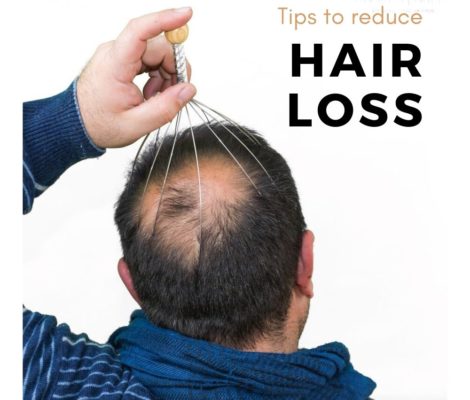
Scalp massages can be a relaxing and beneficial practice for maintaining healthy hair. Massaging the scalp stimulates blood flow and promotes the delivery of nutrients to the hair follicles. It also helps to loosen any buildup of oils and debris that can clog the hair follicles, potentially leading to hair loss. Use your fingertips to gently massage your scalp in circular motions for a few minutes each day. You can also incorporate natural oils or hair-stimulating serums during the massage for added benefits.
Trying topical treatments
Topical treatments, such as minoxidil, have been approved by the FDA for the treatment of hair loss. Minoxidil is available over-the-counter and has shown to be effective in regrowing hair in both men and women. It works by widening blood vessels and opening potassium channels, which can stimulate hair regrowth. Apply minoxidil solution or foam directly to your scalp as per the instructions provided. While topical treatments can be effective, it’s important to consult with a healthcare professional to determine the best approach for your specific hair loss concerns.
Considering medical interventions
Medications for hair loss
Several medications are available for the treatment of hair loss. Finasteride is an FDA-approved medication for men that works by blocking the conversion of testosterone to dihydrotestosterone (DHT), a hormone that contributes to hair loss. Women may benefit from medications like spironolactone or oral contraceptives, prescribed by a healthcare professional. These medications work by regulating hormonal factors that can contribute to hair loss. It’s crucial to consult with a healthcare professional before starting any medication to understand their potential benefits, risks, and suitability for you.
Hair transplant surgeries
Hair transplant surgeries involve the extraction of hair follicles from areas of the scalp unaffected by hair loss and transplanting them to areas where hair is thinning or sparse. This surgical procedure has advanced significantly in recent years and can provide long-lasting, natural-looking results. While hair transplant surgeries can be a costly and invasive option, they offer a permanent solution to hair loss. Consult with a qualified hair transplant specialist to discuss the procedure, potential outcomes, and any necessary preparations.
Platelet-rich plasma therapy
Platelet-rich plasma (PRP) therapy, mentioned earlier in the genetic treatments section, is another medical intervention for hair loss. This treatment involves using the patient’s own blood, which is centrifuged to obtain platelet-rich plasma. The concentrated plasma is then injected into the scalp to promote hair regrowth and thickening. PRP therapy is a minimally invasive procedure that has gained popularity due to its potential to stimulate dormant hair follicles and improve hair density. Consult with a healthcare professional who specializes in PRP therapy to assess its suitability for your specific hair loss concerns.
Embracing baldness
Changing your perspective
While preventing and managing hair loss is important, it’s also crucial to embrace baldness if it becomes inevitable. Hair loss does not define your worth or attractiveness. Shifting your perspective and focusing on other aspects of your appearance and personality can boost your self-confidence and help you feel comfortable and proud of who you are. Embrace your individuality and let your inner beauty shine through, regardless of your hair loss.
Opting for new hairstyles
If you’re experiencing hair loss but aren’t ready to embrace a completely bald look, trying out new hairstyles can be a creative and empowering option. Experiment with shorter hairstyles or different haircuts that complement your facial features. Some individuals find that growing a beard or facial hair can draw attention away from hair loss and create a distinctive look. Consult with a hairstylist who specializes in working with thinning hair for personalized recommendations and styling tips.
In conclusion, understanding balding and taking proactive measures can significantly contribute to maintaining hair health and preventing excessive hair loss. By adopting a healthy lifestyle, taking care of your hair, avoiding harmful habits, getting regular check-ups, understanding genetics, exploring natural remedies, considering medical interventions, and embracing baldness, you can empower yourself to make informed choices and feel confident in your hair’s appearance. Remember, your hair does not define your beauty or worth. Focus on overall well-being and self-acceptance, and let your unique qualities shine through.