In this article, you will learn the essential steps to prevent the onset of chicken pox. With the contagious nature of this virus, it is important to take proactive measures to protect yourself and your loved ones. By following these simple guidelines, you can significantly reduce the risk of contracting chicken pox and ensure a healthier and happier environment for everyone.
Vaccination
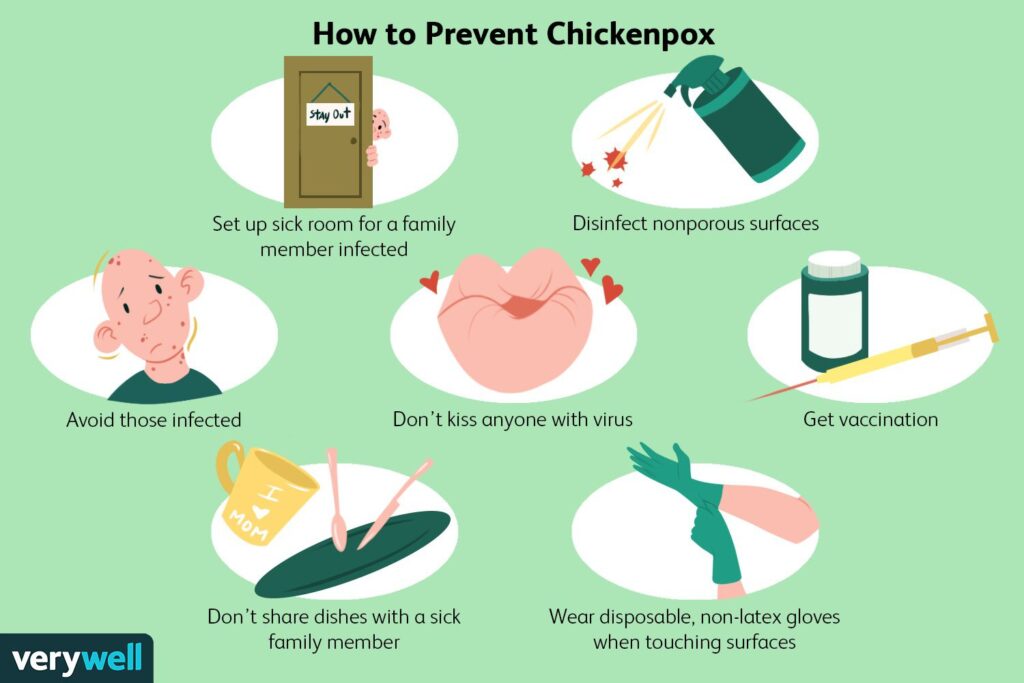
Chickenpox is a highly contagious viral infection that can easily spread from person to person. One of the most effective ways to prevent chickenpox is through vaccination. Vaccines help stimulate the body’s immune system to produce antibodies, which protect against the disease. There are two types of vaccines available for chickenpox prevention: the varicella vaccine and the MMRV vaccine. The varicella vaccine is a single-dose vaccine that is recommended for children aged 12 months and older, as well as for adults who have never had chickenpox. The MMRV vaccine, which combines the varicella vaccine with vaccines for measles, mumps, and rubella, is also available for children aged 12 months to 12 years. It is important to consult with a healthcare professional to determine which vaccine is most suitable for you or your child.
Hygiene Practices
In addition to vaccination, practicing good hygiene is essential for preventing the spread of chickenpox. One of the most important hygiene practices is regular handwashing. Washing your hands with soap and water for at least 20 seconds helps remove any viruses or bacteria that may be on your hands. It is especially important to wash your hands after using the toilet, before eating or preparing food, and after touching potentially contaminated surfaces.
Avoiding close contact with infected individuals is another important preventive measure. Chickenpox is highly contagious and can easily spread through respiratory droplets, direct contact with blisters, or touching surfaces contaminated with the virus. By maintaining a safe distance from individuals who have chickenpox, you can reduce your risk of contracting the virus.
Covering your mouth and nose when coughing or sneezing is an essential practice to prevent the spread of chickenpox. Using a tissue or the inside of your elbow to cover your mouth and nose helps to contain respiratory droplets that may carry the virus. It is important to properly dispose of used tissues and to avoid touching your face with unwashed hands.
Proper cleaning and disinfecting of surfaces is crucial in preventing the spread of chickenpox. Surfaces that are frequently touched, such as doorknobs, light switches, and countertops, should be cleaned and disinfected regularly. This helps eliminate any potential virus particles that may be present on these surfaces.
Isolation
If you or someone in your household has chickenpox, it is important to take measures to prevent the spread of the virus to others. Staying away from infected individuals is one of the most effective ways to avoid contracting the virus. If possible, the infected person should be isolated in a separate room to minimize contact with others.
Avoiding crowded places can also help reduce the risk of spreading chickenpox. Places with a high density of people, such as schools, shopping malls, and public transportation, increase the likelihood of coming into close contact with infected individuals. By avoiding these crowded places, you can minimize the chances of getting infected.
Quarantine measures may be necessary if you or someone in your household has been exposed to chickenpox. Quarantine involves staying at home and avoiding contact with others for a certain period of time, usually until the risk of contagion has passed. This helps prevent the spread of the virus to individuals who may be susceptible to severe complications, such as pregnant women or immunocompromised individuals.
Boosting Immune System
Maintaining a healthy lifestyle is important for building a strong immune system, which plays a crucial role in preventing and fighting infections. Eating a balanced diet that includes fruits, vegetables, whole grains, and lean proteins provides your body with the necessary nutrients to support immune function. It is also important to stay hydrated by drinking an adequate amount of water and limiting the consumption of sugary beverages.
Regular physical exercise has numerous health benefits, including boosting the immune system. Engaging in moderate-intensity activities, such as brisk walking, swimming, or cycling, for at least 150 minutes per week can help improve immune function and reduce the risk of infections. It is important to choose activities that you enjoy and to gradually increase the intensity and duration of your workouts.
Getting adequate rest is essential for supporting immune function. Lack of sleep can weaken the immune system and make you more susceptible to infections. Aim for 7-8 hours of quality sleep each night to allow your body to rest, repair, and rejuvenate.

Education and Awareness
Understanding the nature of chickenpox is key to preventing its spread. Educating yourself about the virus, including how it is transmitted and its symptoms, can help you take appropriate preventive measures. Chickenpox is highly contagious and can spread through direct contact or respiratory droplets. Being aware of how the virus spreads can help you make informed decisions to protect yourself and others.
Recognizing the symptoms of chickenpox is important for early identification and seeking appropriate medical advice. The most common symptom is a rash that develops into itchy, fluid-filled blisters. Other symptoms may include fever, headache, and fatigue. If you or someone in your household develops these symptoms, it is important to consult with a healthcare professional for proper diagnosis and guidance.
Seeking medical advice is crucial if you suspect you have chickenpox or have been exposed to the virus. A healthcare professional can provide accurate diagnosis, recommend appropriate treatment options, and offer guidance on managing the infection and preventing its spread. Early intervention can help minimize the severity of symptoms and reduce the risk of complications.
Informing others about your chickenpox diagnosis or exposure is an important step in preventing the spread of the virus. By letting people know about your condition, they can take necessary precautions to avoid contact with you and reduce the risk of contracting the virus. Additionally, informing others can help raise awareness about the importance of preventive measures and promote community health.
Precautions for High-risk Individuals
Certain individuals, such as pregnant women, newborns, and immunocompromised individuals, are at a higher risk of severe complications from chickenpox. It is important for these individuals to take extra precautions to protect themselves. Pregnant women should avoid contact with individuals who have chickenpox as the virus can cause birth defects or serious complications for the baby. It is also recommended that pregnant women receive the varicella vaccine before becoming pregnant.
Newborns who are too young to receive the varicella vaccine are particularly vulnerable to severe complications from chickenpox. It is important to ensure that friends and family members who may come into contact with the newborn are vaccinated or immune to chickenpox. This helps create a protective environment for the newborn and reduces the risk of infection.
Immunocompromised individuals, such as those undergoing chemotherapy or with certain medical conditions, have a weakened immune system and are more susceptible to infections. It is important for these individuals to avoid contact with individuals who have chickenpox and to follow strict hygiene practices to minimize the risk of exposure. Consultation with a healthcare professional is essential for determining the most appropriate preventive measures for high-risk individuals.
Travel Considerations
If you are planning to travel, it is important to consider the risk of contracting chickenpox in different destinations. Researching destinations before your trip can help you assess the prevalence of chickenpox and take appropriate preventive measures. Some countries may have a higher incidence of chickenpox, increasing the likelihood of exposure.
Consulting with healthcare professionals, such as your primary care physician or a travel medicine specialist, can provide you with valuable guidance on preventive measures during travel. They can recommend vaccines, such as the varicella vaccine, and provide advice on hygiene practices and other preventive measures.
Protective measures during travel are essential for reducing the risk of contracting chickenpox. These measures may include avoiding close contact with individuals who have chickenpox, practicing good hand hygiene, and avoiding crowded places. It is also important to follow any travel advisories or guidelines provided by health authorities to ensure your safety and the safety of others.
Controlling Outbreaks
In the event of a chickenpox outbreak, early identification and reporting are crucial. Health authorities rely on accurate and timely reporting of cases to implement appropriate control measures. If you suspect an outbreak or observe multiple cases of chickenpox in your community, it is important to notify local health authorities to ensure prompt action.
Quarantine procedures may be implemented during outbreaks to limit the spread of the disease. This involves isolating infected individuals and their close contacts to prevent further transmission. Quarantine measures may include staying at home, avoiding contact with others, and following strict hygiene practices.
Contact tracing is an important tool in controlling chickenpox outbreaks. Health authorities work to identify individuals who may have been in close contact with infected individuals and provide them with appropriate guidance. This helps reduce the risk of further transmission and allows for early intervention in suspected cases.
Supporting healthcare systems is essential in controlling and managing chickenpox outbreaks. This includes ensuring adequate resources, such as vaccines and medications, are available to healthcare providers. It also involves promoting public awareness and adherence to preventive measures to minimize the burden on healthcare facilities.

Preventive Measures for Outbreak-Prone Settings
Certain settings, such as schools, childcare facilities, community centers, and prisons, are more prone to outbreaks of chickenpox due to close contact and shared spaces. Taking preventive measures in these settings can help reduce the risk of transmission and protect vulnerable individuals.
In schools and childcare facilities, promoting vaccination and enforcing immunization requirements can help prevent and control chickenpox outbreaks. Educating staff, students, and parents about chickenpox prevention and the importance of vaccination can raise awareness and encourage compliance with preventive measures.
Community centers, such as recreational facilities and daycares, should implement hygiene practices, such as regular handwashing and cleaning of shared equipment and toys. It is important to provide hand hygiene supplies, such as soap and hand sanitizers, and promote their use among visitors and staff.
Prisons and correctional facilities face unique challenges in preventing and controlling chickenpox outbreaks due to the close quarter living conditions. Vaccination programs, strict hygiene practices, and quarantine measures can help reduce the risk of transmission in these settings. Regular health screenings and prompt identification of cases can allow for early intervention and prevent the spread of chickenpox.
Alternative Remedies
While vaccination and preventive measures are the most effective ways to prevent chickenpox, some people may be interested in alternative remedies. It is important to note that there is limited scientific evidence to support the effectiveness of natural remedies and homeopathic options in preventing or treating chickenpox.
Natural remedies, such as herbal supplements, may be promoted for immune support. However, it is important to consult with a healthcare provider before using any natural remedies, as they may interact with medications or have potential side effects.
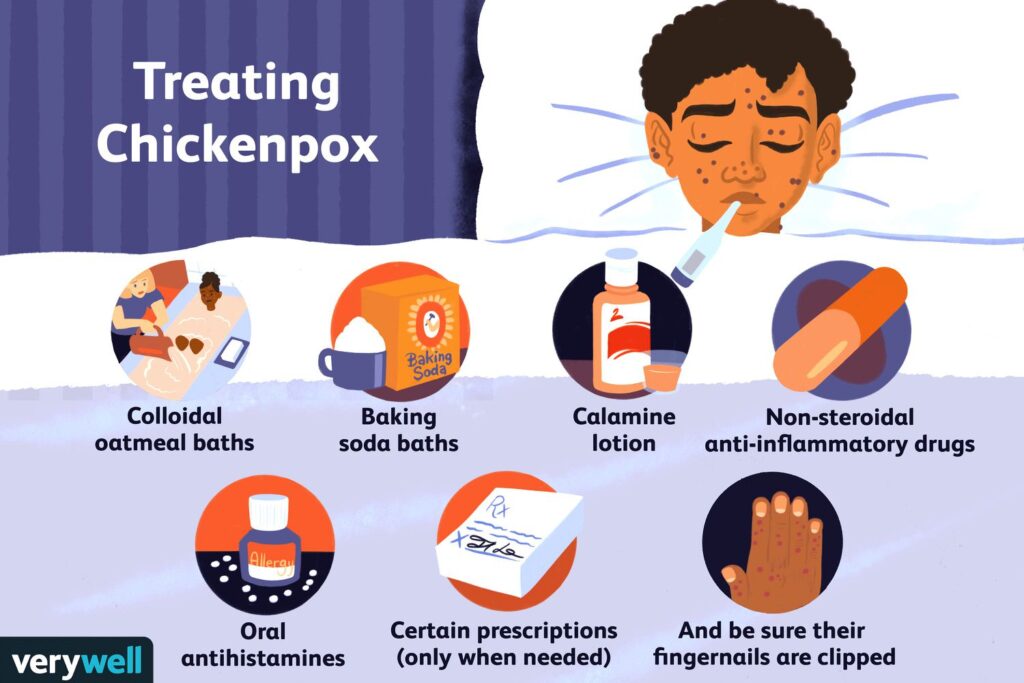
Homeopathic options, such as creams or ointments, may claim to reduce the severity of chickenpox symptoms. However, there is no scientific evidence to support these claims. It is important to seek medical advice for proper diagnosis and treatment options if you or someone in your household has chickenpox.
Consulting with healthcare providers is crucial for accurate information and guidance on preventive measures. They can provide evidence-based recommendations and help address any concerns or questions you may have about alternative remedies. It is important to rely on reputable sources and healthcare professionals for accurate information on chickenpox prevention and treatment.