
Imagine a world where a devastating disease like Motor Neurone Disease (MND) becomes a thing of the past. Well, thanks to recent advances in research, this dream might just become a reality sooner than we think. Motor Neurone Disease, also known as Amyotrophic Lateral Sclerosis (ALS), is a progressive neurodegenerative disorder that affects the nerve cells responsible for controlling muscle movement. It has long been known as an incurable and fatal disease, but scientists and researchers around the globe have been tirelessly working to change that. In this article, we will explore some of the promising breakthroughs in MND research and the hope they bring to millions of individuals and families affected by this devastating disease.
Overview of Motor Neurone Disease
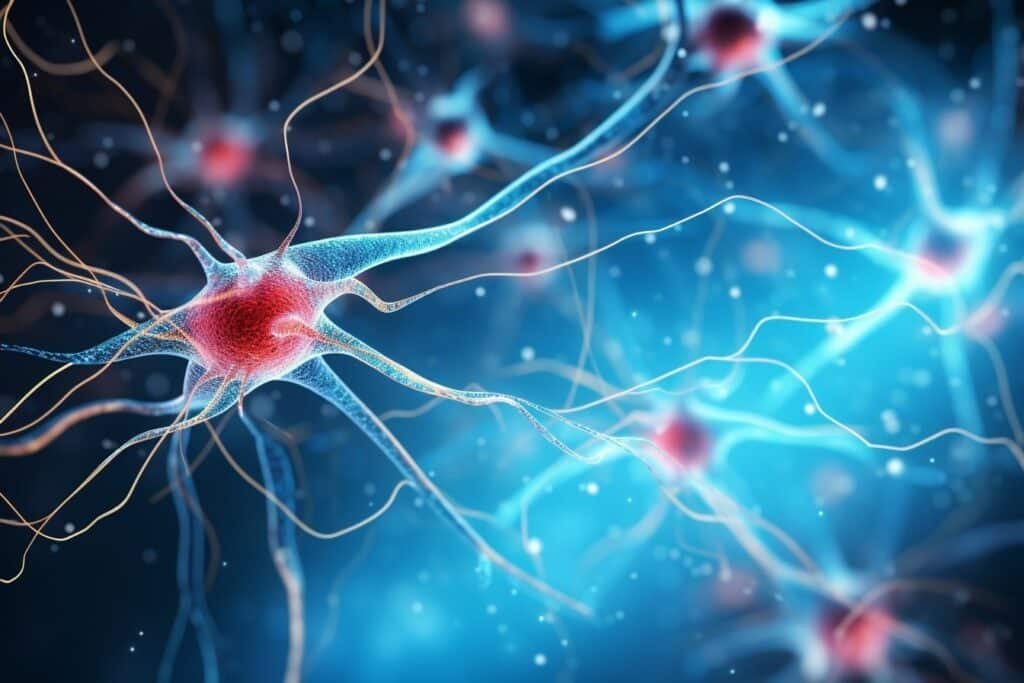
Motor Neurone Disease (MND) is a complex and debilitating neurodegenerative disorder that affects the nerve cells responsible for controlling voluntary muscle movement. This condition, also known as amyotrophic lateral sclerosis (ALS), leads to the gradual degeneration and death of motor neurons, resulting in muscle weakness, paralysis, and ultimately, respiratory failure.
Definition and Types of Motor Neurone Disease
MND encompasses a spectrum of disorders characterized by the degeneration of motor neurons. The most common type is sporadic ALS, which occurs without a known cause and accounts for approximately 90-95% of cases. The remaining cases are classified as familial ALS, where there is a genetic predisposition involved. Other variants of MND include primary lateral sclerosis (PLS), progressive muscular atrophy (PMA), and progressive bulbar palsy (PBP).
Symptoms and Progression of Motor Neurone Disease
The symptoms of MND can vary from person to person, but they typically involve muscle weakness, cramps, difficulty speaking, swallowing, and breathing. As the disease progresses, individuals may experience significant weight loss, muscle wasting, and a loss of mobility. Unfortunately, MND is a relentlessly progressive disease, and most patients experience a decline in physical function over time.
Causes and Risk Factors of Motor Neurone Disease
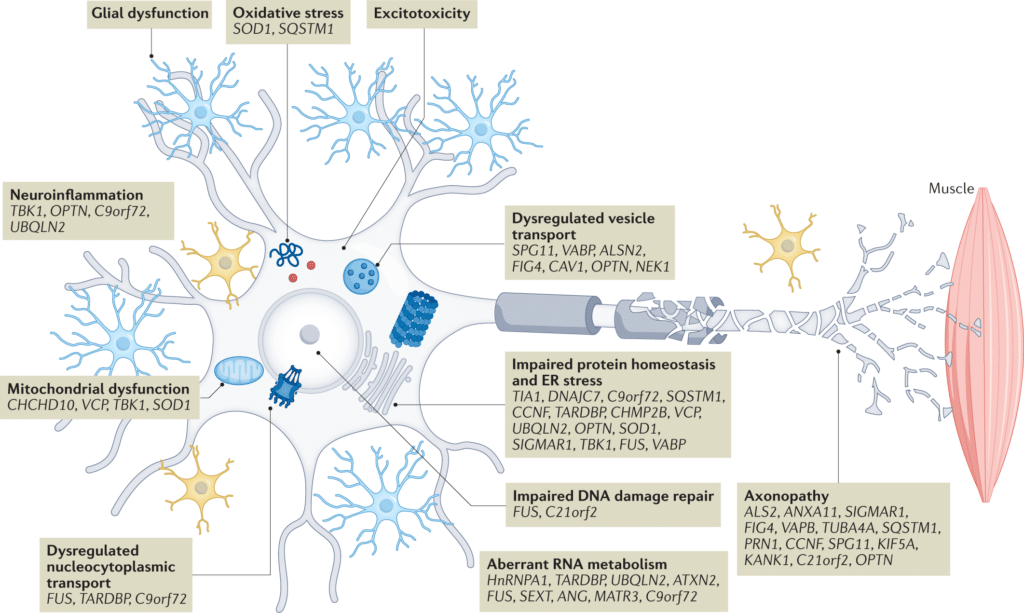
The exact cause of MND remains unknown, although researchers have identified several potential risk factors. These include genetic mutations, environmental factors, oxidative stress, and dysfunction in protein metabolism. Certain genetic mutations, such as those in the SOD1, C9orf72, and FUS genes, have been strongly associated with familial forms of MND. However, the majority of cases occur sporadically, and the underlying triggers are still not fully understood.
Current Challenges in Motor Neurone Disease Research
Despite significant research efforts, there are several challenges that hinder progress in understanding and treating MND.
Limited Understanding of Disease Mechanisms
One of the biggest hurdles in MND research is the limited understanding of the disease’s underlying mechanisms. While researchers have made significant progress in unraveling the complex biological processes involved in motor neuron degeneration, many questions still remain unanswered. The multifactorial nature of MND makes it difficult to pinpoint the exact sequence of events that lead to nerve cell death.
Lack of Effective Treatments
Another significant challenge in MND research is the lack of effective treatments. Currently, there is no cure for MND, and the available treatments only provide symptomatic relief. Riluzole and edaravone are the two FDA-approved drugs for MND, but their impact is modest and does not halt or reverse the disease progression. The development of new therapies that can slow down or stop the degenerative process is a key priority in MND research.
Diagnostic Difficulties
Diagnosing MND can be a lengthy and challenging process. Due to its diverse clinical presentation and similarities with other neuromuscular disorders, accurately identifying MND can take time. Furthermore, there is no definitive diagnostic test for MND, and the diagnosis is primarily based on clinical observation, electromyography (EMG) studies, and ruling out other possible causes. The development of more accurate and reliable diagnostic tools is crucial for early intervention and improved patient outcomes.
Advances in Molecular Research
Recent advancements in molecular research have shed light on the underlying mechanisms contributing to the development and progression of MND.
Identification of Genetic Mutations
Through genome-wide association studies and next-generation sequencing technologies, researchers have identified several genetic mutations associated with MND. These discoveries have provided valuable insights into the genetic basis of the disease and have helped classify different subtypes of MND. Understanding the role of these genetic variations is crucial for developing targeted therapies and personalized treatment approaches.
Study of Protein Misfolding and Aggregation
Another significant area of molecular research in MND focuses on protein misfolding and aggregation. In MND, certain abnormal proteins, such as TDP-43 and FUS, accumulate in motor neurons, forming aggregates that disrupt normal cellular function. Investigating the mechanisms behind protein misfolding and aggregation may pave the way for new therapeutic strategies aimed at preventing or reversing these pathological processes.
Understanding Mitochondrial Dysfunction
Researchers have also identified dysfunctional mitochondria, the powerhouses of cells, as a potential contributor to MND. Mitochondrial dysfunction leads to increased oxidative stress and impaired energy production, both of which can contribute to motor neuron degeneration. By studying the specific mechanisms underlying mitochondrial dysfunction in MND, researchers hope to develop interventions that restore mitochondrial health and protect motor neurons.
Emerging Therapeutic Approaches
With the growing understanding of MND at the molecular level, several promising therapeutic approaches are being explored.
Gene Therapy and Genetic Editing
One notable breakthrough in MND research is the development of gene therapy and genetic editing techniques. These approaches aim to correct or modify the genetic mutations responsible for familial forms of MND. By delivering functional genes or using gene editing tools like CRISPR-Cas9, researchers aim to restore normal motor neuron function and halt disease progression.
Stem Cell Transplantation
The use of stem cells holds great potential in MND research. Stem cells have the ability to differentiate into various cell types, including motor neurons. By transplanting healthy stem cell-derived motor neurons into affected individuals, researchers hope to replace the degenerated motor neurons and restore muscle function. This approach is still in its early stages but shows promise for future therapeutic applications.
Immune System Modulation
Growing evidence suggests that abnormalities in the immune system may contribute to motor neuron degeneration in MND. Researchers are exploring strategies to modulate immune responses and reduce neuroinflammation in order to protect and preserve motor neurons. Immunomodulatory drugs and targeted therapies are being investigated as potential avenues for MND treatment.

Neuroprotective Strategies
With the ultimate goal of preserving motor neurons and slowing down disease progression, neuroprotective strategies are a major focus of MND research.
Reducing Oxidative Stress
Oxidative stress, which occurs when there is an imbalance between free radicals and antioxidants, plays a crucial role in motor neuron degeneration. Researchers are investigating the use of antioxidants and other compounds to counteract oxidative stress and protect motor neurons from damage.
Enhancing Cellular Energy Production
As MND is associated with mitochondrial dysfunction and impaired energy production, finding ways to enhance cellular energy metabolism is a priority in research. Targeting the mechanisms involved in energy production, such as mitochondrial biogenesis and metabolic pathways, may help maintain motor neuron health and function.
Promoting Neuronal Survival
Preserving the survival of motor neurons is paramount in MND. Researchers are exploring various strategies, such as growth factors, neurotrophic factors, and genetic approaches, to promote motor neuron survival and prevent their degeneration. These interventions aim to provide neuroprotection and maintain functional motor units.
Clinical Trials and Drug Development
Clinical trials play a pivotal role in advancing MND research and evaluating the efficacy and safety of potential treatments.
Potential Disease-modifying Drugs
Numerous clinical trials are underway to assess the effectiveness of disease-modifying drugs in MND. These drugs target specific mechanisms implicated in motor neuron degeneration, with the aim of altering disease progression. Encouraging results from preclinical studies have paved the way for the development of novel therapeutic options for MND.
Improved Clinical Trial Designs
In order to optimize clinical trial outcomes and accelerate the development of new treatments, researchers are working on innovative trial designs. Adaptive trial designs, which allow for the modification of study parameters as new information emerges, are gaining popularity in MND research. These designs reduce trial duration and maximize the chances of detecting treatment effects.
Regulatory Hurdles and Patient Access
While progress in clinical trials is promising, there are still regulatory hurdles and challenges in ensuring patient access to new therapies. Collaboration between researchers, regulatory agencies, and patient advocacy groups is essential to overcome these obstacles and ensure that promising treatments reach those who need them most.
Advancements in Diagnosis and Prognosis
Early diagnosis and accurate prognosis are crucial for timely intervention and improved patient outcomes.
Biomarkers for Early Detection
The development of reliable biomarkers for MND could revolutionize disease diagnosis and monitoring. Biomarkers could help identify individuals at risk of developing MND, detect the disease at an early stage, and track disease progression. Researchers are exploring various biological markers, including genetic, proteomic, and neuroimaging markers, to improve early detection.
Improved Imaging Techniques
Advances in neuroimaging techniques have provided valuable insights into the structural and functional changes in the brains of individuals with MND. Techniques such as magnetic resonance imaging (MRI), positron emission tomography (PET), and functional MRI (fMRI) allow researchers to visualize and quantify these changes. Improved imaging techniques hold promise for early diagnosis, monitoring disease progression, and assessing treatment response in MND.
Predictive Models for Disease Progression
Developing predictive models that can estimate disease progression in MND is crucial for personalized patient management. By analyzing clinical and biological data, researchers aim to identify factors that influence disease course and develop models that can provide accurate prognostic information. These models can help guide treatment decisions and improve patient care.
Rehabilitation and Supportive Care
Comprehensive care for individuals with MND extends beyond medical interventions and should include rehabilitation and supportive services.
Physical Therapy and Exercise Programs
Physical therapy plays a vital role in managing MND symptoms and maintaining functional independence. Tailored exercise programs can help preserve muscle strength, improve mobility, and enhance quality of life. Rehabilitation specialists play a key role in developing individualized exercise regimens that address the specific needs and abilities of each person with MND.
Assistive Technologies and Mobility Aids
The use of assistive technologies and mobility aids can greatly enhance the quality of life for individuals with MND. Devices such as wheelchairs, communication assistive devices, and adaptive tools help compensate for motor impairments and promote independence. Ongoing advancements in assistive technology aim to provide innovative solutions for the unique challenges faced by individuals with MND.
Psychological and Emotional Support
The emotional and psychological impact of MND cannot be overlooked. In addition to physical symptoms, individuals with MND often experience anxiety, depression, and a range of emotional difficulties. Providing psychological and emotional support is crucial for addressing the holistic needs of individuals with MND and their caregivers. Counseling, support groups, and access to mental health services play a vital role in promoting overall well-being.
Patient and Caregiver Perspectives
Understanding the perspectives of individuals living with MND and their caregivers is critical for improving care and support services.
Evaluating Quality of Life
Assessing and improving the quality of life for individuals with MND is a key focus of research and clinical practice. Researchers are developing comprehensive measures to evaluate the physical, psychological, and social well-being of individuals with MND. By understanding the impact of the disease on quality of life, healthcare providers can tailor interventions and support services to address the specific needs of each individual.
Social Support Networks
Building and maintaining social support networks is essential for individuals with MND and their caregivers. Support groups and organizations provide valuable opportunities for individuals to connect with others facing similar challenges, share experiences, and gain emotional support. Strengthening social support networks helps individuals and caregivers navigate the journey of living with MND and promotes a sense of community.
Access to Care and Services
Ensuring equitable access to care and support services is a critical aspect of MND research. Collaboration between healthcare providers, policymakers, and advocacy groups is essential for identifying and addressing barriers to care. Improving accessibility to specialized clinics, multidisciplinary care teams, and assistive devices is crucial for optimizing outcomes and enhancing the overall quality of care for individuals with MND.
Collaborative Efforts in Research
In order to make significant advancements in MND research, collaboration and knowledge sharing are essential.
International Research Consortia
International research consortia bring together experts from various disciplines and institutions to pool their knowledge and resources. These collaborations facilitate large-scale studies, foster data sharing, and accelerate the pace of discovery. By working collaboratively, researchers can overcome the challenges associated with MND and develop innovative approaches towards understanding and treating the disease.
Data Sharing and Collaborative Networks
Data sharing and collaborative networks have become crucial components of MND research. Open-access databases and platforms allow researchers from around the world to share their findings, access large datasets, and collaborate on projects. By promoting transparency and facilitating data sharing, these networks foster a culture of collaboration and maximize the impact of research efforts.
Patient Engagement and Advocacy
Engaging individuals with MND and their caregivers in research and decision-making processes is vital. Patient engagement helps ensure that research priorities align with the needs and preferences of the MND community. Patient advocacy organizations play a crucial role in raising awareness, providing support, and advocating for research funding and policy changes that benefit individuals with MND.
Conclusion
Motor Neurone Disease presents significant challenges for both researchers and individuals affected by the condition. However, promising breakthroughs in molecular research, emerging therapeutic approaches, advancements in diagnosis and prognosis, and comprehensive supportive care are providing hope for a brighter future. Collaborative efforts among researchers, clinicians, patients, and advocacy groups are paving the way for transformative advancements in the understanding, treatment, and management of MND. By continuing to prioritize research and support, we can strive to improve the lives of those impacted by this devastating disease.