Living with Heart Disease: Coping Strategies is an article that explores practical techniques and mindset shifts to navigate the challenges of living with heart disease. With a friendly tone and relatable advice, the article offers valuable insights on managing stress, adopting a heart-healthy lifestyle, and finding emotional support. Whether you have recently been diagnosed with heart disease or are supporting a loved one, this article provides a brief but comprehensive overview of coping strategies that can positively impact daily life and overall well-being.
Understanding Heart Disease
Heart disease is a term that encompasses a range of conditions that affect the heart. It is essential to have a comprehensive understanding of heart disease to effectively manage and cope with it. By learning about the types of heart disease, causes and risk factors, symptoms and diagnosis, individuals can take proactive steps in their own healthcare journey.
Types of heart disease
There are various types of heart disease, each with its own set of characteristics and challenges. Some common types include coronary artery disease (CAD), heart failure, arrhythmias, and valve disease. CAD occurs when the arteries that supply blood to the heart become narrowed or blocked, leading to chest pain or a heart attack. Heart failure occurs when the heart’s ability to pump blood is weakened, resulting in fatigue and fluid retention. Arrhythmias refer to irregular heart rhythms, while valve disease involves the malfunctioning of heart valves. Understanding the different types of heart disease enables individuals to better comprehend their specific condition and the treatments available.
Causes and risk factors
Heart disease can develop due to various causes and risk factors. Some common causes include atherosclerosis, which is the build-up of fatty deposits in the arteries, and hypertension, or high blood pressure. Other causes may include genetic factors, diabetes, and certain lifestyle choices such as smoking or excessive alcohol consumption. Identifying the causes and risk factors of heart disease can help individuals make necessary changes to minimize their risk and manage their condition effectively.
Symptoms and diagnosis
Recognizing the symptoms of heart disease is crucial for early detection and proper treatment. Symptoms may vary depending on the specific type of heart disease but may include chest pain, shortness of breath, fatigue, or palpitations. Seeking medical attention for proper diagnosis is essential. Doctors may perform various tests such as electrocardiograms (ECGs), stress tests, echocardiograms, or angiograms to evaluate heart function and determine the appropriate treatment plan. Understanding the symptoms and diagnosis procedures allows individuals to communicate effectively with healthcare professionals and advocate for their own well-being.
Medical Treatment Options
When it comes to treating heart disease, there are various medical options available. Depending on the specific condition and severity, healthcare professionals may recommend medications, surgical interventions, or implanted devices.
Medications
Medications are commonly used to manage heart disease. They can help control blood pressure, reduce cholesterol levels, and prevent blood clot formation. Some medications may also improve heart function or relieve symptoms. It is important for individuals to follow their prescribed medication regimen strictly and communicate any concerns or side effects to their healthcare provider.
Surgical interventions
In some cases, surgical interventions may be necessary to treat heart disease. Procedures such as angioplasty and stenting can help open narrowed or blocked arteries, while bypass surgery involves rerouting blood flow around blocked arteries. Heart valve repair or replacement may be recommended for individuals with valve disease. Surgical interventions require careful consideration and consultation with healthcare professionals to assess risks and benefits.
Implanted devices
Implanted devices play a crucial role in managing certain types of heart disease. This includes pacemakers, which help regulate abnormal heart rhythms, and implantable cardioverter-defibrillators (ICDs), which monitor heart rhythms and deliver electric shocks if life-threatening arrhythmias occur. These devices can significantly improve quality of life and reduce the risk of sudden cardiac arrest in individuals with specific heart conditions.
Lifestyle Changes for Heart Disease
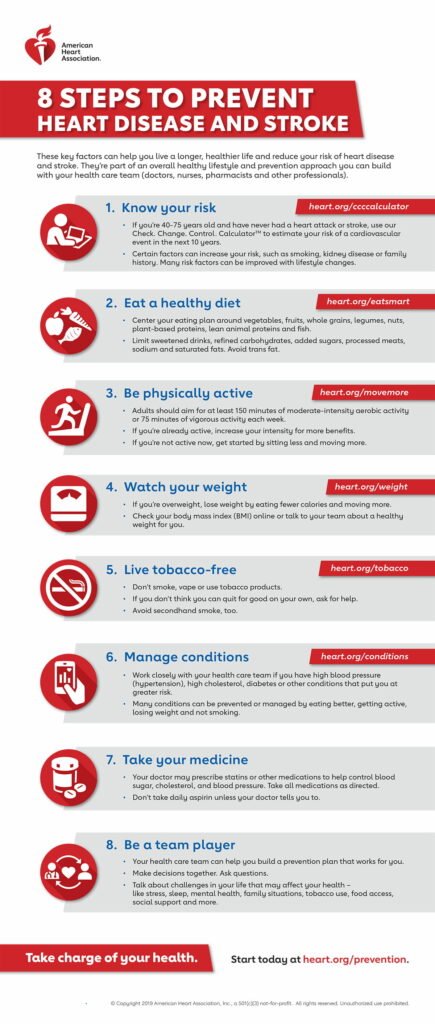
In addition to medical treatments, making lifestyle changes is an essential component of managing heart disease. Adopting a heart-healthy diet, engaging in regular exercise, quitting smoking, reducing stress, and managing other health conditions are all key aspects of promoting cardiovascular health.
Heart-healthy diet
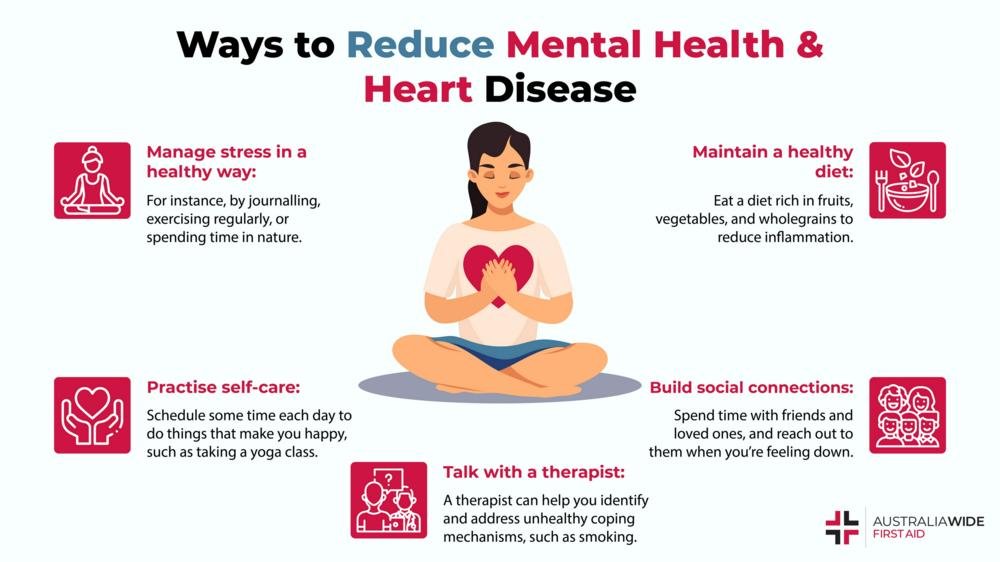
A heart-healthy diet consists of consuming nutrient-dense foods that support heart health. This includes consuming plenty of fruits, vegetables, whole grains, lean proteins, and healthy fats while limiting the intake of processed foods, saturated fats, and added sugars. By following a heart-healthy diet, individuals can reduce cholesterol levels, maintain a healthy weight, and lower their risk of complications associated with heart disease.
Regular exercise
Regular exercise has numerous benefits for individuals with heart disease. Engaging in aerobic exercises such as brisk walking, swimming, or cycling helps strengthen the heart and improve overall cardiovascular health. It can also help control weight, lower blood pressure, and improve mood. It is important to consult with a healthcare professional before starting an exercise program and to gradually increase intensity and duration.
Smoking cessation
Smoking and exposure to secondhand smoke are major risk factors for heart disease. Quitting smoking is one of the most impactful steps individuals can take to improve their heart health. There are various resources available to help individuals quit smoking, including counseling, support groups, and medications. By quitting smoking, individuals significantly reduce their risk of heart disease and improve their overall well-being.
Reducing stress
High levels of stress can negatively impact heart health. Finding healthy ways to cope with and reduce stress is essential for individuals with heart disease. This may involve engaging in relaxation techniques such as deep breathing, meditation, or yoga. Additionally, pursuing hobbies, spending time with loved ones, and adopting stress-management strategies can contribute to overall emotional well-being and heart health.
Managing other health conditions
Individuals with heart disease often have other health conditions that need to be managed effectively. Conditions such as diabetes, high blood pressure, or obesity can exacerbate heart disease. It is essential to work closely with healthcare professionals to develop a comprehensive treatment plan that addresses all health conditions simultaneously. Proper management of these conditions can improve overall cardiovascular health and reduce the risk of complications.
Creating a Support System
Living with heart disease can be overwhelming at times, and having a strong support system can make all the difference. Building a support system involving family, friends, and professional help can provide individuals with the necessary emotional and practical support to cope with challenges associated with heart disease.
Family and friends
Family and friends play a crucial role in providing emotional support and encouragement to individuals with heart disease. They can provide a listening ear, offer assistance with daily tasks, and be a source of motivation during difficult times. Open communication with loved ones about personal experiences, concerns, and needs fosters a supportive environment.
Joining support groups
Joining support groups allows individuals to connect with others who share similar experiences and challenges. Support groups provide a safe space to discuss concerns, share coping strategies, and receive practical advice from individuals who understand the journey of living with heart disease. Many support groups are available both online and in-person, providing individuals with a sense of community and understanding.
Seeking professional help
In some cases, seeking professional help from psychologists or counselors specialized in dealing with heart disease can be beneficial. These professionals can offer guidance in managing associated anxiety, depression, or other emotional issues that commonly arise when living with a chronic condition. They provide valuable tools and coping techniques to help individuals navigate the emotional aspects of heart disease.

Emotional and Mental Well-being
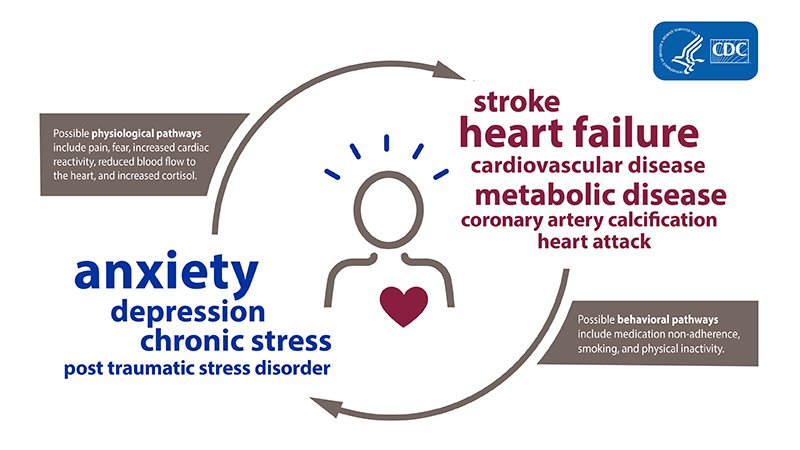
Heart disease not only affects physical health but also takes a toll on emotional and mental well-being. It is important to address the emotional aspects of living with heart disease to improve overall quality of life.
Coping with anxiety and depression
Anxiety and depression can be common in individuals living with heart disease. It is crucial to recognize the signs and seek professional help if needed. Various coping mechanisms, such as practicing relaxation techniques or engaging in enjoyable activities, can help manage anxiety and depression. It is important to maintain open communication with healthcare professionals and loved ones to ensure appropriate support is in place.
Finding purpose and motivation
Living with heart disease requires individuals to adapt to new realities and potentially make significant lifestyle changes. Finding purpose and motivation can help individuals stay focused and motivated in their journey towards better heart health. Setting small, achievable goals and finding activities that bring joy and fulfillment can assist in maintaining a positive outlook and sense of purpose.
Practicing mindfulness and relaxation techniques
Mindfulness and relaxation techniques are valuable tools in managing stress and improving overall well-being. Engaging in practices such as meditation, deep breathing exercises, or progressive muscle relaxation can help individuals reduce stress levels, lower blood pressure, and improve sleep quality. Incorporating these practices into daily routines fosters a sense of calm and enhances emotional and mental well-being.
Adapting Daily Activities
Living with heart disease often requires individuals to adapt their daily activities to accommodate their condition. By making necessary modifications and utilizing assistive devices and tools, individuals can continue to lead active and fulfilling lives.
Maintaining a routine
Establishing and maintaining a routine is important for individuals with heart disease. Regularity in daily activities, such as eating meals at consistent times and adhering to medication schedules, helps manage the condition effectively. A routine also allows individuals to structure their day and conserve energy to prevent unnecessary fatigue.
Modifying physical activities
Individuals with heart disease may need to modify their physical activities to ensure their safety and well-being. Depending on their specific condition and recommendations from healthcare professionals, they may need to adjust the intensity, duration, or type of exercise they engage in. Gradually increasing physical activity levels and listening to the body’s cues are important factors in avoiding exertion beyond safe limits.
Assistive devices and tools
Assistive devices and tools can provide individuals with heart disease the necessary support to carry out daily activities. Simple aids such as pill organizers, blood pressure monitors, and adaptive equipment for household tasks can assist in managing medications and monitoring health parameters. Consulting with healthcare professionals can provide valuable information and recommendations regarding assistive devices and tools suitable for individual needs.

Managing Medications and Monitoring
Proper management of medications and monitoring health parameters is essential for individuals with heart disease. By staying organized and following prescription instructions accurately, individuals can maximize the effectiveness of their treatment plan.
Organizing medications
Keeping medications organized is crucial for individuals with heart disease who often have multiple prescriptions. Using pill organizers or apps to schedule medications and track doses can help ensure they are taken at the correct times. Regularly reviewing medication lists with healthcare professionals and updating as necessary is vital for safety and efficacy.
Following prescription instructions
Following prescription instructions is essential for the efficacy and safety of medication use. Understanding dosage requirements, any potential side effects, and interactions with other medications or foods is crucial. It is important to communicate any concerns or questions to healthcare professionals to ensure medications are used correctly and appropriate adjustments are made when necessary.
Tracking vital signs and symptoms
Regularly monitoring vital signs and symptoms is important for individuals with heart disease. Measuring blood pressure, heart rate, and weight at home can provide important information for healthcare professionals, helping them assess the effectiveness of treatments and detect any potential complications. Tracking symptoms such as chest pain, shortness of breath, or fatigue can also assist in recognizing changes that should be communicated to healthcare professionals promptly.
Preventing Complications
Preventing complications is a key aspect of managing heart disease effectively. By adhering to regular medical check-ups, maintaining a healthy weight, and controlling blood pressure and cholesterol levels, individuals can reduce the risk of further complications.
Regular medical check-ups
Regular medical check-ups are crucial for individuals with heart disease. These appointments allow healthcare professionals to monitor heart function, adjust medications if necessary, and detect any changes or complications early on. Routine blood tests, imaging, and other diagnostic tests may be conducted to ensure optimal management of heart disease.
Maintaining a healthy weight
Maintaining a healthy weight is important for individuals with heart disease. Obesity increases the risk of complications and puts additional strain on the heart. Adopting a balanced diet and engaging in regular physical activity tailored to individual capabilities can contribute to achieving and maintaining a healthy weight.
Controlling blood pressure and cholesterol levels
High blood pressure and cholesterol levels significantly contribute to heart disease. It is important for individuals to control these risk factors through medication, lifestyle modifications, or a combination of both. Regular blood pressure checks and lipid profile tests help monitor progress and guide treatment decisions.
Maintaining a Positive Outlook
Maintaining a positive outlook is essential for individuals living with heart disease. Setting realistic goals, celebrating achievements, and fostering a positive mindset contribute to overall well-being and resilience in the face of challenges.
Setting realistic goals
Setting realistic goals is important to maintain motivation and prevent feelings of overwhelm. Individuals with heart disease can work with healthcare professionals to establish achievable goals related to medication adherence, exercise, and lifestyle changes. Breaking larger goals into smaller, manageable steps enhances the likelihood of success and helps individuals maintain a positive outlook.
Celebrating achievements
Celebrating achievements, no matter how small, is crucial for individuals with heart disease. Recognizing progress and milestones encourages continued effort and motivates individuals to stay dedicated to their health goals. Celebrations can take many forms, including acknowledging personal improvements, sharing successes with loved ones, or rewarding oneself for reaching specific milestones.
Fostering a positive mindset
Fostering a positive mindset is beneficial for individuals living with heart disease. Cultivating optimism, gratitude, and resilience can help manage stress, build emotional well-being, and improve overall quality of life. Engaging in activities or practices that promote a positive mindset, such as journaling, practicing self-care, or surrounding oneself with positive influences, creates a foundation for a fulfilling life despite the challenges posed by heart disease.
Educating Yourself and Loved Ones
Education is empowering when it comes to heart disease. Staying informed about heart disease, educating family and friends, and being an advocate for heart health are all important aspects of effectively managing the condition.
Staying informed about heart disease
Staying informed about heart disease allows individuals to actively participate in their own healthcare and make informed decisions. Keeping up with advancements in treatments and understanding the latest research can help individuals have meaningful conversations with healthcare professionals and engage in shared decision-making. Reliable sources such as reputable medical websites, healthcare professionals, and reputable organizations provide trustworthy information.
Educating family and friends
Educating family and friends about heart disease is essential for fostering understanding and creating a supportive environment. By sharing information about the condition, treatment options, and recommended lifestyle changes, individuals can ensure their loved ones are knowledgeable and better equipped to provide necessary support. Including loved ones in doctor’s appointments or providing them with educational materials can further enhance their understanding.
Being an advocate for heart health
Being an advocate for heart health extends beyond personal well-being. By raising awareness about heart disease and promoting healthy lifestyle choices, individuals can contribute to preventing heart disease in their communities. Participating in public health initiatives, sharing personal experiences, and supporting heart health organizations are all ways to advocate for heart health and make a positive impact.