
Living with Motor Neurone Disease (MND) can be challenging and overwhelming, but with the right coping strategies and support, you can navigate this journey with strength and resilience. MND, a progressive neurological condition, affects the nerves in your brain and spinal cord, leading to muscle weakness, difficulty speaking, and impaired mobility. In this article, we will explore various coping strategies that can help you manage the physical and emotional aspects of MND, as well as the importance of seeking support from loved ones and medical professionals. By embracing these strategies and building a strong support network, you can enhance your quality of life and find solace in knowing you are not alone in this battle.

Diagnosis of Motor Neurone Disease
Motor Neurone Disease (MND) is a progressive neurodegenerative disorder that affects the nerves responsible for controlling voluntary muscle movements. If you are experiencing symptoms such as muscle weakness, muscle stiffness, or difficulty speaking and swallowing, it is essential to seek medical attention for a proper diagnosis.
Symptoms of Motor Neurone Disease
The symptoms of Motor Neurone Disease can vary from person to person, but some common signs to look out for include muscle weakness, muscle cramps, muscle twitching, difficulty speaking and swallowing, and loss of coordination. These symptoms may develop gradually, and it is important not to ignore them or dismiss them as normal signs of aging.
Medical Tests for Motor Neurone Disease
When you visit a healthcare professional to discuss your symptoms, they will likely perform a series of tests to diagnose Motor Neurone Disease. These tests may include a thorough medical history assessment, a physical examination to assess muscle strength and reflexes, and various diagnostic tests such as electromyography (EMG) and nerve conduction studies (NCS) to evaluate nerve function.
Interpreting the Diagnosis
Receiving a diagnosis of Motor Neurone Disease can be overwhelming and emotional. It is essential to take the time to process and understand the diagnosis. It may be helpful to ask your healthcare provider questions about the disease progression, available treatments, and possible outcomes. Remember that knowledge is power, and understanding your condition can help you make informed decisions about your care.
Seeking a Second Opinion
If you have received a diagnosis of Motor Neurone Disease and have doubts or concerns about it, seeking a second opinion can provide you with added reassurance and information. It is completely normal to want confirmation of such a significant diagnosis. Consult with another healthcare professional who specializes in neurology or neuromuscular disorders to ensure that all aspects of your condition have been thoroughly evaluated.
Physical Coping Strategies
While there is currently no cure for Motor Neurone Disease, there are various strategies and interventions that can help you manage the physical symptoms and maintain your quality of life.
Maintaining Muscle Strength
Physical exercise and muscle-strengthening activities, tailored to your abilities, can help slow down muscle deterioration and maintain muscle strength. Consult with a physical therapist who specializes in MND to develop a personalized exercise plan that suits your needs and abilities.
Assistive Devices and Adaptive Equipment
As MND progresses, you may require assistive devices and adaptive equipment to aid you in daily activities. Devices such as walkers, wheelchairs, and communication aids can help maintain independence and improve your overall quality of life. Consult with an occupational therapist who can assess your specific needs and recommend appropriate assistive devices.
Physical Therapy and Rehabilitation
Physical therapy and rehabilitation programs can help you manage symptoms, maintain flexibility, and improve your overall physical function. Working with a physical therapist who specializes in MND can provide guidance and support in developing a personalized rehabilitation plan to address your specific needs.
Managing Fatigue and Energy Levels
Fatigue is a common symptom of MND and can significantly impact daily activities. It is important to manage your energy levels effectively by prioritizing tasks, taking regular breaks, and conserving energy whenever possible. Occupational therapists can provide valuable strategies and techniques to help manage fatigue and maximize your energy throughout the day.
Dealing with Swallowing and Speech Difficulties
Swallowing difficulties and changes in speech are common in MND. Early intervention by a speech and language therapist can help develop strategies to maintain clear speech and manage swallowing difficulties. They can recommend techniques and devices such as modified diets, thickened fluids, and communication aids to ensure optimal communication and nutrition.
Breathing Support and Respiratory Care
As MND progresses, breathing difficulties may arise due to muscle weakness affecting the respiratory system. Respiratory specialists can provide respiratory care and support options, including non-invasive ventilation, to alleviate symptoms and improve breathing function. Regular monitoring and collaboration with healthcare professionals specializing in respiratory care are crucial in managing this aspect of the disease.
Emotional Coping Strategies
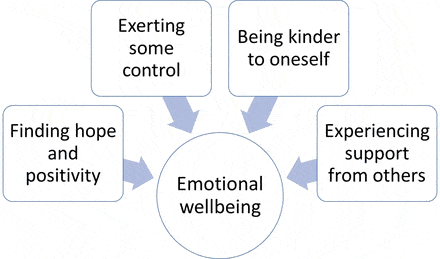
Receiving a diagnosis of Motor Neurone Disease can be emotionally challenging not only for you but also for your loved ones. It is essential to prioritize your emotional well-being and seek appropriate support when needed.
Accepting and Understanding the Diagnosis
Coming to terms with a diagnosis of Motor Neurone Disease is a unique and individual journey. It is important to give yourself the time and space needed to process the diagnosis and understand the emotional impact it may have on your life. Reach out to healthcare professionals who can provide guidance and resources to help you navigate this emotional journey.
Accessing Emotional Support
Living with MND can be emotionally challenging, and it is important to have emotional support throughout your journey. Reach out to friends, family, and support networks who can offer a listening ear and provide emotional support. Psychologists or counselors specializing in chronic illnesses can also provide a safe space to express your emotions and develop coping strategies.
Managing Anxiety and Depression
Anxiety and depression are common emotional responses to a diagnosis of Motor Neurone Disease. If you are experiencing heightened anxiety or feelings of sadness, consult with a mental health professional who can provide appropriate interventions such as therapy or medication to manage these conditions effectively.
Seeking Professional Counselling or Therapy
Professional counseling or therapy can be beneficial in addressing the emotional toll of living with Motor Neurone Disease. Therapy sessions can provide a safe and non-judgmental environment to process emotions, cope with grief and loss, and develop strategies for improving overall well-being.
Engaging in Support Groups and Networks
Connecting with others who are going through similar experiences can be incredibly empowering and comforting. Joining support groups or online communities dedicated to individuals affected by MND can provide a sense of belonging, understanding, and a platform to share experiences and knowledge.
Maintaining a Positive Mindset
While living with Motor Neurone Disease can be challenging, maintaining a positive mindset can greatly impact your overall well-being. By focusing on the things you can control, setting realistic goals, and celebrating small victories, you can cultivate resilience and embrace positivity in your daily life.
Occupational and Daily Life Adaptations
Motor Neurone Disease may require adjustments and adaptations to your daily life to ensure comfort, accessibility, and independence. Consider the following strategies and modifications:
Workplace Accommodations
If you are currently employed, it may be necessary to make accommodations in your workplace to support your needs. Communicate openly with your employer and human resources department about your condition, and discuss potential workplace adaptations such as flexible work hours, modified duties, or assistive technology to aid in your job tasks.
Modifying Home Environment
Making modifications to your home environment can greatly improve accessibility and independence. This may include installing grab bars in bathrooms, widening doorways for wheelchair access, or rearranging furniture to accommodate mobility aids. Occupational therapists can provide valuable guidance in assessing your home environment and recommending appropriate modifications.
Assistance with Daily Activities
As MND progresses, you may require assistance with daily activities such as dressing, bathing, or meal preparation. Develop a support system that includes family, friends, or professional caregivers who can provide assistance as needed. In-home support services can also offer specialized care and assistance tailored to your specific needs.
Maintaining Independence
Maintaining independence for as long as possible is an important aspect of living with MND. Explore assistive devices, adaptive equipment, and technologies that can enhance your independence in activities of daily living. Occupational therapists can provide recommendations and training on how to use these devices effectively.
Managing Medications and Treatment Schedule
As part of your daily routine, it is important to effectively manage your medications and treatment schedule. Organize medications, set reminders, and consider utilizing pill organizers or medication apps to ensure adherence to your prescribed regimen. Consult with your healthcare provider or pharmacist for guidance on taking medications correctly and managing potential side effects.
Nutritional Care and Diet Modifications
Maintaining a balanced diet and addressing swallowing difficulties are crucial aspects of managing Motor Neurone Disease. Focus on the following strategies:
Maintaining a Balanced Diet
Good nutrition is essential for supporting overall health and well-being. Aim for a well-rounded diet that includes a variety of fruits, vegetables, lean proteins, whole grains, and healthy fats. A registered dietitian can provide guidance and create a personalized nutrition plan tailored to your specific needs and swallowing abilities.
Addressing Swallowing Difficulties
MND can often result in swallowing difficulties, known as dysphagia. Consult with a speech and language therapist or a dietitian who specializes in dysphagia management to develop strategies that ensure safe and efficient swallowing. This may involve modifying food textures, using thickening agents, or considering alternative feeding methods if necessary.
Consulting with a Registered Dietitian
Consulting with a registered dietitian who specializes in MND can provide valuable guidance on maintaining optimal nutrition despite the challenges posed by the disease. They can help tailor your diet to address specific nutrient needs, manage weight loss or gain, and ensure proper hydration.
Supplementing with Nutritional Supplements
In some cases, oral nutrition supplements may be recommended to ensure adequate nutrient intake. These supplements come in various forms such as shakes, powders, or bars and can help supplement your daily caloric and nutritional needs. Consult with your healthcare provider or a registered dietitian to determine if nutritional supplementation is necessary for your specific situation.
Monitoring Weight and Nutrient Intake
Regular monitoring of your weight and nutrient intake is essential to ensure that you are receiving adequate nutrition and managing any weight changes effectively. Keep a food diary to track your meals and consult with a healthcare professional to assess your nutritional status and make any necessary adjustments to your diet.
Managing Medications and Treatment
Effectively managing medications and treatment options is crucial in maintaining symptom control and overall well-being when living with Motor Neurone Disease.
Understanding Medication Options
There is currently no cure for Motor Neurone Disease; however, several medications can help alleviate symptoms, manage complications, and improve quality of life. It is important to work closely with your healthcare provider to understand the available medication options, their potential benefits, and possible side effects.
Adhering to Medication Regimen
Consistency and adherence to your prescribed medication regimen are vital for optimal symptom management. Set reminders, organize your medications, and develop a routine that ensures you take your medications as directed. If you are experiencing difficulty swallowing medications, discuss alternative formulations such as liquid or crushed forms with your healthcare provider.
Monitoring Side Effects and Interactions
Some medications used to manage Motor Neurone Disease symptoms may have side effects or potentially interact with other medications or supplements you are taking. Regular communication with your healthcare provider is crucial to monitor any side effects or drug interactions and make appropriate adjustments to your treatment plan.
Incorporating Complementary and Alternative Therapies
In addition to conventional medications, some individuals may explore complementary and alternative therapies to manage symptoms and improve overall well-being. Examples include acupuncture, massage therapy, and herbal supplements. Before incorporating any alternative therapy, consult with your healthcare provider to ensure it is safe, does not interfere with your prescribed treatments, and aligns with your overall care plan.
Financial Assistance and Resources
Managing the financial aspects of living with Motor Neurone Disease can be challenging. Consider the following strategies to explore financial assistance and resources:
Exploring Insurance Coverage
Review your health insurance policy to understand the coverage it provides for Motor Neurone Disease-related expenses. Familiarize yourself with coverage for medical appointments, medications, assistive devices, and other necessary services. Contact your insurance provider directly for any specific questions or concerns about coverage.
Applying for Disability Benefits
Motor Neurone Disease can often result in disability that affects your ability to work. Research and apply for disability benefits that you may be eligible for, such as Social Security Disability Insurance (SSDI) or other government assistance programs. Gather medical documentation and consult with professionals experienced in disability claims to ensure a smooth application process.
Accessing Financial Aid Programs
Various organizations and foundations offer financial aid programs specifically designed to assist individuals and families impacted by Motor Neurone Disease. Explore these opportunities and apply for grants or financial assistance that can help cover medical expenses, home modifications, or assistive devices.
Seeking Assistance from Non-Profit Organizations
Non-profit organizations focused on Motor Neurone Disease often provide support services, financial assistance, and resources to individuals and families affected by the condition. Reach out to these organizations to access their support programs, educational materials, and community resources.
Utilizing Community Resources
Local community resources, such as government agencies, charitable organizations, and support groups, can offer valuable assistance and support. Research local resources available in your area that can provide financial aid, respite care, or other services that can benefit you and your family.
Supportive Care and Palliative Care Services
Supportive care and palliative care services can enhance your quality of life and provide comprehensive support throughout your journey with Motor Neurone Disease.
Understanding Supportive Care
Supportive care focuses on providing relief from symptoms and addressing the emotional, physical, and practical needs of individuals with Motor Neurone Disease. Supportive care teams, consisting of healthcare professionals from various disciplines, work collaboratively to manage symptoms, improve quality of life, and provide support for both patients and their families.
Accessing Palliative Care Services
Palliative care aims to address the physical, emotional, and spiritual needs of individuals with serious illnesses, including Motor Neurone Disease, at any stage of the disease. Palliative care teams work alongside your primary healthcare provider to manage pain and symptoms, improve communication, and ensure overall comfort and well-being.
Exploring End-of-Life Planning
End-of-life planning involves making decisions about medical care, preferences for treatment, and the creation of advance directives or living wills. These decisions are important to ensure that your wishes are respected and followed in the event that you are no longer able to communicate or make decisions for yourself. Consult with your healthcare provider or a legal professional to guide you through the end-of-life planning process.
Engaging with Hospice Services
Hospice care provides specialized medical and supportive services for individuals nearing the end of their lives. Hospice teams focus on managing pain, providing emotional support, enhancing quality of life, and ensuring a peaceful and comfortable end-of-life experience. Discuss with your healthcare provider about when hospice care may be appropriate and how to access these services.
Addressing Complex Symptom Management
Motor Neurone Disease can present complex symptoms that may require specialized symptom management. As the disease progresses, work closely with your healthcare team to address symptoms such as pain, respiratory distress, swallowing difficulties, and emotional distress. Specialized palliative care teams, hospice services, and healthcare professionals can provide comprehensive support in managing these complex symptoms.

Impact on Relationships and Social Life
Motor Neurone Disease can have a significant impact on relationships and social interactions. It is important to actively address these challenges and seek support from loved ones and professionals.
Communicating with Family and Friends
Open and honest communication with your family and friends is crucial in navigating the challenges posed by Motor Neurone Disease. Educate them about the disease, its progression, and how it may affect your daily life. Communicate your needs and feelings, and encourage them to ask questions and offer their support.
Managing Intimate Relationships
Motor Neurone Disease can impact intimate relationships in various ways. It is important to have open and compassionate conversations with your partner about the changes you may experience and the support you may require. Seek professional counseling if necessary, as therapists can provide guidance and strategies for maintaining healthy and fulfilling intimate relationships.
Supporting Children and Family Members
Motor Neurone Disease can affect not only the individual diagnosed but also their children and other family members. It is crucial to provide age-appropriate information to children about the disease and involve them in discussions and decisions to help them understand and adjust to the changes. Involve family members in support groups or counseling services to ensure they have the necessary tools to manage their own emotions and support you effectively.
Participating in Social Activities
Engaging in social activities can help counter feelings of isolation and maintain a sense of normalcy and social connection. Explore activities and events that accommodate your abilities and interests, such as support group meetings, online communities, adaptive sports, or hobbies that can be adapted to your needs.
Addressing Isolation and Loneliness
Living with Motor Neurone Disease can sometimes lead to feelings of isolation and loneliness. It is important to actively seek support from friends, family, and support groups. Exploring online communities dedicated to MND can also provide a sense of connection and understanding with others who share similar experiences.
Research and Clinical Trials
Staying informed about current research and potentially participating in clinical trials are important ways to contribute to the advancement of knowledge and treatment options for Motor Neurone Disease.
Staying Informed about Current Research
By staying informed about current research and advancements in the field of Motor Neurone Disease, you can better understand the latest findings, potential treatment options, and ongoing clinical trials. Consult reputable sources such as scientific journals, medical websites, and reliable MND organizations that provide updated information on research progress.
Exploring Participation in Clinical Trials
Clinical trials are crucial in the development of new therapies and treatment approaches for Motor Neurone Disease. Participating in a clinical trial may provide access to experimental treatments not yet available to the general public. Before considering participation, thoroughly evaluate the trial, consult with your healthcare provider, and carefully consider the potential benefits and risks.
Understanding the Potential Benefits and Risks
Before participating in a clinical trial, it is important to fully understand the potential benefits and risks involved. Consult with the trial investigators, review informed consent documents, and assess your own personal circumstances to determine if participation is the right decision for you. Your healthcare provider can help provide guidance and further information on the potential benefits and risks of clinical trials.
Accessing Experimental Treatments
Experimental treatments, such as investigational medications or interventions, may be recommended as part of a clinical trial or through compassionate use programs. Compassionate use programs allow patients with serious or immediately life-threatening conditions to access investigational treatments outside of the clinical trial setting. Discuss with your healthcare provider about the availability of experimental treatments and determine if they are suitable for your specific situation.
Living with Motor Neurone Disease presents unique challenges that require comprehensive strategies to navigate physical, emotional, and lifestyle aspects effectively. By implementing coping strategies, seeking support, and accessing appropriate resources, you can enhance your quality of life and optimize your overall well-being. Remember, you are not alone, and there is support available to help you every step of the way.