
Imagine a disease that slowly robs individuals of their ability to move, speak, and even breathe. Motor Neurone Disease, also known as MND, is a devastating condition that affects thousands of people worldwide. From the initial diagnosis to the daily struggles faced by those living with the disease, MND has a profound impact not only on the individuals themselves but also on their families. In this article, we will explore the ripple effect of MND, shedding light on the challenges faced by those affected and the importance of raising awareness about this debilitating condition. Get ready to uncover the untold stories and gain a deeper understanding of the impact Motor Neurone Disease has on individuals and families.
1. The Definition and Causes of Motor Neurone Disease
1.1 Definition of Motor Neurone Disease
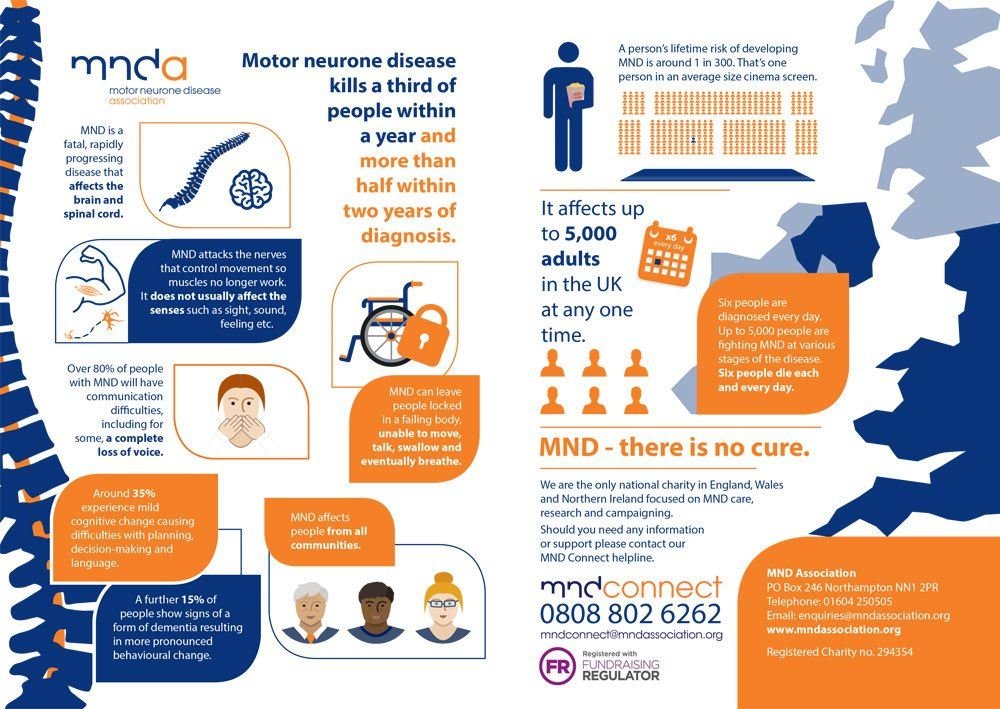
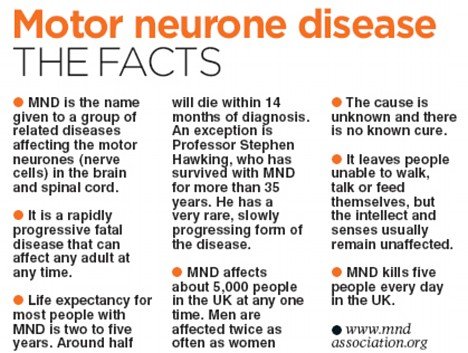
Motor Neurone Disease (MND), also known as Amyotrophic Lateral Sclerosis (ALS), is a progressive neurodegenerative disease that affects the nerve cells responsible for controlling voluntary muscle movements. These nerve cells, known as motor neurons, degenerate and eventually die, leading to a loss of muscle control and function.
1.2 Types of Motor Neurone Disease
There are different types of MND, including sporadic and familial forms. Sporadic MND occurs randomly and has no clear genetic cause, while familial MND is inherited and runs in families. Both types have similar symptoms and progression patterns.
1.3 Causes of Motor Neurone Disease
The exact cause of MND is unknown, but several factors have been associated with its development. Genetic mutations, environmental factors, and abnormalities in protein metabolism have all been proposed as possible causes. However, more research is needed to fully understand the underlying causes of MND.
2. Symptoms and Progression of Motor Neurone Disease
2.1 Early Signs and Symptoms
In the early stages of MND, individuals may experience muscle weakness, twitching, cramps, and difficulty with coordination. As the disease progresses, these symptoms worsen and lead to more significant impairments in mobility and muscle function.
2.2 Disease Progression
MND is a progressive disease, meaning that symptoms gradually worsen over time. Initially, symptoms may be localized to specific muscle groups, but eventually, they spread to other areas of the body. The rate of progression varies among individuals, but in general, MND leads to increasing disability and ultimately affects the muscles involved in breathing and swallowing.
2.3 Advanced Stage Symptoms
In the advanced stages of MND, individuals may experience severe muscle weakness and paralysis. They may require assistance with activities of daily living and may be dependent on a wheelchair for mobility. Difficulties with speech and swallowing become more pronounced, leading to a greater reliance on communication and feeding aids.
2.4 Cognitive and Emotional Changes
While MND primarily affects motor function, some individuals may also experience cognitive and emotional changes. These can include difficulties with decision-making, memory problems, and changes in mood and behavior. It is important to note that these changes are not experienced by all individuals with MND, and the impact varies from person to person.
3. Diagnosing Motor Neurone Disease
3.1 Medical History and Physical Examination
Diagnosing MND can be challenging, as there is no definitive test. Healthcare professionals rely on a comprehensive medical history and physical examination to evaluate a person’s symptoms and rule out other possible causes. The presence of both upper and lower motor neuron signs is a key feature in making the diagnosis.
3.2 Electromyography (EMG) and Nerve Conduction Studies
Electromyography (EMG) and nerve conduction studies are commonly used to assess the function of motor neurons and the electrical activity of muscles. These tests help confirm the presence of motor neuron degeneration and rule out other conditions that may mimic MND.
3.3 Magnetic Resonance Imaging (MRI)
MRI scans may be performed to visualize the brain and spinal cord and to rule out other potential causes of the symptoms. Although MRI findings are not specific to MND, they can aid in ruling out other conditions.
3.4 Lumbar Puncture
In some cases, a lumbar puncture or spinal tap may be performed to analyze the cerebrospinal fluid for abnormalities that could indicate MND or other neurological conditions.
3.5 Genetic Testing
Genetic testing may be recommended for individuals with a family history of MND or individuals diagnosed at a young age. This can help identify specific genetic mutations associated with familial forms of MND and provide insights into the inheritance pattern within a family.
4. Treatment and Management of Motor Neurone Disease
4.1 Multidisciplinary Approach to Care
A multidisciplinary approach is crucial to managing MND effectively. This involves a team of healthcare professionals, including neurologists, physiotherapists, occupational therapists, speech and language therapists, and palliative care specialists. Together, they can provide comprehensive care, addressing the various aspects of the disease and enhancing quality of life.
4.2 Medications to Manage Symptoms
While there is no cure for MND, certain medications can help manage symptoms and slow down disease progression. These may include medications to reduce muscle cramps and spasticity, manage saliva production and swallowing difficulties, and address respiratory problems.
4.3 Assistive Devices and Technology
The use of assistive devices and technology can greatly enhance the independence and quality of life for individuals with MND. Wheelchairs, communication devices, and adaptive tools for daily living can help maximize function and maintain autonomy.
4.4 Nutritional Support
Maintaining adequate nutrition is crucial for individuals with MND, as swallowing difficulties and muscle weakness can make eating and drinking challenging. Working with a dietitian can help develop strategies to ensure proper nutrition, which may include modifying food textures, using feeding tubes, or considering artificial nutrition.
4.5 Palliative Care
Palliative care focuses on improving the quality of life for individuals with MND and their families. It involves providing symptom management, emotional support, and assistance with end-of-life decisions. Palliative care teams work closely with individuals and their families to ensure comfort and dignity throughout the disease journey.
5. Impact on Individuals Living with Motor Neurone Disease
5.1 Physical Limitations and Challenges
The physical limitations caused by MND can significantly impact an individual’s ability to perform daily tasks, move independently, and participate in activities they once enjoyed. The loss of muscle control and progressive disability can be emotionally and psychologically challenging.
5.2 Emotional and Psychological Impact
Living with MND can evoke a range of emotions, including sadness, frustration, anxiety, and fear. Coping with the physical changes and the uncertainty of the disease can place a significant emotional burden on individuals, requiring support from loved ones, healthcare professionals, and mental health professionals.
5.3 Financial Burden
MND can lead to substantial financial burdens for individuals and their families. Costs associated with medical care, assistive devices, home modifications, and ongoing support can quickly accumulate. Navigating insurance coverage and accessing appropriate financial resources is crucial to alleviate this burden.
5.4 Loss of Independence
As MND progresses, individuals may gradually lose their independence and become reliant on others for assistance with daily activities. This loss of independence can be emotionally challenging and may contribute to feelings of frustration and loss of identity.
5.5 Impact on Relationships
MND significantly impacts relationships, both with immediate family members and friends. The changes in physical abilities, communication difficulties, and emotional strain can strain relationships, requiring open and honest communication and support for both the individual and their loved ones.
6. Impact on Families and Caregivers of Individuals with Motor Neurone Disease
6.1 Role of Caregivers
Family members and loved ones often take on the role of caregivers for individuals with MND. They provide physical, emotional, and practical support, assisting with daily activities, coordinating medical care, and advocating for their loved ones’ needs.
6.2 Emotional and Psychological Impact on Families
Caring for someone with MND can be emotionally and psychologically demanding for family members. Witnessing the progression of the disease, managing the associated challenges, and coping with the uncertainty and grief can take a toll on caregivers’ well-being. Access to support and respite care is essential for their own self-care.
6.3 Financial Strain
Caring for someone with MND can result in financial strain for families. The costs associated with healthcare needs, assistive devices, and home modifications, alongside potential loss of income due to caregiving responsibilities, can create significant financial burdens. Seeking financial assistance and exploring available resources is crucial for alleviating this strain.
6.4 Changes in Family Dynamics
The presence of MND within a family can lead to significant changes in family dynamics. Roles may shift, and the additional responsibilities placed on family members can impact relationships and create additional stress. Open and honest communication, shared decision-making, and professional support can help families navigate these changes.
6.5 Support for Families and Caregivers
It is essential for the well-being of families and caregivers to have access to support services. This may include psychological counseling, caregiver support groups, respite care, and educational resources. The availability of such support can significantly alleviate the emotional and practical challenges faced by families and caregivers.
7. Research, Awareness, and Advocacy for Motor Neurone Disease
7.1 Current Research and Medical Advances
Ongoing research and medical advances continue to improve our understanding of MND and develop potential treatment options. Scientists are investigating genetic and environmental factors that contribute to the development of MND, as well as potential therapeutic interventions that may slow down disease progression or alleviate symptoms.
7.2 Promoting Awareness and Understanding
Raising awareness about MND is crucial to improve public understanding and dispel misconceptions surrounding the disease. Education and awareness campaigns help reduce stigma, increase empathy, and promote early diagnosis and access to appropriate care.
7.3 Advocacy for Improved Care
Advocacy efforts aim to improve the care and support available to individuals with MND. By advocating for policies that prioritize early intervention, funding for research, and comprehensive healthcare services, advocates can help shape a better future for those affected by MND.
7.4 Fundraising and Supportive Organizations
Fundraising initiatives and supportive organizations play a vital role in providing resources, support, and services to individuals and families affected by MND. These organizations strive to support research, raise awareness, and provide practical assistance to improve the lives of those impacted by the disease.
7.5 Future Directions in Motor Neurone Disease
The future of MND research holds promise, with ongoing efforts to better understand the disease’s underlying mechanisms and develop targeted therapies. Advances in technology, such as gene therapy and stem cell research, offer hope for innovative treatments and potential breakthroughs in the management and treatment of MND.
8. Living with Motor Neurone Disease: Coping Strategies and Support
8.1 Psychological and Emotional Support
Psychological and emotional support is essential for individuals living with MND. This support may come from mental health professionals, support groups, or individual counseling. Techniques such as relaxation exercises, mindfulness, and cognitive-behavioral therapy can help individuals cope with the emotional challenges of living with MND.
8.2 Adaptive Strategies for Daily Living
Adaptive strategies can help individuals with MND maintain their independence and improve their quality of life. Occupational therapists can provide recommendations for assistive devices, modifications to the physical environment, and techniques to conserve energy and maximize function.
8.3 Support Groups and Peer Networks
Participating in support groups and connecting with others who are going through similar experiences can be invaluable for individuals with MND. Support groups provide a safe space for sharing experiences, receiving emotional support, and learning from others’ coping strategies.
8.4 Holistic Approaches to Well-being
In addition to medical care, individuals with MND can benefit from holistic approaches that focus on their overall well-being. These may include physical therapy, massage therapy, acupuncture, and other complementary therapies that can address pain, muscle stiffness, or promote relaxation and emotional well-being.
8.5 Enhancing Quality of Life
Enhancing quality of life involves a comprehensive approach that addresses physical, emotional, and social well-being. It includes access to appropriate medical care, assistive devices, emotional support, and opportunities for meaningful social engagement. Supporting individuals in maintaining their independence, pursuing meaningful activities, and fostering a sense of purpose can greatly enhance their quality of life.
9. Motor Neurone Disease and the Medical Community
9.1 Challenges in Diagnosis and Management
Motor Neurone Disease presents unique challenges for the medical community due to its complex nature and the absence of a definitive diagnostic test or cure. Accurate and timely diagnosis, effective symptom management, and coordinated care require a collaborative approach involving healthcare professionals from multiple disciplines.
9.2 Training and Education for Healthcare Professionals
Comprehensive training and education for healthcare professionals are crucial for optimizing the care provided to individuals with MND. Continuing education programs, specialized workshops, and interdisciplinary conferences can enhance healthcare professionals’ knowledge and skills in managing MND and addressing the diverse needs of individuals affected by the disease.
9.3 Collaboration and Interdisciplinary Care
Collaboration and interdisciplinary care are vital in effectively managing MND. Neurologists, physiotherapists, occupational therapists, speech and language therapists, palliative care specialists, mental health professionals, and other healthcare providers must work together to develop personalized care plans, ensure timely interventions, and provide holistic support to individuals and their families.
9.4 Ethical Considerations
Managing MND raises important ethical considerations related to end-of-life care, decision-making, and advanced care planning. Open and honest discussions about these topics, involving individuals with MND and their families, can help ensure their preferences and wishes are respected and help guide medical interventions throughout the disease journey.
9.5 Improving Healthcare Systems
To meet the complex needs of individuals with MND, healthcare systems must prioritize accessible and comprehensive care. This includes timely diagnosis, equitable access to healthcare services, comprehensive multidisciplinary care, and ongoing support for individuals and their families. Advocacy for improved healthcare policies and resource allocation is essential to promote positive outcomes for those living with MND.
10. Conclusion
Motor Neurone Disease is a devastating condition that affects individuals physically, emotionally, and psychologically. While there is currently no cure, advancements in research and healthcare services offer hope for improved management strategies and enhanced quality of life. By raising awareness, providing support, and advocating for better care, we can make a difference in the lives of those living with MND and their families. Together, we can strive for a future where individuals with MND are supported, empowered, and have access to the care and resources they need.