
Are you seeking effective strategies and recommendations for managing angioedema? Look no further! This article provides valuable insights into tackling this condition head-on. Angioedema, a form of swelling beneath the skin, can be uncomfortable and potentially life-threatening if left untreated. By implementing the right strategies, you can effectively manage and alleviate the symptoms associated with angioedema, giving you peace of mind and a higher quality of life. So, let’s dive into the strategies and recommendations that will help you conquer this condition.
Understanding Angioedema
Angioedema is a condition characterized by the sudden development of swelling beneath the skin’s surface. This swelling typically occurs in the deeper layers of the skin, most commonly in the face, lips, tongue, throat, hands, and feet. It is often accompanied by itching, pain, and a sensation of heat. Understanding the causes, symptoms, types, and diagnosis of angioedema is crucial for effective management and prevention of this condition.
Definition
Angioedema is a form of allergic reaction that results in rapid swelling of the deeper layers of the skin. It is caused by the release of chemicals such as histamine, which cause blood vessels to leak fluid into surrounding tissues. This sudden swelling can be alarming, especially when it affects the lips, tongue, or throat, as it may lead to difficulty breathing or swallowing.
Causes
Angioedema can be triggered by various factors, including allergic reactions, hereditary conditions, medications, infections, and underlying medical conditions. Allergic triggers may include foods, medications, insect bites or stings, and exposure to certain allergens. Hereditary angioedema (HAE) is a rare genetic condition that is caused by a deficiency or dysfunction of certain proteins involved in regulating blood vessel function.
Symptoms
The main symptom of angioedema is the sudden onset of swelling in various parts of the body. This swelling may be painless or accompanied by discomfort, itching, or a burning sensation. Swelling commonly occurs in the face, lips, tongue, throat, hands, and feet. In severe cases, angioedema can lead to difficulty breathing, swallowing, or speaking, which requires immediate medical attention.
Types of Angioedema
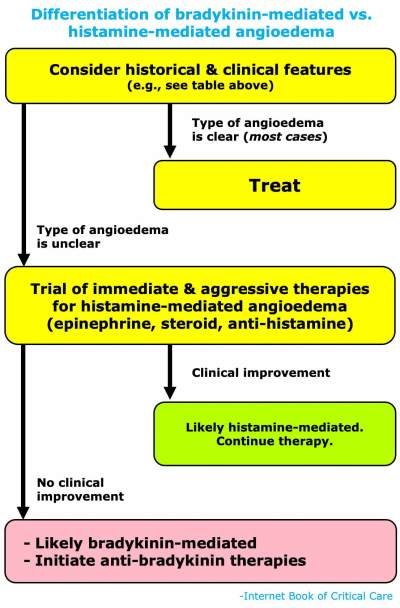
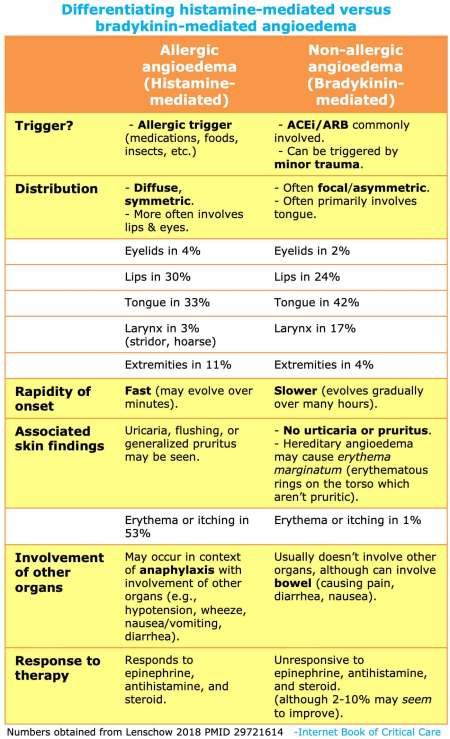
There are several types of angioedema, including allergic angioedema, idiopathic angioedema, drug-induced angioedema, and hereditary angioedema. Allergic angioedema is the most common type and is triggered by an allergic reaction. Idiopathic angioedema refers to cases where the cause is unknown. Drug-induced angioedema occurs as a side effect of certain medications. Hereditary angioedema (HAE) is a genetic condition that runs in families and leads to recurrent episodes of swelling.
Diagnosis
Diagnosing angioedema involves a thorough evaluation of symptoms, medical history, and physical examination. Your healthcare provider may also order blood tests, allergy testing, and imaging studies to rule out other causes of swelling. It is important to provide detailed information about any recent exposures to potential triggers, as this can help in identifying the underlying cause of angioedema.
Immediate Intervention Measures
When faced with an angioedema episode, it is crucial to act swiftly to manage the condition and prevent complications. Immediate intervention measures involve identifying triggers, avoiding allergens, incorporating safety measures, using an epinephrine autoinjector, and seeking medical help.
Identifying Triggers
One of the key steps in managing angioedema is to identify the triggers that may lead to an episode. These triggers can vary from person to person and may include specific foods, medications, environmental allergens, or insect bites. Keeping a detailed record of any potential triggers and the associated symptoms can help in identifying patterns and avoiding future episodes.
Avoiding Allergens
Once the triggers are identified, it is important to take steps to avoid exposure to those allergens. This may involve reading food labels carefully to avoid potential allergens, using hypoallergenic products, ensuring proper ventilation in living spaces, and taking precautions when spending time outdoors during high pollen seasons. Avoiding known triggers can significantly reduce the occurrence of angioedema episodes.
Incorporating Safety Measures
If you have a history of angioedema, it is advisable to take certain safety precautions to minimize the risk of complications. For example, it is essential to carry an emergency action plan that includes information about your condition, triggers, medications, and emergency contact numbers. Wearing a medical alert bracelet or necklace can also be helpful in case of an emergency when you are unable to communicate.
Epinephrine Autoinjector Usage
In severe cases of angioedema, where there is involvement of the airway or signs of anaphylaxis, the use of an epinephrine autoinjector is recommended. An epinephrine autoinjector is a handheld device that delivers a pre-measured dose of epinephrine, a medication that helps to quickly reduce swelling and open up the airways. It is important to learn how to properly use an epinephrine autoinjector and always carry it with you if you are at risk of an angioedema episode.
Seeking Medical Help
While immediate intervention measures can help manage angioedema, it is important to seek medical help for a proper evaluation and long-term management plan. Your healthcare provider can help identify the underlying cause of angioedema, prescribe appropriate medications, and provide guidance on lifestyle modifications to prevent future episodes. Regular follow-ups with your healthcare provider are essential to monitor your condition and adjust the management plan accordingly.
Pharmacological Treatment Options
In addition to immediate intervention measures, pharmacological treatment options are available to help manage angioedema. These may include antihistamines, corticosteroids, leukotriene inhibitors, immunomodulatory drugs, and potential side effects associated with these medications.
Antihistamines
Antihistamines are commonly used to manage the symptoms of angioedema, especially in cases triggered by allergies. These medications work by blocking the effects of histamine, thereby reducing swelling, itching, and other allergic symptoms. They are available over-the-counter or by prescription, depending on the severity of symptoms and individual needs.
Corticosteroids
Corticosteroids, such as prednisone, may be prescribed for more severe or persistent episodes of angioedema. These medications work by suppressing the immune system and reducing inflammation. Corticosteroids are usually prescribed for short-term use to manage acute episodes and are not recommended for long-term use due to potential side effects.
Leukotriene Inhibitors
Leukotriene inhibitors, such as montelukast, can be used as an alternative or adjunct to antihistamines in managing angioedema. These medications work by blocking the actions of leukotrienes, substances that contribute to allergic inflammation. Leukotriene inhibitors are typically prescribed for individuals who have both seasonal allergies and angioedema triggered by allergens.
Immunomodulatory Drugs
In certain cases of angioedema, especially those caused by autoimmune conditions or hereditary factors, immunomodulatory drugs may be prescribed. These medications help regulate the immune system and reduce the frequency and severity of angioedema episodes. Immunomodulatory drugs are usually prescribed by specialists and require close monitoring due to potential side effects.
Potential Side Effects
It is important to be aware of potential side effects associated with pharmacological treatments for angioedema. Common side effects of antihistamines include drowsiness, dry mouth, and dizziness. Corticosteroids may cause weight gain, mood changes, and increased risk of infections. Leukotriene inhibitors can sometimes cause headaches, gastrointestinal disturbances, and changes in behavior. Immunomodulatory drugs may have more significant side effects, including increased risk of infections and other systemic reactions. Always consult with your healthcare provider regarding the appropriate medication and potential side effects for your specific condition.
Emergency Management of Angioedema
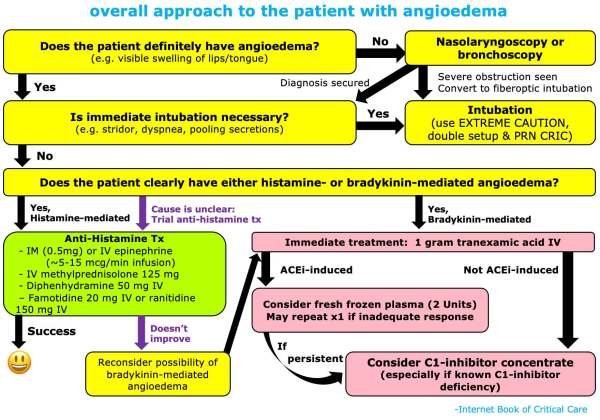
In severe cases of angioedema, emergency management is crucial to ensure the safety and well-being of the individual. Immediate actions may involve airway management, administering epinephrine, oxygen therapy, intravenous fluids, and intubation or tracheostomy if necessary.
Airway Management
When angioedema affects the face, lips, tongue, or throat and leads to difficulty breathing or swallowing, immediate airway management is necessary. This may involve positioning the individual in a way that maximizes airway patency, administering supplemental oxygen, and ensuring access to emergency medical services. In some cases, advanced airway management techniques, such as intubation or tracheostomy, may be required to secure the airway.
Administering Epinephrine
In life-threatening cases of angioedema, the administration of epinephrine may be necessary to rapidly reduce swelling and open up the airways. Epinephrine acts as a potent vasoconstrictor, narrowing blood vessels and reducing the leakage of fluid into the surrounding tissues. This effect can quickly reverse the symptoms of angioedema and prevent further complications. It is important to administer epinephrine promptly and seek medical attention immediately afterward.
Oxygen Therapy
Oxygen therapy may be necessary when angioedema leads to decreased oxygen levels or difficulty breathing. Supplemental oxygen can help maintain adequate oxygenation and relieve respiratory distress. In severe cases, high-flow oxygen or assisted ventilation may be required to support respiratory function until the swelling subsides.
Intravenous Fluids
Intravenous fluids may be administered to individuals experiencing angioedema in order to maintain hydration and help stabilize blood pressure. Intravenous fluids can also help counteract any potential complications associated with severe swelling, such as low blood pressure or shock. Healthcare professionals will assess the individual’s condition and determine the appropriate type and amount of fluids required.
Intubation or Tracheostomy
In extreme cases where swelling compromises the airway to the extent that breathing becomes impossible, advanced procedures like intubation or tracheostomy may be necessary. Intubation involves placing a breathing tube through the mouth or nose into the windpipe, while tracheostomy involves creating a surgical opening in the front of the neck and inserting a tube directly into the windpipe. These procedures provide a secure airway and allow for mechanical ventilation until the angioedema subsides.
Lifestyle Modifications
Beyond immediate intervention measures and pharmacological treatments, lifestyle modifications can play a crucial role in managing and preventing angioedema episodes. These may include identifying and avoiding food triggers, maintaining a healthy weight, regular exercise, stress management techniques, and allergen-proofing living spaces.
Identifying and Avoiding Food Triggers
For individuals with angioedema triggered by certain foods, identifying and avoiding these triggers is essential. Common food triggers include shellfish, nuts, eggs, and dairy products. Keeping a detailed food diary can help identify patterns and potential triggers. It is important to read food labels carefully and be aware of potential cross-contamination when dining out or purchasing packaged foods.
Maintaining a Healthy Weight
Maintaining a healthy weight is important for managing angioedema, as excess weight can contribute to inflammation and related health conditions. Adopting a balanced diet, rich in fruits, vegetables, whole grains, and lean proteins, can help support overall health and reduce the risk of angioedema episodes. Consulting with a healthcare provider or nutritionist can provide guidance on developing a personalized eating plan.
Regular Exercise
Regular exercise has numerous benefits for overall health, including the management of angioedema. Exercise helps improve cardiovascular health, boost the immune system, and reduce stress levels. Engaging in activities such as walking, swimming, yoga, or cycling can be beneficial. It is important to consult with a healthcare provider before starting or modifying an exercise program to ensure safety and appropriateness.
Stress Management Techniques
Stress can worsen the symptoms of angioedema and contribute to the frequency of episodes. Learning and implementing stress management techniques can help reduce the impact of stress on the body. This may include practices such as deep breathing exercises, meditation, yoga, mindfulness, and engaging in hobbies or activities that promote relaxation and well-being.
Allergen-Proofing Living Spaces
Creating an allergen-free environment is crucial for individuals with angioedema triggered by environmental allergens. Simple measures such as using allergen-proof covers on mattresses and pillows, regularly cleaning and vacuuming, keeping windows closed during high pollen seasons, and utilizing air purifiers can help reduce exposure to allergens. It is also recommended to avoid smoking and minimize the use of scented products in living spaces.
Hereditary Angioedema (HAE) Management
Hereditary angioedema (HAE) requires specialized management strategies due to its genetic nature and recurrent episodes. Management options may include replacement therapy, short-term prophylaxis, long-term prophylaxis, psychotherapy and counseling, and patient education and support.
Replacement Therapy
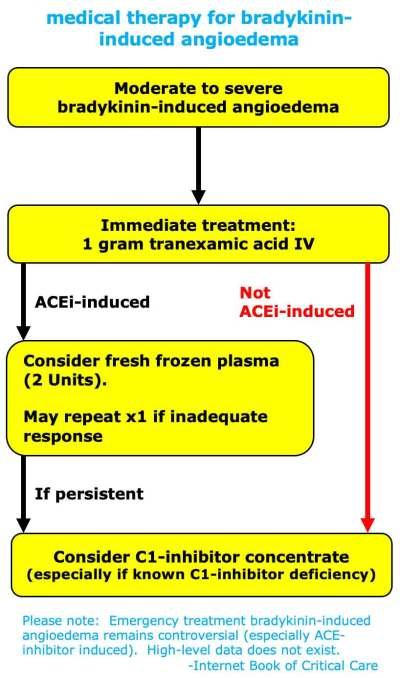
Replacement therapy is a key component of managing hereditary angioedema. It involves the infusion of specific proteins that are deficient or dysfunctional in individuals with HAE. These proteins help regulate blood vessel function and reduce the frequency and severity of angioedema episodes. Replacement therapy is typically administered prophylactically or during acute episodes, and it requires close monitoring by healthcare professionals.
Short-term Prophylaxis
Short-term prophylaxis involves the use of medications to prevent angioedema episodes during high-risk situations, such as dental procedures or surgeries. Medications commonly prescribed for short-term prophylaxis include antifibrinolytics, such as tranexamic acid, which help prevent the breakdown of blood clots and reduce the risk of swelling. Your healthcare provider will determine the appropriate medication and dosing based on your specific needs.
Long-term Prophylaxis
Long-term prophylaxis is recommended for individuals with frequent or severe angioedema episodes. Medications such as androgens or certain immunomodulatory drugs may be prescribed to help manage long-term control of HAE. These medications require continuous monitoring due to potential side effects, and their use is typically overseen by specialists in HAE management.
Psychotherapy and Counseling
Living with a chronic condition like hereditary angioedema can take an emotional toll. Psychotherapy and counseling can provide valuable support and coping strategies for individuals with HAE. Therapy can help address anxiety, depression, stress, and other emotional challenges associated with managing a chronic illness. Seeking professional help can enhance overall well-being and improve quality of life.
Patient Education and Support
Education and support are crucial components of managing hereditary angioedema. Understanding the condition, its triggers, and the available treatment options can empower individuals to take an active role in their own care. Joining support groups or online communities can also provide a sense of belonging and enable individuals to connect with others who may share similar experiences and challenges.
Complementary and Alternative Therapies
While pharmacological treatments are the primary approach to managing angioedema, complementary and alternative therapies may also be considered. These may include acupuncture, homeopathy, herbal remedies, probiotics, and aromatherapy.
Acupuncture
Acupuncture is an ancient Chinese practice that involves the insertion of thin needles into specific points on the body to promote healing and balance. Some studies suggest that acupuncture may help alleviate symptoms of angioedema by improving energy flow and reducing inflammation. However, more research is needed to determine its efficacy as a standalone treatment for angioedema.
Homeopathy
Homeopathy is a system of medicine that utilizes highly diluted substances to stimulate the body’s natural healing abilities. While there is limited scientific evidence to support the use of homeopathy in managing angioedema, some individuals may find relief from homeopathic remedies. It is important to consult with a qualified homeopathic practitioner to ensure appropriate selection and dosing of remedies.
Herbal Remedies
Certain herbal remedies may have anti-inflammatory or antihistamine properties that could potentially provide relief from angioedema symptoms. Examples include chamomile, turmeric, ginger, and quercetin. However, it is important to exercise caution when using herbal remedies, as they can interact with medications or have potential side effects. Always consult with a healthcare provider before incorporating herbal remedies into your angioedema management plan.
Probiotics
Probiotics are live bacteria and yeasts that are beneficial for gut health. Some studies suggest that probiotics may help modulate the immune system and reduce the severity of allergic reactions. While specific probiotic strains have not been identified to target angioedema specifically, maintaining a healthy gut microbiome may provide overall benefits for managing the condition. It is recommended to consult with a healthcare provider to determine the appropriate probiotic formulation and dosage.
Aromatherapy
Aromatherapy involves the use of essential oils to promote physical and emotional well-being. Some essential oils, such as lavender and peppermint, have anti-inflammatory and soothing properties that may help alleviate symptoms of angioedema. However, it is important to ensure the safe use of essential oils and consult with a qualified aromatherapist or healthcare provider for guidance on appropriate application and dilution.
Avoiding Common Mistakes
When managing angioedema, it is important to avoid certain common mistakes that can hinder effective treatment and prevention. These mistakes include delay in seeking treatment, misdiagnosis, incomplete allergen elimination, inadequate follow-up, and mismanagement of medications.
Delay in Seeking Treatment
One common mistake individuals make is delaying seeking medical treatment for symptoms of angioedema. Prompt intervention is crucial to prevent complications, especially in cases of anaphylaxis or compromised airway. If you experience swelling, difficulty breathing, or other concerning symptoms, seek medical help immediately.
Misdiagnosis
Angioedema can sometimes be misdiagnosed or mistaken for other conditions that cause swelling, such as cellulitis or allergic contact dermatitis. It is important to consult with a healthcare provider experienced in managing angioedema to ensure an accurate diagnosis and appropriate treatment plan.
Incomplete Allergen Elimination
Identifying and avoiding allergens is essential in managing angioedema triggered by allergic reactions. However, incomplete elimination of allergens can lead to recurrent episodes. It is crucial to be vigilant in reading labels, cross-checking ingredients, and taking precautions in all potential exposure situations.
Inadequate Follow-up
Regular follow-up appointments with your healthcare provider are necessary to assess your condition, monitor the effectiveness of treatment, and make any necessary adjustments. Inadequate follow-up can result in suboptimal management and a higher risk of angioedema episodes.
Mismanagement of Medications
Proper management and adherence to prescribed medications are vital for controlling and preventing angioedema episodes. Skipping doses or misusing medications can compromise the effectiveness of treatment and increase the frequency or severity of symptoms. Always follow your healthcare provider’s instructions and consult them regarding any concerns or questions about your medications.
Psychosocial Impact of Angioedema
Angioedema can have a significant psychosocial impact on individuals, affecting their emotional and psychological well-being, leading to social isolation and stigma. Coping strategies, support from family and friends, and professional help can help mitigate the psychosocial effects of angioedema.
Emotional and Psychological Effects
The physical symptoms of angioedema can take a toll on an individual’s emotional and psychological well-being. Living with a chronic condition that is unpredictable and potentially life-threatening can lead to anxiety, depression, and increased stress levels. It is important to acknowledge and address these emotions and seek support when needed.
Social Isolation and Stigma
Angioedema can sometimes be visible to others, especially when it affects facial features. This can lead to feelings of self-consciousness, embarrassment, and social stigma. Individuals may avoid social situations or isolate themselves to avoid scrutiny or judgment. It is important to recognize that angioedema does not define you and seek support from understanding and empathetic individuals.
Coping Strategies
Developing effective coping strategies is essential for managing the emotional impact of angioedema. This may involve practicing relaxation techniques, engaging in activities that bring joy and distraction, journaling, or seeking professional counseling. Finding healthy outlets and effective coping mechanisms can help navigate the emotional challenges associated with living with angioedema.
Support from Family and Friends
Having a strong support system is invaluable for individuals with angioedema. Family and friends can provide emotional support, understanding, and encouragement during difficult times. Sharing experiences, educating loved ones about the condition, and fostering open communication can strengthen relationships and alleviate feelings of isolation.
Professional Help
In some cases, professional help may be necessary to address the psychosocial impact of angioedema. Mental health professionals, such as therapists or psychologists, can provide guidance and support in managing anxiety, depression, or other emotional challenges associated with the condition. Seeking professional help is a sign of strength and an important step towards holistic well-being.
Preventing Angioedema Flares
Preventing angioedema flares is an ongoing effort that requires proactive measures and regular follow-ups with healthcare providers. Identifying personal triggers, maintaining a consistent medication regimen, following lifestyle recommendations, and regular check-ups are key elements in preventing angioedema flares.
Identifying Personal Triggers
Everyone’s triggers for angioedema may vary. Keeping a detailed record of potential triggers and associated symptoms can help identify patterns and develop an individualized management plan. Identifying personal triggers allows for better avoidance measures and reduces the risk of angioedema flares.
Maintaining Medication Regimen
Adherence to the prescribed medication regimen is essential for preventing angioedema flares. Taking medications as directed by healthcare providers helps maintain optimal control of symptoms and minimizes the risk of recurrent episodes. It is important to develop a routine and ensure a proper supply of medications to avoid disruptions.
Following Lifestyle Recommendations
Incorporating lifestyle recommendations into daily routines is crucial for preventing angioedema flares. This includes following a balanced diet, maintaining a healthy weight, engaging in regular exercise, managing stress levels, and avoiding known triggers. Adopting these habits can support overall wellness and reduce the frequency and severity of angioedema episodes.
Regular Check-ups with Healthcare Providers
Regular check-ups with healthcare providers are important to monitor the effectiveness of the management plan and adjust it as needed. Healthcare providers can assess your condition, evaluate the treatment’s efficacy, and address any new concerns or symptoms. Frequent communication and follow-ups with healthcare providers enhance individualized care and early intervention if needed.
Emergency Preparedness
Being prepared for potential angioedema episodes is crucial. This may involve carrying an epinephrine autoinjector, having an emergency action plan, and ensuring those around you are educated on how to respond in case of an emergency. Being prepared can help minimize the impact of an angioedema flare and ensure timely intervention.
In conclusion, understanding angioedema is essential in effectively managing and preventing this condition. By recognizing the causes, symptoms, types, and diagnosis of angioedema, individuals can take appropriate measures to identify triggers, avoid allergens, incorporate safety measures, and seek medical help. Pharmacological treatment options, emergency management strategies, and lifestyle modifications can further enhance angioedema management. It is important to address the psychosocial impact of angioedema, prevent flares through proactive measures, and seek professional help when needed. With a comprehensive approach, individuals can successfully navigate the challenges of angioedema and lead fulfilling lives.
