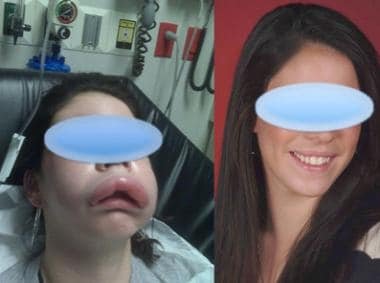
Angioedema, a condition characterized by rapid swelling beneath the skin, may seem harmless at first glance. However, beneath its seemingly harmless surface lies a series of hidden dangers that can pose significant risks to your health. From potential airway obstruction to life-threatening allergic reactions, it is crucial to identify these risks and take preventive measures to ensure your well-being. In this article, we will explore the hidden dangers of angioedema and provide you with valuable information on how to mitigate these risks, so you can navigate this condition with confidence and peace of mind.
What is Angioedema?
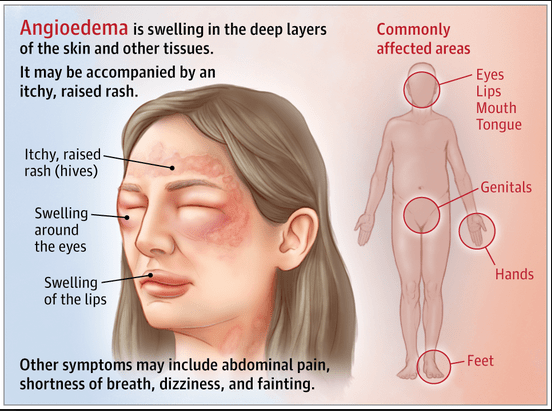
Angioedema is a medical condition characterized by sudden and temporary swelling in certain parts of the body, typically the skin or mucus membranes. This swelling occurs due to the accumulation of fluid in the deeper layers of the skin, causing it to appear puffy and raised. Angioedema can be a result of various factors, including allergic reactions, hereditary factors, or even unknown causes. It is essential to understand the different types of angioedema and their associated symptoms in order to effectively manage and prevent this condition.
Types of Angioedema
Allergic Angioedema
Allergic angioedema is the most common type of angioedema and is often triggered by an allergic reaction to certain substances such as food, medication, or insect bites. This type of angioedema usually occurs within minutes or hours after exposure to the allergen and typically lasts for a few days. Individuals with a known allergy or a history of allergic reactions are at a higher risk of developing allergic angioedema.
Hereditary Angioedema
Hereditary angioedema is a rare genetic condition that is typically inherited from a parent. It is caused by a deficiency or malfunction of certain proteins in the body that regulate the fluid content in blood vessels. This type of angioedema can result in recurrent episodes of swelling, often affecting the face, limbs, genitals, or intestines. It can be extremely uncomfortable and potentially life-threatening if not managed properly.
Idiopathic Angioedema
Idiopathic angioedema refers to cases where the cause of the swelling is unknown. This type of angioedema can occur spontaneously without any apparent trigger and may be recurring or chronic. It can be challenging to identify the underlying cause of idiopathic angioedema, making it more difficult to manage and prevent.
Drug-Induced Angioedema
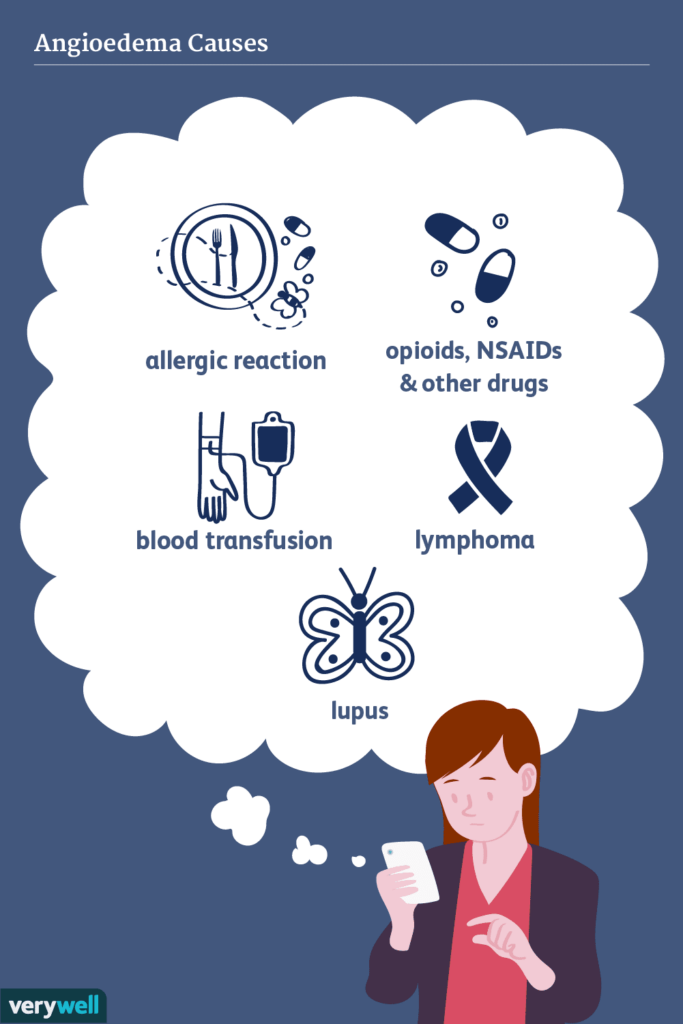
Drug-induced angioedema occurs as a side effect of certain medications, particularly those that affect the body’s immune response or cause blood vessels to widen. Common culprits of drug-induced angioedema include nonsteroidal anti-inflammatory drugs (NSAIDs), angiotensin-converting enzyme inhibitors (ACE inhibitors), and certain antibiotics. It is important to be aware of the potential risks associated with these medications and to consult a healthcare professional if any symptoms of angioedema arise.
Common Symptoms of Angioedema
Swelling
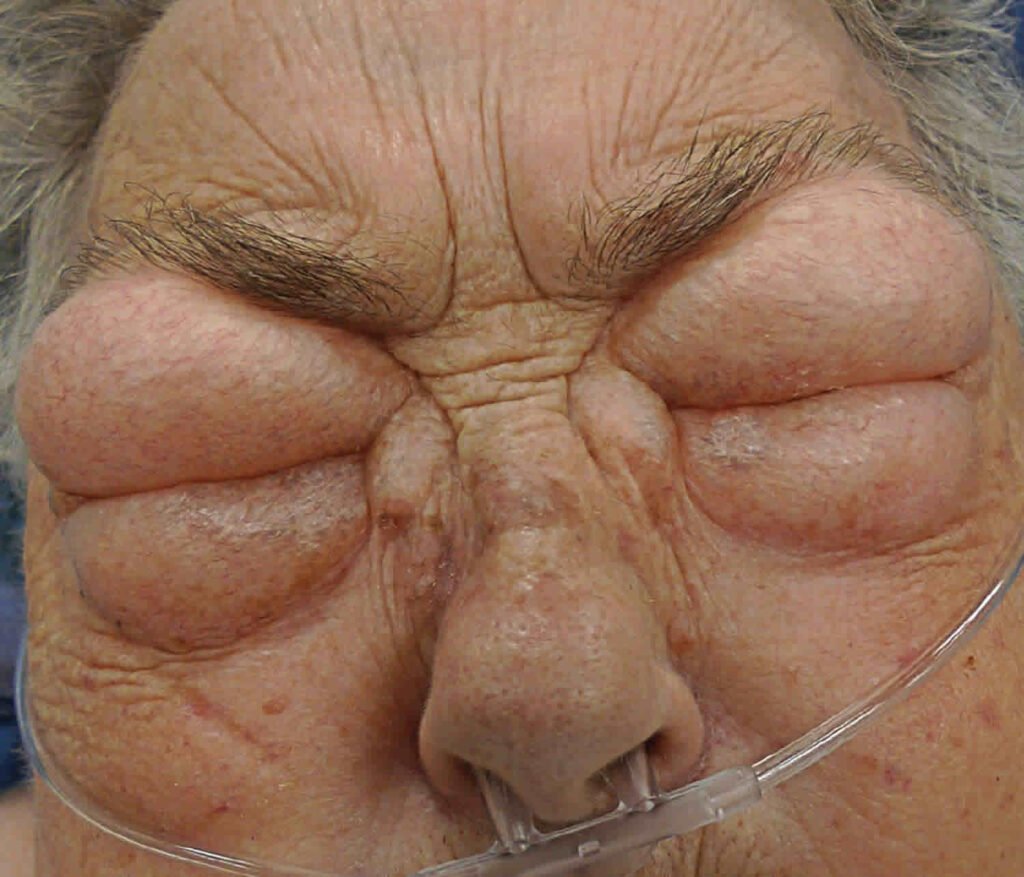
The most noticeable symptom of angioedema is the swelling of the affected area, which typically appears puffy, raised, and may have a reddish or pale color. The swelling can occur in various parts of the body, including the face, lips, tongue, throat, hands, feet, or genitals. In severe cases, the swelling can be disfiguring and may impede normal functioning.
Itching and Rash
Along with swelling, angioedema can also cause itching and a rash in the affected area. The itching can be intense and may exacerbate the swelling and discomfort. The rash may appear as red, raised welts or hives and can spread to surrounding areas if left untreated.
Pain and Discomfort
Angioedema can be accompanied by pain or discomfort in the swollen area. The affected individuals may experience aching, throbbing, or tenderness, which can make it difficult to carry out daily activities. In some cases, the pain may be severe and require medical intervention.
Difficulty Breathing
In severe cases of angioedema, swelling can occur in the throat or airways, leading to difficulty breathing or a feeling of suffocation. This is a medical emergency and requires immediate attention. If you or someone you know experiences these symptoms, call emergency services right away.
Identifying Hidden Risks
Underlying Conditions
Certain underlying medical conditions can increase the risk of developing angioedema. These conditions include autoimmune diseases, hypothyroidism, and certain cancers. It is important to be aware of these risk factors and discuss them with a healthcare professional to better manage angioedema.
Medications and Treatments
Some medications and treatments can potentially trigger angioedema in susceptible individuals. As mentioned earlier, certain medications like NSAIDs and ACE inhibitors can increase the risk. Additionally, treatments such as radiation therapy or blood transfusions can also have an impact. It is crucial to inform your healthcare provider about any medications or treatments you are currently undergoing in order to assess the risks and take necessary precautions.
History of Allergic Reactions
Individuals with a history of allergic reactions, especially to certain substances or allergens, are at a higher risk of developing angioedema. It is important to keep track of any previous allergies or allergic reactions and inform healthcare professionals to ensure appropriate preventive measures are in place.

Preventive Measures at Home
Avoiding Triggers
One of the key steps in preventing angioedema is to identify and avoid triggers that may cause an allergic reaction. These triggers can be different for each individual and may include certain foods, medications, insect bites, or environmental factors like pollen or pet dander. Keeping a diary to track potential triggers can help in identifying patterns and taking proactive measures to avoid them.
Maintaining a Healthy Lifestyle
Maintaining a healthy lifestyle can help strengthen your immune system and reduce the risk of angioedema episodes. A balanced diet, regular exercise, adequate sleep, and stress management techniques can all contribute to overall well-being. It is important to consult with a healthcare professional for personalized advice on lifestyle modifications.
Protecting the Skin
Taking care of your skin can also play a role in preventing angioedema. Avoiding harsh or irritating chemicals, using gentle skincare products, and moisturizing regularly can help keep the skin healthy and less prone to inflammation. Additionally, protecting the skin from excessive sun exposure by using sunscreen and wearing protective clothing can also be beneficial.
Keeping Emergency Medication Handy
If you have a history of severe angioedema episodes or are at high risk, it is important to have emergency medication readily available. Medications like antihistamines and epinephrine can be used to prevent or treat severe symptoms during an angioedema episode. Consult with a healthcare professional to determine the appropriate medications for your specific situation and ensure they are easily accessible in case of an emergency.
Preventive Measures at Work and School
Educating Others
It is crucial to educate those around you, including coworkers, classmates, teachers, or supervisors, about angioedema and its potential risks. By raising awareness, you can foster a supportive environment and help others understand how to respond in case of an emergency.
Creating an Emergency Action Plan
Developing an emergency action plan is essential, especially for individuals at high risk of severe angioedema episodes. This plan should include step-by-step instructions on how to recognize the symptoms, administer emergency medication, and seek immediate medical attention. Ensure that this plan is communicated and easily accessible to those who may need to assist you during an emergency.
Informing Medical Professionals
If you have been diagnosed with angioedema, it is important to inform your healthcare providers, including your primary care physician, allergist, and specialists, about your condition. This will enable them to provide appropriate care, prescribe necessary medications, and offer guidance on managing and preventing angioedema in various settings.
Emergency Management of Angioedema
Recognizing Severe Symptoms
It is crucial to be able to recognize severe symptoms of angioedema, especially those that involve difficulty breathing or signs of anaphylaxis. These symptoms can include severe swelling of the face or throat, wheezing, shortness of breath, rapid heartbeat, dizziness, or loss of consciousness. If you or someone around you experiences these symptoms, call emergency services immediately.
Administering Emergency Medication
If you have been prescribed emergency medication, it is important to know how to administer it correctly. This may involve the use of antihistamines, corticosteroids, or epinephrine auto-injectors. Familiarize yourself with the proper technique for administering these medications and ensure that they are not expired.
Seeking Immediate Medical Attention
If you experience severe symptoms of angioedema or suspect an anaphylactic reaction, it is crucial to seek immediate medical attention. This may involve visiting a hospital emergency department or calling emergency services. Prompt medical intervention is essential to manage the symptoms, stabilize your condition, and prevent potentially life-threatening complications.
The Importance of Allergy Testing
Identifying Specific Allergens
Undergoing allergy testing can help identify the specific allergens that trigger angioedema episodes. This can be done through skin tests or blood tests, which can determine specific antibodies present in your body. Knowing the triggers can allow you to take targeted preventive measures and avoid exposure to those allergens.
Developing an Effective Treatment Plan
Understanding your specific allergies enables healthcare professionals to develop an effective treatment plan for managing angioedema. This may involve allergen avoidance strategies, medications targeted towards specific triggers, or immunotherapy to desensitize your body to certain allergens.
Understanding Treatment Options
Antihistamines and Corticosteroids
Antihistamines can help relieve symptoms of angioedema by blocking the effects of histamine, a chemical released during an allergic reaction. They can help reduce swelling, itching, and rash. Corticosteroids, on the other hand, are more powerful anti-inflammatory medications that can be prescribed for more severe cases. They work by suppressing the immune response and reducing inflammation.
Epinephrine and Emergency Medication
Epinephrine is a life-saving medication that is used during severe allergic reactions or anaphylaxis. It can rapidly reverse the symptoms of angioedema, including swelling, difficulty breathing, and low blood pressure. Epinephrine is typically administered through an auto-injector device and should be carried by individuals at risk of severe angioedema episodes at all times.
Immunotherapy and Long-term Management
Immunotherapy, also known as allergy shots, can be considered for individuals with angioedema triggered by specific allergens. This treatment involves gradually exposing the individual to increasing amounts of the allergen, allowing the body to build tolerance over time. Immunotherapy can provide long-term relief and reduce the frequency and severity of angioedema episodes.
Conclusion
Angioedema can be a challenging condition to manage and prevent, but with proper awareness, education, and appropriate measures, individuals at risk of experiencing this condition can lead fulfilling lives. Understanding the different types of angioedema, recognizing symptoms, and implementing preventive measures are key steps towards minimizing the impact of this condition. By working closely with healthcare professionals and following a comprehensive treatment plan, individuals with angioedema can effectively reduce the frequency and severity of episodes, ultimately improving their quality of life.