
Having a canker sore can be a painful and bothersome experience, but there are several tips and tricks that can provide you with much-needed relief. This article will guide you through effective strategies for managing canker sores, from utilizing over-the-counter products to adopting simple home remedies. By following these tips, you can alleviate discomfort and promote faster healing, allowing you to get back to enjoying life without the annoyance of canker sores.
Causes of Canker Sores
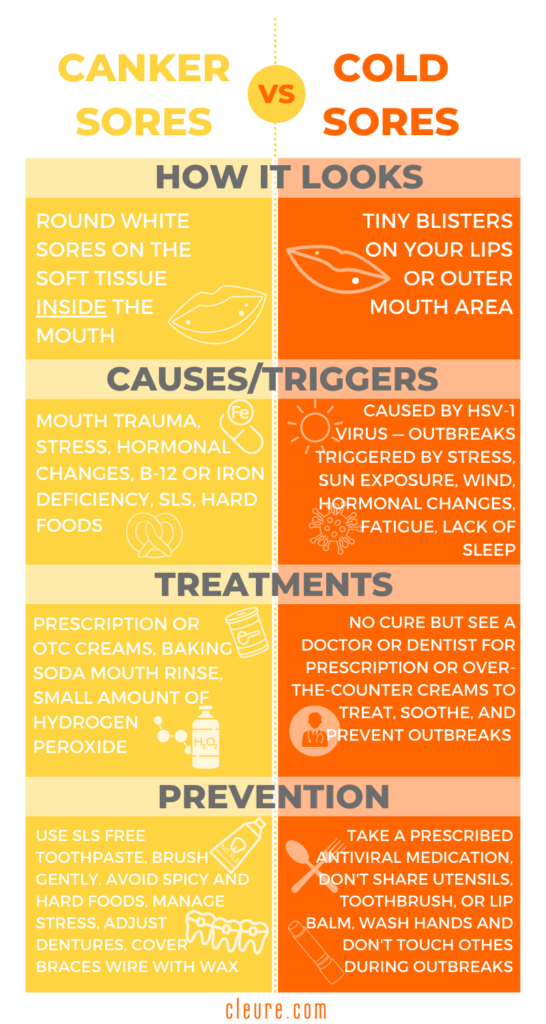
Canker sores, also known as aphthous ulcers, can be caused by various factors. The first potential cause is stress. When you’re under a lot of stress, your body’s immune system can weaken, making you more susceptible to developing canker sores. Additionally, certain foods can trigger canker sores in individuals with sensitivities. Common culprits include citrus fruits, tomatoes, and spicy foods. Trauma to the mouth, such as accidental biting or injury from dental work, can also lead to the formation of canker sores. Lastly, nutritional deficiencies, particularly in vitamins B-12, zinc, iron, and folate, can contribute to the development of canker sores.
Symptoms of Canker Sores
Canker sores typically present with several distinctive symptoms. The most obvious symptom is the presence of painful sores in your mouth. These sores can vary in size, from small lesions to larger, more extensive ulcers. Along with the sores, you may experience a tingling or burning sensation in the affected area. The surrounding tissue may also become swollen and red, making it uncomfortable to eat or drink. If the canker sores are particularly severe or numerous, they can interfere with your ability to speak or swallow.

Diagnosis and Treatment
If you suspect you have canker sores, it is important to seek medical consultation for an accurate diagnosis and appropriate treatment. Your healthcare provider will likely begin with a physical examination of your mouth, checking for the presence of sores and assessing their severity. Additionally, they may inquire about your medical history to determine if any underlying conditions or triggers may be contributing to your canker sores. In some cases, lab tests, such as blood tests, may be conducted to identify any nutritional deficiencies.
Home Remedies
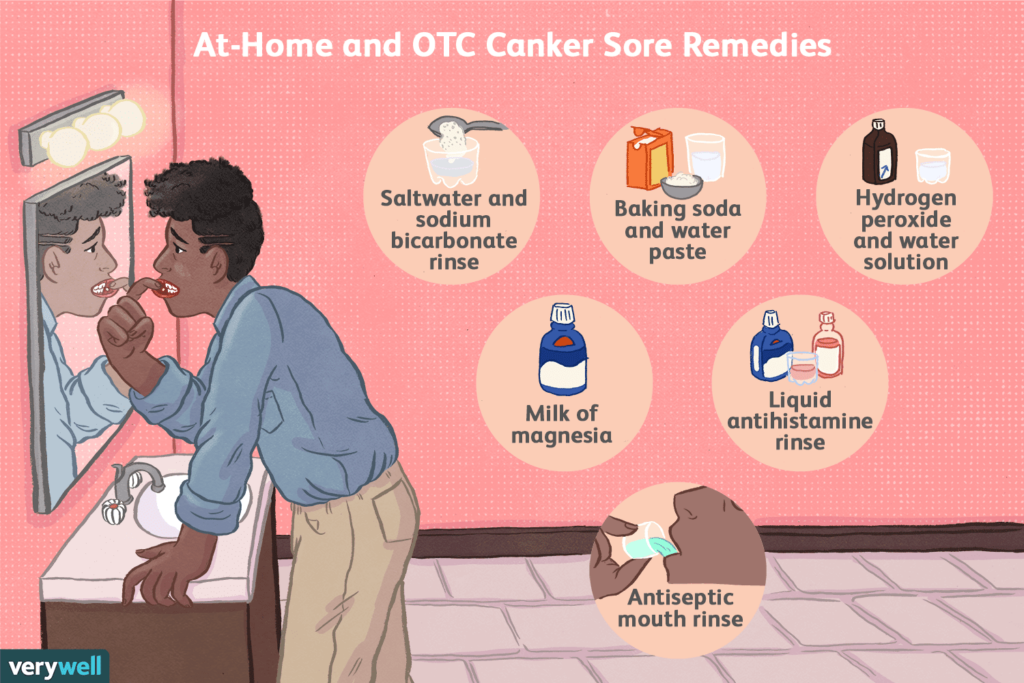
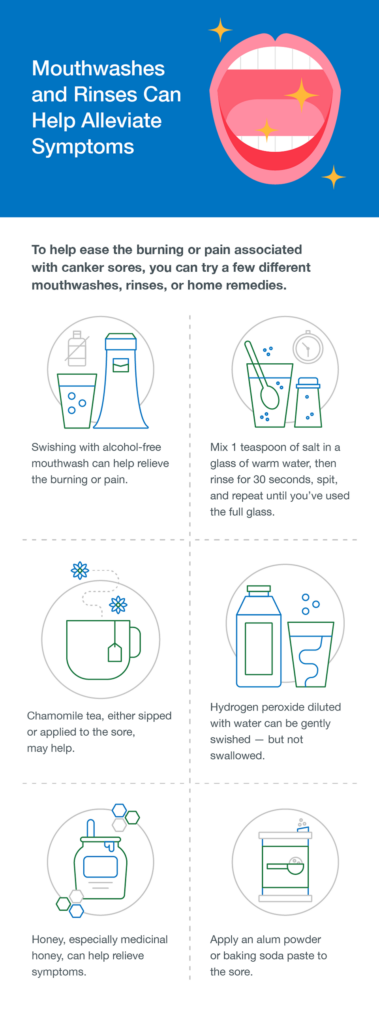
While medical treatment is often necessary for severe cases of canker sores, there are also several home remedies that can provide relief for milder symptoms. One of the most common and effective remedies is a saltwater rinse. Simply dissolve a teaspoon of salt in warm water and swish it around your mouth for about 30 seconds before spitting it out. Over-the-counter pain relievers, such as ibuprofen or acetaminophen, can help alleviate discomfort. Another option is using topical numbing agents, such as benzocaine, which can temporarily numb the area and provide relief. Additionally, a baking soda paste, made by mixing baking soda with a small amount of water to create a thick paste, can be applied directly to the canker sores to reduce pain and promote healing.
Avoiding Triggers
In order to manage and prevent canker sores, it’s important to identify and avoid triggers that may contribute to their development. Spicy and acidic foods, such as citrus fruits, tomatoes, and hot peppers, are common culprits that can exacerbate canker sores. Sharp and crunchy foods, like chips or crackers, can also irritate existing sores or create new ones. Stress management techniques, such as deep breathing exercises, meditation, or engaging in relaxing activities, can help reduce the frequency and severity of canker sores. Additionally, adopting good oral hygiene practices, including brushing and flossing regularly, can significantly reduce the risk of developing canker sores.
Dietary Changes
Making certain dietary changes can also be beneficial in managing canker sores. Introducing soft and bland foods into your diet can minimize irritation to the mouth and promote faster healing of existing sores. Examples of soft foods include mashed potatoes, yogurt, cooked vegetables, and oatmeal. It’s also important to include foods that are rich in vitamins and minerals that promote oral health, such as vitamin C, vitamin B-12, iron, and zinc. These nutrients can be found in foods like citrus fruits, leafy greens, lean meats, and legumes. Finally, avoiding food triggers, such as the previously mentioned spicy and acidic foods, can help prevent the formation of new canker sores.
Proper Oral Hygiene
Maintaining proper oral hygiene is crucial in managing canker sores and preventing their recurrence. Gentle brushing, with a soft-bristled toothbrush, is recommended to avoid further irritating the delicate tissue in your mouth. Be sure to brush all areas of your mouth thoroughly but gently, including your tongue and the inside of your cheeks. Avoid using abrasive toothpaste, as the ingredients may cause further discomfort. Rinsing with an alcohol-free, antiseptic mouthwash can also help keep your mouth clean and reduce the risk of infection.
Over-the-Counter Products
There are various over-the-counter products available that can provide relief from canker sores. Pain-relieving gels and ointments, which contain ingredients like benzocaine or hydrogen peroxide, can be directly applied to the affected areas to alleviate pain and promote healing. Mouth rinses and sprays that contain soothing and antibacterial agents can also provide temporary relief. Canker sore patches, which form a protective barrier over the sores, can help reduce discomfort and promote faster healing. Finally, oral analgesics, such as lozenges, can provide temporary relief by numbing the affected area.

Prescription Medications
For severe or recurrent cases of canker sores, prescription medications may be necessary. Topical corticosteroids, such as triamcinolone acetonide, can be prescribed to reduce inflammation and promote healing. Antimicrobial mouthwashes, containing ingredients like chlorhexidine gluconate, can help prevent infection and reduce pain. Prescription gels and creams, which may contain antibiotics or antiviral medications, may be recommended for more aggressive treatment. In some cases, systemic medications, such as immunosuppressants or corticosteroids, may be prescribed to manage chronic or severe canker sores.
When to Seek Medical Help
While most canker sores can be managed with at-home remedies and lifestyle changes, there are certain situations in which medical help should be sought. If you experience severe pain or discomfort that is not alleviated with over-the-counter treatments, it is important to consult a healthcare professional for further evaluation. Similarly, if you have persistent sores that do not heal within two weeks, medical attention is warranted. Frequent recurrence of canker sores, occurring more than three times in a year, may indicate an underlying condition that requires medical intervention. Finally, if you experience difficulty talking or swallowing due to the presence of canker sores, it is crucial to seek medical help as soon as possible.