
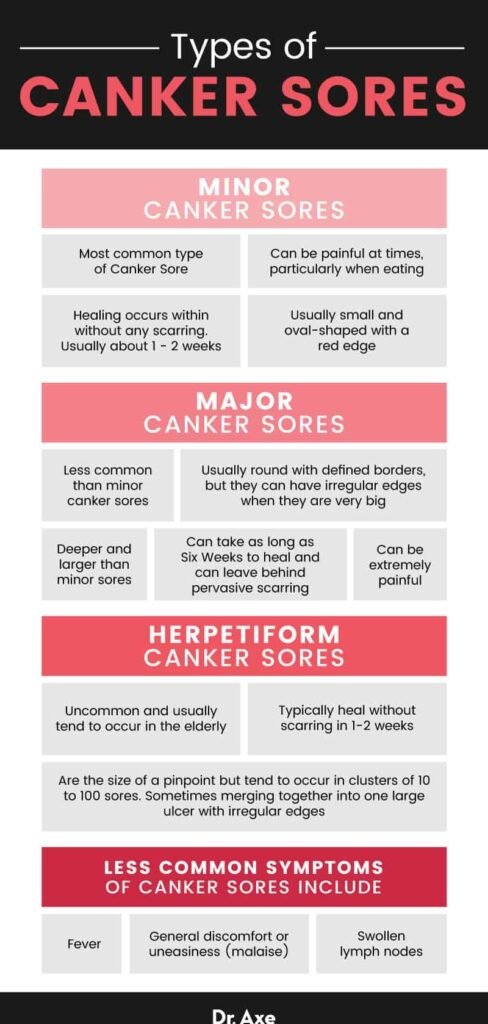
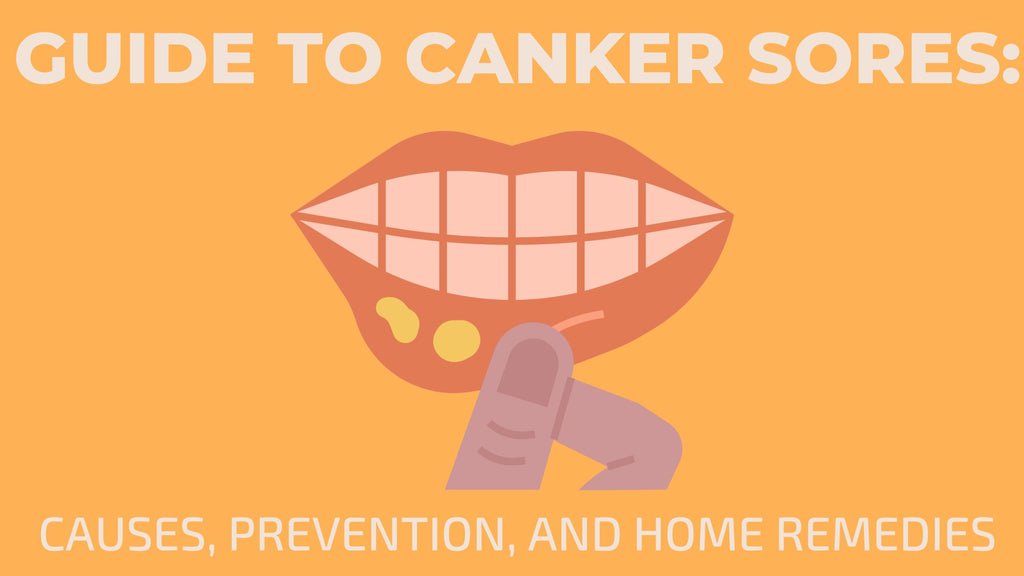
Hey there! If you’ve ever experienced the sharp pain of a canker sore, you know just how irritating and uncomfortable they can be. This article is all about preventing those pesky canker sores through simple and effective lifestyle changes. We’ll explore some easy adjustments you can make to your everyday routine that may help keep those mouth ulcers at bay. So, if you’re tired of dealing with the pain and want to take control of your oral health, keep reading for some helpful tips and tricks!
Maintaining Good Oral Hygiene
Good oral hygiene is essential for a healthy mouth and a beautiful smile. Brushing and flossing regularly are the cornerstones of maintaining good oral hygiene. Brush your teeth at least twice a day, using a soft-bristle toothbrush and a fluoride toothpaste. Make sure to brush all surfaces of your teeth, including the inner and outer surfaces, as well as your tongue.
Flossing should be done at least once a day to remove plaque and food particles that can get trapped between your teeth and along your gumline. Use a gentle back-and-forth motion to ensure you clean both sides of each tooth.
To further protect your teeth and gums, it is important to use a soft-bristle toothbrush. Hard bristles can be too abrasive and may cause damage to your tooth enamel and gums over time. A soft-bristle toothbrush will effectively clean your teeth without causing harm.
Avoid using abrasive dental products, such as harsh mouthwashes or toothpastes. These products can irritate your mouth and may even cause canker sores, which are painful mouth ulcers. Opt for gentle dental products that are specifically formulated for sensitive mouths.
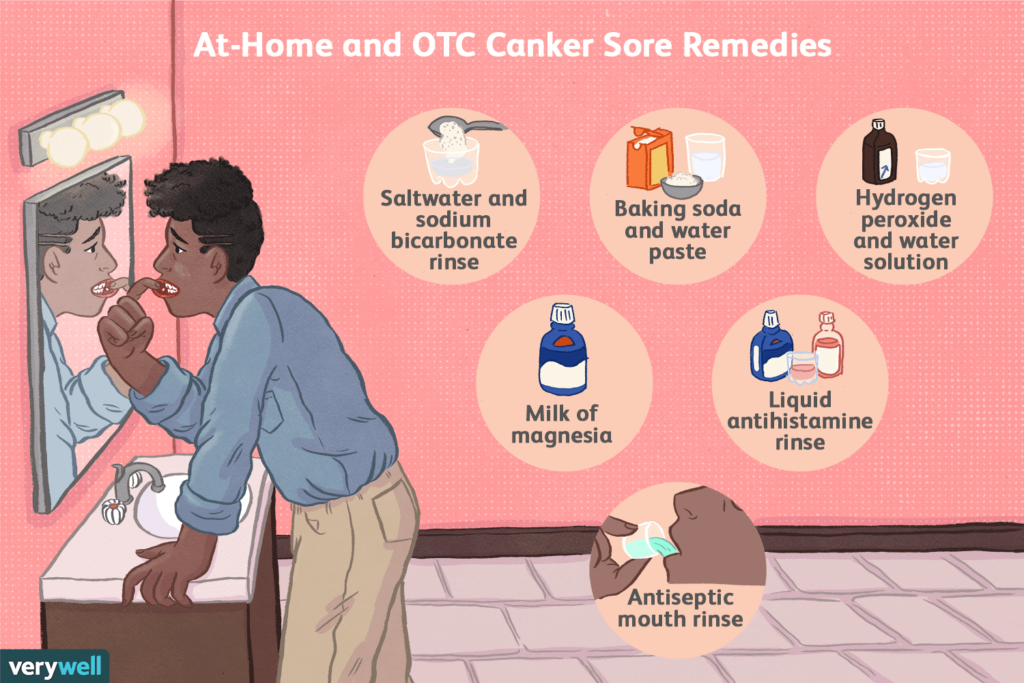
Rinsing with saltwater can also help maintain good oral hygiene. Saltwater rinse can soothe gum inflammation, reduce oral bacteria, and aid in the healing of minor mouth irritations. Simply dissolve half a teaspoon of salt in a glass of warm water and swish it around your mouth for about 30 seconds before spitting it out.
Using mouthwash as a part of your oral hygiene routine is another way to keep your mouth clean and fresh. Look for alcohol-free mouthwashes that are gentle on your mouth. Mouthwash can help kill bacteria, freshen your breath, and reach areas that your toothbrush and floss may have missed.
Managing Stress Levels
Stress can have a negative impact on your overall health, including your oral health. When you are stressed, you may be more prone to oral health problems such as gum disease and teeth grinding. To maintain good oral hygiene, it is important to find healthy ways to manage your stress levels.
Identifying stress triggers is the first step towards managing stress. Think about the situations or events that tend to cause stress in your life. By recognizing these triggers, you can work on finding effective solutions or coping mechanisms.
Engaging in relaxation techniques can help alleviate stress. Take the time to practice deep breathing exercises, meditation, or yoga. These activities can calm your mind and body, reducing the harmful effects of stress.
Regular exercise is not only great for your physical health but also for your mental well-being. Engaging in physical activity releases endorphins, which are natural mood boosters. Aim for at least 30 minutes of exercise most days of the week to help reduce stress and improve your overall health.
Getting enough sleep is crucial for managing stress levels. Lack of sleep can increase stress and make it harder for your body to cope with everyday challenges. Aim for 7-8 hours of quality sleep every night to help restore and rejuvenate your body.
Taking breaks from work or other stressful activities is important to give your mind a chance to relax and recharge. Use your breaks to do something you enjoy, such as reading a book, taking a walk, or listening to music. These short breaks can help alleviate stress and improve your overall well-being.
Avoiding Trigger Foods
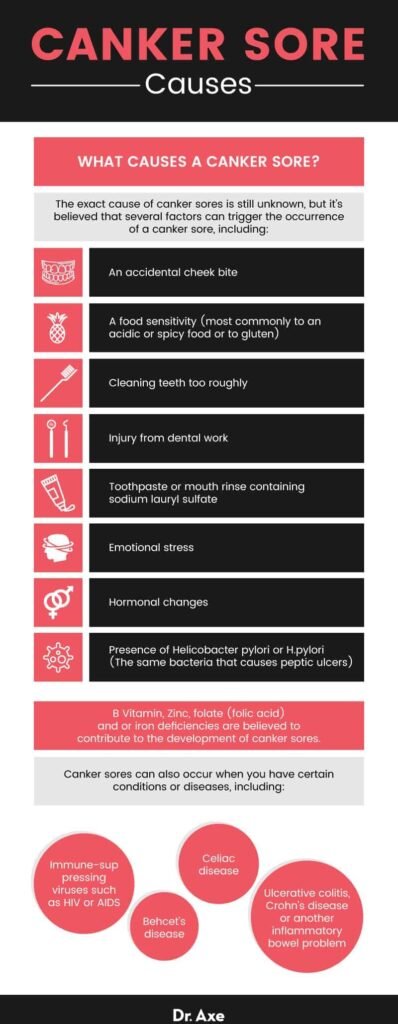
Certain foods can trigger or worsen oral health problems, such as canker sores. By limiting or avoiding these trigger foods, you can reduce the frequency and severity of such issues.
Acidic and spicy foods can irritate the delicate tissues in your mouth, leading to discomfort and potential canker sore development. Avoid or moderate your consumption of foods such as citrus fruits, tomatoes, and spicy sauces.
Chocolate and coffee, although delicious, contain compounds that can trigger canker sores in susceptible individuals. Limit your intake of these foods and opt for alternatives if you notice a pattern of canker sore development after consuming them.
Nuts and chips, especially when consumed in sharp or jagged pieces, can cause physical irritation to the soft tissues in your mouth and potentially lead to canker sores. Exercise caution when eating these foods and try to choose softer alternatives whenever possible.
Maintaining a Healthy Diet
A healthy diet is crucial for maintaining good oral hygiene and overall well-being. Following a few dietary guidelines can significantly improve the health of your teeth and gums.
Consuming a balanced diet that includes a variety of food groups is important for ensuring that your body receives all the necessary nutrients. Include plenty of fruits, vegetables, whole grains, lean proteins, and dairy products in your daily meals. These foods provide essential vitamins and minerals that support oral health.
Eating vitamin-rich foods can specifically benefit your oral health. Vitamins such as vitamin C, vitamin D, and calcium are particularly important for maintaining strong teeth and healthy gums. Citrus fruits, dairy products, and leafy greens are excellent sources of these vitamins.
Drinking enough water is essential for a healthy mouth. Water helps rinse away food particles and reduces the acidity in your mouth, preventing tooth decay and gum disease. Make sure to stay hydrated throughout the day and limit sugary drinks that can harm your teeth.
Limiting alcohol consumption is important for both your oral health and overall well-being. Alcohol can contribute to dry mouth, which increases the risk of tooth decay and gum disease. If you choose to drink alcohol, do so in moderation and consider drinking water alongside to stay hydrated.
Quitting smoking is one of the best things you can do for your oral health. Smoking can stain your teeth, cause bad breath, and increase the risk of oral cancer and gum disease. Seek support from healthcare professionals or smoking cessation programs to successfully quit smoking.
Protecting Mouth from Trauma
Accidental trauma to the mouth can lead to serious dental problems. Taking preventive measures to protect your mouth can help avoid such injuries.
Using mouthguards during sports activities is crucial to prevent dental injuries. Mouthguards provide a protective barrier that absorbs the impact of a blow to the face, reducing the risk of broken or knocked-out teeth. Invest in a high-quality mouthguard that fits properly and wear it during any contact or high-risk sports.
Avoid chewing on hard objects such as ice, pen caps, or fingernails. These habits can cause chips, cracks, or fractures in your teeth, and can even damage your jaw joints. Use proper dental tools for chewing and avoid unnecessary stress on your teeth.
Take caution while eating, especially when consuming hard or sticky foods. Cut your food into smaller, manageable pieces and chew slowly and carefully. This reduces the risk of accidentally biting down on a hard object or damaging your teeth by biting a sticky substance.
Boosting Immune System
A strong immune system is essential for overall health, including maintaining good oral hygiene. By adopting healthy lifestyle habits, you can boost your immune system, which in turn helps fight off oral infections and promote healing.
Integrating exercise into your daily routine is a great way to boost your immune system. Exercise improves blood circulation and increases the production of immune cells, enhancing your body’s ability to defend against infections. Aim for moderate-intensity exercise most days of the week, such as brisk walking or cycling.
Getting enough sleep is crucial for a healthy immune system. During sleep, your body repairs and restores itself, including the immune system. Aim for 7-8 hours of quality sleep every night to allow your body to effectively fight off infections.
Reducing stress levels positively impacts your immune system. High-stress levels can weaken your immune response, making you more susceptible to infections. Engage in stress-reducing activities such as meditation, deep breathing exercises, or hobbies you enjoy.
Eating a balanced diet with adequate nutrients is essential for a strong immune system. Include a variety of fruits, vegetables, whole grains, lean proteins, and healthy fats in your meals. These foods provide essential vitamins, minerals, and antioxidants that support immune function.
If necessary, consider supplementing with vitamins to support your immune system. Consult with a healthcare professional to determine if you have any nutrient deficiencies and to identify appropriate supplements, if needed.
Avoiding Allergic Reactions
Allergies can have a significant impact on oral health. To avoid allergic reactions and related oral complications, it is important to identify and avoid allergens.
Identifying and avoiding allergens that trigger allergies is the first step towards preventing allergic reactions. Common allergens include certain foods, pollen, pet dander, and certain medications. Keep track of the foods you consume and the situations in which you experience allergic reactions to help identify the specific triggers.
Consulting with an allergist is recommended if you suspect that you have allergies. An allergist can conduct tests to determine the specific allergens that affect you and provide guidance on avoidance techniques.
Taking antihistamines as prescribed by your healthcare professional can help manage allergic reactions. Antihistamines work by blocking the action of histamine, a chemical released during an allergic reaction. These medications can provide relief from symptoms such as itching, swelling, and discomfort.
Treating Gastrointestinal Issues
Gastrointestinal issues, such as acid reflux and GERD (gastroesophageal reflux disease), can have oral health implications. Taking appropriate steps to address these issues can help maintain good oral hygiene.
Addressing acid reflux and GERD is crucial for managing gastrointestinal issues that impact oral health. Work with your healthcare professional to determine the underlying cause of your symptoms and develop a treatment plan. Effective management of acid reflux and GERD can reduce the risk of tooth erosion and other oral complications.
Avoiding trigger foods that worsen acid reflux and GERD is important. Common trigger foods include fatty or fried foods, spicy foods, caffeine, and alcohol. Limit or avoid these foods to help reduce symptoms and improve oral health.
Taking medications as prescribed by your healthcare professional can help manage acid reflux and GERD. Medications such as proton pump inhibitors or H2 blockers can reduce the production of stomach acid and provide relief from symptoms. Follow your healthcare professional’s instructions regarding medication use.
Managing stress levels is essential for minimizing gastrointestinal issues. Stress can exacerbate symptoms of acid reflux and GERD. Engage in stress-reducing activities such as exercise, relaxation techniques, and hobbies you enjoy to help manage stress and improve overall well-being.
Maintaining Proper Oral Hydration
Oral hydration plays a crucial role in maintaining good oral health. By keeping your mouth properly hydrated, you can prevent dry mouth and other related oral health problems.
Drinking enough water throughout the day is essential for oral hydration. Water helps keep your mouth moist, aids in digestion, and promotes saliva production. Aim to drink at least 8 cups of water per day, or more if you engage in physically demanding activities or live in a dry environment.
Using moisture-enhancing products can help combat dry mouth. Opt for alcohol-free mouthwashes and oral sprays that are specifically designed to provide moisture to your mouth. These products can provide temporary relief and help maintain oral hydration.
Avoid excessive mouth breathing, as it can contribute to dry mouth. Breathing through your nose is more natural and helps maintain proper saliva flow. If you frequently breathe through your mouth due to allergies or other factors, consult with a healthcare professional for appropriate management strategies.
Seeking Professional Dental Care
Regular dental check-ups are essential for maintaining good oral hygiene and preventing dental issues. Schedule dental appointments at least twice a year, or as recommended by your dentist. During these check-ups, your dentist will thoroughly examine your mouth, clean your teeth, and address any oral health concerns.
Professional cleanings are an important part of maintaining good oral hygiene. During a cleaning, a dental professional will remove plaque and tartar buildup that may be missed during your regular brushing and flossing routine. They can also provide valuable guidance on your oral hygiene habits and offer recommendations for improvement.
If you have any dental conditions, such as tooth decay or gum disease, seek appropriate treatment from a dental professional. Your dentist can develop a personalized treatment plan to address your specific needs and restore your oral health.
Your dentist can provide guidance on proper oral hygiene techniques. From demonstrating the correct way to brush and floss, to recommending specific dental products, they can help ensure that you are effectively maintaining good oral hygiene at home.
In conclusion, maintaining good oral hygiene involves a combination of regular dental care, healthy lifestyle choices, and proper dental habits. By following these guidelines, you can protect your oral health, prevent oral health issues, and enjoy a beautiful smile for years to come. Remember, your oral health is an important part of your overall well-being, so take the necessary steps to prioritize it.