
Have you ever experienced a painful sore inside your mouth that just doesn’t seem to go away? If so, you might be dealing with a canker sore. In this article, we will explore the causes of canker sores and discuss some effective remedies that can provide relief. Whether you’re looking to understand what triggers these pesky sores or seeking ways to alleviate the discomfort they bring, this article has got you covered. So, grab a cup of tea and get ready to dive into the fascinating world of canker sores!
Understanding Canker Sores
Definition and Overview
Canker sores, also known as aphthous ulcers, are small painful sores that form on the inside of your mouth, including the lips, cheeks, tongue, and gums. These sores are usually round or oval and can vary in size. They are typically white or yellowish with a red border. Canker sores are not contagious and are different from cold sores, which are caused by the herpes simplex virus.
Prevalence and Frequency
Canker sores are a common condition that affects many people at some point in their lives. While the exact prevalence is unknown, estimates suggest that about 20% of the population experiences recurrent canker sores. Some individuals may only get an occasional canker sore, while others may experience frequent recurrences.
Causes of Canker Sores
Genetic Factors
Genetics plays a role in the development of canker sores. If you have a family history of canker sores, you may be more likely to develop them yourself. Certain genetic variations can make you more susceptible to developing these oral ulcers.
Trauma or Injury
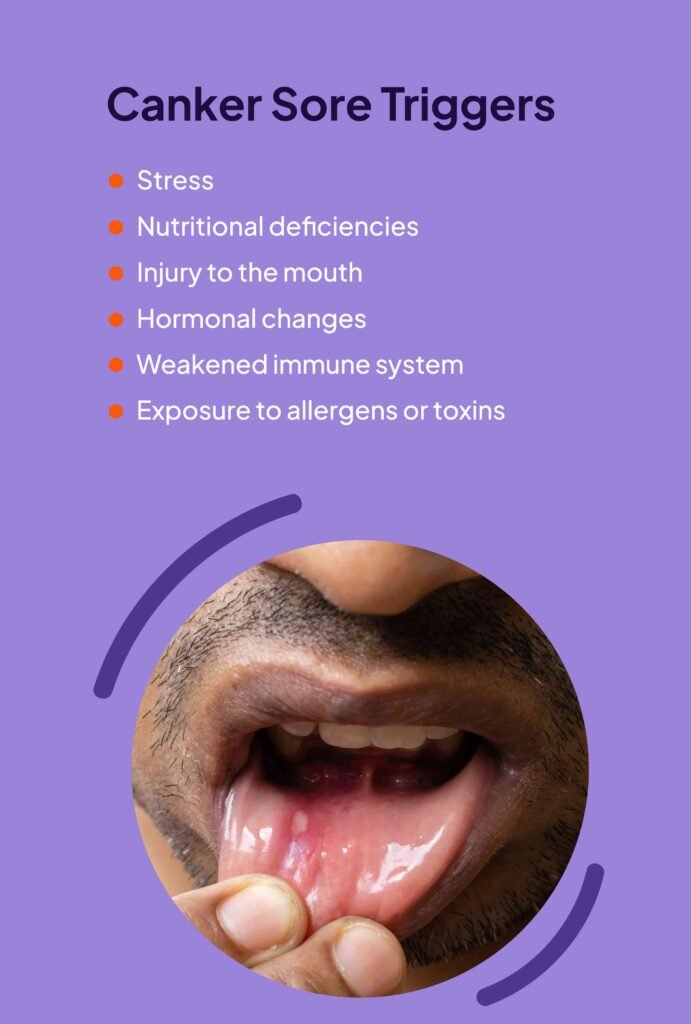
Any form of trauma or injury to the mouth can trigger the formation of canker sores. This can include accidentally biting your cheek or tongue, using a toothbrush with hard bristles, or wearing ill-fitting braces or dentures. Even minor injuries can cause canker sores to develop.
Weakened Immune System
Having a weakened immune system can increase your susceptibility to canker sores. Conditions such as HIV/AIDS, chemotherapy treatments, and autoimmune diseases can compromise your immune system, making you more prone to developing oral ulcers.
Stress and Emotional Factors
Stress and emotional factors can also contribute to the development of canker sores. High levels of stress, anxiety, or emotional strain can weaken your immune system, making you more susceptible to these sores. Additionally, stress can lead to habits such as teeth grinding or jaw clenching, which can cause oral trauma and trigger canker sores.
Nutritional Deficiencies
Deficiencies in certain nutrients, particularly vitamin B12, folate, and iron, have been linked to the development of canker sores. A diet lacking in these essential nutrients can weaken your immune system and make you more prone to oral ulcers.
Hormonal Changes
Hormonal fluctuations, particularly in women, have been associated with the development of canker sores. Some women may notice an increase in canker sores during menstruation, pregnancy, or menopause.
Certain Medications
Some medications can increase your risk of developing canker sores. Nonsteroidal anti-inflammatory drugs (NSAIDs), beta-blockers, and some antibiotics have been known to cause or exacerbate the formation of oral ulcers.
Allergic Reactions
Allergic reactions to certain foods, dental care products, or medications can lead to the development of canker sores. If you suspect an allergic reaction is causing your canker sores, it is important to identify and avoid the allergen.
Recurrent Aphthous Stomatitis (RAS)
Recurrent aphthous stomatitis (RAS) is a chronic condition that causes frequent canker sores. The exact cause of RAS is unknown, but it is believed to be an autoimmune disorder. This condition often runs in families and can cause significant discomfort and inconvenience.
Other Potential Causes
While the exact cause of canker sores is unknown, other potential factors that may contribute to their development include hormonal imbalances, gastrointestinal disorders, viral or bacterial infections, and food sensitivities.
Risk Factors for Canker Sores
Age and Gender
Canker sores can occur at any age, but they are more common in teenagers and young adults. Additionally, women tend to experience canker sores more frequently than men.
Family History
If you have a family member with a history of canker sores, you are more likely to develop them. Genetic factors play a significant role in the development of canker sores.
Inadequate Oral Hygiene
Poor oral hygiene can increase your risk of developing canker sores. Bacterial buildup and oral infections can irritate the tissues in your mouth and lead to the formation of these ulcers.
Smoking and Tobacco Use
Smoking and tobacco use have been linked to an increased risk of canker sores. The chemicals in tobacco can irritate the oral tissues and hinder the healing process.
Chronic Health Conditions
Certain chronic health conditions, such as inflammatory bowel disease, celiac disease, and Behcet’s disease, have been associated with an increased risk of developing canker sores. These conditions often involve immune system dysfunction, which can contribute to the formation of oral ulcers.
Symptoms of Canker Sores
Pain and Discomfort
The most common symptom of canker sores is pain or discomfort. These sores can make eating, drinking, and speaking uncomfortable or painful.
Formation of Lesions
Canker sores typically start as small, round, or oval lesions. They may be white or yellowish with a red border. As the sores progress, they can become larger and more painful.
Ulcer Characteristics
Canker sores are different from cold sores in that they are not fluid-filled. They are shallow and appear as open ulcers on the inside of the mouth. The surrounding area may be inflamed and red.

Diagnosing Canker Sores
Physical Examination
A healthcare provider can often diagnose canker sores through a physical examination of your mouth. They will check for the characteristic appearance of the sores and evaluate any accompanying symptoms.
Medical History
Your medical history is an essential part of diagnosing canker sores. Your healthcare provider may ask about your family history of oral ulcers, any underlying health conditions, and any medications you are currently taking.
Biopsy or Blood Tests
In rare cases, a biopsy or blood tests may be necessary to diagnose canker sores. A biopsy involves removing a small sample of tissue from the sore for further examination. Blood tests may be done to check for nutritional deficiencies or underlying health conditions that may be contributing to the development of canker sores.
Different Types of Canker Sores
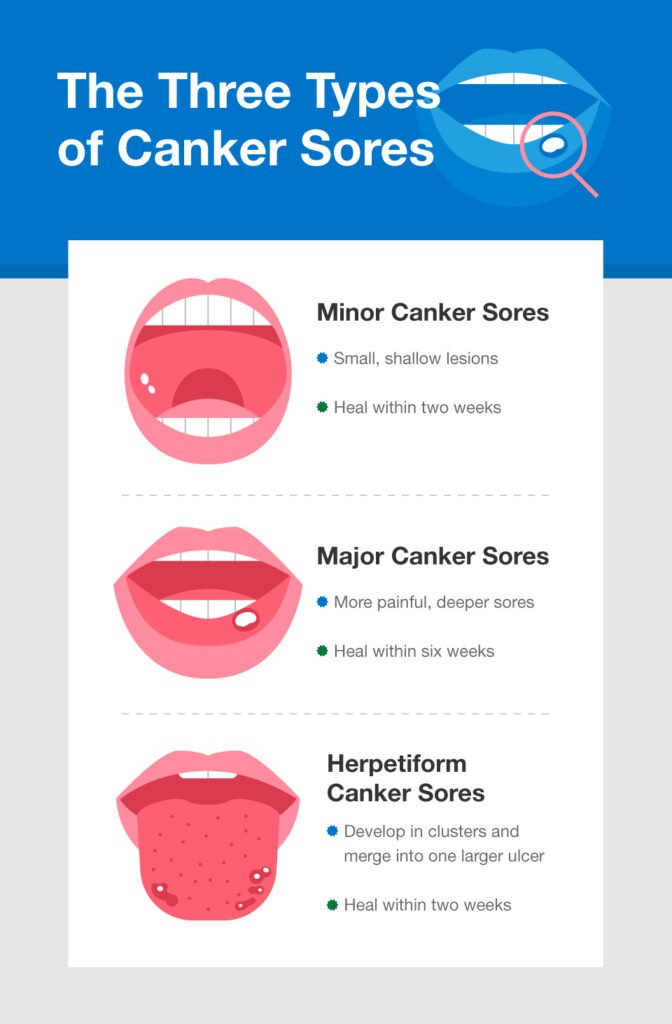
Minor Canker Sores
Minor canker sores are the most common type of canker sore. They are small, shallow, and typically heal within one to two weeks. The pain and discomfort associated with minor canker sores are generally mild to moderate.
Major Canker Sores
Major canker sores are larger and deeper than minor canker sores. These sores can take several weeks to heal and may leave scars. The pain and discomfort associated with major canker sores are often severe and can significantly impact eating and speaking.
Herpetiform Canker Sores
Herpetiform canker sores are small, but they tend to occur in clusters. Despite their name, they are not related to the herpes virus. These sores usually heal within one to two weeks and do not typically leave scars.

Complications of Canker Sores
Exacerbated Pain and Discomfort
Canker sores can cause significant pain and discomfort, especially when eating, drinking, or speaking. The pain can interfere with daily activities and negatively impact your quality of life.
Difficulty Eating and Speaking
Large or multiple canker sores can make it difficult to eat certain foods or speak clearly. This can lead to weight loss, nutritional deficiencies, and social embarrassment.
Secondary Infections
If proper oral hygiene is not maintained or if the sores are constantly irritated, secondary infections can occur. These infections can further complicate the healing process and prolong the duration of the canker sores.
Preventive Measures for Canker Sores
Maintaining Good Oral Hygiene
Practicing good oral hygiene is essential for preventing canker sores. Brushing your teeth twice a day, flossing regularly, and using a soft-bristled toothbrush can help prevent oral infections and reduce the risk of canker sores.
Avoiding Trigger Foods
Some foods can trigger or exacerbate canker sores. Spicy and acidic foods, as well as rough and crunchy foods, should be avoided if you are prone to developing canker sores. Identifying and avoiding your individual trigger foods can help reduce the frequency of canker sore outbreaks.
Reducing Stress Levels
Stress can weaken your immune system and increase your risk of developing canker sores. Engaging in stress-reducing activities, such as meditation, exercise, or hobbies, can help prevent the formation of these ulcers.
Managing Nutritional Deficiencies
A well-balanced diet rich in essential nutrients can support your immune system and help prevent canker sores. If you suspect a nutritional deficiency, consult with a healthcare provider or registered dietitian to identify and address any deficiencies.
Quitting Smoking
Smoking and tobacco use can irritate the oral tissues and hinder the healing process of canker sores. Quitting smoking or tobacco use can improve the overall health of your mouth and reduce the risk of developing canker sores.
Regular Dental Check-ups
Regular dental check-ups are vital for maintaining oral health and preventing canker sores. Your dentist can identify any underlying oral health issues that may contribute to the development of canker sores and provide appropriate treatment or preventive measures.

Home Remedies for Canker Sores
Saltwater Rinse
Rinsing your mouth with warm saltwater can help alleviate pain and promote healing of canker sores. Dissolve half a teaspoon of salt in eight ounces of warm water and swish it around your mouth several times a day.
Baking Soda Paste
Applying a paste made of baking soda and water directly to the canker sores can help soothe the pain and promote healing. Mix one teaspoon of baking soda with enough water to form a paste, then apply it to the sores.
Hydrogen Peroxide Rinse
Rinsing your mouth with a solution of hydrogen peroxide and water can help reduce pain and inflammation caused by canker sores. Mix equal parts of hydrogen peroxide and water and swish it around your mouth for about 30 seconds before spitting it out.
Honey Application
Applying raw honey directly to canker sores can aid in the healing process. Honey has natural antibacterial properties and can help reduce pain and inflammation.
Aloe Vera Gel
The soothing properties of aloe vera gel can provide relief from pain and discomfort associated with canker sores. Apply a small amount of pure aloe vera gel directly to the sores several times a day.
Milk of Magnesia Rinse
Milk of magnesia can help neutralize acid in the mouth and promote healing of canker sores. Rinse your mouth with milk of magnesia a few times a day.
Zinc Lozenges
Zinc lozenges have been shown to reduce the duration and severity of canker sores. Take a zinc lozenge according to the manufacturer’s instructions.
Over-the-Counter Products
There are several over-the-counter products available, such as mouth rinses, gels, and ointments, that can help alleviate the pain and promote healing of canker sores. Look for products containing ingredients like benzocaine or lidocaine for pain relief.
When to Seek Professional Help
Persistent or Severe Symptoms
If your canker sores persist for more than two weeks or if they are causing severe pain and discomfort, it is important to seek professional help. A healthcare provider can evaluate your condition, identify any underlying causes, and provide appropriate treatment.
Frequent Recurrences
If you experience frequent recurrences of canker sores, it may be a sign of an underlying health condition or nutritional deficiency. Consulting with a healthcare provider can help identify and address the root cause of your recurrent canker sores.
Unusual Symptoms or Suspected Infections
If you notice any unusual symptoms, such as fever, swollen lymph nodes, or pus coming from the sores, it is crucial to seek medical attention. These symptoms may indicate an infection, which requires prompt treatment.