
Are pesky pimples and stubborn acne spoiling your confidence? Look no further! This article brings you an effective natural remedy for acne that will leave you with clear, radiant skin. Say goodbye to expensive skincare products and harsh chemicals, as we introduce a simple yet powerful solution that harnesses the power of nature. It’s time to regain control of your skin and embrace the confidence that comes with a clear complexion. Don’t let acne hold you back any longer; discover the natural remedy that will transform your skincare routine.
Understanding Acne
Acne is a common skin condition that affects people of all ages. It occurs when hair follicles become clogged with oil and dead skin cells. The result is the development of pimples, blackheads, whiteheads, and even cysts. Although acne is most commonly found on the face, it can also appear on the back, chest, and shoulders. Acne can be frustrating and have a negative impact on self-esteem, but understanding its causes and types can help you find the right approach to treating and preventing breakouts.
What is acne?
Acne is a skin condition that occurs when hair follicles become clogged with oil and dead skin cells. This can lead to the formation of various types of blemishes, including pimples, blackheads, whiteheads, and cysts. Acne can range from mild to severe and can affect people of all ages, from teenagers to adults.
Causes of acne
Acne can be caused by a variety of factors, including hormonal changes, genetics, and certain skincare and cosmetic products. During puberty, hormonal changes can increase sebum production, leading to clogged pores and the development of acne. Additionally, if you have a family history of acne, you may be more prone to developing it yourself. Certain skincare and cosmetic products that contain pore-clogging ingredients can also contribute to acne breakouts.
Types of acne
There are several types of acne, each characterized by different types of blemishes.
- Pimples: Pimples are small, raised bumps on the skin that are typically red and inflamed. They can be filled with pus and can be painful to touch.
- Blackheads: Blackheads occur when the pores become clogged with oil and dead skin cells, but remain open. They appear as small, black or darkened bumps on the skin.
- Whiteheads: Whiteheads also occur when the pores become clogged, but in this case, the pores are closed. They appear as small, white or flesh-colored bumps on the skin.
- Cysts: Cysts are larger, pus-filled lesions that are more severe than other types of acne. They can be painful and may leave scars if not treated properly.
Factors that exacerbate acne
Certain factors can exacerbate acne and make breakouts more frequent or severe. These include hormonal imbalances, excessive oil production, stress, certain medications, and dietary factors. It is important to identify these factors in order to effectively manage and treat acne.
Benefits of Natural Remedies
When it comes to treating acne, natural remedies offer several advantages over conventional treatments. Natural remedies typically use ingredients that are readily available and gentle on the skin. They can often be used in conjunction with other acne treatments and have been found to be effective in reducing acne symptoms. Additionally, natural remedies tend to have fewer side effects compared to conventional treatments, making them a popular choice among those seeking a more holistic approach to skincare.
Why choose natural remedies?
Natural remedies for acne have gained popularity for several reasons. First and foremost, they often use ingredients that are easily accessible and inexpensive, making them a convenient option for many. Natural remedies also take into account the underlying causes of acne and aim to address them directly, rather than just treating the symptoms. Moreover, natural remedies are generally milder on the skin and less likely to cause irritation or adverse reactions.
Advantages over conventional treatments
Compared to conventional treatments, natural remedies for acne offer several advantages. Many conventional treatments contain harsh ingredients that can dry out the skin or cause further irritation. Natural remedies, on the other hand, often contain soothing ingredients that can help calm inflammation and promote healing. Additionally, natural remedies tend to have fewer side effects and are less likely to cause allergic reactions. This makes them a suitable option for those with sensitive skin or individuals who prefer a more gentle approach to skincare.
Reduced side effects
One of the major benefits of using natural remedies for acne is the reduced risk of side effects. Conventional acne treatments often contain chemicals and strong active ingredients that can cause dryness, redness, and irritation. In contrast, natural remedies typically use ingredients that are gentle on the skin and have a lower risk of adverse reactions. This is especially beneficial for individuals with sensitive or reactive skin, as they can still effectively treat their acne without experiencing unpleasant side effects.
Herbal Remedies
There are a variety of herbal remedies that can be used to treat acne and improve the overall health of the skin. These remedies often utilize plant-based ingredients that possess anti-inflammatory, antimicrobial, and healing properties. Incorporating these herbal remedies into your skincare routine can help soothe existing breakouts, prevent future flare-ups, and promote overall skin health.
Tea tree oil
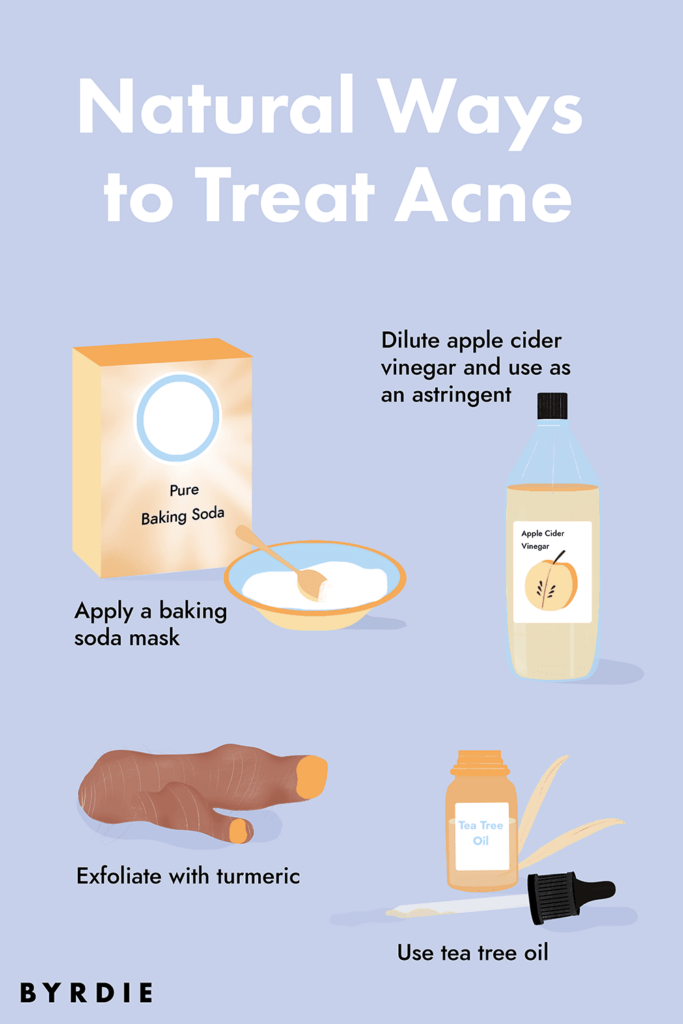
Tea tree oil is a popular herbal remedy for acne due to its antimicrobial and anti-inflammatory properties. It is derived from the leaves of the tea tree and can help kill acne-causing bacteria, reduce inflammation, and promote healing. Tea tree oil can be applied directly to the affected areas using a cotton swab or diluted with a carrier oil for those with sensitive skin.
Aloe vera
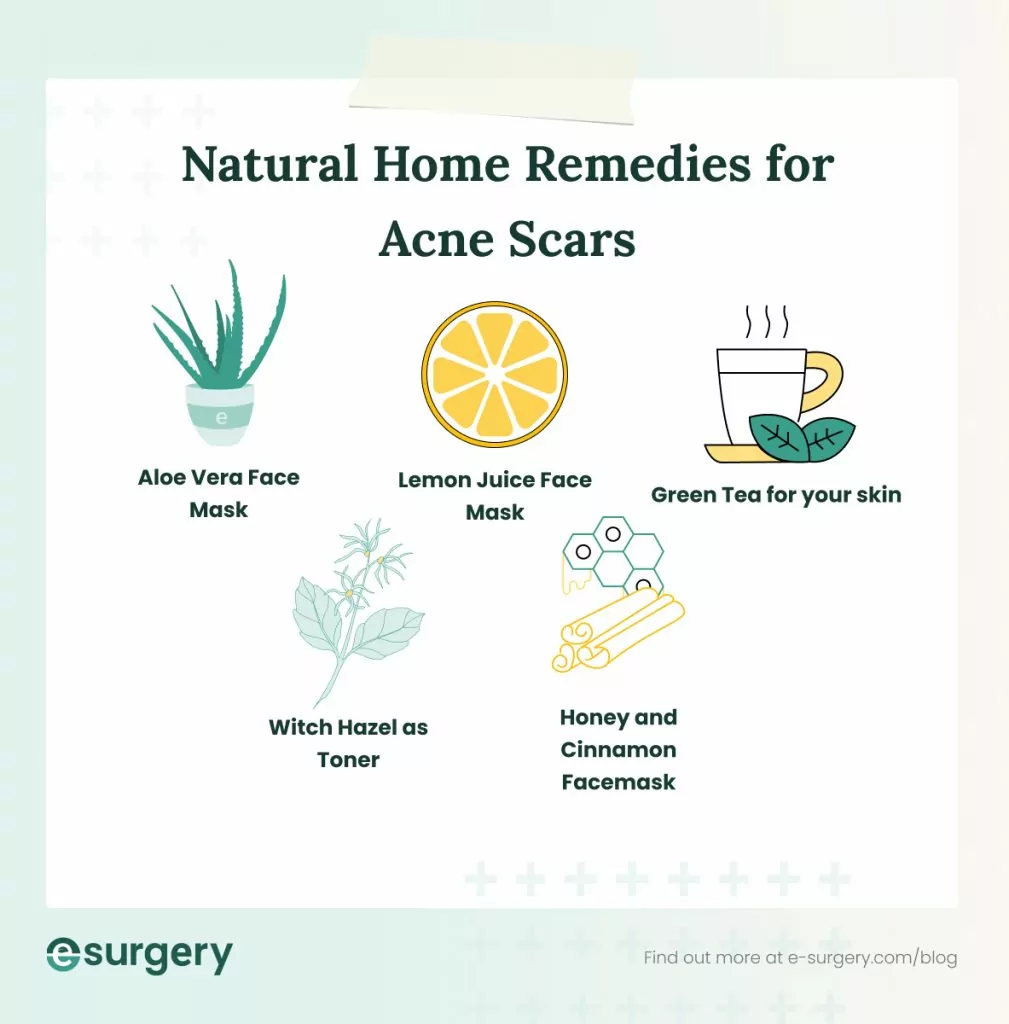
Aloe vera is known for its soothing and healing properties, making it a beneficial herbal remedy for acne. It can help reduce inflammation, calm irritated skin, and promote the healing of acne scars. Aloe vera gel can be applied directly to the skin or used as a moisturizer.
Witch hazel
Witch hazel is a natural astringent that can help reduce excess oil and inflammation, making it an effective herbal remedy for acne. It can be applied to the skin using a cotton pad or used as an ingredient in homemade toners or cleansers.
Green tea
Green tea is rich in antioxidants, which can help protect the skin from damage and reduce inflammation. It can be consumed as a beverage or applied topically to the skin as a toner or face mask.
Chamomile
Chamomile has anti-inflammatory and soothing properties, making it a popular herbal remedy for acne-prone skin. It can help calm redness and irritation and promote healing. Chamomile tea can be brewed and used as a facial rinse or applied as a compress to the affected areas.
Calendula
Calendula has antibacterial and anti-inflammatory properties, making it an effective herbal remedy for acne. It can help soothe irritated skin, reduce redness, and promote healing. Calendula can be applied topically as a cream or ointment.
Dietary Changes
In addition to incorporating natural remedies into your skincare routine, making dietary changes can also play a significant role in managing and preventing acne. Certain foods can exacerbate acne symptoms, while others can help promote clear, healthy skin. By making simple adjustments to your diet, you can support your skin’s health and reduce the occurrence of acne breakouts.
Foods to avoid
There are certain foods that are known to worsen acne symptoms and should be avoided or limited:
- Dairy products: Studies have shown a link between the consumption of dairy products and an increase in acne breakouts. Dairy products contain hormones and growth factors that can stimulate oil production and inflammation in the skin.
- High glycemic index foods: Foods that are high in refined carbohydrates, such as white bread, sugary snacks, and sodas, can cause a rapid increase in blood sugar levels. This spike in blood sugar can lead to increased oil production and inflammation, contributing to acne breakouts.
- Processed foods: Processed foods often contain artificial ingredients, preservatives, and unhealthy fats, which can negatively impact skin health and contribute to acne breakouts.
- Greasy and fried foods: Greasy and fried foods can increase oil production in the skin, leading to clogged pores and the development of acne.
Foods to consume
On the other hand, there are several foods that can promote clear, healthy skin and reduce the occurrence of acne breakouts:
- Foods rich in antioxidants: Antioxidant-rich foods, such as fruits and vegetables, can help protect the skin from damage and reduce inflammation. Berries, leafy greens, and colorful fruits and vegetables are excellent choices.
- Omega-3 fatty acids: Foods that are high in omega-3 fatty acids, such as fatty fish, walnuts, and flaxseeds, have been found to have anti-inflammatory properties and can help reduce acne symptoms.
- Probiotics: Probiotic-rich foods, such as yogurt, kefir, and fermented vegetables, can support a healthy gut and reduce inflammation in the body, which can in turn improve skin health.
- Whole grains: Opting for whole grains instead of refined carbohydrates can help stabilize blood sugar levels and reduce the risk of acne breakouts.
Benefits of a healthy diet for acne
Maintaining a healthy diet can have numerous benefits for acne-prone skin. By avoiding foods that can worsen acne symptoms and consuming foods that support skin health, you can:
- Reduce inflammation in the body and the skin.
- Regulate oil production in the skin.
- Support the skin’s natural healing process.
- Improve overall skin texture and appearance.
By incorporating dietary changes alongside natural remedies and a good skincare routine, you can take a holistic approach to managing and preventing acne breakouts.
Lifestyle Modifications
In addition to natural remedies and dietary changes, certain lifestyle modifications can also contribute to improved acne management and prevention. Making simple adjustments to your daily routine and habits can have a positive impact on your skin health, reducing the occurrence of breakouts and promoting a clearer complexion.
Proper hygiene
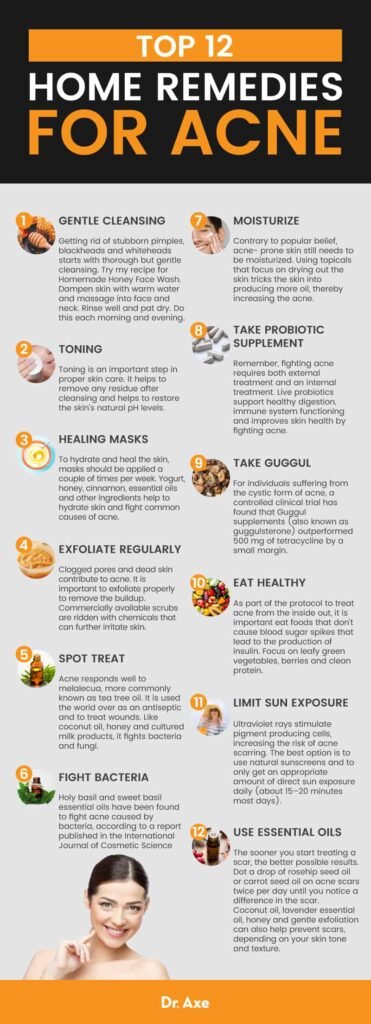
Maintaining proper hygiene is essential for managing and preventing acne breakouts. It is important to cleanse your skin twice a day using a gentle cleanser that is suitable for your skin type. Avoid harsh scrubbing or overwashing, as this can irritate the skin and lead to further breakouts. Additionally, be mindful of the products you use on your skin, ensuring they are non-comedogenic and do not clog pores.
Stress management
Stress can have a negative impact on overall health, including skin health. It can trigger hormonal imbalances, increase oil production, and cause inflammation, all of which can contribute to acne breakouts. Engaging in stress-reducing activities such as meditation, yoga, or spending time in nature can help manage stress levels and promote healthier skin.
Exercise
Regular exercise not only benefits overall health but can also improve skin health. Exercise helps promote blood circulation, which can deliver oxygen and nutrients to the skin, promoting healing and a healthy complexion. Additionally, exercise can help regulate hormone levels, reduce stress, and improve mood, all of which can contribute to reduced acne symptoms.
Adequate sleep
Getting enough sleep is crucial for maintaining healthy skin. Lack of sleep can disrupt the body’s hormone balance, increase inflammation, and lead to increased oil production. Aim for 7-8 hours of quality sleep each night to support your skin’s natural healing process and reduce acne breakouts.
Reducing exposure to pollutants
Exposure to pollutants, both indoors and outdoors, can contribute to acne breakouts and skin irritation. It is important to minimize exposure to cigarette smoke, air pollution, and other irritants that can clog pores and cause inflammation. Keep your living space clean, use an air purifier if needed, and protect your skin from excessive sun exposure by wearing sunscreen and protective clothing.
By incorporating these lifestyle modifications into your daily routine, you can support your skin’s health and reduce acne breakouts.
Topical Treatments
Topical treatments can be an effective addition to your natural acne-fighting routine. These treatments are applied directly to the skin and can help target and treat individual breakouts, reduce inflammation, and promote healing. Many natural ingredients can be used as topical treatments for acne, providing a gentle and effective solution for managing and preventing breakouts.
Honey
Honey has antibacterial and anti-inflammatory properties, making it an excellent topical treatment for acne. Applying a thin layer of honey to the affected areas can help kill acne-causing bacteria, reduce inflammation, and promote healing. Manuka honey, in particular, is known for its potent antibacterial properties.
Apple cider vinegar
Apple cider vinegar is a natural astringent that can help balance the pH of the skin and reduce inflammation. It can be diluted with water and applied to the skin using a cotton pad. It is important to patch test first, as apple cider vinegar can be drying and may cause irritation for some individuals.
Lemon juice
Lemon juice contains citric acid, which can help exfoliate the skin and unclog pores. It also has natural antibacterial properties. Diluted lemon juice can be applied to the skin using a cotton pad or used as an ingredient in homemade masks or toners.
Oatmeal
Oatmeal has soothing and anti-inflammatory properties, making it an effective topical treatment for acne. It can be ground into a fine powder and used as an ingredient in homemade masks or mixed with water and applied directly to the skin as a gentle cleanser.
Baking soda
Baking soda can help exfoliate the skin and remove dead skin cells, reducing the occurrence of clogged pores. It can be mixed with water to form a paste and applied to the skin as a mask or used as a gentle exfoliant.
When using topical treatments, it is important to be mindful of your skin’s sensitivity and patch test before applying them to larger areas. Also, remember to moisturize your skin afterward to prevent dryness.
Essential Oils
Essential oils are concentrated plant extracts that can be used topically or inhaled to promote various health benefits. Some essential oils have properties that make them effective for managing and preventing acne breakouts. However, it is important to use essential oils safely and properly dilute them before applying them to the skin.
Lavender oil
Lavender oil is known for its calming and soothing properties, making it beneficial for acne-prone skin. It has antimicrobial properties that can help kill acne-causing bacteria and reduce inflammation. Lavender oil can be diluted with a carrier oil and applied to the skin, or a few drops can be added to bathwater for a relaxing soak.
Rosehip seed oil
Rosehip seed oil is high in antioxidants and essential fatty acids, making it a nourishing and hydrating oil for acne-prone skin. It can help reduce inflammation, promote healing, and improve the overall appearance of the skin. Rosehip seed oil can be applied directly to the skin or added to moisturizers.
Frankincense oil
Frankincense oil has antimicrobial and anti-inflammatory properties, making it a beneficial essential oil for acne-prone skin. It can help kill acne-causing bacteria, reduce inflammation, and promote healing. Frankincense oil can be diluted with a carrier oil and applied to the skin, or a few drops can be added to a diffuser for inhalation.
Eucalyptus oil
Eucalyptus oil has antimicrobial properties that can help kill acne-causing bacteria and reduce inflammation. It can be diluted with a carrier oil and applied to the skin or added to homemade toners or cleansers.
Clary sage oil
Clary sage oil has antibacterial and anti-inflammatory properties, making it beneficial for acne-prone skin. It can help regulate oil production, reduce inflammation, and promote healing. Clary sage oil can be diluted with a carrier oil and applied to the skin, or a few drops can be added to a diffuser for inhalation.
When using essential oils, it is important to dilute them properly before applying them to the skin to avoid irritation or adverse reactions. Additionally, it is always recommended to patch test before using any essential oil on larger areas of the skin.
Supplements for Acne
Supplements can be a beneficial addition to your acne-fighting regimen, providing nutrients that support skin health from the inside out. While it is important to consult with a healthcare professional before starting any new supplements, certain supplements have been found to have potential benefits for acne-prone skin.
Zinc
Zinc is a mineral that plays a crucial role in skin health. It has anti-inflammatory and antimicrobial properties and can help regulate oil production. Taking a zinc supplement, under the guidance of a healthcare professional, can help support healthy skin and reduce acne breakouts.
Vitamin A
Vitamin A is essential for the health of skin cells and can help regulate oil production. It is often prescribed in high doses as a prescription medication for severe acne. However, it is important to consult with a healthcare professional before taking vitamin A supplements, especially in high doses.
Omega-3 fatty acids
Omega-3 fatty acids have anti-inflammatory properties and can help reduce inflammation in the body and the skin. Taking omega-3 fatty acid supplements, such as fish oil or flaxseed oil, can support overall skin health and reduce acne symptoms.
Probiotics
Probiotics are beneficial bacteria that support a healthy gut and immune system. They can help reduce inflammation in the body, including the skin, and contribute to a healthy complexion. Taking a probiotic supplement or consuming probiotic-rich foods can improve gut health and support clear, healthy skin.
Burdock root
Burdock root is an herb that has been traditionally used to treat various skin conditions, including acne. It has anti-inflammatory and antioxidant properties and can help purify the blood, remove toxins, and promote clearer skin. Burdock root supplements can be taken under the guidance of a healthcare professional.
While supplements can be beneficial for acne-prone skin, it is important to consult with a healthcare professional before starting any new supplements, as they can interact with medications or have adverse effects on certain individuals.

Natural Cleansers and Exfoliants
In addition to incorporating natural remedies, lifestyle modifications, and supplements into your acne-fighting routine, using natural cleansers and exfoliants can further promote clear, healthy skin. These homemade treatments are gentle on the skin and can help remove excess oil, unclog pores, and promote a smoother complexion.
Honey and cinnamon mask
This simple homemade mask combines the antibacterial properties of honey with the anti-inflammatory properties of cinnamon. Mix one tablespoon of raw honey with a pinch of cinnamon to form a paste. Apply the mixture to clean skin and leave it on for 10-15 minutes before rinsing off with warm water. This mask can help kill acne-causing bacteria and reduce inflammation.
Yogurt and oatmeal scrub
This gentle scrub combines the soothing properties of yogurt with the exfoliating properties of oatmeal. Mix two tablespoons of plain yogurt with one tablespoon of ground oatmeal to form a paste. Gently massage the mixture onto damp skin in circular motions, then rinse off with warm water. This scrub can help remove dead skin cells, unclog pores, and promote a smoother complexion.
Baking soda and coconut oil cleanser
This cleansing mixture combines the exfoliating properties of baking soda with the moisturizing properties of coconut oil. Mix one tablespoon of baking soda with enough melted coconut oil to form a paste. Massage the mixture onto damp skin in circular motions, then rinse off with warm water. This cleanser can help remove excess oil, unclog pores, and leave the skin feeling refreshed.
Turmeric and gram flour pack
This homemade pack combines the anti-inflammatory properties of turmeric with the exfoliating properties of gram flour. Mix one tablespoon of turmeric powder with two tablespoons of gram flour and enough water to form a paste. Apply the mixture to clean skin and leave it on for 15-20 minutes before rinsing off with warm water. This pack can help reduce inflammation, remove dead skin cells, and promote a brighter complexion.
Papaya enzyme exfoliant
This enzymatic exfoliant utilizes the natural enzymes found in papaya to gently remove dead skin cells and unclog pores. Mash half a ripe papaya and apply it to clean skin. Leave it on for 10-15 minutes before rinsing off with warm water. This exfoliant can help smooth the skin, unclog pores, and promote a more even skin tone.
When using homemade cleansers and exfoliants, it is important to be gentle and avoid scrubbing too harshly, as this can irritate the skin and cause further breakouts. It is also essential to patch test before using these treatments on larger areas of the skin, especially if you have sensitive or reactive skin.
Consulting a Professional
While natural remedies can be effective in managing and preventing acne, there are certain situations where it is important to seek medical advice. A dermatologist or healthcare professional can provide expertise and guidance in developing a skincare routine and treatment plan tailored to your specific needs.
When to seek medical advice
It is advisable to seek medical advice when:
- You have severe or persistent acne that is not responding to natural remedies.
- Your acne is causing significant emotional distress or affecting your self-esteem.
- You are experiencing pain or discomfort from your acne.
- Your acne is leaving scars or dark spots on your skin.
- You are unsure about the best treatment options for your specific skin type and condition.
Finding a knowledgeable dermatologist
When seeking medical advice for acne, it is important to find a knowledgeable dermatologist who can provide expert guidance and treatment options. Look for a dermatologist who has experience in treating acne and is up-to-date with the latest research and advancements in acne treatments.
It can be helpful to ask for recommendations from friends, family, or healthcare professionals. Additionally, you can check online reviews and credentials to ensure that the dermatologist is reputable and knowledgeable in treating acne.
Integrating professional advice with natural remedies
When consulting a dermatologist or healthcare professional for acne, it is important to communicate your interest in natural remedies and your desire for a holistic approach to skincare. A knowledgeable dermatologist will be able to provide guidance on incorporating natural remedies alongside conventional treatments or provide alternative treatment options that align with your preferences.
Remember to be open and honest about your skincare routine, including the use of natural remedies, so that your dermatologist can provide tailored advice and recommendations.
In conclusion, understanding acne and its causes is the first step in effectively managing and preventing breakouts. Natural remedies, such as herbal remedies, dietary changes, lifestyle modifications, topical treatments, essential oils, supplements, and natural cleansers and exfoliants, offer a gentle and holistic approach to acne management. By incorporating these natural remedies into your skincare routine and seeking professional advice when necessary, you can achieve clearer, healthier skin and regain your confidence.

Related Terms About Natural Remedy For Acne.
Home Remedies For Acne After Pregnancy, Home Remedies For Acne Caused By Hormones, Home Remedies For Acne Eczema, Home Remedies For Acne Flare Up, Home Remedies For Acne In Babies, Home Remedies For Acne In Hindi, Home Remedies For Acne In Scalp, Home Remedies For Acne In Urdu, Home Remedies For Acne In Winter, Home Remedies For Acne Inversa