
You have had those pesky eye twitches that just won’t go away, and it’s starting to become a major annoyance. Fortunately, there is a simple and natural remedy for this pesky twitching that you can try right at home. Say goodbye to those uncontrollable eye movements and hello to relief. Read on to discover this effective and easy fix for eye twitching that will have you feeling calm and refreshed in no time.
Causes of Eye Twitching
Stress and fatigue
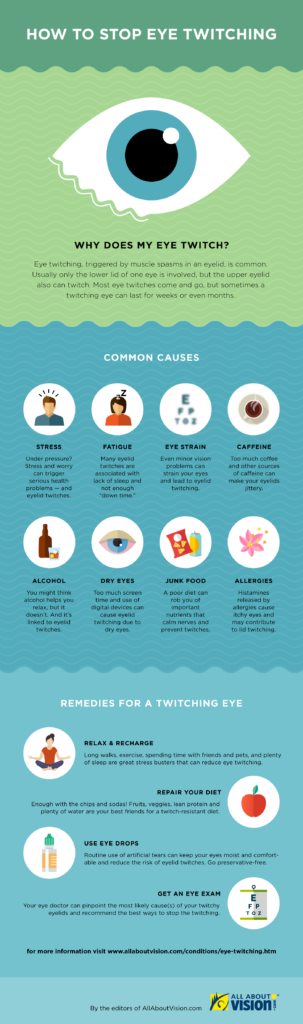
Eye twitching can often be a result of stress and fatigue. When you are under a lot of stress or feeling particularly fatigued, the muscles around your eyes may start to spasm involuntarily, causing a twitching sensation. It’s crucial to find ways to manage your stress levels and ensure you are getting enough rest to minimize the occurrence of eye twitching.
Eye strain
Spending long hours in front of a screen or engaging in activities that require intense focus can strain your eyes and lead to eye twitching. This strain can be caused by prolonged computer use, reading for extended periods, or even driving for long distances without taking breaks. To reduce eye strain, make sure to take regular breaks, practice the 20-20-20 rule (look at something 20 feet away for 20 seconds every 20 minutes), and adjust the lighting and ergonomics of your workspace.
Dry eyes
Dry eyes occur when your tear production is insufficient, causing your eyes to feel dry, itchy, and irritated. This dryness can trigger eye twitching as your eyes attempt to lubricate themselves. Factors that contribute to dry eyes include environmental conditions, certain medications, and underlying health conditions. To alleviate dry eyes, consider using artificial tears or lubricating eye drops to keep your eyes moist and consult with an eye care professional if the problem persists.
Nutritional deficiencies
Nutritional deficiencies, particularly in vitamins and minerals essential for eye health, can also contribute to eye twitching. Lack of sufficient intake of vitamins B12, D, E, and C, along with minerals such as zinc and magnesium, can weaken the muscles around the eyes and lead to spasms. To address nutritional deficiencies, incorporate a balanced diet rich in fruits, vegetables, whole grains, and lean proteins. If necessary, consult a healthcare professional about potential supplementation.
Caffeine and alcohol consumption
Regular consumption of caffeine and alcohol can aggravate eye twitching. Both caffeine and alcohol have stimulant effects that can disrupt the normal functioning of your muscles, including those around your eyes. Consider reducing your intake or eliminating these substances altogether to see if it helps alleviate the frequency or intensity of eye-twitching episodes.
Symptoms and Effects of Eye Twitching
Involuntary eyelid movement
The most noticeable symptom of eye twitching is the involuntary movement of the eyelid. You may experience a spasmodic twitch in your upper or lower eyelid, which can be sporadic or recurring throughout the day. The twitching sensation can range from a minor flutter to more pronounced movements.
Increased sensitivity to light
Eye twitching can also make you more sensitive to light. You might find that bright lights or sudden changes in lighting intensify your eye discomfort or trigger more frequent twitching episodes. Protecting your eyes from excessive or harsh light sources and wearing sunglasses when outdoors can help alleviate this sensitivity.
Eye discomfort or irritation
Eye twitching often goes hand in hand with a general feeling of discomfort or irritation in the affected eye. Some people describe it as a gritty or sandy sensation, while others may experience mild pain or itching. Regularly using artificial tears or lubricating eye drops can help soothe the discomfort and reduce the frequency of eye twitching.
Impaired vision
In some cases, eye twitching can temporarily impair your vision. You may notice that your vision momentarily blurs or becomes more difficult to focus on during a twitching episode. If you experience prolonged or severe vision disturbances, it is essential to consult an eye care professional to rule out any underlying eye conditions.
Interference with daily activities
Eye twitching can be more than just a bothersome sensation; it can interfere with your daily activities. If the twitching becomes severe or frequent, it can be distracting and affect your ability to concentrate on tasks. It can also make others uneasy when they communicate with you. Therefore, finding ways to alleviate or prevent eye twitching is crucial to maintaining your productivity and quality of life.
Home Remedies for Eye Twitching
Get enough rest and manage stress
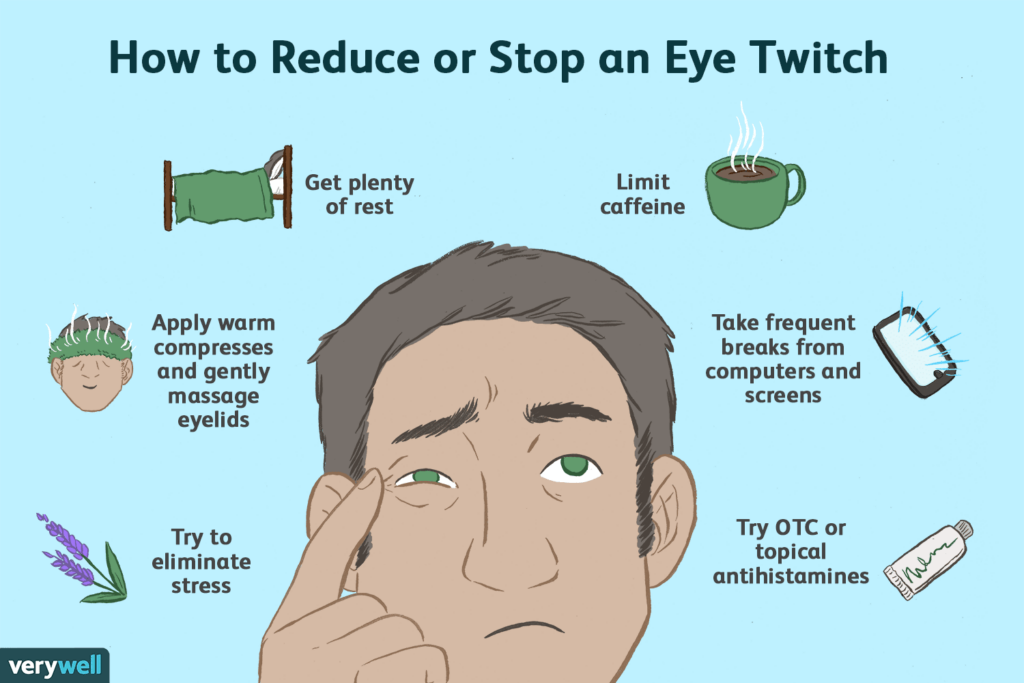
Ensuring you get adequate rest is vital in reducing eye-twitching episodes caused by fatigue. Aim for around 7-9 hours of quality sleep each night to give your body and eyes the time to recharge. Additionally, finding healthy ways to manage stress, such as practicing relaxation techniques or engaging in hobbies you enjoy, can help alleviate eye twitching associated with stress.
Apply a warm compress
Placing a warm compress over your closed eyelids can soothe the muscles around your eyes and alleviate eye twitching. The warmth helps to improve blood circulation, relax the muscles, and relieve tension. You can use a clean washcloth soaked in warm water or try using a heated eye mask specifically designed for this purpose.
Practice relaxation techniques
Incorporating relaxation techniques into your daily routine can help reduce eye twitching caused by stress. Deep breathing exercises, meditation, yoga, or tai chi are excellent practices to promote relaxation and overall well-being. These techniques can help calm your nervous system, reducing the frequency and intensity of eye twitches.
Blink frequently and take breaks from screens
To prevent eye strain and subsequent eye twitching, make a conscious effort to blink frequently, particularly when using digital devices. Blinking helps to spread tears evenly over the surface of your eyes, keeping them lubricated and reducing strain. Additionally, taking regular breaks from screens and focusing on distant objects allows your eyes to relax and recover from the intense visual concentration required for screen time.
Use artificial tears
If you suffer from dry eyes or notice that eye twitching is more frequent when your eyes feel dry, using artificial tears can provide relief. These lubricating eye drops help to moisturize the eyes, reducing the irritation and twitching associated with dryness. Opt for preservative-free artificial tears and consult an eye care professional if the dryness persists.
Consume a balanced diet
A well-balanced diet rich in essential vitamins and minerals is important for overall eye health and can help mitigate eye twitching. Make sure to incorporate foods rich in vitamins B12, D, E, and C, along with omega-3 fatty acids, zinc, and magnesium into your meals. Some examples include leafy greens, citrus fruits, nuts, seeds, fatty fish, and whole grains.
Limit caffeine and alcohol intake
As mentioned earlier, excessive caffeine and alcohol consumption can contribute to eye twitching. Consider reducing your intake of caffeinated beverages like coffee, tea, and energy drinks. Similarly, limit your alcohol consumption to minimize its stimulating effects on your muscles. Opting for herbal teas or decaffeinated options can be a healthier alternative to support eye health.
Herbal Remedies for Eye Twitching
Chamomile tea
Chamomile tea is well-known for its calming properties and is often used to alleviate stress and promote relaxation. Drinking a cup of chamomile tea before bed or during periods of high stress can help reduce eye twitching caused by stress-related reasons.
Passionflower extract
Passionflower extract is another herbal remedy that has been used for its calming and anti-anxiety effects. Taking passionflower extract as a dietary supplement or using it in tea form may help reduce eye twitching by promoting relaxation and reducing stress levels.
Lavender essential oil
Lavender essential oil is known for its soothing aroma and can be used topically or inhaled for its calming effects. Applying a diluted solution of lavender essential oil to the temples, forehead, or wrists may help alleviate eye twitching caused by stress or fatigue.
Valerian root
Valerian root has been used for centuries as a natural remedy for promoting relaxation and improving sleep quality. Consuming valerian root as a dietary supplement in the form of capsules or tinctures may help reduce eye twitching caused by stress or lack of sleep.
Bilberry extract
Bilberry extract is a rich source of antioxidants and has been traditionally used for eye health. It may help reduce eye inflammation and improve blood circulation to the eyes, potentially reducing eye twitching. Consider incorporating bilberry extract supplements into your routine after consulting with a healthcare professional.

Vitamins and Minerals for Eye Health
Vitamin B12
Vitamin B12 plays a crucial role in maintaining the overall health of your eyes. It contributes to the production of red blood cells, which, in turn, enhance the oxygen supply to your eyes. Include foods such as lean meats, fish, dairy products, and fortified cereals in your diet to ensure adequate vitamin B12 intake.
Vitamin D
Vitamin D, often known as the sunshine vitamin, is important for eye health. It helps reduce inflammation and protects against certain eye conditions. Spending time outdoors and consuming foods like fatty fish, eggs, and fortified dairy products can help boost your vitamin D levels.
Vitamin E
Vitamin E is an antioxidant that is beneficial for eye health. It helps protect your eyes from damage caused by free radicals and promotes overall eye health. Almonds, sunflower seeds, spinach, and avocados are excellent sources of vitamin E.
Vitamin C
Vitamin C is another powerful antioxidant that supports eye health. It helps maintain the health of blood vessels in the eyes and may reduce the risk of age-related macular degeneration. Citrus fruits, strawberries, bell peppers, and broccoli are all rich in vitamin C.
Omega-3 fatty acids
Omega-3 fatty acids have anti-inflammatory properties and are important for the health of the retina. Consuming fatty fish like salmon, mackerel, and sardines, as well as flaxseeds, chia seeds, and walnuts, can provide the omega-3 fatty acids needed for eye health.
Zinc
Zinc is a mineral that helps transport vitamin A from the liver to the retina, which is essential for good vision. Including foods like oysters, beef, poultry, pumpkin seeds, and beans in your diet can help ensure sufficient zinc intake.
Magnesium
Magnesium is involved in more than 300 enzymatic reactions in the body, including those related to eye health. It helps regulate muscle function, including the muscles around the eyes. Green leafy vegetables, nuts, seeds, and whole grains are excellent sources of magnesium.
Acupressure Points for Eye Twitching Relief
Between the eyebrows
Apply gentle pressure with your thumb or index finger to the point between your eyebrows. Gradually increase the pressure and hold for a few seconds before releasing. Repeat this process several times a day to help relieve eye twitching discomfort.
The inner corner of the eye
Using your index finger, apply gentle pressure to the inner corner of your eye where the tear duct is located. Hold the pressure for a few seconds, release, and repeat. This acupressure point may help alleviate eye twitching and promote relaxation.
Upper eyelid
Place your index or middle finger on your upper eyelid, just above the lash line. Apply firm but gentle pressure and hold for a few seconds before releasing. Repeat this process multiple times a day to relieve eye twitching.
The outer corner of the eye
Using your index finger, apply gentle pressure to the outer corner of your eye, where the temporal bone meets the eye socket. Apply pressure for a few seconds, release, and repeat. This acupressure point may help reduce eye twitching and relieve eye strain.
Below the eyebrows
Apply gentle pressure to the area just below your eyebrows, toward the bridge of your nose. Use your index finger or thumb and hold the pressure for a few seconds. Repeat this technique several times a day to help relax the muscles around your eyes.
Lifestyle Changes to Prevent Eye Twitching
Improve ergonomics and lighting
Ensuring proper ergonomics and lighting in your workspace can greatly reduce the risk of eye strain and subsequent eye twitching. Position your monitor at eye level, adjust your chair and desk height for optimal posture, and ensure your workspace is well-lit with appropriate lighting.
Limit screen time
Excessive screen time can strain your eyes and contribute to eye twitching. Set limits on the amount of time you spend in front of digital devices, take regular breaks, and consider using blue light filters or glasses to minimize the impact of screen time on your eyes.
Stay hydrated
Dehydration can worsen dry eyes and potentially lead to eye twitching. Make sure to drink enough water throughout the day to stay adequately hydrated. If you struggle to consume enough water, try setting reminders or infusing your water with fruits or herbs for flavor.
Avoid excessive caffeine and alcohol
As previously mentioned, excessive consumption of caffeine and alcohol can exacerbate eye twitching. Limit your intake of caffeinated beverages and alcoholic drinks, opting for healthier alternatives like herbal teas, water, or natural fruit juices.
Get regular exercise
Engaging in regular exercise has numerous benefits for your overall health, including your eyes. Exercise improves blood circulation, reduces stress levels, and promotes better sleep, all of which can aid in reducing eye twitching. Find activities you enjoy and aim for at least 30 minutes of moderate-intensity exercise most days of the week.
When to Seek Medical Attention
Persistent eye twitching
While occasional eye twitching is usually harmless, persistent or chronic eye twitching may indicate an underlying medical condition. If your eye twitching persists for more than a couple of weeks or becomes increasingly frequent or severe, it is important to seek medical attention to determine the cause and appropriate treatment.
Significant vision changes
If eye twitching is accompanied by significant changes in your vision, such as blurred vision, double vision, or difficulty focusing, it could be a sign of a more serious eye condition. Schedule an appointment with an eye care professional to have your eyes examined and address any potential issues.
Eyelid drooping
If you notice that your eyelid is drooping or twitching, it could be a sign of a condition called ptosis. Ptosis is the medical term for a drooping eyelid and can be caused by various factors, including nerve damage or muscle weakness. It is essential to consult a healthcare professional for proper diagnosis and treatment.
Spasms affecting other facial muscles
If the twitching expands beyond just the eye area and begins to affect other facial muscles, it may indicate a neurological issue. Conditions such as hemifacial spasms or facial tic disorder could be the underlying cause. Seeking medical attention can help diagnose and manage these conditions effectively.
Pain or redness in the eye
If eye twitching is accompanied by pain, redness, discharge, or any other concerning symptoms, it is important to consult with an eye care professional. These symptoms can indicate an infection, inflammation, or damage to the eye that requires prompt treatment.
Conclusion
Incorporating natural remedies, such as getting enough rest, managing stress, using warm compresses, practicing relaxation techniques, and implementing lifestyle changes like limiting screen time and improving ergonomics, can help alleviate eye twitching. Additionally, consuming a balanced diet rich in vitamins and minerals, considering herbal remedies, and being mindful of acupressure points can also contribute to overall eye health and reduce eye-twitching symptoms. However, if symptoms worsen or persist, it is crucial to consult a healthcare professional for proper diagnosis and treatment. Your eye health is important, and taking care of your eyes can enhance your overall well-being.
Related Terms About Natural Remedy For Eye Twitching.
At Home Remedies For Eye Twitching, Home Remedies For Eye Twitching, Home Remedies For Eye Twitching In Hindi, Home Remedies For Lower Eyelid Twitching, Home Remedies For Right Eye Twitching, Home Remedies To Stop Eyelid Twitching, Home Remedy For Involuntary Eye Twitching, Home Remedy For Twitching Eyelid, Home Remedy For Twitching Eyes, Home Remedy For Under Eye Twitching, Homeopathic Remedy For Twitching Eyelid, How To Cure Under Eye Twitching, Natural Remedies For Eye Twitching, Natural Remedy For Eye Twitching, Natural Remedy For Eyelid Twitching, What Is A Natural Remedy For Eye Twitching