
Imagine waking up in the middle of the night to the sound of your child’s hoarse cough, struggling to breathe. It’s a frightening experience, but there’s no need to panic. In this article, we will explore a simple and effective natural remedy for croup, a common respiratory condition that often affects young children. Discover how a few natural ingredients can provide relief and soothe your little one’s symptoms, allowing both of you to get a good night’s sleep.
Understanding Croup
Definition of croup
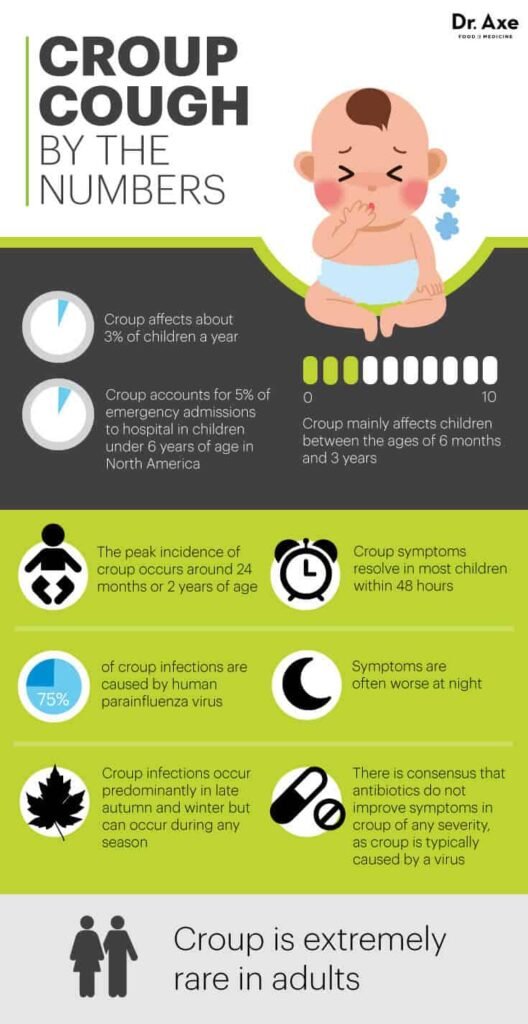
Croup is a common respiratory illness that primarily affects young children, causing inflammation and narrowing of the airways. It is often characterized by a distinctive barking cough, hoarseness, and difficulty breathing. Croup is usually caused by a viral infection, specifically the parainfluenza virus, although other viruses can also be responsible. Although it can be alarming for both the child and the parents, croup is typically a mild condition that can be managed effectively with proper care and treatment.
Causes of croup
As mentioned earlier, croup is primarily caused by viral infections, particularly the parainfluenza virus. This virus enters the body through the respiratory tract and leads to inflammation of the airways, particularly the larynx (voice box) and trachea (windpipe). Other viruses, such as influenza virus, adenovirus, and respiratory syncytial virus (RSV), can also cause croup, albeit less commonly. Croup is highly contagious and can spread easily from person to person through respiratory droplets.
Symptoms of croup
The symptoms of croup can vary in severity, but typically include a barking cough, hoarseness or raspy voice, difficulty breathing, especially with inhalation, and a harsh, high-pitched sound when breathing in, known as stridor. Other symptoms may include fever, runny nose, and mild sore throat. These symptoms often worsen at night and are more pronounced when the child is agitated or crying. It is essential to monitor the child closely and seek medical attention if symptoms become severe or if the child shows signs of respiratory distress.
Diagnosing Croup
Physical examination
The diagnosis of croup is primarily based on a physical examination performed by a healthcare professional. The doctor will assess the child’s symptoms, checking for the characteristic barking cough and listening for any abnormal sounds during breathing. They may also evaluate the child’s breathing rate, oxygen saturation levels, and overall appearance to determine the severity of the condition. In some cases, a throat examination may also be conducted to rule out other possible causes of the symptoms.
Medical history evaluation
Alongside the physical examination, the doctor will also consider the child’s medical history, especially any previous instances of croup or recurrent respiratory issues. They may inquire about recent exposure to sick individuals, the duration and progression of symptoms, and any relevant family history. Understanding the child’s medical history is crucial in formulating an accurate diagnosis and developing an appropriate treatment plan.
Additional tests
In most cases, additional tests are not required to diagnose croup. However, if the child presents with severe symptoms or does not respond to initial treatment, the doctor may order a chest X-ray or other respiratory tests to rule out other underlying conditions. These tests help ensure that the respiratory distress is solely attributed to croup and not a more serious respiratory problem.

Conventional Treatment Options
Use of corticosteroids
One of the primary treatments for croup is the administration of corticosteroids, such as dexamethasone or prednisone. These medications help reduce airway inflammation and swelling, facilitating easier breathing. Corticosteroids are typically given orally or through an injection and have been shown to effectively alleviate croup symptoms, especially when given early in the course of the illness. It is essential to follow the doctor’s prescribed dosage and duration for corticosteroid treatment.
Administering humidified air
Another conventional treatment option for croup is humidified air therapy. This can be achieved by running a shower or humidifier in the bathroom and allowing the child to inhale the warm, moist air. Humidified air helps soothe inflamed airways and may reduce coughing and breathing difficulties. It is recommended to keep the child in a moist environment for about 15-20 minutes to maximize the benefits.
Nebulized epinephrine
In more severe cases of croup, healthcare professionals may administer nebulized epinephrine. This treatment is typically reserved for instances where the child is experiencing significant respiratory distress and has not responded to other treatments. Nebulized epinephrine helps relax the airway muscles, improve breathing, and reduce inflammation. This type of treatment is usually administered in a hospital or emergency setting, under close medical supervision.
Monitoring oxygen levels
Monitoring oxygen levels is an essential aspect of managing croup. In severe or prolonged cases, decreased oxygen levels may occur, requiring supplemental oxygen therapy. Healthcare professionals will closely monitor the child’s oxygen saturation levels with a pulse oximeter and intervene accordingly if oxygen levels drop significantly. Regular monitoring ensures appropriate oxygen support is provided as needed.

Natural Remedies
Steam inhalation
Steam inhalation is a widely used natural remedy for croup. By inhaling steam, the warm moisture helps soothe the airways and alleviate symptoms. To practice steam inhalation, bring a pot of water to a boil, remove it from the heat, and place a towel over your head, leaning over the pot to trap the steam. Breathe deeply and slowly for 10-15 minutes. However, it is important to note that steam inhalation should only be used under adult supervision to prevent burns or scalds.
Warm fluids
Encouraging the consumption of warm fluids is another natural remedy for croup. The warmth of the fluids can help loosen mucus and relieve throat irritation, making breathing easier. Opt for warm water, herbal teas, or warm chicken or vegetable broth. Sipping on these fluids throughout the day can provide comfort and hydration. Avoid hot fluids to prevent any burn risks, especially when dealing with young children.
Honey
Honey is known for its antibacterial properties and soothing effects on the throat. It can be an effective natural remedy for croup, particularly in relieving cough and throat irritation. Take a teaspoon of honey before bedtime or mix it with warm water to create a honey tea. It is important to note that honey should not be given to children under the age of one due to the risk of infant botulism.
Essential oils
Certain essential oils possess antimicrobial and anti-inflammatory properties that can help alleviate croup symptoms. Eucalyptus, lavender, and tea tree oil are popular choices for respiratory relief. However, essential oils should always be used with caution, particularly when applied topically or used for inhalation. Consult with a healthcare professional or aromatherapist for guidance on the safe usage and appropriate dilution of essential oils for children.
Humidifier use
Using a humidifier in the child’s room can help maintain optimal humidity levels, preventing the air from becoming too dry and irritating the airways. Cool-mist humidifiers are generally recommended for children, as they pose no risk of burns or scalds. It is vital to clean and maintain the humidifier regularly to prevent the growth of mold or bacteria.
Elevating the head
Raising the child’s head when sleeping or resting can help promote better airflow and alleviate croup symptoms. Place a firm pillow or elevate the mattress slightly using rolled-up towels or blankets. This position helps reduce the intensity of coughing and promotes more comfortable breathing.
Saltwater gargles
Saltwater gargles can provide temporary relief from throat irritation and cough associated with croup. Mix half a teaspoon of salt in a glass of warm water and let the child gargle the solution for a few seconds before spitting it out. Repeat this several times a day as needed. It is important to note that this remedy is suitable for older children who can safely gargle without swallowing the saltwater.
Chicken soup
Chicken soup has long been regarded as a comforting remedy for respiratory illnesses, including croup. The warm broth can help hydrate the body and provide essential nutrients. Additionally, the steam from the soup may offer extra moisture to soothe the airways. Prepare a homemade chicken soup with fresh vegetables and herbs or opt for a high-quality store-bought option.
Vitamin C supplements
Vitamin C is known for its immune-boosting properties, and some studies suggest it may help reduce the severity and duration of respiratory infections. Consult with a healthcare professional about the appropriate dosage of vitamin C supplements for children. Additionally, encourage the consumption of vitamin C-rich foods, such as citrus fruits, strawberries, and leafy greens.
Avoiding irritants
Reducing exposure to irritants can help prevent the worsening of croup symptoms. Smoke, pollution, strong chemical odors, and cold air can all irritate the airways and exacerbate coughing and breathing difficulties. Make sure the child’s environment is smoke-free and well-ventilated. Limit the use of harsh cleaning chemicals or opt for natural, non-irritating alternatives. When going outside in cold weather, ensure the child is properly bundled up and protected from chilly temperatures.

Steam Inhalation
Explanation of steam inhalation
Steam inhalation involves inhaling the warm, moist air generated by boiling water. The steam helps to moisten the airways, reduce inflammation, and alleviate congestion, providing relief from croup symptoms. It can be a soothing and effective natural remedy when used correctly and with caution.
Benefits of steam inhalation
Steam inhalation offers several benefits for individuals with croup. The warm moisture helps to soothe the irritated airways, reduce coughing, and improve breathing. It can also help loosen mucus, making it easier to clear congestion. Additionally, steam inhalation provides a sense of comfort and relaxation, aiding in overall symptom relief and promoting better rest.
Step-by-step guide for steam inhalation
To perform steam inhalation safely and effectively:
- Boil a pot of water on the stove or use a steam inhaler if available.
- Once the water reaches a rolling boil, remove it from the heat source.
- Place the pot or steam inhaler on a sturdy, heat-resistant surface.
- Carefully drape a towel over your head, creating a tent-like structure that covers the pot or inhaler.
- Position your face about 8-12 inches above the steam source, ensuring a comfortable distance.
- Close your eyes and take slow, deep breaths through your nose, inhaling the steam.
- Continue the inhalation process for 10-15 minutes, or as recommended by a healthcare professional.
- After completing the steam inhalation, carefully remove the towel and pot or inhaler from the area.
- Allow the steam to dissipate before leaving the room.
- Wash your hands thoroughly after the procedure.
It is important to practice caution when performing steam inhalation, especially with young children. Never leave a child unattended during steam inhalation to prevent the risk of burns or scalds.

Related Terms About Natural Remedy For Croup.
Best Home Remedy For Croup Cough, Best Natural Remedy For Croup Cough, Holistic Remedies For Croup, Home Remedy For Croup Attack, Home Remedy For Croup Cough, Home Remedy For Croup In Adults, Home Remedy For Croup In Child, Home Remedy For Croup In Toddlers, Home Remedy For The Croup, Homeopathic Remedy For Croup Cough