
Are you tired of dealing with the painful symptoms and complications of ovarian cysts? Look no further, because we have a natural remedy that can help alleviate your discomfort and promote healing. This article will explore the benefits of using natural remedies for ovarian cysts, including herbs, essential oils, and dietary changes. Say goodbye to invasive treatments and medications, and say hello to a more holistic approach to managing your ovarian cysts. Read on to discover how you can find relief and take control of your health naturally!
Understanding Ovarian Cysts
Ovarian cysts are fluid-filled sacs that develop within the ovaries, which are the reproductive organs in a woman’s body. These cysts are a common occurrence and are usually harmless. However, in some cases, they can cause discomfort and may lead to complications. It is essential to understand the different types of ovarian cysts, their causes, symptoms, and available treatment options.
Definition of Ovarian Cysts
Ovarian cysts are small sacs filled with fluid that form on or inside the ovaries. These cysts can vary in size, ranging from as small as a pea to as large as a grapefruit. Most ovarian cysts are functional cysts, which means they occur as part of the menstrual cycle and usually resolve on their own without treatment. Other types of ovarian cysts, such as dermoid cysts and endometriomas, are less common but may require medical intervention.
Types of Ovarian Cysts
There are several types of ovarian cysts, including:
- Follicular cysts: These cysts form when the follicle, which usually releases an egg during ovulation, fails to rupture and release the egg. This type of cyst is the most common.
- Corpus luteum cysts: These cysts occur when the follicle releases an egg but continues to grow and fill with fluid. They usually resolve on their own after a few weeks.
- Dermoid cysts: These cysts contain tissue such as hair, skin, and sometimes even teeth. They are usually benign and may require surgical removal if they cause symptoms.
- Endometriomas: These cysts develop as a result of endometriosis, a condition in which the tissue lining the uterus grows outside of it. Endometriomas may cause pain and infertility problems.
- Cystadenomas: These cysts form from the outer surface of the ovary and can be filled with either fluid or mucus. They are usually benign but can grow large and cause discomfort.
- Polycystic ovaries: In Polycystic Ovary Syndrome (PCOS), multiple small cysts develop within the ovaries, leading to hormonal imbalances and fertility issues.
Understanding the different types of ovarian cysts is crucial in identifying the underlying causes and determining the appropriate treatment plan.
Causes of Ovarian Cysts
Several factors can contribute to the development of ovarian cysts. These include:
Hormonal Imbalance
Hormonal imbalances, such as the ones that occur during the menstrual cycle, can result in the formation of ovarian cysts. Changes in hormone levels can affect the normal development and release of eggs, leading to the formation of cysts.
Endometriosis
Endometriosis is a condition in which the tissue lining the uterus grows outside of it. This abnormal tissue growth can lead to the formation of cysts on the ovaries, known as endometriomas.
Pregnancy
During pregnancy, the ovaries produce cysts to support the growing fetus. These cysts, known as corpus luteum cysts, usually resolve on their own after a few weeks.
Polycystic Ovary Syndrome (PCOS)
PCOS is a hormonal disorder that causes enlarged ovaries with small cysts. Hormonal imbalances associated with PCOS can disrupt the normal ovulation process and result in the formation of ovarian cysts.
Obesity
Being overweight or obese can increase the risk of developing ovarian cysts. Excess body fat can disrupt hormone levels, leading to hormonal imbalances and the formation of cysts.
Pelvic Inflammatory Disease (PID)
Pelvic inflammatory disease is an infection of the female reproductive organs, usually caused by sexually transmitted infections. PID can cause inflammation and scarring, which may contribute to the formation of cysts in the ovaries.
Understanding the causes of ovarian cysts can help identify potential risk factors and guide appropriate preventive measures and treatment options.
Symptoms of Ovarian Cysts
Ovarian cysts may present with various symptoms, although some women may not experience any noticeable symptoms at all. Common symptoms of ovarian cysts include:
Pelvic Pain
Pelvic pain is one of the most common symptoms of ovarian cysts. The pain can range from a dull ache to sharp and severe pain, depending on the size and location of the cyst. The pain may worsen during menstruation or sexual intercourse.
Bloating and Abdominal Swelling
Ovarian cysts can cause bloating and abdominal swelling. The presence of a cyst can disrupt the normal functioning of the digestive system, leading to feelings of fullness and discomfort.
Irregular Menstrual Cycle
Ovarian cysts can affect the regularity of the menstrual cycle. Women may experience changes in the length of their cycle, as well as heavier or lighter periods. Some women may also experience spotting or breakthrough bleeding.
Painful Intercourse
The presence of ovarian cysts can cause discomfort or pain during sexual intercourse. The cysts may put pressure on the pelvic region, leading to pain or a feeling of fullness during intercourse.
Frequent Urination
Large ovarian cysts can put pressure on the bladder, resulting in frequent urination or a continuous urge to urinate.
It is important to note that these symptoms can also be associated with other conditions, so it is essential to consult a healthcare professional for an accurate diagnosis.
Medical Treatment Options for Ovarian Cysts
The treatment approach for ovarian cysts depends on various factors, including the type and size of the cyst, the presence of symptoms, and whether the cyst is benign or cancerous. Some medical treatment options for ovarian cysts include:
Watchful Waiting
In cases of small, asymptomatic cysts, doctors may recommend watchful waiting. This involves regular monitoring of the cyst through imaging techniques to ensure it is not growing or causing any complications.
Pain Medications
Over-the-counter pain medications, such as nonsteroidal anti-inflammatory drugs (NSAIDs), may be recommended to alleviate pain associated with ovarian cysts. These medications can help reduce inflammation and relieve discomfort.
Hormonal Birth Control
Hormonal birth control methods, such as birth control pills or hormonal patches, can help regulate hormone levels and prevent the development of new cysts. They can also shrink existing cysts and help alleviate symptoms.
Laparoscopy
In some cases, a surgical procedure called laparoscopy may be recommended to remove the cyst. During this minimally invasive procedure, a thin tube with a camera is inserted through a small incision to visualize and remove the cyst.
Surgery
In rare cases, when the cyst is large, causing severe symptoms, or has the potential to be cancerous, surgery may be necessary. This may involve removing the cyst (cystectomy) or, in some cases, removing the affected ovary (oophorectomy).
It is important to consult with a healthcare professional to determine the most suitable treatment option based on individual circumstances.
Natural Remedies for Ovarian Cysts
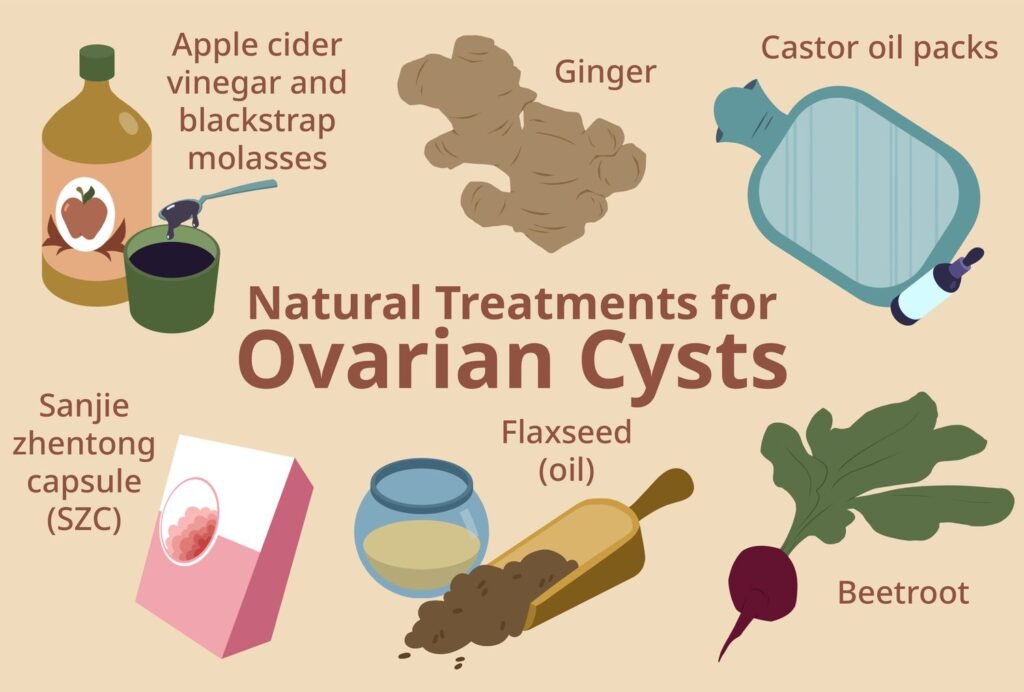
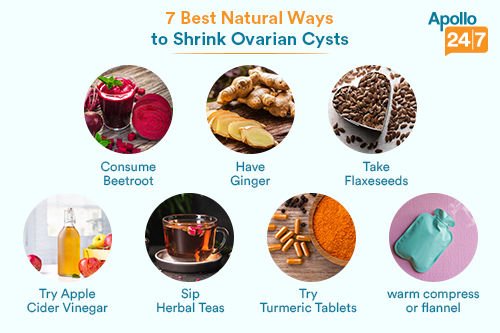
In addition to medical treatment options, certain natural remedies may help manage ovarian cysts. These remedies focus on promoting hormonal balance, reducing inflammation, and supporting overall reproductive health. However, it is essential to consult with a healthcare professional before incorporating natural remedies into your treatment plan. Some natural remedies for ovarian cysts include:
Dietary Changes
Making dietary changes can support overall reproductive health and hormonal balance. Some dietary recommendations for managing ovarian cysts include:
- Increasing fiber intake: Consuming a diet rich in fiber can help regulate hormone levels and promote healthy digestion. Foods such as fruits, vegetables, whole grains, and legumes are excellent sources of fiber.
- Reducing processed foods: Processed foods often contain added sugars, unhealthy fats, and artificial additives. These can disrupt hormone levels and contribute to inflammation. Opting for whole, unprocessed foods is ideal.
- Increasing antioxidant-rich foods: Antioxidants help reduce inflammation and support cellular health. Including antioxidant-rich foods such as berries, leafy greens, nuts, and seeds in the diet can be beneficial.
- Avoiding caffeine and alcohol: Caffeine and alcohol can interfere with hormone levels and exacerbate symptoms associated with ovarian cysts. Limiting or avoiding these substances can be beneficial.
- Including more omega-3 fatty acids: Omega-3 fatty acids have anti-inflammatory properties and can help reduce inflammation. Sources of omega-3 fatty acids include fatty fish (such as salmon or mackerel), flaxseeds, chia seeds, and walnuts.
Herbal Supplements
Certain herbal supplements have been traditionally used to support reproductive health and manage ovarian cysts. It is important to note that these supplements should be used under the guidance of a healthcare professional. Some herbal supplements that may be beneficial for ovarian cysts include:
- Chasteberry: Chasteberry, also known as Vitex agnus-castus, is commonly used in herbal medicine to promote hormonal balance and relieve menstrual irregularities.
- Black Cohosh: Black cohosh is an herb that has been used traditionally to support reproductive health and relieve symptoms associated with hormonal imbalances.
- Milk Thistle: Milk thistle is known for its liver-protective properties and may help support detoxification pathways in the body.
- Turmeric: Turmeric is a spice with powerful anti-inflammatory properties. Consuming turmeric or using curcumin supplements may help reduce inflammation associated with ovarian cysts.
- Dandelion Root: Dandelion root is often used as a natural diuretic and may help reduce bloating and fluid retention associated with ovarian cysts.
It is important to consult with a healthcare professional before starting any herbal supplements to ensure safety and effectiveness.
Exercise and Physical Activity
Regular exercise and physical activity can help maintain overall health and support hormonal balance. Some types of exercise that may be beneficial for managing ovarian cysts include:
- Regular cardiovascular exercise: Engaging in activities such as walking, jogging, cycling, or swimming can help improve blood circulation and promote overall well-being.
- Strength training: Incorporating strength training exercises, such as lifting weights or using resistance bands, can help build muscle, support bone health, and improve hormonal balance.
- Yoga and Pilates: These low-impact forms of exercise can help improve flexibility, reduce stress, and promote relaxation.
- Pelvic floor exercises: Strengthening the pelvic floor muscles through exercises such as Kegels can help improve pelvic health and alleviate symptoms associated with ovarian cysts.
Stress Management
Chronic stress can disrupt hormone levels and contribute to inflammation in the body. Implementing stress management techniques can help support overall well-being and hormonal balance. Some stress management techniques that may be beneficial for managing ovarian cysts include:
- Meditation and deep breathing: Engaging in mindfulness practices, such as meditation and deep breathing exercises, can help reduce stress and promote relaxation.
- Yoga and mindfulness: Practicing yoga and mindfulness techniques can help calm the mind, reduce stress levels, and support hormonal balance.
- Massage therapy: Massage therapy can help alleviate muscle tension, promote relaxation, and reduce stress.
- Adequate sleep: Getting sufficient sleep is crucial for hormonal balance and overall well-being. Aim for 7-8 hours of quality sleep each night.
Acupuncture
Acupuncture is a traditional Chinese medicine practice that involves the insertion of thin needles into specific points on the body. It is believed to balance the flow of energy, known as Qi, and promote overall well-being. Some studies suggest that acupuncture may help reduce pain associated with ovarian cysts and improve hormonal balance. It is important to seek acupuncture from a trained and licensed practitioner.
Lifestyle Changes to Prevent Ovarian Cysts
In addition to managing existing ovarian cysts, certain lifestyle changes can help prevent their development. These lifestyle changes focus on maintaining hormonal balance and overall reproductive health. Some lifestyle changes to consider include:
Maintaining a Healthy Weight
Maintaining a healthy weight through a balanced diet and regular exercise can help prevent the development of ovarian cysts. Obesity is associated with hormonal imbalances, which can increase the risk of cyst formation.
Quitting Smoking
Smoking has been linked to various reproductive health issues and can disrupt hormone levels. Quitting smoking can improve overall reproductive health and reduce the risk of ovarian cysts.
Regular Gynecological Exams
Regular gynecological exams, including pelvic exams and ultrasound screenings, can help detect ovarian cysts early. Early detection can lead to timely intervention and prevent complications.
Using Proper Protection During Intercourse
Using proper protection, such as condoms, during sexual intercourse can reduce the risk of sexually transmitted infections. Some infections, such as pelvic inflammatory disease, can lead to the formation of ovarian cysts.
Practicing Safe Sex
Practicing safe sex and limiting sexual partners can help reduce the risk of sexually transmitted infections, which can increase the likelihood of developing ovarian cysts.
By implementing these lifestyle changes, individuals can take proactive steps toward maintaining reproductive health and preventing the development of ovarian cysts.
In conclusion, ovarian cysts are a common occurrence in women’s reproductive health. While most cysts are harmless and resolve on their own, some may cause discomfort and require medical intervention. Understanding the different types of ovarian cysts, their causes, symptoms, and available treatment options can help individuals make informed decisions about their reproductive health. In addition to medical treatments, incorporating natural remedies, such as dietary changes, herbal supplements, exercise, stress management techniques, and lifestyle modifications, may provide additional support in managing ovarian cysts. It is important to consult with a healthcare professional for an accurate diagnosis and tailored treatment plan. With the right approach, individuals can effectively manage ovarian cysts and promote overall reproductive health.
Related Terms About Natural Remedy For Ovarian Cysts.
All Natural Remedies For Ovarian Cyst, Any Home Remedy For Ovarian Cyst, Home Remedies For Enlarged Ovarian Cyst, Home Remedies For Shrinking Ovarian Cyst, Home Remedy For Ovarian Cyst In English, Home Remedy For Ovarian Cyst Symptoms, Natural Remedies For Complex Ovarian Cyst, Natural Remedies For Ovarian Cyst Reddit, Natural Remedies For Removing Ovarian Cysts, Natural Remedies For Treating Ovarian Cysts