
Are you tired of dealing with the relentless itchiness and discomfort caused by poison ivy? Look no further! In this article, you will discover a natural remedy that will soothe your skin and provide relief from the irritating symptoms of poison ivy. Say goodbye to expensive creams and medications, because nature has the solution you’ve been searching for. Say hello to a more comfortable and itch-free life with this simple, yet effective, natural remedy for poison ivy.
Understanding Poison Ivy
What is poison ivy?
Poison ivy, scientifically known as Toxicodendron radicans, is a plant that can cause an uncomfortable and itchy rash upon contact with the skin. It is commonly found in North America, particularly in wooded areas and along trails. The rash is caused by an oily resin called urushiol, which is found in the leaves, stems, and roots of the poison ivy plant. It is estimated that approximately 85% of people are allergic to urushiol, and even a small amount of contact can lead to a reaction.
How does poison ivy cause a reaction?
When the urushiol oil from the poison ivy plant comes into contact with your skin, it can quickly penetrate the outer layer and bind to proteins, triggering an allergic reaction. This allergic reaction is known as contact dermatitis and typically begins within 12 to 72 hours of exposure. The severity of the reaction can vary from person to person, with some individuals experiencing mild symptoms while others may have a more severe reaction.
Common symptoms of poison ivy
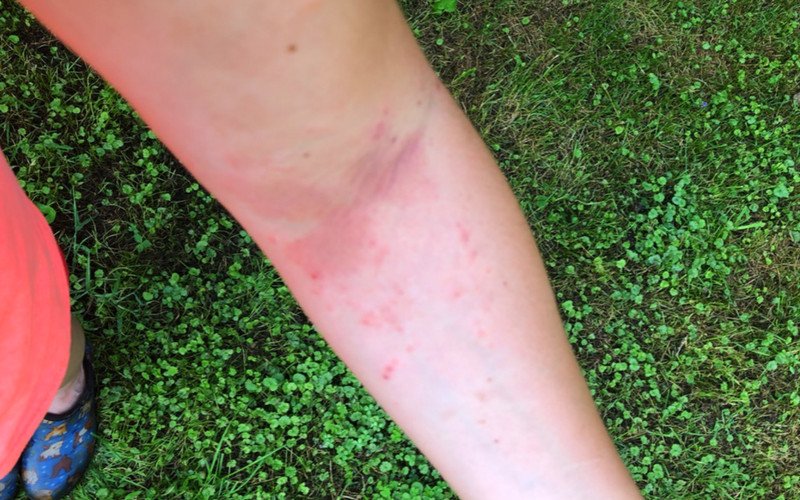
The symptoms of a poison ivy rash can be quite uncomfortable. They typically include redness, itching, swelling, and the formation of blisters. The rash often appears as a straight line or streak where the plant is brushed against the skin, as the oil is spread through direct contact. The affected area may become increasingly itchy and may even spread if the urushiol oil is not washed off promptly. It is important to note that the rash itself is not contagious and cannot be spread from person to person through scratching or touching.
Identifying Poison Ivy
Distinctive features of poison ivy plants
Knowing how to identify poison ivy plants can help you avoid contact and prevent an allergic reaction. Poison ivy commonly grows as a vine or shrub and has distinct features that set it apart from other plants. Each leaf is composed of three leaflets, with the center leaflet being longer than the two on the sides. The edges of the leaflets can be smooth or have tooth-like or wavy margins. During the spring and summer, poison ivy leaves are typically green, while in the fall, they may turn yellow, orange, or red.
Where does poison ivy grow?
Poison ivy can grow in a variety of habitats, including forests, open fields, and along the edges of roads and trails. It is often found clinging to trees or growing along the ground. In wooded areas, poison ivy plants may thrive in the understory, where they can receive filtered sunlight. It is important to be cautious when exploring unfamiliar outdoor spaces, particularly in warmer months when poison ivy is more likely to be abundant.
Additional plants that resemble poison ivy
There are several other plants that can resemble poison ivy, making it important to carefully distinguish between them to avoid any potential confusion. Some plants that often get mistaken for poison ivy include Virginia creeper, boxelder maple, and fragrant sumac. Virginia creeper has five leaflets, while boxelder maple has leaves arranged in opposite pairs and has three to seven leaflets. Fragrant sumac also has three leaflets, but they are more rounded and have a pleasant citrus scent when crushed.

Preventing Poison Ivy Exposure
Wearing protective clothing
One of the most effective ways to prevent poison ivy exposure is to wear protective clothing when you are in areas where poison ivy is likely to be present. This includes long sleeves, long pants, and closed-toe shoes. It is also recommended to wear gloves when gardening or working in areas where poison ivy may be present. By covering exposed skin, you can minimize the chances of coming into contact with the urushiol oil and developing a rash.
Using barriers to prevent contact
If you know you will be working near or in an area with poison ivy, consider using a barrier to physically prevent contact. This can include wearing disposable plastic gloves underneath your regular gloves, placing a fabric barrier between your skin and potentially contaminated objects, or using plastic bags over your hands and arms when handling plants or other materials. These additional layers of protection can serve as a valuable safeguard against accidental exposure.
Knowing common habitats of poison ivy
Familiarizing yourself with the common habitats of poison ivy can help you proactively avoid areas where it is likely to grow. As mentioned earlier, poison ivy is often found in wooded areas, open fields, and along trails. Take extra caution when exploring new outdoor spaces, particularly during warm months when the plant is most active. If you are unsure whether poison ivy may be present, it is always best to err on the side of caution and take necessary preventative measures.
Immediate Actions After Exposure
Washing the affected area
If you have come into contact with poison ivy, it is crucial to wash the affected area as soon as possible to remove the urushiol oil. Use warm water and mild soap to thoroughly clean the skin, making sure to scrub gently. Avoid using hot water as it can open up pores and further spread the urushiol oil. It is recommended to wash the area multiple times, including under nails and between fingers, to ensure that all traces of the oil are removed.
Avoiding scratching or touching the rash
As tempting as it may be to scratch or touch the rash, it is important to resist the urge. Scratching can further irritate the skin, increase itching, and potentially lead to infection. Instead, try to distract yourself from the discomfort by applying cold compresses or using over-the-counter anti-itch creams or ointments. If necessary, you can also cover the affected area with a clean, breathable bandage to prevent scratching or accidental contact.
Trimming fingernails to prevent infection
To reduce the risk of infection, consider trimming your fingernails short if you have come into contact with poison ivy. This helps prevent any remaining urushiol oil from getting trapped under your nails and inadvertently spreading to other areas of your body. Additionally, avoid biting your nails or using them to scratch the affected area, as this can introduce bacteria and increase the likelihood of infection.

Natural Remedies for Poison Ivy
Cold compresses
Applying cold compresses to the affected area can help alleviate itching and reduce inflammation caused by a poison ivy rash. You can make a cold compress by wrapping ice cubes or a bag of frozen peas in a clean towel. Gently press the compress against the rash for 15 to 20 minutes at a time. Repeat this as needed throughout the day to provide temporary relief.
Oatmeal baths
Taking an oatmeal bath can provide soothing relief for a poison ivy rash. Add one cup of finely ground oatmeal to a warm (not hot) bath and mix well. Soak in the oatmeal-infused water for 15 to 20 minutes. The oatmeal helps to soothe your skin and reduce itchiness, creating a comforting sensation. After the bath, gently pat yourself dry with a soft towel, being careful not to rub the affected area vigorously.
Aloe vera gel
Aloe vera gel is widely known for its cooling and soothing properties, making it a popular natural remedy for various skin irritations, including poison ivy rashes. Apply a generous amount of pure aloe vera gel directly onto the affected area. Allow the gel to dry naturally and leave it on for as long as needed. Reapply as necessary to provide continuous relief from itching and inflammation.
Apple cider vinegar compresses
Apple cider vinegar has been used for centuries as a natural remedy for various skin conditions, and it can also provide relief for a poison ivy rash. Mix equal parts of apple cider vinegar and water and soak a clean cloth or cotton ball in the solution. Gently apply the compress to the affected area for 10 to 15 minutes, then rinse with cool water. The vinegar’s acidity can help balance the skin’s pH and alleviate itching.
Baking soda paste
Baking soda can help alleviate discomfort associated with poison ivy rashes by reducing inflammation and neutralizing the skin’s pH. Mix three parts baking soda with one part water to create a paste. Apply the paste to the affected area and leave it on for 10 to 15 minutes. Rinse with cool water and pat dry. The alkaline properties of baking soda can help provide temporary relief from itching and promote healing.
Herbal Treatments for Poison Ivy
Calamine lotion
Calamine lotion is a popular over-the-counter remedy for poison ivy rashes. It contains ingredients such as zinc oxide and iron oxide, which provide a soothing and drying effect on the skin. Shake the bottle well before using, then apply a thin layer of calamine lotion to the affected area. Allow it to air dry and leave it on as long as needed. Reapply as necessary to relieve itching and help dry out the rash.
Witch hazel
Witch hazel is a natural astringent that can help reduce inflammation and relieve itching caused by a poison ivy rash. Soak a cotton ball or pad in witch hazel and gently dab it onto the affected area. Allow it to air dry and leave it on for as long as desired. Repeat this process several times a day to experience the soothing benefits of witch hazel. It is important to choose an alcohol-free witch hazel product to avoid further irritation.
Tea tree oil
Tea tree oil is known for its antiseptic and anti-inflammatory properties, making it a great natural remedy for poison ivy rashes. Mix a few drops of tea tree oil with a carrier oil, such as coconut oil or olive oil, and apply it to the affected area. Leave it on for a few hours before rinsing with cool water. Tea tree oil may help reduce itching, promote healing, and prevent secondary skin infections.
Chamomile tea compresses
Chamomile tea is renowned for its calming and anti-inflammatory properties, and using it as a compress can provide relief for a poison ivy rash. Brew a strong cup of chamomile tea using two tea bags or two tablespoons of dried chamomile flowers. Allow the tea to cool completely, then soak a clean cloth or cotton ball in the tea. Gently apply the compress to the affected area for 10 to 15 minutes. Repeat this process several times a day to soothe the skin and alleviate itching.

Over-the-Counter Remedies
Hydrocortisone cream
Hydrocortisone cream, available over the counter, contains a low-strength corticosteroid that can help reduce inflammation and relieve itching caused by a poison ivy rash. Follow the instructions on the packaging and apply a thin layer of hydrocortisone cream to the affected area. Be sure not to use it on open or broken skin. If symptoms persist or worsen, consult a healthcare professional before continued use.
Antihistamine medications
Oral antihistamine medications, such as diphenhydramine or cetirizine, can help relieve itching and reduce allergic reactions to poison ivy. Follow the recommended dosage provided on the packaging or consult a healthcare professional for proper usage instructions. Antihistamines may cause drowsiness, so it is important to avoid operating heavy machinery or driving until you know how your body reacts to the medication.
Calamine lotion
As mentioned earlier, calamine lotion is an effective over-the-counter remedy for relieving itching and drying out a poison ivy rash. Shake the bottle well before use, then apply a thin layer of calamine lotion to the affected area. Allow it to air dry and leave it on as long as desired. Reapply as necessary to provide continuous relief and promote healing.
Homeopathic Remedies for Poison Ivy
Rhus Toxicodendron
Rhus Toxicodendron, also known as poison ivy in its homeopathic form, is a common remedy used to treat poison ivy rashes. It is believed to work by stimulating the body’s natural healing response and reducing symptoms. Follow the instructions provided on the packaging or consult a qualified homeopathic practitioner for proper usage. Remember that homeopathic remedies are diluted and carry minimal risk if used as directed.
Anacardium
Anacardium is a homeopathic remedy derived from the marking nut, a relative of the poison ivy plant. It is used to relieve itching, burning, and swelling associated with poison ivy rashes. Follow the instructions provided on the packaging or seek guidance from a homeopathic professional for appropriate usage. Homeopathic remedies are personalized to the individual, so it is important to select the correct remedy based on your specific symptoms.
Graphites
Graphites is another homeopathic remedy that may provide relief for poison ivy rashes, particularly if there are thickened or oozing blisters present. It can help reduce itching, and inflammation, and promote healing. As with any homeopathic remedy, it is essential to follow the instructions on the packaging or consult a qualified homeopath for proper dosage and usage recommendations based on your individual symptoms.

Seeking Medical Attention
When to consult a doctor
In most cases, mild to moderate poison ivy rashes can be treated at home with the remedies and self-care measures mentioned above. However, there are certain instances when it is advisable to seek medical attention. If the rash covers a large area of your body, is accompanied by severe swelling or difficulty breathing, or if it becomes infected, it is important to consult a healthcare professional. They can evaluate your symptoms, provide appropriate treatment, and address any complications arising from the allergic reaction.
Prescription medications for severe cases
For severe cases of poison ivy, healthcare professionals may prescribe oral corticosteroids, such as prednisone, to help alleviate symptoms. These medications work by reducing inflammation and suppressing the immune response, providing relief from severe itching and discomfort. It is important to follow the prescribed dosage and duration of treatment as directed by your healthcare provider to ensure optimal results and minimize any potential side effects.
Management of complications
Complications from poison ivy rashes are rare but can occur, particularly if the affected area becomes infected from scratching or if a severe allergic reaction develops. If you notice signs of infection, such as increased pain, redness, warmth, or pus, it is important to seek medical attention promptly. Additionally, if you experience symptoms such as difficulty breathing, dizziness, or swelling of the face or throat, it may indicate a severe allergic reaction requiring immediate medical attention.
Long-Term Prevention Strategy
Learn to identify poison ivy in different seasons
To effectively prevent future encounters with poison ivy, it is essential to learn how to identify the plant in various seasons. While the appearance may change throughout the year, the distinctive features remain consistent. Take the time to familiarize yourself with the characteristics of poison ivy during different seasons, such as the shape of the leaves and the color of the foliage. This knowledge will enable you to steer clear of poison ivy and reduce the risk of exposure.
Continued use of protective measures
Even if you are confident in your ability to identify poison ivy, it is important to continue wearing protective clothing when venturing into areas where it may be present. Long-sleeved shirts, long pants, gloves, and closed-toe shoes provide a physical barrier between your skin and the plant, reducing the chances of contact. Remember to wash any clothing or gear that comes into contact with poison ivy separately to avoid spreading the urushiol oil to other items.
Regularly maintaining outdoor spaces
Regularly maintaining and landscaping your outdoor spaces can help reduce the presence of poison ivy. If you have poison ivy growing on your property, it is advisable to hire professionals or take appropriate precautions when removing the plants to minimize the risk of exposure. Removing poison ivy plants should be done with caution as the urushiol oil remains active even on dead plants. Proper disposal is essential to prevent accidental contact in the future.
In conclusion, understanding poison ivy is crucial in preventing and managing its allergic reactions. Identifying distinctive features and common habitats of poison ivy plants can help you avoid exposure. Taking immediate actions after contact, such as washing the affected area, prevents further spread and alleviates symptoms. Exploring natural remedies, herbal treatments, over-the-counter options, and homeopathic remedies can provide relief and aid in your recovery. However, in severe cases or when complications arise, seeking medical attention is essential. Adopting long-term prevention strategies, such as continuous education, protective measures, and regular outdoor space maintenance, is key to minimizing the risk of future encounters with poison ivy. By arming yourself with knowledge and taking proactive steps, you can enjoy the great outdoors without the worry of poison ivy.
Related Terms About Natural Remedy For Poison Ivy.
All Natural Remedies For Poison Ivy, Herbal Remedies For Poison Ivy Rash, Herbal Remedy For Poison Ivy, Home Remedies Cream For Poison Ivy, Home Remedies For Poison Ivy And Sumac, Home Remedies For Poison Ivy Apple Cider Vinegar, Home Remedies For Poison Ivy Essential Oil, Home Remedies For Poison Ivy In Eyes, Home Remedies For Poison Ivy Oak And Sumac, Home Remedies For Poison Ivy Oak Or Sumac