
If you find yourself tossing and turning every night, struggling with sleep apnea, then you’ll be delighted to discover a natural solution that can help you achieve peaceful slumber. Sleep apnea, a condition characterized by interrupted breathing during sleep, can disrupt your entire night and leave you feeling exhausted the next day. But fear not! In this article, we’ll introduce you to a simple yet effective natural remedy for sleep apnea that can improve your sleep quality and leave you feeling refreshed and rejuvenated. Say goodbye to restless nights and hello to deep, restful sleep with this game-changing solution.
Understanding Sleep Apnea
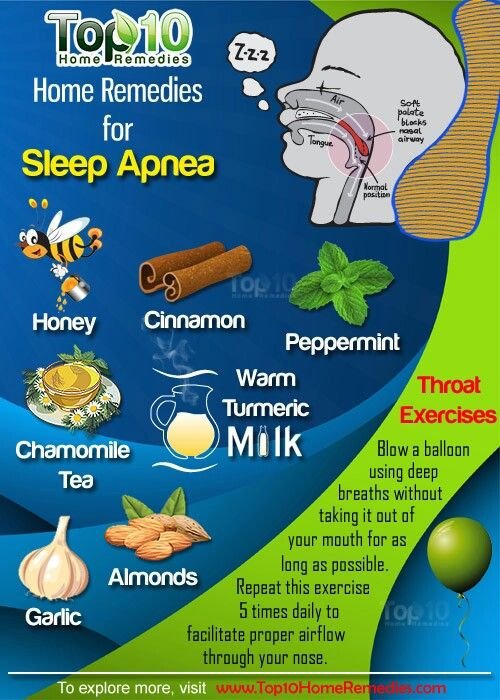
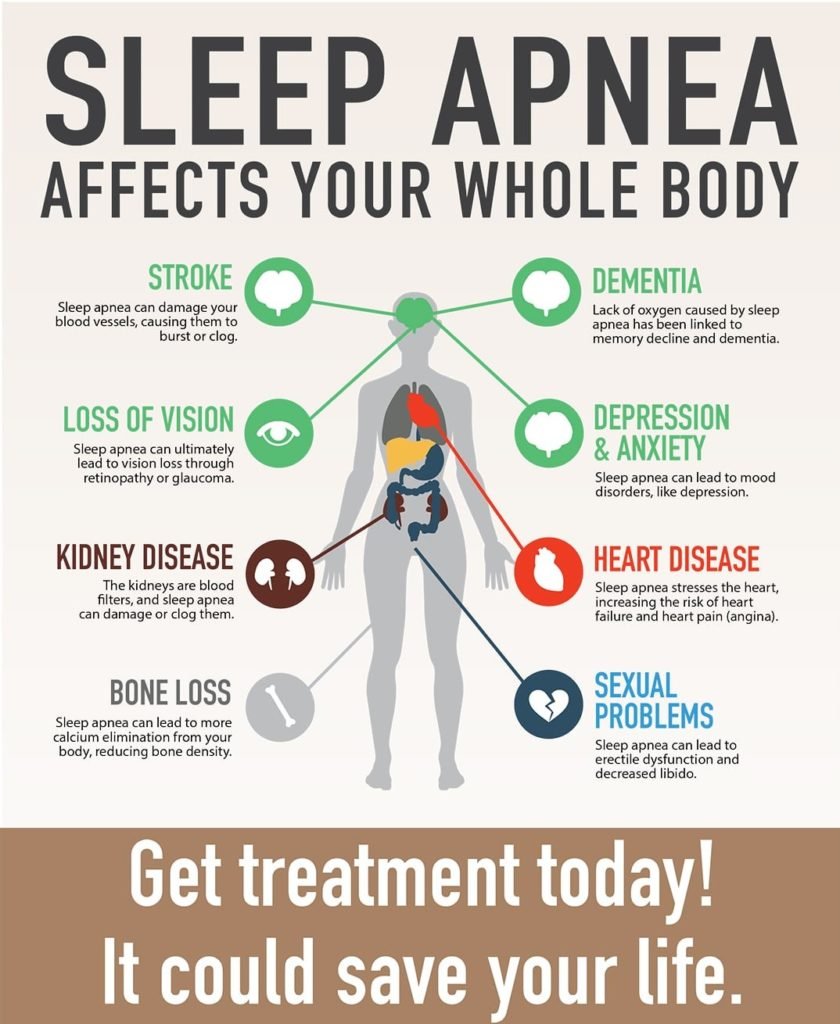
Sleep apnea is a common sleep disorder that affects many individuals worldwide. It is characterized by interruptions or pauses in breathing during sleep. These pauses, known as apneas, can occur multiple times throughout the night and can last for a few seconds to a few minutes. Sleep apnea can have a significant impact on your quality of sleep, leading to daytime fatigue and other health complications if left untreated.
Definition and Symptoms of Sleep Apnea
Sleep apnea is typically categorized into three types: obstructive sleep apnea (OSA), central sleep apnea (CSA), and complex sleep apnea syndrome (CSAS). OSA, the most common type, occurs when the muscles in the back of the throat fail to keep the airway open despite breathing efforts. CSA, on the other hand, results from a communication problem between the brain and muscles responsible for breathing. CSAS is a combination of both obstructive and central sleep apnea.
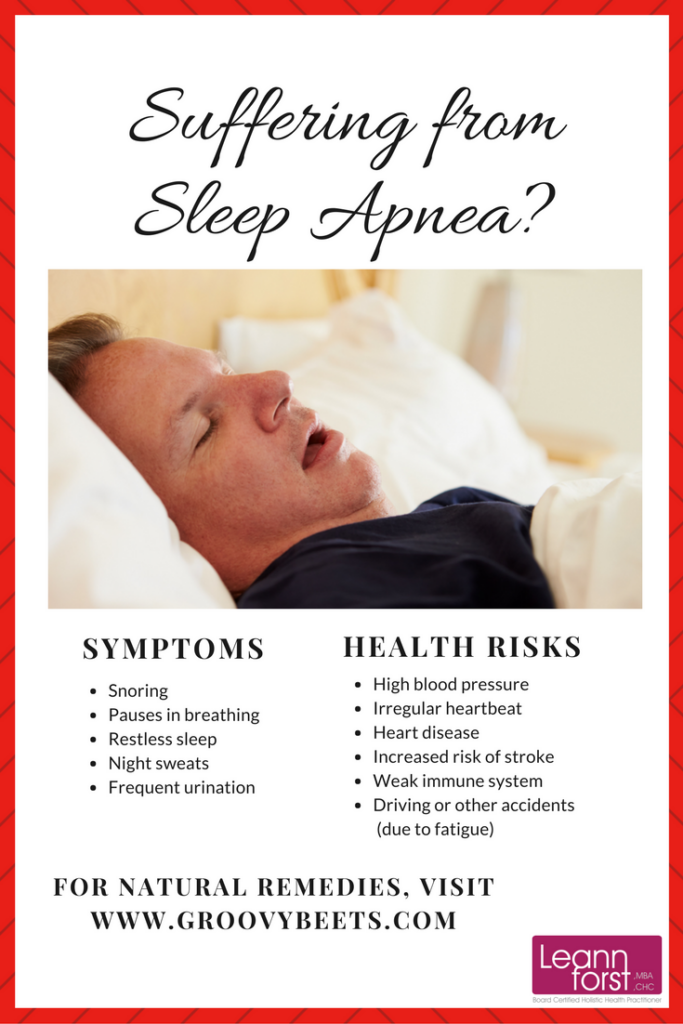
The symptoms of sleep apnea can vary but often include loud snoring, waking up with a choking or gasping sensation, excessive daytime sleepiness, morning headaches, irritability, and difficulty concentrating. It is crucial to recognize these symptoms and seek medical help for proper diagnosis and treatment.
Types of Sleep Apnea
As mentioned earlier, there are three main types of sleep apnea: obstructive sleep apnea (OSA), central sleep apnea (CSA), and complex sleep apnea syndrome (CSAS). OSA is the most prevalent form and occurs due to the blockage of the airway during sleep. CSA, however, is caused by a lack of respiratory effort due to a miscommunication between the brain and muscles. CSAS is a combination of both OSA and CSA.
Understanding the specific type of sleep apnea you may be experiencing is essential for effective treatment and management. Consulting with a healthcare professional is crucial in determining the appropriate course of action.
Causes and Risk Factors
The causes of sleep apnea can vary from person to person, but there are several common risk factors associated with this sleep disorder. Identifying these risk factors can provide essential insights into both prevention and treatment strategies.
Obesity and Sleep Apnea
Obesity is a significant risk factor for developing sleep apnea. Excessive body weight can contribute to the narrowing of the airway, making it more susceptible to collapse during sleep. The accumulation of fat around the neck and throat can further restrict airflow, leading to the development or worsening of sleep apnea symptoms. Maintaining a healthy weight through a balanced diet and regular exercise can have a positive impact on sleep apnea management.
Anatomy and Sleep Apnea
Certain anatomical factors can predispose individuals to sleep apnea. For example, having a naturally narrow airway, enlarged tonsils or adenoids, a deviated septum, or a recessed jaw can all increase the risk of sleep apnea. Understanding these structural aspects can aid in diagnosis and guide treatment options.
Other Risk Factors
In addition to obesity and anatomical factors, there are several other potential risk factors for sleep apnea. These include being male, advancing age, family history of sleep apnea, smoking, alcohol consumption, and the use of sedatives or tranquilizers. Recognizing these risk factors can help individuals take appropriate steps to reduce their likelihood of developing sleep apnea or to manage their current condition effectively.
Diagnosis of Sleep Apnea
If you suspect you may have sleep apnea, it is essential to undergo a proper diagnosis to confirm the condition and determine its severity. The diagnostic process typically involves the following steps:
Medical Evaluation
The first step in diagnosing sleep apnea is a comprehensive medical evaluation. Your healthcare provider will review your medical history, inquire about your sleep patterns and symptoms, and perform a physical examination. It’s crucial to provide accurate and detailed information to assist in diagnosis and treatment planning.
Sleep Study
A sleep study, also known as a polysomnography, is the most common diagnostic tool for sleep apnea. It involves spending a night in a sleep center while various physiological parameters are monitored, including brain activity, eye movements, heart rate, muscle activity, and respiratory effort. The data collected during the sleep study will help determine the presence and severity of sleep apnea.
Polysomnography
Polysomnography is a comprehensive test that measures different aspects of sleep quality and quantity. It provides valuable information about sleep architecture, the number of apneas and hypopneas experienced during sleep, and the overall impact on breathing patterns. The results of the polysomnography will guide the healthcare provider in developing an appropriate treatment plan.
Conventional Treatments for Sleep Apnea
Several conventional treatment options are available for sleep apnea, each targeting different aspects of the condition. These treatments aim to alleviate symptoms, improve sleep quality, and reduce the associated health risks.
Continuous Positive Airway Pressure (CPAP)
CPAP is the most common and effective treatment for sleep apnea, especially for obstructive sleep apnea. It involves wearing a mask connected to a machine that delivers a continuous stream of air pressure, keeping the airway open during sleep. CPAP therapy can significantly reduce the frequency and duration of apneas, leading to improved sleep and reduced daytime fatigue.
Oral Devices
Oral appliances can be prescribed for individuals with mild to moderate sleep apnea or for those who cannot tolerate CPAP therapy. These devices work by repositioning the jaw and tongue to keep the airway open during sleep. They are custom-fitted by a dentist or orthodontist and need regular monitoring and adjustment.
Surgery
In some cases, surgery may be considered as a treatment option for sleep apnea. Surgical interventions aim to modify the anatomical structures that contribute to airway obstruction. Surgical procedures may involve removing excess tissue, repositioning the jaw, or correcting structural abnormalities. It is essential to discuss the potential risks and benefits of surgery with a healthcare professional before considering this option.

The Role of Natural Remedies
While conventional treatments for sleep apnea are effective, some individuals may seek natural remedies or adjunct therapies to supplement their treatment plan. Natural remedies can offer additional benefits and address certain factors that contribute to sleep apnea.
Benefits and Limitations of Natural Remedies
Natural remedies for sleep apnea can provide certain benefits, such as reduced dependency on medications and a focus on overall well-being. However, it’s essential to note that natural remedies may not be sufficient for severe cases of sleep apnea, and medical intervention may still be necessary. Consulting with a healthcare professional is crucial to determine the appropriate course of action.
Lifestyle Modifications
One of the most effective natural remedies for sleep apnea involves lifestyle modifications. Making simple changes to your daily routine can have a significant impact on sleep quality and reduce the severity of sleep apnea symptoms.
1. Weight Management
Maintaining a healthy weight is crucial when it comes to managing sleep apnea. Excess weight can contribute to the narrowing of the airway, increasing the risk of airway collapse during sleep. Losing weight through a combination of a balanced diet and regular exercise can help reduce the severity of sleep apnea and improve overall health.
Impact of Weight Loss on Sleep Apnea
Weight loss has shown promising results in improving sleep apnea symptoms. Shedding even a small percentage of body weight can lead to a reduction in the frequency and severity of apneas. Weight loss can also improve overall sleep quality, decrease daytime fatigue, and reduce the risk of other obesity-related health complications.
Diet and Exercise Tips
When it comes to weight management, adopting a healthy and balanced diet is key. Focus on consuming nutrient-rich foods, such as fruits, vegetables, lean proteins, and whole grains. Avoid or limit the intake of processed foods, sugary beverages, and high-fat foods.
In addition to a healthy diet, incorporating regular exercise into your routine is essential. Engaging in aerobic activities, such as jogging, swimming, or cycling, can help burn calories and improve cardiovascular health. Strength training exercises can also be beneficial in building muscle mass and boosting metabolism.
2. Positional Therapy
Positional therapy involves adjusting your sleeping position to minimize the occurrence of sleep apnea events. Certain sleeping positions can worsen the obstruction of the airway, while others can help keep it open. Exploring different positional strategies can be helpful in managing sleep apnea symptoms.
Adjusting Sleeping Position
Sleeping on your side instead of your back can be beneficial for individuals with sleep apnea. This position helps prevent the collapse of the airway by allowing gravity to work in your favor. Elevating the head of the bed slightly can also help alleviate symptoms by reducing the potential for obstruction.
Pillows and Devices
Using specialized pillows or positional devices can further aid in maintaining a favorable sleeping position. These pillows are designed to provide optimal support and alignment, preventing the airway from collapsing. Pillows can come in various shapes and sizes, so it’s important to find one that suits your needs and comfort.
3. Herbal Supplements
Herbal supplements have gained popularity as a natural remedy for sleep apnea. While they may not cure the condition entirely, certain herbs have calming and sleep-inducing properties that can promote better sleep quality and reduce the severity of sleep apnea symptoms.
Valerian Root
Valerian root has long been used as a natural remedy for sleep disorders. It contains compounds that can have a sedative effect and promote relaxation. Valerian root supplements are available in various forms, including capsules, teas, and tinctures. It is important to consult with a healthcare professional before using valerian root or any herbal supplement.
Lavender
Lavender is another herbal remedy known for its calming properties. The scent of lavender has been shown to help reduce anxiety and improve sleep quality. The lavender essential oil can be used in a diffuser or added to bathwater to promote relaxation before bedtime.
Passionflower
Passionflower is a flowering plant that has been used traditionally to treat sleep disorders and anxiety. It is believed to have sedative effects and can help improve the quality of sleep. Passionflower can be consumed as a tea or taken as a supplement, but it is important to consult with a healthcare professional before use.
4. Lifestyle Changes
In addition to weight management and positional therapy, certain lifestyle changes can help manage sleep apnea and improve overall sleep quality.
Avoiding Alcohol and Sedatives
Alcohol and sedatives can relax the muscles in the airway, making them more prone to collapse during sleep. Avoiding or reducing the consumption of these substances can significantly reduce the severity of sleep apnea symptoms.
Quitting Smoking
Smoking can contribute to inflammation and irritation of the airway, exacerbating sleep apnea symptoms. Quitting smoking can have a positive impact on overall respiratory health, promoting better breathing during sleep.
Establishing a Regular Sleep Schedule
Maintaining a consistent sleep schedule can help regulate your body’s internal clock and promote better sleep quality. Aim for a consistent bedtime and wake-up time, even on weekends. Creating a relaxing bedtime routine and ensuring a comfortable sleep environment can further enhance sleep quality.
5. Breathing Exercises
Certain breathing exercises can help strengthen the muscles involved in respiration and promote better control of breathing patterns during sleep.
Diaphragmatic Breathing
Diaphragmatic breathing, also known as belly breathing, can help strengthen the diaphragm and improve lung capacity. To practice this technique, lie on your back and place one hand on your chest and the other on your abdomen. Breathe deeply in through your nose, allowing your abdomen to rise, and exhale through your mouth. Focus on drawing the breath into your lower lungs, using your diaphragm.
Pranayama Techniques
Pranayama, a set of yogic breathing techniques, can also be beneficial for individuals with sleep apnea. Techniques such as alternate nostril breathing and ujjayi breathing can help relax the body and calm the mind, promoting better sleep quality.
In conclusion, sleep apnea is a common sleep disorder that can significantly impact your quality of sleep and overall well-being. While conventional treatments such as CPAP, oral devices, and surgery are effective, natural remedies can also play a role in managing sleep apnea symptoms. Lifestyle modifications, herbal supplements, positional therapy, lifestyle changes, and breathing exercises can provide additional support in improving sleep quality and reducing the severity of sleep apnea. It is important to consult with a healthcare professional to determine the most appropriate treatment plan for your specific needs. Restful nights and refreshed mornings await as you take proactive steps in addressing sleep apnea and prioritizing your sleep health.
Related Terms About Natural Remedy For Sleep Apnea.
Alternative Treatment For Sleep Apnea In Adults, Any Natural Cures For Sleep Apnea, Chinese Home Remedies For Sleep Apnea, Herbal remedies for Obstructive Sleep Apnea, Herbal Tea Remedies For Sleep Apnea, Home Remedies For Central Sleep Apnea, Home Remedies For Severe Sleep Apnea, Home Remedies For Sleep Apnea In Babies, Home Remedies For Sleep Apnea In Toddlers, Is There A Natural Cure For Sleep Apnea