
Psoriasis can be an irritating skin condition to deal with, especially when it affects the scalp. But worry not, because there is a natural remedy that can help soothe and manage scalp psoriasis. In this article, you’ll discover a simple and effective solution that harnesses the power of nature to provide relief and improve the health of your scalp. Say goodbye to the discomfort and frustration caused by scalp psoriasis and hello to a more balanced and relaxed scalp.
Understanding Scalp Psoriasis
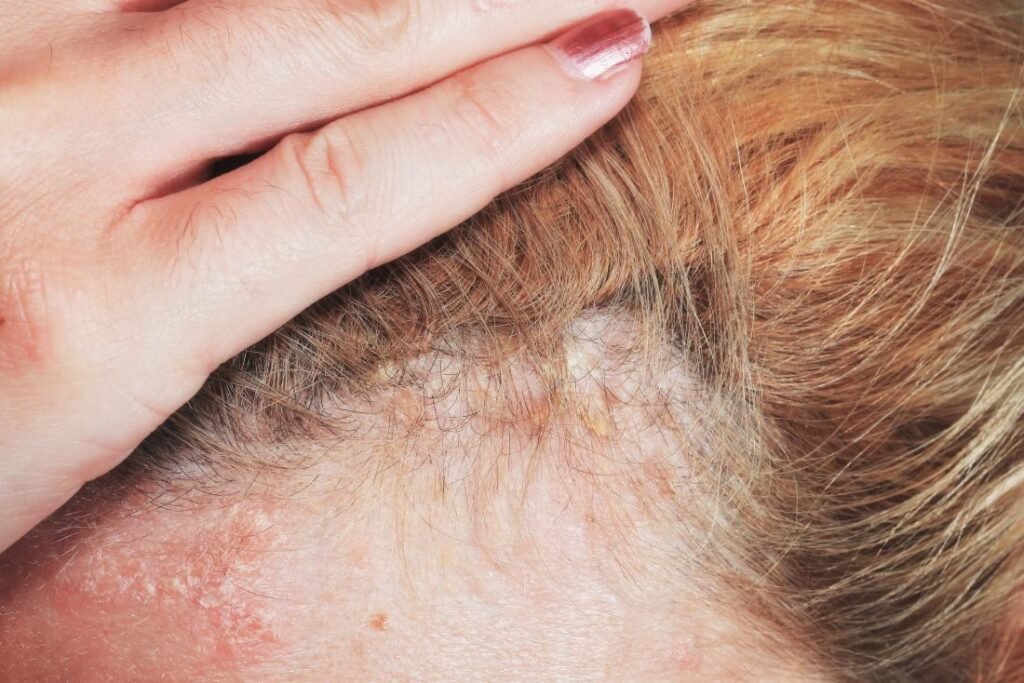
Scalp psoriasis is a chronic skin condition that affects the scalp, causing redness, itching, and flaking. It is a non-contagious autoimmune disorder where the immune system mistakenly attacks healthy skin cells, causing them to produce new skin cells at an accelerated rate. This rapid turnover of skin cells leads to the formation of thick, scaly patches on the scalp.
What is scalp psoriasis?
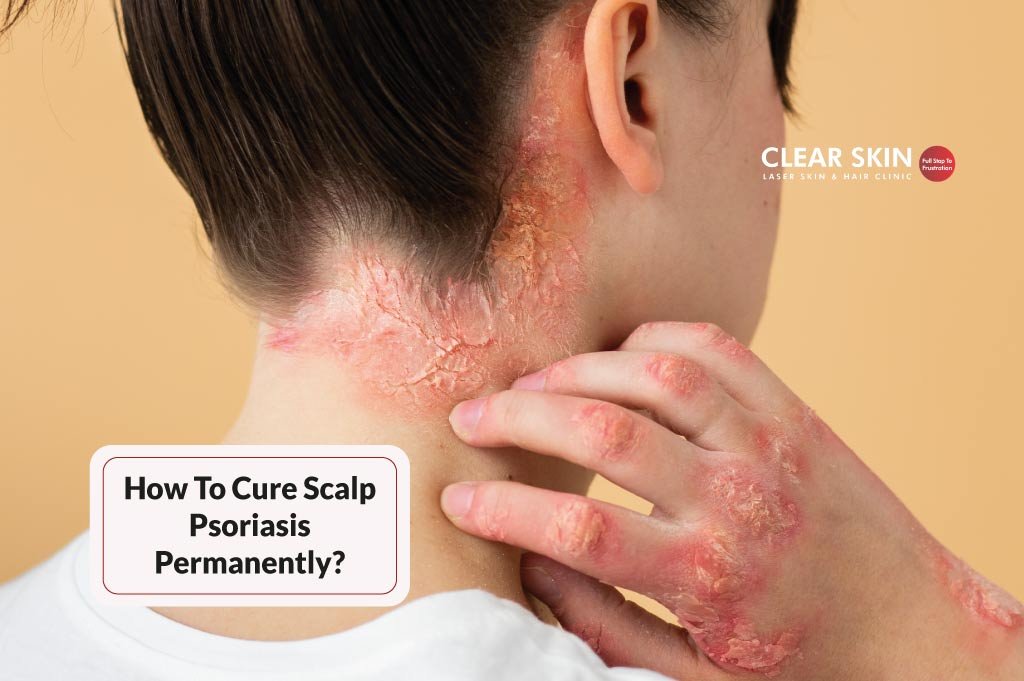
Scalp psoriasis is a specific type of psoriasis that primarily affects the scalp. However, it can also extend beyond the scalp, spreading to the forehead, ears, and neck. These red, scaly patches can be unsightly and cause a significant amount of discomfort and itchiness. In severe cases, scalp psoriasis may also lead to hair loss.
Causes of scalp psoriasis
The exact cause of scalp psoriasis is still unknown, but experts believe it is a combination of genetic and environmental factors. People with a family history of psoriasis are more likely to develop scalp psoriasis. Additionally, certain triggers such as stress, hormonal changes, infections, and injuries to the scalp can exacerbate the condition.
Symptoms of scalp psoriasis
The most common symptoms of scalp psoriasis include redness, itching, and flaking on the scalp. The affected areas may have a silvery appearance due to the buildup of dead skin cells. Some individuals may also experience scalp tenderness, a burning sensation, or even bleeding when scratching the affected areas.
Medical Treatments for Scalp Psoriasis
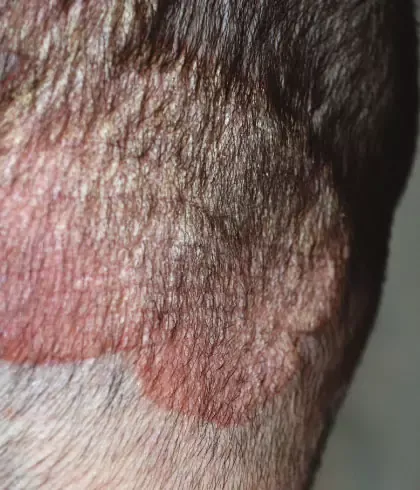
Various medical treatments are available to help manage scalp psoriasis and alleviate its symptoms. These treatments can be prescribed by a healthcare professional and are aimed at reducing inflammation, slowing down skin cell turnover, and relieving itchiness.
Topical creams and ointments
Topical treatments are commonly prescribed for scalp psoriasis and are applied directly to the affected areas. These creams and ointments often contain corticosteroids, which help reduce inflammation and itching. Other topical treatments may include vitamin D analogs, retinoids, or coal tar preparations.
Oral medications
In more severe cases of scalp psoriasis, oral medications may be prescribed. These medications work internally to suppress the overactive immune system and reduce inflammation. Examples of oral medications commonly used for scalp psoriasis include methotrexate, cyclosporine, and apremilast.
Phototherapy
Phototherapy involves exposing the scalp to ultraviolet (UV) light to slow down the rapid growth of skin cells. This treatment can be administered in a controlled medical setting using a special UVB light box or through the use of handheld UV devices that can be used at home.
Biologics
Biologic drugs are a newer class of medications that target specific components of the immune system involved in psoriasis. These medications are usually administered by injection or IV infusion and can provide significant relief for individuals with moderate to severe scalp psoriasis.
Potential Side Effects of Medical Treatments
While medical treatments can be effective in managing scalp psoriasis, they also come with potential side effects that need to be considered.
Skin irritation and redness
Topical treatments may cause skin irritation, redness, or a burning sensation at the application site. These side effects are usually mild and temporary.
Thinning of the skin
Prolonged use of topical corticosteroids may cause thinning of the skin, making it more susceptible to injuries and infections. It is important to use these medications as directed and under the supervision of a healthcare professional.
Increased risk of infections
Immunosuppressant medications, such as oral medications or biologics, can weaken the immune system, increasing the risk of infections. It is essential to monitor for any signs of infection and promptly seek medical attention if needed.
Liver toxicity (in case of oral medications)
Some oral medications used for scalp psoriasis, such as methotrexate, can potentially cause liver toxicity. Regular monitoring of liver function is necessary to ensure the safe use of these medications.
Safety concerns with biologics
Biologic medications can increase the risk of certain infections, such as tuberculosis or fungal infections. Before starting biologics, individuals may need to undergo screening tests to ensure their safety.

Benefits of Natural Remedies for Scalp Psoriasis
Natural remedies offer an alternative approach to managing scalp psoriasis with potential benefits that may complement or even replace traditional medical treatments.
Reduced risk of side effects
One of the primary advantages of natural remedies is their lower risk of causing side effects compared to medical treatments. Natural remedies usually have a gentler effect on the scalp and overall health, reducing the likelihood of adverse reactions.
Holistic approach to treatment
Natural remedies promote a holistic approach to treatment by addressing not only the physical symptoms of scalp psoriasis but also the underlying factors that can contribute to its development. This approach focuses on improving overall well-being and creating a healthier balance in the body.
Promotion of overall scalp health
Many natural remedies for scalp psoriasis offer additional benefits for overall scalp health. Ingredients such as aloe vera, tea tree oil, and coconut oil have moisturizing and soothing properties that can help nourish the scalp, reduce dryness, and improve the condition of the hair.
Improved psychological well-being
Dealing with scalp psoriasis can take a toll on an individual’s mental and emotional health. Using natural remedies can provide a sense of control and empowerment, helping individuals feel more proactive in managing their condition and improving their overall psychological well-being.
Natural Remedies for Scalp Psoriasis
There is a wide range of natural remedies available that can be used alone or in combination to manage scalp psoriasis symptoms.
Aloe vera
Aloe vera has soothing and anti-inflammatory properties that can help calm scalp irritation and reduce redness. Applying pure aloe vera gel to the scalp and leaving it on for a few hours or overnight can provide relief.
Tea tree oil
Tea tree oil has natural antifungal and anti-inflammatory properties that can help reduce scalp inflammation and itchiness. Diluting a few drops of tea tree oil in a carrier oil and massaging it into the scalp can be an effective natural remedy.
Apple cider vinegar
Apple cider vinegar can help balance the pH level of the scalp and reduce itchiness. Mixing equal parts of apple cider vinegar and water and using it as a rinse after shampooing can help soothe the scalp.
Coconut oil
Coconut oil is known for its moisturizing properties and can help reduce dryness and scaling on the scalp. Applying warm coconut oil to the scalp, massaging it gently, and leaving it on for a few hours or overnight can provide hydration.
Dead Sea salt bath
Soaking the scalp in a warm bath with Dead Sea salt can help remove scales and reduce scalp inflammation. The minerals in Dead Sea salt can nourish the scalp and promote healing.
Turmeric
Turmeric has anti-inflammatory properties and can be consumed as a supplement or used topically on the scalp. Mixing turmeric powder with water or oil to form a paste and applying it to the scalp can help reduce inflammation.
Probiotics
Probiotics, such as those found in yogurt or taken as a supplement, can help improve gut health and strengthen the immune system. A healthy gut can promote overall well-being, potentially alleviating scalp psoriasis symptoms.
Omega-3 fatty acids
Increasing the intake of omega-3 fatty acids, found in foods like fatty fish, flaxseeds, and walnuts, can help reduce inflammation throughout the body. This can have a positive impact on scalp psoriasis symptoms.
Meditation and stress reduction
Stress can trigger or worsen scalp psoriasis symptoms, so incorporating stress-reducing techniques such as meditation, deep breathing exercises, or yoga can be beneficial in managing the condition.
Dietary modifications
Making dietary changes such as reducing processed foods, avoiding trigger foods, and increasing intake of fruits, vegetables, and whole grains can support overall scalp health and reduce inflammation.
Which Natural Remedy is Right for You?
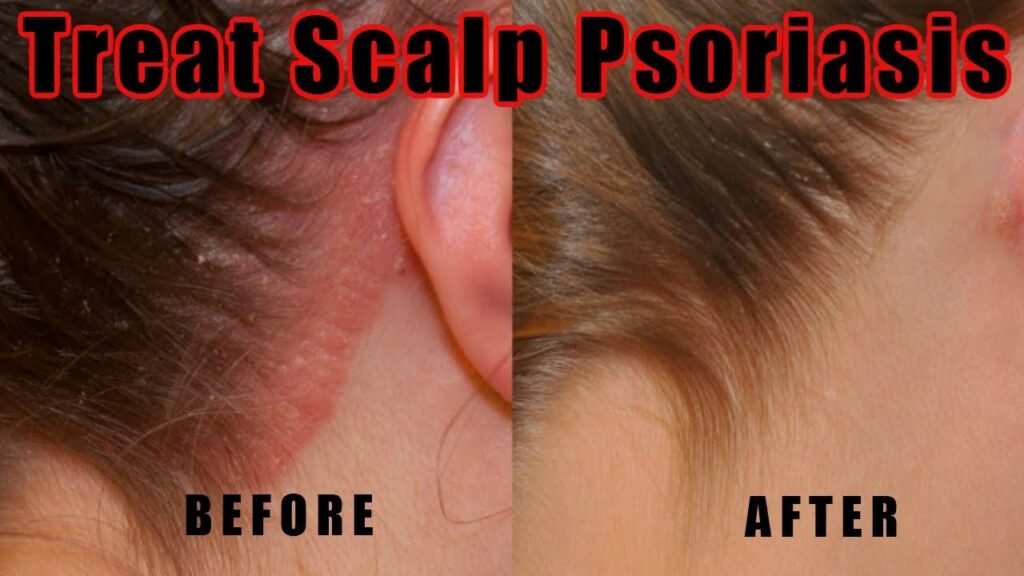
Choosing the right natural remedy for scalp psoriasis can be a personal decision based on various factors.
Consultation with a healthcare professional
Before starting any natural remedy, it is important to consult with a healthcare professional, especially if you are currently using medical treatments. They can provide guidance and ensure that the chosen remedy is safe and appropriate for your specific condition.
Trial and error approach
Different natural remedies may work better for some individuals than others. It may be necessary to try several remedies to find the one that brings the most relief. Keeping a record of the results and any changes in symptoms can help identify which remedy works best for you.
Personal preference and lifestyle factors
Consider your personal preferences and lifestyle when choosing a natural remedy. Some remedies may be easier to incorporate into your daily routine or may align better with your beliefs and values.
Consideration of existing health conditions
Individuals with certain health conditions or allergies may need to be cautious when using certain natural remedies. It is essential to consider any existing health conditions and seek guidance from a healthcare professional if needed.
How to Use Natural Remedies Properly
Proper usage and application of natural remedies can maximize their effectiveness and minimize the risk of adverse reactions.
Patch test for allergies or sensitivities
Before using any natural remedy, perform a patch test on a small area of skin to check for any allergic reactions or sensitivities. This is especially important when using essential oils or other concentrated ingredients.
Follow product instructions
Follow the instructions provided with the natural remedy carefully. Dilute essential oils as directed, apply recommended amounts of oils or gels, and adhere to any specified application methods or frequencies.
Regular and consistent usage
Consistency is key when using natural remedies. Regularly apply the remedy as directed and be patient, as it may take time to see noticeable improvements.
Monitor for any adverse reactions
Pay attention to how your scalp reacts to the natural remedy. If you experience any worsening of symptoms, increased irritation, or other adverse reactions, discontinue use and seek advice from a healthcare professional.
Combining Natural Remedies with Medical Treatments
It is possible to combine natural remedies with medical treatments, but caution is advised. Always consult with a healthcare professional before starting any natural remedy, especially if you are already using prescription medications.
Consultation with a healthcare professional
Inform your healthcare professional about your interest in using natural remedies. They can guide you on the safest ways to combine or transition between different treatments while monitoring for any potential interactions or contraindications.
Reducing or tapering off medical treatments
If you wish to incorporate natural remedies alongside medical treatments, it is important to follow your healthcare professional’s guidance. They may recommend gradually reducing or tapering off certain medications while introducing natural remedies to ensure a smooth transition.
Monitoring for any interactions or contraindications
Some natural remedies may interact with certain medications or be contraindicated for certain medical conditions. It is crucial to monitor for any adverse reactions or unexpected changes in symptoms and promptly report them to your healthcare professional.
Lifestyle Changes to Support Scalp Health
In addition to medical treatments and natural remedies, certain lifestyle changes can contribute to the overall health of the scalp and help manage scalp psoriasis symptoms.
Avoiding triggers and irritants
Identify and avoid triggers or irritants that worsen your scalp psoriasis. Common triggers may include stress, certain foods, harsh hair products, or environmental factors (such as dry air).
Proper scalp hygiene
Maintaining proper scalp hygiene is essential for scalp health. Gently shampoo and condition your hair, ensuring that any residue or buildup is thoroughly rinsed out to prevent further irritation.
Gentle hair care practices
Avoid aggressive brushing or combing of the hair, as it can lead to scalp irritation. Opt for wide-toothed combs or brushes specifically designed for sensitive scalps. Avoid hairstyles that pull too tightly on the scalp and cause undue stress.
Avoiding stress and managing emotions
Stress can trigger or worsen scalp psoriasis symptoms. It is important to find healthy ways to manage stress, such as engaging in regular exercise, practicing relaxation techniques, or seeking support from loved ones or a mental health professional.
Maintaining a balanced diet
A well-balanced diet rich in nutrients can support overall scalp health. Ensure you are consuming sufficient vitamins, minerals, and antioxidants by incorporating a variety of fruits, vegetables, lean proteins, whole grains, and healthy fats into your diet.
Regular exercise and physical activity
Regular exercise not only promotes overall well-being but also improves circulation, which can benefit the scalp. Engage in activities you enjoy, such as walking, jogging, swimming, or yoga, to maintain an active lifestyle.
Conclusion
When it comes to managing scalp psoriasis, exploring natural remedies offers individuals a variety of options to complement or replace traditional medical treatments. The individualized approach to treatment, coupled with the promotion of overall well-being, can lead to long-term management of the condition. Remember to consult with a healthcare professional, listen to your body, and find a combination of treatments that work best for you. With proper care, you can successfully manage your scalp psoriasis and enjoy a healthier scalp and improved quality of life.
Related Terms About Natural Remedy For Scalp Psoriasis.
Any Remedies For Scalp Psoriasis, Best Treatment For Scalp Psoriasis Australia, Best Treatment For Scalp Psoriasis In Bangalore, Best Treatment For Scalp Psoriasis In Hyderabad, Best Treatment For Scalp Psoriasis In India, Best Treatment For Scalp Psoriasis Uk, Curing Scalp Psoriasis With Diet, Effective Remedy For Scalp Psoriasis, Home Remedies For Scalp Psoriasis Scales, Medication For Scalp Psoriasis Treatment