
You’re dealing with acne, and you’ve decided it’s time to bring out the big guns. You’ve tried over-the-counter (OTC) options, you’ve tweaked your skincare routine, and still, those persistent blemishes are showing up. It’s completely understandable to feel frustrated, especially when acne can impact your confidence. But here’s the good news: powerful solutions are available through prescription medications, and as your trusted Listicle Content Architect, I’m here to guide you through them. We’ll break down the landscape of prescription acne treatments, exploring the science behind them, what you can expect, and how to approach your dermatologist for the best possible results. Think of this as your comprehensive roadmap to clearer skin.
You might have heard of retinoids before, perhaps in the context of anti-aging. Well, they’re also a cornerstone treatment for acne. They work on multiple fronts to tackle blemishes at their source. When you’re prescribed a topical retinoid, you’re getting a powerful derivative of Vitamin A that has a significant impact on your skin cells and the way they function.
Understanding How Topical Retinoids Work
- Exfoliation Powerhouse: Your skin cells naturally shed, but sometimes this process can become sluggish, leading to clogged pores. Topical retinoids speed up this cell turnover. They essentially encourage newer, healthier skin cells to come to the surface more quickly. This helps to prevent the buildup of dead skin cells that can trap oil and bacteria, forming comedones (blackheads and whiteheads). You can visualize this as making your skin’s natural “cleaning crew” work more efficiently.
- Unclogging Pores: By promoting exfoliation, retinoids directly address the initial stage of acne formation. They help to loosen the plugs of sebum and dead skin cells that create blackheads and whiteheads. This makes them incredibly effective at preventing new comedones from forming and helps to clear out existing ones over time.
- Anti-Inflammatory Properties: While their primary action is on cell turnover and pore unclogging, retinoids also possess anti-inflammatory benefits. Acne is an inflammatory condition, and reducing inflammation is key to calming existing breakouts and preventing the angry red bumps that can be so bothersome. This dual action makes them a formidable weapon against inflammatory acne.
- Preventing Future Breakouts: The ongoing use of topical retinoids creates a sustained effect. By keeping pores clear and regulating cell turnover, they significantly reduce the likelihood of future breakouts. It’s about building a proactive defense against acne.
Common Prescription Retinoid Options
- Tretinoin (Retin-A, Atralin, Renova, etc.): This is perhaps the most well-known and widely prescribed topical retinoid. It comes in various strengths and formulations (creams, gels, lotions). Tretinoin is highly effective but can also be associated with initial irritation.
- Adapalene (Differin): While now available OTC in lower strengths, higher concentrations of adapalene are available by prescription. It’s often considered to be slightly gentler than tretinoin, making it a good option for individuals prone to sensitivity.
- Tazarotene (Tazorac, Avage): This is a potent retinoid that can be very effective for moderate to severe acne. Due to its strength, it’s more likely to cause dryness, peeling, and redness, and often requires careful monitoring and application.
What to Expect When Using Topical Retinoids
- The “Retinization” Period: Be prepared for an initial adjustment phase. For the first few weeks, you might experience increased redness, dryness, peeling, and even a temporary worsening of acne. This is known as the “retinization” period. It’s your skin adapting to the medication. Stick with it, as the results are usually worth the temporary discomfort.
- Consistency is Key: You won’t see overnight results. It typically takes 4-12 weeks of consistent daily (or as prescribed) use to see significant improvement. Patience is your best friend here.
- Sun Sensitivity: Retinoids make your skin more sensitive to the sun. Daily use of broad-spectrum SPF 30 or higher sunscreen is non-negotiable. This will help prevent sunburn and further irritation.
- Application Tips: Apply a pea-sized amount to a dry face, avoiding the delicate eye and lip areas. Some dermatologists recommend applying it to dry skin after waiting 20-30 minutes after washing your face to minimize irritation.
2. Topical Antibiotics: Targeting Acne-Causing Bacteria
Acne isn’t just about clogged pores; it’s also about bacteria. Specifically, Propionibacterium acnes (or Cutibacterium acnes as it’s now known), a bacteria that thrives in the oily environment of your pores. Topical antibiotics work to reduce the population of this bacteria, thereby decreasing inflammation and preventing breakouts.
The Role of Bacteria in Acne
- The P. acnes Factor: This bacteria doesn’t cause acne on its own, but it plays a significant role in the inflammatory process. When pores are clogged, P. acnes can multiply rapidly.
- Inflammation Cascade: As the bacteria feast on sebum within the pore, they produce waste products that trigger an inflammatory response from your body. This leads to the redness, swelling, and pus associated with pimples and pustules.
Common Prescription Topical Antibiotics
- Clindamycin (Cleocin-T, Clindagel, etc.): This is a very common and effective topical antibiotic for acne. It’s available as a solution, gel, or foam. It works by inhibiting the growth of P. acnes and also helps to reduce inflammation.
- Erythromycin: Another macrolide antibiotic that works similarly to clindamycin by inhibiting bacterial protein synthesis. However, there’s a higher concern for antibiotic resistance with erythromycin compared to clindamycin.
Important Considerations for Topical Antibiotics
- The Risk of Antibiotic Resistance: This is the biggest concern with using topical antibiotics. Overuse or exclusive reliance on them can lead to the bacteria becoming resistant, meaning the medication will no longer be effective. To combat this, dermatologists often prescribe topical antibiotics in combination with other treatments, such as benzoyl peroxide.
- Benzoyl Peroxide as a Partner: Benzoyl peroxide is an antimicrobial agent that kills bacteria without causing resistance. When combined with topical antibiotics, it significantly reduces the risk of resistance and enhances overall treatment efficacy. You’ll often see these combined in a single prescription product.
- How They’re Used: These are typically applied once or twice a day to the affected areas. They help to calm active inflammation and prevent new blemishes from forming by reducing the bacterial load.
3. Oral Antibiotics: Addressing Moderate to Severe Inflammatory Acne
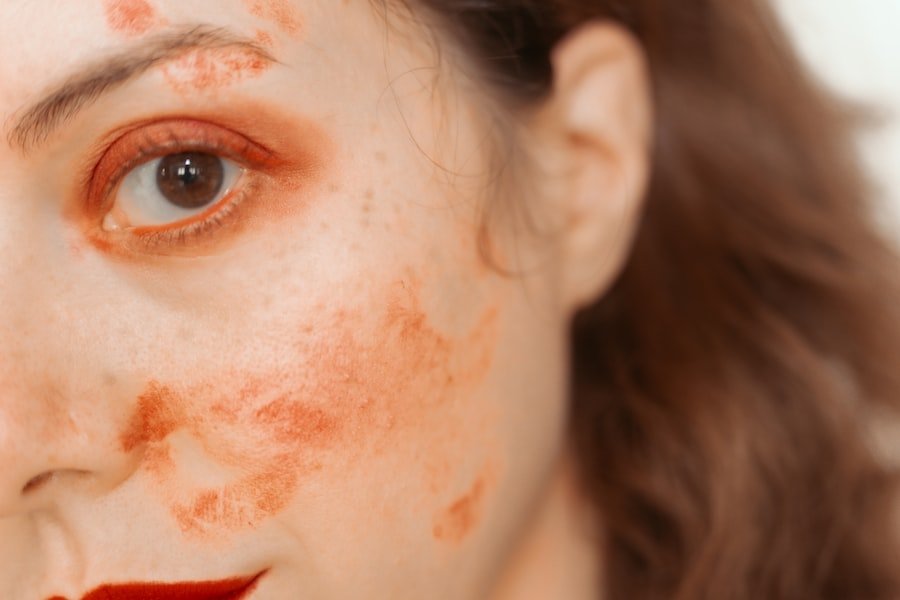
When your acne is more widespread, particularly inflammatory acne (papules, pustules, nodules, and cysts), topical treatments alone might not be enough. In these cases, oral antibiotics can be a powerful tool prescribed by your dermatologist. They work systemically to combat inflammation and bacteria throughout your body.
How Oral Antibiotics Help
- Systemic Bacterial Reduction: Oral antibiotics travel through your bloodstream and reach the P. acnes bacteria in your pores from the inside out. This helps to significantly reduce the bacterial count contributing to inflammation.
- Potent Anti-Inflammatory Effects: Beyond their antibacterial action, many oral antibiotics also possess inherent anti-inflammatory properties. This is crucial for calming the redness, swelling, and pain associated with more severe forms of acne. Think of them as providing a deeper level of control over the inflammatory process.
Common Oral Antibiotic Options
- Tetracyclines (Doxycycline, Minocycline): These are the most commonly prescribed oral antibiotics for acne. They are effective and generally well-tolerated. Doxycycline is often a first-line choice due to its favorably side effect profile. Minocycline can also be very effective but may have a slightly higher incidence of certain side effects.
- Macrolides (Erythromycin, Azithromycin): These are alternative options, particularly for individuals who cannot tolerate tetracyclines. They work by inhibiting bacterial growth.
Crucial Points When Taking Oral Antibiotics
- Short-Term Use is the Goal: Dermatologists aim to use oral antibiotics for the shortest effective duration, typically 3-6 months. Long-term use increases the risk of antibiotic resistance and other side effects. They are often used to get inflammatory acne under control, and then patients transition to maintenance therapies like topical retinoids.
- Potential Side Effects to Be Aware Of:
- Gastrointestinal Upset: Nausea, vomiting, and diarrhea are common. Taking them with food can help.
- Photosensitivity: Tetracyclines, especially doxycycline, can make your skin more sensitive to the sun. Consistent sunscreen use is paramount.
- Yeast Infections: Antibiotics can disrupt the natural balance of bacteria, potentially leading to yeast infections in women.
- Dizziness (Minocycline): Some individuals may experience dizziness or vertigo with minocycline.
- Rare but Serious Side Effects: Though uncommon, it’s important to be aware of potential rarer side effects and discuss any concerns with your doctor.
- Pregnancy and Antibiotics: Many oral antibiotics are not safe for use during pregnancy. Always inform your doctor if you are pregnant, planning to become pregnant, or breastfeeding.
4. Oral Isotretinoin (Accutane): The Most Powerful Prescription Option
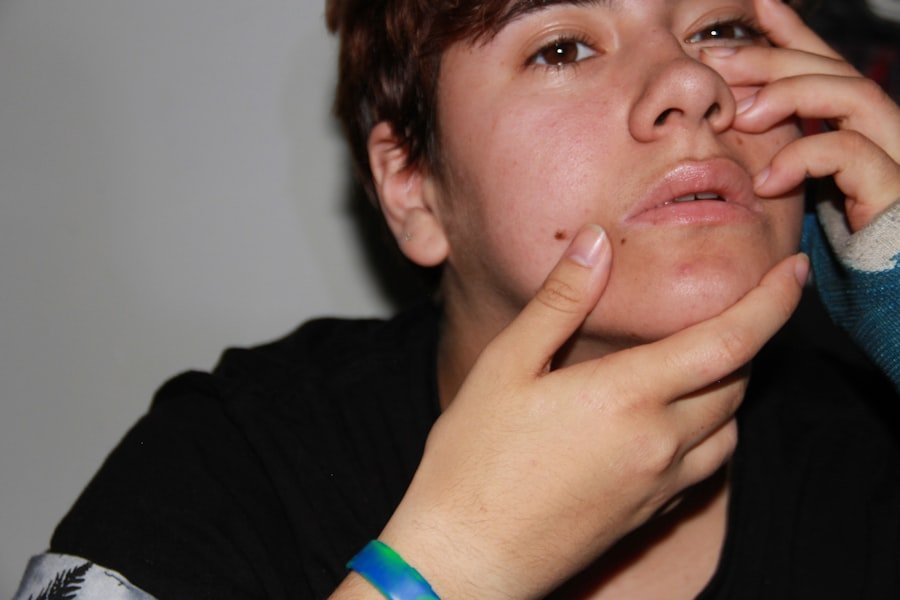
When acne is severe, persistent, or scarring, and other treatments have failed to provide adequate relief, oral isotretinoin is often considered the gold standard. This is a potent Vitamin A derivative that targets all the major causes of acne, offering a high chance of long-term remission. However, its power comes with significant responsibilities and potential side effects.
How Isotretinoin Works Its Magic
- Dramatic Reduction in Sebum Production: Isotretinoin is incredibly effective at shrinking your sebaceous glands and drastically reducing the amount of oil (sebum) they produce. Less oil means less fuel for bacteria and less likelihood of pores getting clogged. This is a fundamental shift in how your skin functions.
- Normalizing Cell Turnover: Similar to topical retinoids, isotretinoin helps to regulate the shedding of skin cells, preventing them from clumping together and blocking hair follicles. This prevents the formation of comedones.
- Reducing Bacteria and Inflammation: By reducing sebum and unclogging pores, isotretinoin indirectly diminishes the environment where P. acnes thrives. It also has direct anti-inflammatory effects, further calming active breakouts.
The Isotretinoin Journey: What You’ll Experience
- Rigorous Monitoring is Essential: Because of its potency, isotretinoin is prescribed under strict guidelines. You will need to see your dermatologist regularly (typically monthly) for monitoring. Blood tests to check liver function and cholesterol levels are usually required before and during treatment.
- The iPLEDGE Program (in the US): For women of childbearing potential, isotretinoin is associated with a very high risk of severe birth defects. To mitigate this risk, the iPLEDGE program is in place, requiring strict measures to prevent pregnancy during treatment. This includes two negative pregnancy tests before starting the medication, monthly pregnancy tests, and the use of two forms of reliable contraception. Male patients also have responsibilities within the program to prevent pregnancy.
- Characteristic Side Effects: Most people will experience some side effects while on isotretinoin. These are often manageable but can be significant:
- Extreme Dryness: This is the most common side effect, affecting the lips (chapped and cracked), skin, and eyes. Frequent use of lip balm and moisturizer is crucial.
- Dry Eyes: Artificial tears can help alleviate this.
- Nosebleeds: The dry nasal passages can lead to minor nosebleeds.
- Muscle and Joint Aches: Some individuals experience pain and stiffness.
- Increased Sensitivity to Sunlight: Sunscreen is vital.
- Mood Changes: While rare, changes in mood or increased risk of depression have been reported. It’s important to communicate any changes in your emotional state to your doctor immediately.
- The “Drying Out” Period: Your skin will become very dry, and you’ll need to adjust your skincare routine accordingly. Harsh cleansers and exfoliants should be avoided.
- Potential for Remission: For many, a single course of isotretinoin can lead to long-lasting or even permanent remission of acne. Some individuals may require a second course, but this is less common.
5. Hormonal Therapies: Targeting Hormonal Imbalances
| Treatment Option | Description | Effectiveness | Possible Side Effects |
|---|---|---|---|
| Topical Retinoids | Applied directly to the skin to unclog pores and prevent new blockages | High | Skin irritation, redness, dryness |
| Topical Antibiotics | Kills bacteria on the skin and reduces inflammation | Moderate | Skin dryness, peeling, redness |
| Oral Antibiotics | Fights bacteria and reduces inflammation from the inside | Moderate | Stomach upset, dizziness, sun sensitivity |
| Oral Contraceptives | Regulates hormones to reduce acne in women | High | Nausea, breast tenderness, headache |
For some individuals, particularly women, acne can be significantly influenced by hormonal fluctuations. This is especially true for cases of hormonal acne, which often appear around the jawline, chin, and neck, and tend to flare up around the menstrual cycle. Hormonal therapies aim to address these underlying hormonal imbalances.
Understanding Hormonal Acne
- Androgen Influence: Androgens, often referred to as “male hormones” (though present in both men and women), can stimulate the sebaceous glands to produce more oil. In individuals prone to hormonal acne, even normal levels of androgens can lead to increased sebum production and subsequent breakouts.
- Menstrual Cycle Connection: Fluctuations in estrogen and progesterone during the menstrual cycle can also play a role. A drop in estrogen and progesterone can lead to a relative increase in androgens, triggering breakouts.
Prescription Hormonal Treatment Options
- Combined Oral Contraceptives (Birth Control Pills): Certain birth control pills are FDA-approved for treating acne. These pills work by:
- Reducing Androgen Levels: They suppress the ovaries’ production of androgens.
- Increasing Sex Hormone-Binding Globulin (SHBG): This protein binds to androgens in the bloodstream, making them less available to stimulate the sebaceous glands.
- Regulating Hormonal Cycles: By stabilizing hormone levels, they can prevent the sharp fluctuations that trigger breakouts.
- Important Note: Not all birth control pills are effective for acne. Your dermatologist or gynecologist will recommend specific types that have demonstrated acne-fighting properties.
- Spironolactone (Aldactone): This is technically a blood pressure medication, but it’s often prescribed off-label for hormonal acne in women. Spironolactone acts as an anti-androgen by blocking androgen receptors on the sebaceous glands. This directly reduces the effect of androgens on oil production, making it highly effective for stubborn hormonal acne.
Key Considerations for Hormonal Therapies
- Effectiveness Varies: The effectiveness of hormonal therapies depends on the individual and the specific type of acne. They are generally most effective for inflammatory acne on the lower face and jawline.
- Not for Men: These treatments are typically prescribed for women due to their hormonal actions.
- Potential Side Effects:
- Birth Control Pills: May include mood changes, weight changes, breast tenderness, and an increased risk of blood clots (though this risk is generally low for individuals without predisposing factors).
- Spironolactone: Can cause menstrual irregularities, breast tenderness, increased urination, and dizziness.
- Patience is Required: Like other acne treatments, hormonal therapies take time to show results. It may take several months to notice significant improvement.
6. Corticosteroid Injections: For Targeted, Rapid Relief of Severe Inflammatory Lesions
While not a long-term solution for acne, corticosteroid injections are a powerful tool for rapidly reducing the inflammation and pain of large, individual acne lesions, such as nodules and cysts. If you have a particularly stubborn, painful, or unsightly pimple that’s threatening to ruin a major event, this might be an option your dermatologist offers.
When a Steroid Injection is Considered
- Large, Inflamed Nodules and Cysts: These are deep, painful bumps that don’t respond well to topical treatments and can take weeks to resolve and often leave scars.
- Urgent Need for Inflammation Reduction: For severe, painful, or aesthetically concerning lesions where quick relief is desired.
The Injection Process
- Diluted Corticosteroid: Your dermatologist will inject a diluted solution of a corticosteroid directly into the lesion.
- Rapid Anti-Inflammatory Action: Corticosteroids are potent anti-inflammatory agents. They work quickly to reduce the swelling, redness, and pain associated with the acne lesion.
- Quick Results: You can often see a noticeable reduction in inflammation within 24-48 hours.
What to Expect and Important Caveats
- Temporary Solution: This is not a cure for acne. It’s a way to manage individual severe breakouts.
- Risk of Skin Thinning or Indentation: If injected too frequently or in too high a concentration, corticosteroids can cause temporary thinning of the skin or a small indentation at the injection site. Dermatologists are skilled at minimizing this risk.
- Not for Widespread Acne: This is not a treatment for general acne. It’s reserved for isolated, severe inflammatory lesions.
- Potential for Pustule Formation (Rare): In extremely rare cases, some individuals may experience a temporary increase in pus formation before the lesion starts to resolve.
By understanding these prescription acne treatment options, you’re taking a significant step towards achieving clearer skin. Remember, the most effective strategy is often a personalized one, tailored to your specific acne type, severity, and individual needs. Your dermatologist is your most valuable ally in this journey. Don’t hesitate to discuss your concerns, ask questions, and work with them to create a treatment plan that sets you on the path to renewed confidence and a healthier complexion.
FAQs
What are the common prescription acne treatment options?
Prescription acne treatment options include topical retinoids, topical antibiotics, oral antibiotics, oral contraceptives, and oral isotretinoin.
How do topical retinoids work to treat acne?
Topical retinoids work by unclogging pores and preventing new acne lesions from forming. They also have anti-inflammatory effects, which can help reduce redness and swelling associated with acne.
What are the potential side effects of oral isotretinoin?
Potential side effects of oral isotretinoin include dry skin, chapped lips, dry eyes, and in rare cases, more serious side effects such as depression, suicidal thoughts, and liver damage.
How long does it take to see results from prescription acne treatments?
It can take several weeks to several months to see noticeable improvements in acne with prescription treatments. It’s important to be patient and consistent with the treatment regimen.
Are prescription acne treatments suitable for everyone?
Prescription acne treatments may not be suitable for everyone, especially pregnant women or those with certain medical conditions. It’s important to consult with a healthcare professional to determine the best treatment option for individual needs.