Living with atrial fibrillation can be challenging, but taking steps to prevent complications is essential for maintaining a healthy and active life. Atrial fibrillation, also known as AFib, is a heart condition that causes an irregular and often rapid heartbeat. In this article, we will explore the various complications that can arise from AFib and discuss preventative measures that you can take to minimize their impact on your health. By staying informed and implementing strategies to manage your condition, you can reduce the risk of complications and enjoy a better quality of life.
Preventing Complications of Atrial Fibrillation
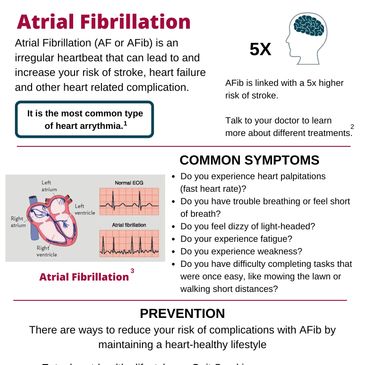
Atrial fibrillation (AF) is a common heart rhythm disorder that can lead to various complications if not properly managed. Fortunately, there are several strategies you can implement to help prevent these complications and maintain a healthy heart. By understanding AF, identifying risk factors, maintaining a healthy lifestyle, effectively managing medication, controlling blood pressure and cholesterol levels, avoiding excessive consumption of alcohol and caffeine, quitting smoking, managing stress levels, and engaging in regular exercise and physical activity, you can significantly reduce the risk of complications associated with AF.
Understanding Atrial Fibrillation
Atrial fibrillation occurs when the heart’s upper chambers (atria) experience chaotic electrical signals, leading to an irregular and inefficient heartbeat. This condition can be caused by various factors such as age, underlying heart conditions, high blood pressure, obesity, diabetes, thyroid problems, and sleep apnea. It is important to understand the different types and stages of AF, as well as the signs and symptoms that may indicate its presence.
Identifying Risk Factors
Identifying and understanding the risk factors associated with AF is crucial for preventing complications. Age and gender can play a significant role, with individuals over the age of 60 and men being at higher risk. Underlying heart conditions, such as heart failure or coronary artery disease, can also contribute to AF. Other risk factors include high blood pressure, obesity, metabolic syndrome, diabetes, a family history of AF, thyroid problems, sleep apnea, lung diseases, and excessive alcohol and caffeine consumption. Recognizing these risk factors allows you to take proactive steps towards prevention.
Maintaining a Healthy Lifestyle
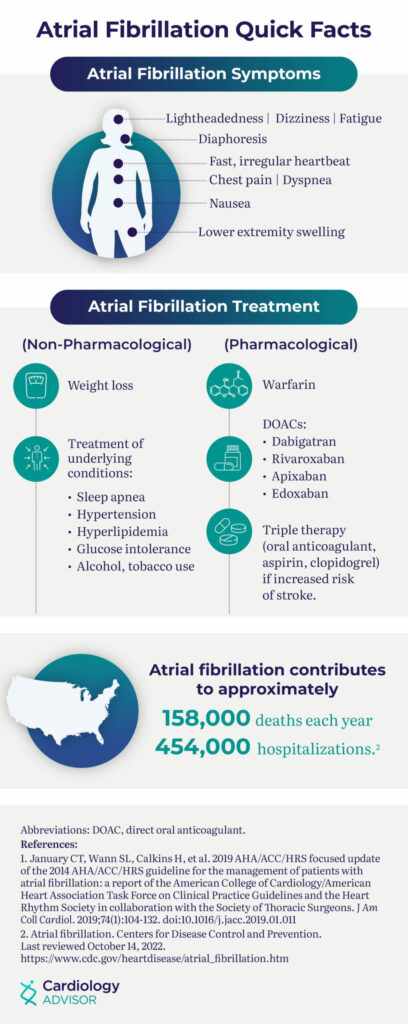
Maintaining a healthy lifestyle is paramount in preventing complications related to AF. A balanced diet that includes a variety of fruits, vegetables, whole grains, lean proteins, and healthy fats is essential. Regular physical activity not only helps control weight but also improves cardiovascular health. Adequate sleep, stress management techniques, and avoidance of stimulants are also crucial in maintaining a healthy lifestyle and reducing the risk of complications.
Medication Management
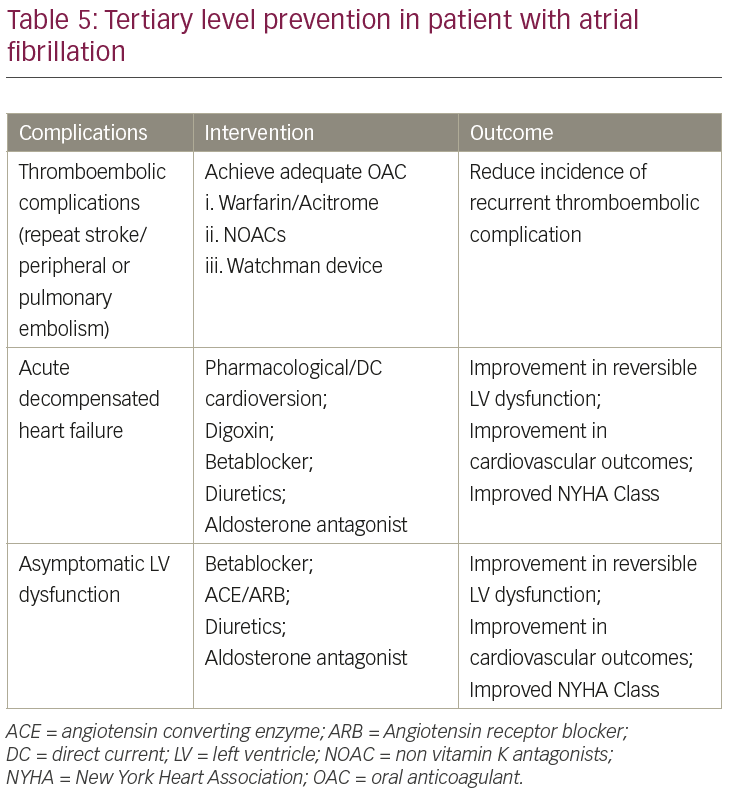
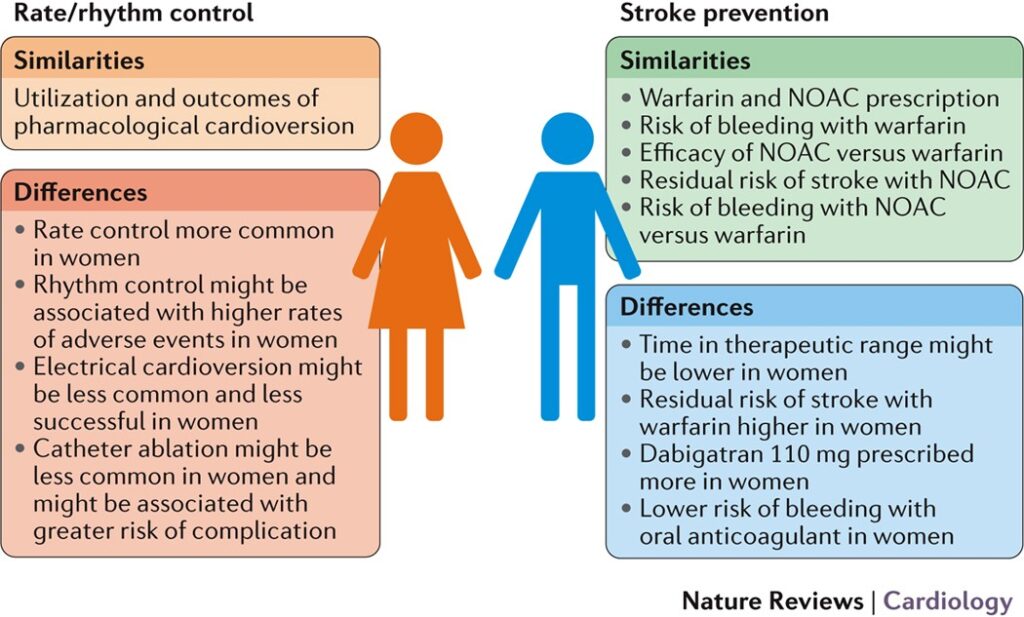
Medications play a significant role in managing AF and reducing the risk of complications. Anticoagulants help to prevent blood clots, which can be a serious complication of AF. Antiarrhythmic drugs and rate-control medications can help normalize heart rhythm and control heart rate. In some cases, electrical cardioversion or catheter ablation may be recommended. Proper adherence to medication regimens and regular follow-up with your healthcare provider are essential for effective management.
Managing Blood Pressure
High blood pressure is a common risk factor for AF and can increase the risk of complications. Managing blood pressure is crucial in preventing complications associated with AF. Adopting a low-sodium diet, regularly monitoring blood pressure levels, adhering to prescribed medications, implementing lifestyle changes such as reducing stress, and practicing stress management techniques are all important strategies for maintaining healthy blood pressure levels.
Controlling Cholesterol Levels
Controlling cholesterol levels is another vital aspect of preventing complications related to AF. A healthy diet that includes foods low in saturated and trans fats is recommended. Regular exercise can also help control cholesterol levels. In some cases, medication may be prescribed to manage cholesterol levels effectively. Regular cholesterol screenings are important to monitor and assess your cholesterol levels and make any necessary adjustments to your treatment plan.
Avoiding Excessive Alcohol and Caffeine
Excessive consumption of alcohol and caffeine can trigger AF episodes and increase the risk of complications. It is important to be aware of recommended alcohol consumption guidelines and understand the health risks associated with excessive alcohol consumption. Limiting caffeine intake or opting for caffeine-free alternatives can also help reduce the risk of AF episodes.

Quitting Smoking
Smoking is a major risk factor for AF and can lead to severe complications. The health risks associated with smoking, including lung disease and cardiovascular disease, are well-documented. Quitting smoking is essential for reducing the risk of AF and its complications. Nicotine replacement therapy, behavioral therapies, and support programs can all be helpful in successfully quitting smoking.
Managing Stress Levels
Stress can have a significant impact on heart health and can trigger AF episodes. Managing stress levels is crucial in preventing complications associated with AF. Adopting stress management techniques such as deep breathing exercises, meditation, yoga, and engaging in activities you enjoy can help reduce stress levels and promote overall well-being.
Regular Exercise and Physical Activity
Regular exercise and physical activity have numerous benefits for overall health and can play a key role in preventing complications related to AF. Exercise helps maintain a healthy weight, reduces the risk of heart disease, improves cardiovascular health, and manages stress levels. It is important to consult with your healthcare provider before starting an exercise program and to adapt exercises to your specific needs and abilities.
In conclusion, preventing complications of atrial fibrillation requires a comprehensive approach that includes understanding AF, identifying risk factors, maintaining a healthy lifestyle, effectively managing medication, controlling blood pressure and cholesterol levels, avoiding excessive consumption of alcohol and caffeine, quitting smoking, managing stress levels, and engaging in regular exercise and physical activity. By implementing these strategies, you can minimize complications and maintain a healthy heart. Remember to consult with your healthcare provider for personalized guidance and recommendations. Stay proactive and take control of your cardiovascular health.