
Are you or someone you know diagnosed with mouth cancer? This article provides a comprehensive overview of the various treatment options available for this condition. From surgery to radiation therapy, we will explore the potential treatments that can help manage and combat mouth cancer. With advancements in medical technology, there are now a range of options to consider, all with the ultimate goal of improving the patient’s quality of life. So, let’s explore the different treatment possibilities and empower you with the knowledge to make informed decisions about your health.
Surgery
Procedures for Early Stage Mouth Cancer
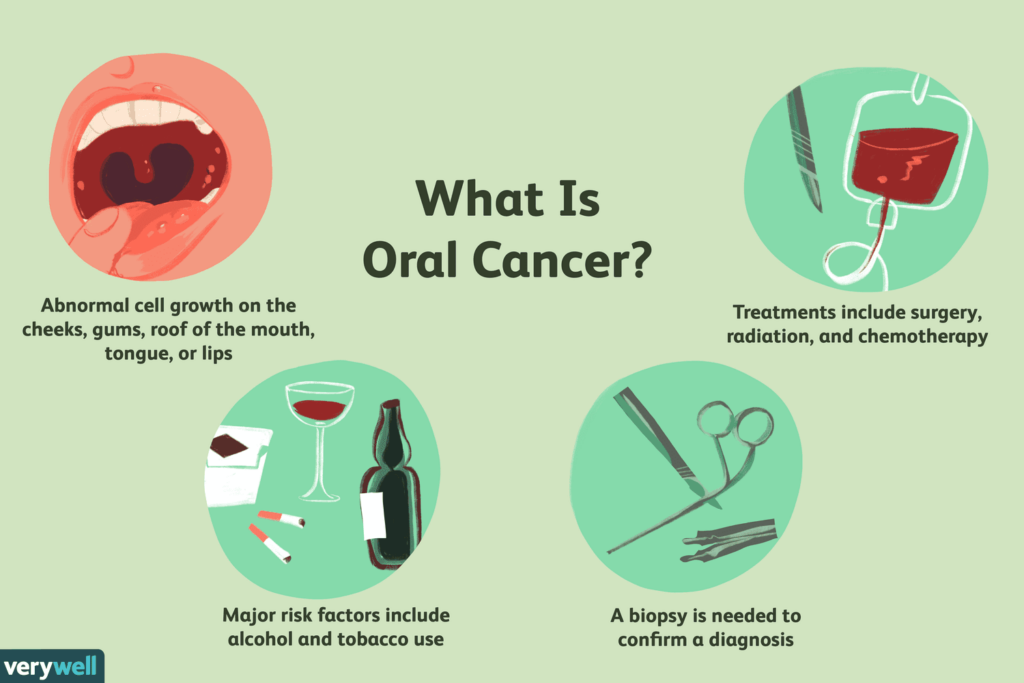
If you are diagnosed with early stage mouth cancer, surgery is often the primary treatment option. The goal of surgery in this stage is to remove the tumor and a margin of healthy tissue surrounding it. The most common surgical procedure for early stage mouth cancer is known as a local excision, where only a small area is removed. This can be done using various techniques, such as laser surgery or scalpel excision. These procedures are usually performed under local anesthesia, meaning you will be awake but will not feel any pain.
Procedures for Advanced Stage Mouth Cancer
In cases where the mouth cancer has advanced or spread to nearby lymph nodes, more extensive surgery may be required. This can involve removing a larger area of tissue, or even parts of the jawbone or tongue. Surgery for advanced stage mouth cancer is typically performed under general anesthesia, meaning you will be asleep during the procedure. The aim of this surgery is to remove as much of the cancer as possible while preserving function and appearance.
Reconstructive Surgery
Reconstructive surgery is often necessary after surgery for mouth cancer, especially when larger areas of tissue are removed. This type of surgery aims to restore the functionality and aesthetics of the mouth and surrounding areas. Depending on the extent of the surgical removal, reconstructive options may include skin grafts, flap surgery, or the use of artificial devices. Reconstructive surgery can greatly improve quality of life for individuals who have undergone surgery for mouth cancer.
Speech and Swallowing Rehabilitation after Surgery
Surgery for mouth cancer can affect speech and swallowing due to the removal of tissue or alterations in the anatomy of the mouth and throat. Speech and swallowing rehabilitation is an essential part of the recovery process. It may involve working with a speech therapist who specializes in the treatment of oral and throat muscles. Exercises, techniques, and even assistive devices may be utilized to improve speech clarity and swallowing function. Rehabilitation can significantly enhance your ability to communicate and eat comfortably after surgery.
Radiation Therapy
External Beam Radiation Therapy
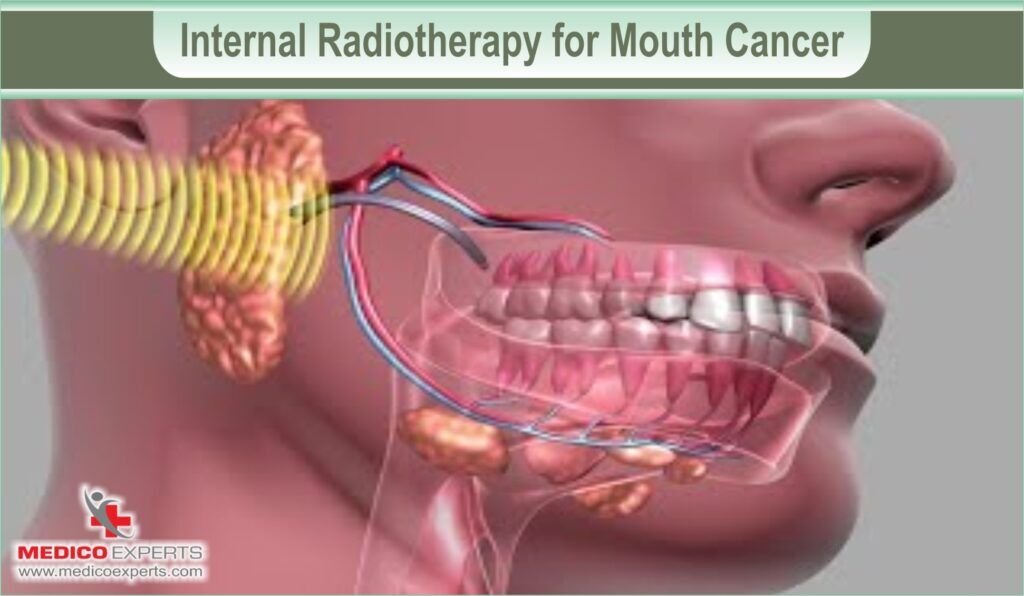
External beam radiation therapy is a common treatment option for mouth cancer. It involves directing radiation beams from an external machine towards the tumor and surrounding tissues. This treatment is typically administered over several sessions, with each session lasting only a few minutes. The duration and frequency of radiation therapy will depend on the extent of your mouth cancer. External beam radiation therapy is non-invasive and painless, but you may experience side effects such as fatigue, skin changes, and temporary difficulty in swallowing.
Brachytherapy
Brachytherapy is another form of radiation therapy used to treat mouth cancer. It involves placing radioactive material directly into or near the tumor. This method allows for a higher dose of radiation to be delivered to the tumor while minimizing radiation exposure to healthy tissues. Brachytherapy may be used alone or in combination with external beam radiation therapy. The procedure is usually done under local anesthesia and can be completed in a few sessions. Side effects may include temporary swelling or soreness at the site of the implant.
Side Effects of Radiation Therapy
Radiation therapy for mouth cancer can cause various side effects, but they are typically temporary and manageable. The most common side effects include fatigue, skin changes, dry mouth, changes in taste, and difficulty in swallowing. These side effects usually improve over time after the completion of treatment. Your healthcare team will closely monitor and provide appropriate interventions to help manage these side effects, ensuring your comfort and overall well-being during radiation therapy.
Chemotherapy
Types of Chemotherapy Drugs for Mouth Cancer
Chemotherapy is a treatment that uses anti-cancer drugs to destroy cancer cells. In mouth cancer, chemotherapy may be used as an adjunct to surgery or radiation therapy, or as the primary treatment for advanced or recurrent cases. The specific chemotherapy drugs chosen for mouth cancer treatment depend on various factors, including the stage and type of cancer. Common chemotherapy drugs used for mouth cancer include cisplatin, fluorouracil, and paclitaxel. These drugs work by interrupting the growth and division of cancer cells.

Combination Therapies
In some cases, a combination of different chemotherapy drugs may be used to increase the effectiveness of treatment. Combination therapies can help target cancer cells from different angles, maximizing the chances of successful treatment. A commonly used combination for mouth cancer is known as PF (cisplatin and fluorouracil). The specific combination therapy recommended for you will depend on your individual circumstances and will be determined by your healthcare team.
Side Effects of Chemotherapy
Chemotherapy can cause side effects as it affects not only cancer cells but also healthy cells in the body. Common side effects of chemotherapy for mouth cancer include fatigue, nausea, vomiting, hair loss, and increased risk of infection. However, the side effects are temporary and will improve after the completion of treatment. Your healthcare team will closely monitor your condition and provide supportive care to manage and minimize these side effects, ensuring that you have the best possible quality of life during chemotherapy.
Targeted Therapy
Drugs for Targeted Therapy
Targeted therapy is a newer approach to treating mouth cancer that aims to specifically target cancer cells while sparing healthy cells. This is achieved by using drugs that target specific molecules or genetic changes that are important for the growth and survival of cancer cells. In mouth cancer, targeted therapy drugs known as epidermal growth factor receptor (EGFR) inhibitors, such as cetuximab, may be used. These drugs can block the signals that promote cancer cell growth and division, potentially leading to tumor shrinkage.
Effectiveness and Side Effects of Targeted Therapy
Targeted therapy has shown promise in the treatment of mouth cancer, particularly in cases where standard treatments have been unsuccessful. The effectiveness of targeted therapy can vary depending on the specific molecular characteristics of each individual’s cancer. As with any treatment, targeted therapy can have side effects. Common side effects of targeted therapy for mouth cancer may include skin rash, diarrhea, and infusion reactions. These side effects are usually manageable and will be closely monitored by your healthcare team.
Immunotherapy
Types of Immunotherapy for Mouth Cancer
Immunotherapy is a type of cancer treatment that boosts the body’s immune system to fight against cancer cells. In mouth cancer, immunotherapy drugs known as immune checkpoint inhibitors, such as pembrolizumab, may be used. These drugs work by blocking proteins that inhibit the immune system, allowing it to recognize and attack cancer cells more effectively. Immunotherapy can be used as a primary treatment for advanced or recurrent mouth cancer or in combination with other treatments.
Effectiveness and Side Effects of Immunotherapy
Immunotherapy has shown promise in improving outcomes for certain individuals with mouth cancer. The effectiveness of immunotherapy can vary depending on the specific characteristics of each individual’s cancer. In some cases, immunotherapy can lead to dramatic and long-lasting responses. However, like any treatment, immunotherapy can have side effects. Common side effects of immunotherapy for mouth cancer include fatigue, skin rash, and inflammation in different parts of the body. These side effects will be closely monitored and managed by your healthcare team.
Palliative Care
Symptom Management
Palliative care focuses on managing the symptoms and improving the quality of life for individuals with mouth cancer, particularly those with advanced or incurable disease. The goal is to provide comfort and alleviate discomfort caused by pain, difficulty eating or swallowing, and other physical symptoms. Palliative care involves a multidisciplinary team that includes doctors, nurses, social workers, and other specialists who work together to address your specific needs and provide comprehensive support.
Psychological Support
Mouth cancer and its treatments can have a significant emotional and psychological impact on individuals and their loved ones. Palliative care includes psychological support to help individuals cope with the challenges of their diagnosis and treatment. This may involve counseling, support groups, or other therapies aimed at improving mental well-being, reducing anxiety or depression, and enhancing overall quality of life. The psychological support provided can extend to both patients and their families, ensuring that everyone involved receives the necessary care and support.

End-of-Life Care
When mouth cancer reaches an advanced stage and all treatment options have been exhausted, end-of-life care becomes crucial. Palliative care during this stage focuses on ensuring comfort, dignity, and the best possible quality of life for the individual. This may involve pain management, symptom control, and emotional support for both the patient and their loved ones. Hospice care may be provided either at home or in a specialized facility, depending on individual preferences and needs.
Clinical Trials
Advantages of Clinical Trials for Mouth Cancer
Clinical trials are research studies that evaluate new treatments or approaches to determine their safety and effectiveness. For individuals with mouth cancer, participating in a clinical trial can offer access to potentially groundbreaking treatments that are not yet widely available. Clinical trials also contribute to advancements in the field of mouth cancer treatment, helping to improve outcomes for future patients. When considering participation in a clinical trial, it is important to discuss the potential risks and benefits with your healthcare team.
How to Find and Enroll in Clinical Trials
If you are interested in participating in a clinical trial for mouth cancer, your healthcare team can provide information on available trials. You may also search for clinical trials through reputable websites and databases that provide comprehensive listings. Once you find a trial that may be suitable, you will need to meet specific eligibility criteria to enroll. The decision to participate in a clinical trial is a personal one, and it is important to carefully consider the potential benefits and risks in consultation with your healthcare team.
Alternative and Complementary Therapies
Acupuncture
Acupuncture is an ancient Chinese practice that involves inserting thin needles into specific points on the body to promote healing and relieve symptoms. Some individuals with mouth cancer may choose to explore acupuncture as a complementary therapy to manage pain, improve sleep, reduce nausea, and alleviate stress or anxiety. While acupuncture may offer some relief, it is important to consult with your healthcare team before starting any complementary therapy to ensure its safety and potential interaction with other treatments.
Herbal Supplements
Herbal supplements are natural products derived from plants that are used for various health purposes. Some individuals with mouth cancer may consider using herbal supplements as an alternative or complementary therapy. However, it is important to note that the effectiveness and safety of herbal supplements in treating mouth cancer have not been extensively studied. Some herbal supplements may interact with cancer treatments or have potentially harmful effects. Always consult with your healthcare team before using any herbal supplements.
Mind-Body Exercises
Mind-body exercises, such as yoga, meditation, and tai chi, can be beneficial for individuals with mouth cancer. These practices help promote relaxation, reduce stress, improve overall well-being, and enhance the mind-body connection. Mind-body exercises can complement conventional treatments by providing physical and emotional support. However, it is important to consult with your healthcare team before starting any exercise program to ensure its safety and appropriateness for your specific situation.
Supportive Care
Diet and Nutrition
Maintaining a healthy diet and good nutrition is essential for individuals with mouth cancer. Treatment and its side effects can affect appetite, eating ability, and nutritional intake. A registered dietitian can provide guidance on appropriate dietary modifications to best meet your nutritional needs during and after treatment. Strategies may include consuming soft or pureed foods, increasing calorie and protein intake, and managing symptoms that affect eating, such as dry mouth or swallowing difficulties.
Oral Health and Hygiene
Good oral hygiene is vital in managing mouth cancer and minimizing complications. Keeping the mouth clean and moisturized can help prevent infections and promote healing. Regular brushing with a soft toothbrush, using an alcohol-free mouthwash, and maintaining proper denture care are important elements of oral hygiene. Your healthcare team can provide personalized recommendations and preventive measures to ensure optimal oral health and hygiene during and after treatment.
Speech and Swallowing Therapy
Speech and swallowing therapy plays a crucial role in restoring or improving communication and eating abilities after treatment for mouth cancer. A speech therapist with expertise in oral and throat muscles can provide exercises, techniques, and devices to improve speech clarity and swallowing function. The goal is to help you regain optimal communication skills and achieve safe and enjoyable eating experiences. Speech and swallowing therapy is an integral part of the recovery process, and regular sessions may be recommended for the best outcomes.
Follow-Up Care
Regular Check-ups
After completing treatment for mouth cancer, regular follow-up visits with your healthcare team are essential. These check-ups allow your healthcare team to monitor your recovery, assess the effectiveness of treatment, and detect any signs of recurrence or new developments. During these visits, you may undergo physical exams, imaging tests, and blood work to evaluate your overall health and cancer status. Regular check-ups provide an opportunity for early detection of any potential issues and ensure that you receive appropriate care and support.
Monitoring for Recurrence
Mouth cancer can sometimes recur after treatment, so it is important to remain vigilant and report any new or concerning symptoms to your healthcare team. Common signs of recurrence may include persistent pain, difficulty swallowing, changes in voice, or the development of new lumps or sores. Your healthcare team will develop a monitoring plan tailored to your specific circumstances, which may involve periodic imaging tests, biopsies, or other diagnostic procedures. Regular monitoring allows for prompt detection and intervention in case of recurrence.
Managing Long-Term Effects
Treatment for mouth cancer can have long-term effects on various aspects of your life, including eating, speaking, and overall quality of life. Managing these effects requires ongoing support and guidance. Your healthcare team can provide recommendations and interventions to help improve and maintain your quality of life. This may include continued speech and swallowing therapy, dietary modifications, dental care, and psychological support. With appropriate management, many individuals can overcome the long-term effects and lead fulfilling lives beyond mouth cancer treatment.
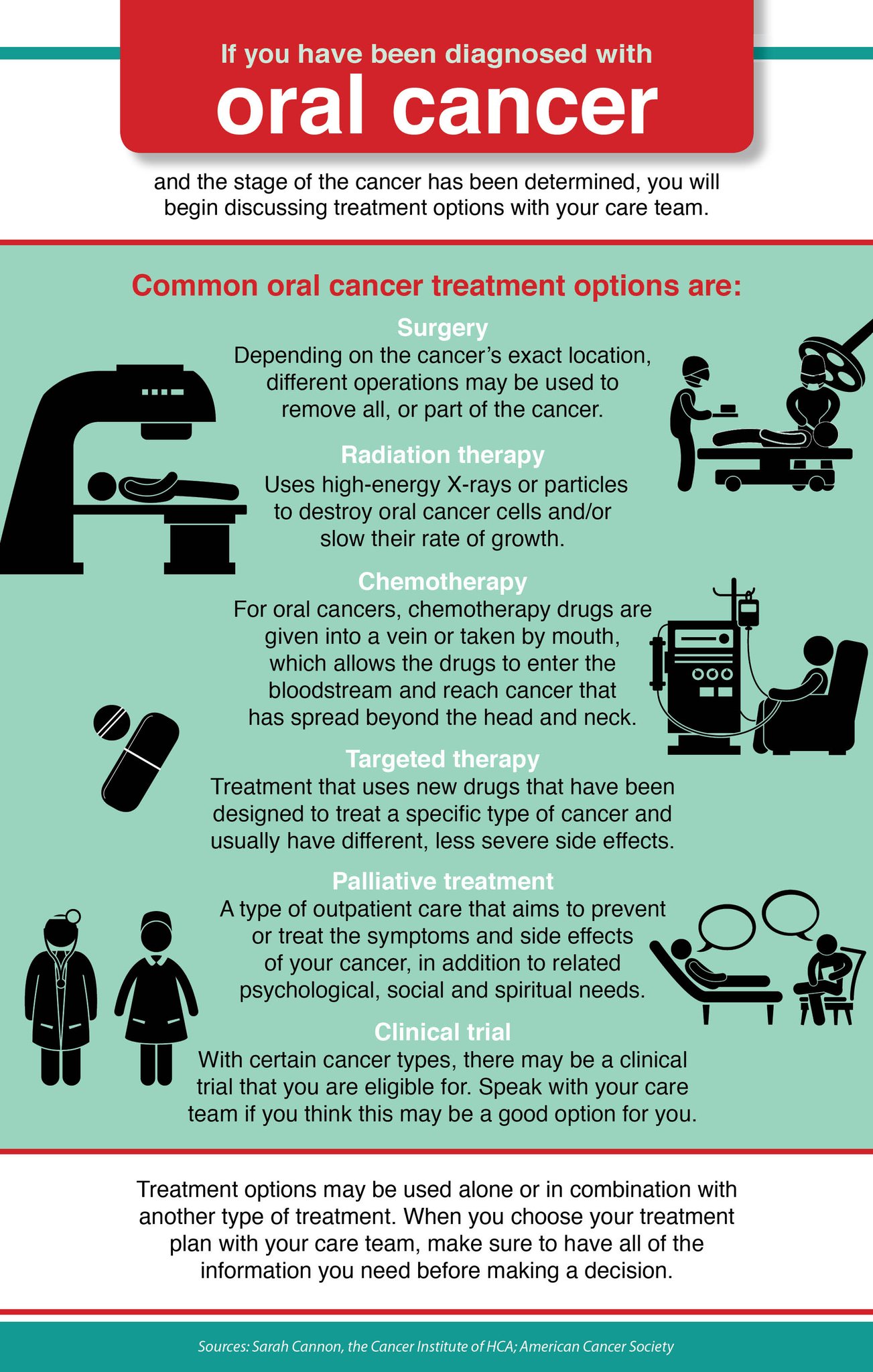
In conclusion, there are various treatment options available for mouth cancer depending on the stage and individual circumstances. Surgery, radiation therapy, chemotherapy, targeted therapy, immunotherapy, palliative care, and supportive care all play important roles in managing mouth cancer and improving outcomes. Additionally, alternative and complementary therapies, clinical trials, and follow-up care are also significant aspects of mouth cancer treatment. By working closely with your healthcare team and exploring the available options, you can access the most appropriate and effective treatments to navigate your journey with mouth cancer.