
Have you or someone you know been diagnosed with mouth cancer? Finding support and resources during this challenging time is crucial. In this article, we will explore the various avenues available to mouth cancer patients, including support groups, online communities, and helpful resources that can provide guidance and assistance throughout the journey of diagnosis, treatment, and recovery. Whether you are seeking emotional support, practical advice, or access to the latest advancements in treatment, this article aims to connect you with the support and resources you need to navigate this difficult journey with confidence and peace of mind.
Types of Mouth Cancer
Squamous cell carcinoma
Squamous cell carcinoma is the most common type of mouth cancer. It typically affects the thin, flat cells that line the mouth and lips. This type of cancer is often found on the tongue, floor of the mouth, and the lips. Squamous cell carcinoma can spread to other areas of the body if left untreated.
Verrucous carcinoma
Verrucous carcinoma is a less common type of mouth cancer, accounting for only a small percentage of cases. It is characterized by slow-growing, wart-like lesions that may appear on the gums, tongue, or other areas inside the mouth.
Mucoepidermoid carcinoma
Mucoepidermoid carcinoma is a type of mouth cancer that arises from the salivary glands. It can occur in various locations within the mouth, including the lips, tongue, and palate. This type of cancer can have different levels of aggressiveness, with some cases being low-grade and others being high-grade.
Adenocarcinoma
Adenocarcinoma is a rare type of mouth cancer that develops from the glandular cells in the mouth. It often occurs in the minor salivary glands, which are located throughout the mouth and throat. Adenocarcinoma can be difficult to diagnose and treat due to its rarity and diverse biological behavior.
Lymphoma
Lymphoma is a type of cancer that originates in the lymphatic system, which is a part of the body’s immune system. It can affect the tonsils, lymph nodes, and other areas of the mouth and throat. Lymphoma in the mouth is relatively uncommon, but it can occur, especially in individuals with a weakened immune system.
Melanoma
Melanoma is a type of skin cancer that can also affect the mouth. When melanoma occurs in the mouth, it often starts on the mucous membranes, such as the lips or the inside of the cheeks. Early detection and treatment are crucial for a favorable prognosis with melanoma.
Sarcoma
Sarcoma is a rare type of mouth cancer that originates from the connective tissues, such as muscles, bones, and blood vessels. It can develop in various parts of the mouth, including the gums, tongue, and palate. Proper diagnosis and treatment planning are essential for sarcoma cases due to its rarity and potential for aggressive spread.
Risk Factors for Mouth Cancer
Tobacco use
Tobacco use, whether through smoking or chewing, significantly increases the risk of developing mouth cancer. The harmful chemicals in tobacco products can damage the cells in the mouth, leading to the development of cancerous growths. Quitting tobacco use is essential in reducing the risk of mouth cancer.
Heavy alcohol consumption
Excessive alcohol consumption is another major risk factor for mouth cancer. Alcohol can irritate the cells in the mouth and weaken the body’s defenses against cancerous growths. It is recommended to limit alcohol intake to reduce the risk of developing mouth cancer.
Human papillomavirus (HPV) infection
Certain strains of the human papillomavirus (HPV), particularly HPV16, have been linked to an increased risk of mouth cancer. HPV is transmitted through sexual contact and can affect the mouth and throat. Practicing safe sex and getting vaccinated against HPV can help reduce the risk of infection and subsequent mouth cancer.
Poor oral hygiene
Neglecting proper oral hygiene, such as regular brushing and flossing, can contribute to the development of mouth cancer. Poor oral hygiene allows bacteria and other harmful substances to accumulate in the mouth, increasing the risk of cell damage and cancerous growths. Maintaining good oral hygiene habits is crucial for oral health and reducing the risk of mouth cancer.
Excessive sun exposure
Prolonged exposure to the sun’s harmful ultraviolet (UV) rays can increase the risk of developing mouth cancer, particularly on the lips. Using sunscreen or lip balm with SPF, wearing protective clothing, and avoiding sun exposure during peak hours can help reduce the risk of developing sun-related mouth cancer.
Weakened immune system
Having a weakened immune system, either due to an underlying medical condition or immunosuppressive medications, can make individuals more susceptible to mouth cancer. It is important to manage any underlying health conditions and follow medical advice to support a healthy immune system and reduce the risk of developing mouth cancer.
Genetic factors
While most mouth cancers are associated with lifestyle and environmental factors, some individuals may have a genetic predisposition to developing the disease. Certain genetic mutations can increase the likelihood of developing mouth cancer. If there is a family history of mouth cancer, it is advisable to discuss the potential risks with a healthcare professional.

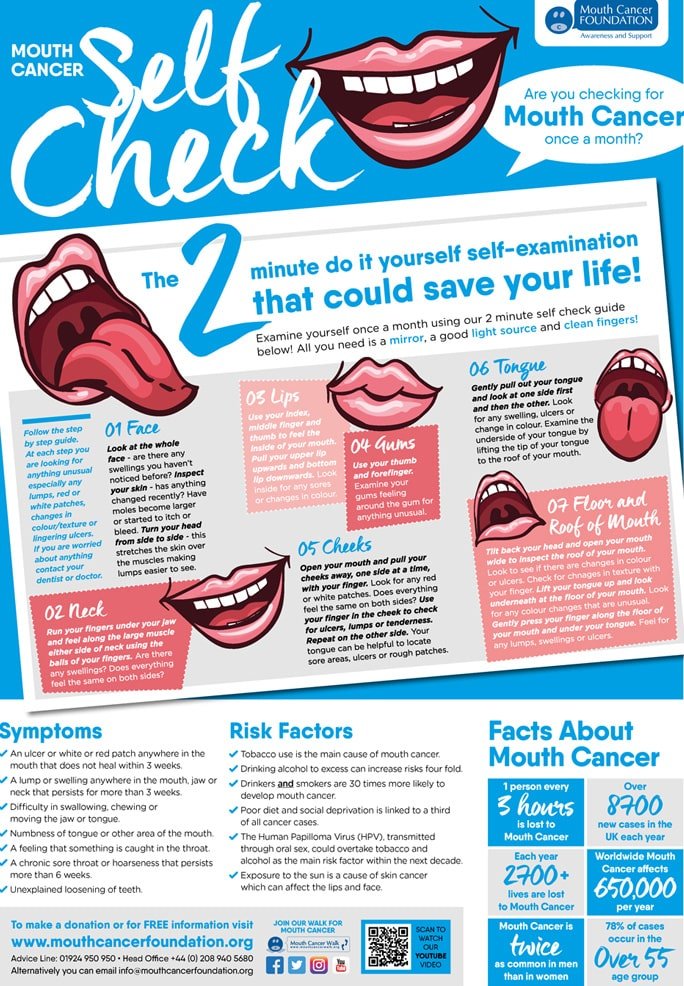
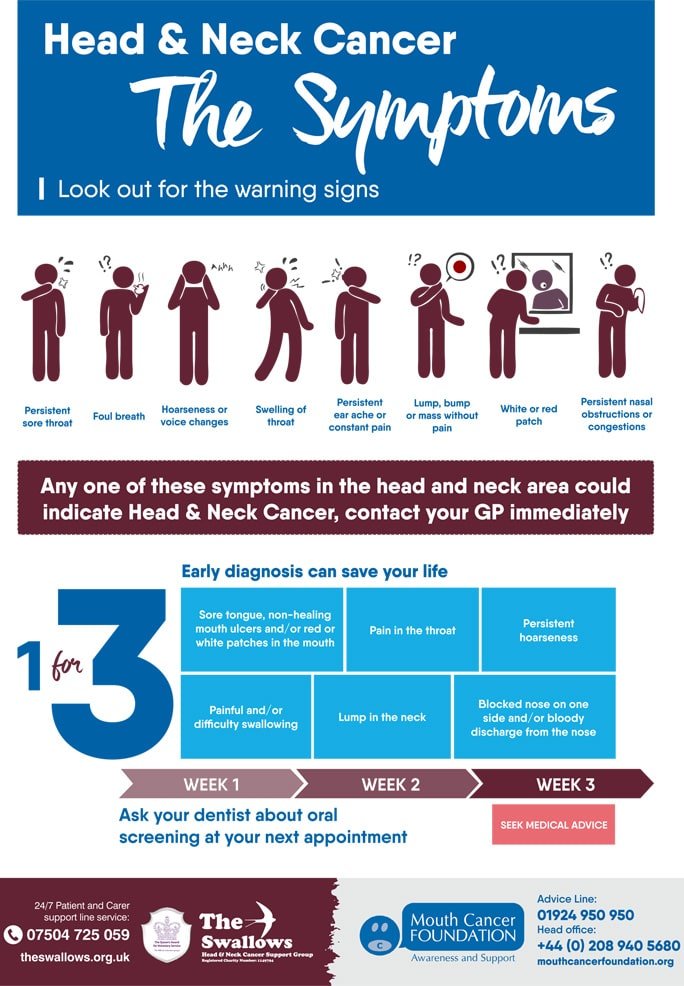
Symptoms of Mouth Cancer
Persistent mouth sores
One of the most common symptoms of mouth cancer is the presence of persistent mouth sores that do not heal within a reasonable timeframe. These sores may be accompanied by pain or tenderness.
Pain or discomfort in the mouth
Unexplained pain or discomfort in the mouth, tongue, or throat can be an early sign of mouth cancer. If the pain persists or worsens over time, it is important to seek medical attention.
Thickening or lumps in the mouth
The development of abnormal thickening or lumps in the mouth or along the lips, gums, or tongue can be indicative of mouth cancer. These lumps may be painless but should be evaluated by a healthcare professional.
White or red patches on the gums, tongue, or tonsils
The presence of white or red patches on the gums, tongue, or tonsils that do not go away can be a sign of mouth cancer. These patches may be accompanied by discomfort or bleeding.
Difficulty swallowing or chewing
Mouth cancer can cause difficulty or pain when swallowing or chewing food. This can be due to the presence of tumors or ulcerations in the mouth or throat.
Changes in voice or speech
Mouth cancer can affect the vocal cords and lead to changes in voice or speech. Hoarseness, persistent coughing, or difficulty speaking clearly should be evaluated by a medical professional.
Diagnosis of Mouth Cancer
Physical examination
A healthcare professional will perform a physical examination of the mouth, throat, and neck to look for any signs of mouth cancer. They will check for abnormal growths, lumps, or changes in the tissues.
Biopsy
To confirm a diagnosis of mouth cancer, a biopsy is usually performed. During a biopsy, a small sample of tissue is taken from the affected area and examined under a microscope for the presence of cancer cells.
Imaging tests (X-rays, CT scans, MRI)
Imaging tests, such as X-rays, CT scans, or MRI scans, may be used to determine the extent of the cancer and identify any spread to nearby lymph nodes or other structures.
Endoscopy
In some cases, an endoscopy may be performed to evaluate the throat and esophagus for signs of cancer. A thin, flexible tube with a camera on the end is inserted through the mouth and allows for a detailed examination of the internal structures.
PET scan
A positron emission tomography (PET) scan may be recommended to check for any spread of cancer to other parts of the body. This imaging test uses a radioactive tracer to detect abnormal cells.
Blood tests
Blood tests may be conducted to assess overall health and to look for any abnormalities that may indicate the presence of mouth cancer or its potential impact on the body.
Treatment Options for Mouth Cancer
Surgery
Surgery is often the primary treatment option for mouth cancer. The surgical procedure may involve removing the cancerous tumor, nearby lymph nodes, or affected tissue from the mouth or throat. In some cases, reconstructive surgery may be necessary to restore function and appearance.
Radiation therapy
Radiation therapy uses high-energy beams to target and destroy cancer cells. It is often used in combination with surgery or as the primary treatment option for patients who are unable to undergo surgery.
Chemotherapy
Chemotherapy involves the use of powerful drugs to kill cancer cells or control their growth. It may be used in combination with surgery or radiation therapy, or as the primary treatment option in cases of advanced mouth cancer.
Targeted therapy
Targeted therapy is a treatment approach that specifically targets cancer cells while minimizing damage to healthy cells. It may be used in certain cases of mouth cancer, depending on the specific characteristics of the disease.
Immunotherapy
Immunotherapy works by boosting the body’s immune system to better fight cancer cells. It may be used in some cases of mouth cancer to enhance the body’s natural defense mechanisms against the disease.
Supportive Care for Mouth Cancer Patients
Nutritional support
Maintaining proper nutrition is crucial for mouth cancer patients, as the disease and its treatments can affect appetite and the ability to eat. Nutritional support, such as dietary counseling or the use of supplemental feeding tubes, may be recommended to ensure adequate nourishment.
Pain management
Mouth cancer and its treatments can cause significant pain and discomfort. Pain management options, including medications and alternative therapies, can help alleviate pain and improve quality of life for patients.
Speech therapy
Mouth cancer can affect speech and swallowing. Speech therapy can help patients regain or improve their ability to speak and swallow effectively through targeted exercises and techniques.
Psychological counseling
A cancer diagnosis can be emotionally challenging for patients and their loved ones. Psychological counseling or support groups can provide an outlet for patients to express their fears and concerns, while also offering strategies for coping with the emotional impact of the disease.
Oral hygiene assistance
Proper oral hygiene is important for mouth cancer patients, but the disease and its treatments can make it difficult to maintain. Dental professionals can provide guidance and assistance with oral hygiene practices to prevent oral complications and maintain oral health.

Support Groups for Mouth Cancer Patients
Local support groups
Local support groups bring together mouth cancer patients, survivors, and caregivers in a supportive and understanding environment. These groups allow individuals to share experiences, receive emotional support, and exchange information about coping strategies.
Online support communities
Online support communities provide a virtual platform for individuals affected by mouth cancer to connect and share experiences. These communities offer a convenient and accessible way to access information, guidance, and emotional support.
Cancer support organizations
Cancer support organizations, such as the American Cancer Society or Cancer Research UK, offer a diverse range of resources for mouth cancer patients. These organizations provide information, support services, and access to educational materials that can be helpful throughout the cancer journey.
Financial Assistance for Mouth Cancer Treatment
Health insurance coverage
Health insurance coverage can help offset the costs of mouth cancer treatment. It is important to review insurance policies and understand what expenses are covered, including medications, treatments, and follow-up care.
Medicaid or Medicare
Medicaid and Medicare are government-funded health insurance programs designed to assist individuals who meet specific eligibility requirements. These programs can provide financial support for mouth cancer treatment for those who qualify.
Patient assistance programs
Pharmaceutical companies and nonprofit organizations often offer patient assistance programs that help individuals with the cost of cancer medications or treatments. These programs can provide financial relief for eligible patients.
Cancer foundations
Cancer foundations may provide financial assistance to eligible mouth cancer patients. These foundations might offer grants or assistance programs to help cover treatment costs and related expenses.
Resources for Coping with Mouth Cancer
Educational materials
Educational materials, such as brochures, pamphlets, and websites, offer detailed information about mouth cancer, its diagnosis, treatment options, and coping strategies. These resources can help patients and their families better understand the disease and make informed decisions.
Online forums and websites
Online forums and websites dedicated to mouth cancer provide a wealth of information, forums for discussion, and shared experiences. These resources can be valuable for patients seeking support, information, and connections with others in similar situations.
Books and publications
Books and publications written by experts in the field can provide in-depth knowledge and guidance for mouth cancer patients and their families. These resources may cover a wide range of topics, including treatment options, lifestyle changes, and emotional support.
Cancer research institutes
Cancer research institutes often conduct studies and clinical trials that can be relevant to mouth cancer patients. These institutes may provide access to cutting-edge treatments, as well as resources for patients seeking additional support and information.
Reconstruction and Rehabilitation Options
Dental rehabilitation
Mouth cancer treatments can have a significant impact on dental health. Dental rehabilitation can involve procedures such as dental implants or dentures to restore function and aesthetics to the mouth.
Speech and swallowing therapy
Mouth cancer can affect the ability to speak and swallow properly. Speech and swallowing therapy can help patients regain or improve these functions through targeted exercises and techniques.
Prosthetics and implants
Prosthetic devices, such as dental prostheses or voice prostheses, can be used to replace missing or damaged structures in the mouth. Implants may also be used to provide stability and support to prosthetic devices.
Facial reconstructive surgery
In cases where mouth cancer treatment requires the removal of a significant amount of tissue, facial reconstructive surgery may be necessary to restore appearance and function. These surgeries aim to rebuild the affected areas using various techniques and materials.
In conclusion, mouth cancer can have various types and risk factors. Early detection through recognizing symptoms and receiving a comprehensive diagnosis is crucial for effective treatment. Supportive care, support groups, and financial assistance resources can provide much-needed support for mouth cancer patients and their families. Additionally, a range of rehabilitation options is available to help patients regain their quality of life after treatment. With the right support and resources, individuals affected by mouth cancer can navigate their journey with confidence and resilience.