
Have you ever experienced that annoying eye twitch that just won’t seem to go away? It turns out, there may be a direct connection between stress and these pesky involuntary muscle spasms. In this article, we will explore the fascinating link between stress and eye twitching, shedding light on why this phenomenon occurs and offering some helpful tips to alleviate the discomfort. So sit back, relax, and let’s uncover the secrets behind your twitching eyes.
Understanding the Link Between Stress and Eye Twitching
What is Eye Twitching?
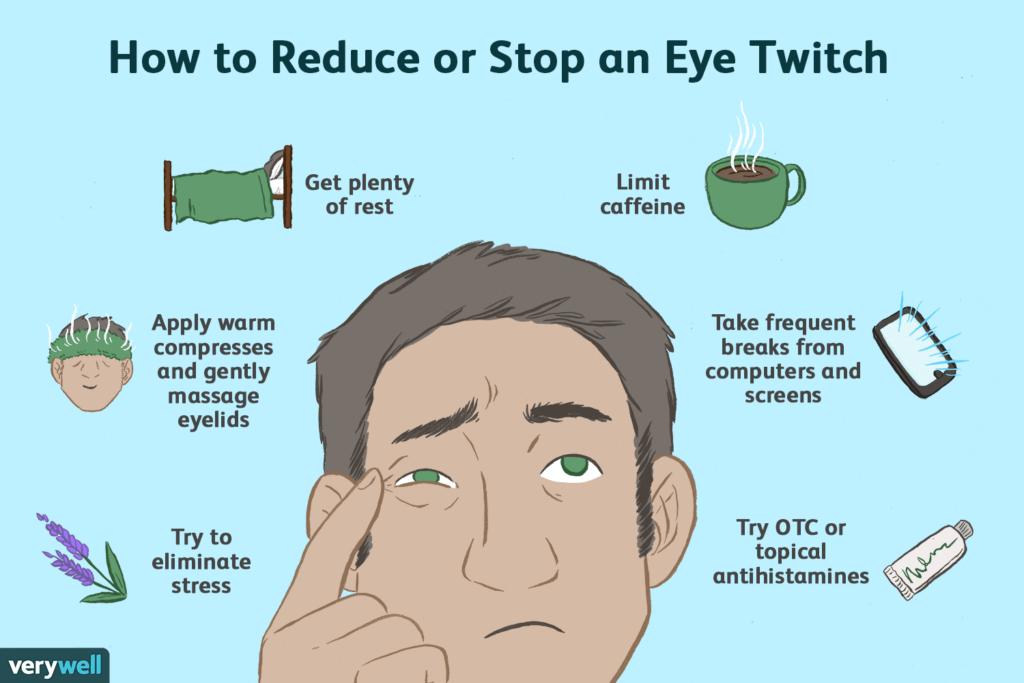
Eye twitching, also known as eyelid spasms or myokymia, refers to the involuntary muscle contractions that occur in the eyelid. These contractions typically happen in the upper or lower eyelid and may last for a few seconds or minutes. While eye twitching is usually harmless and temporary, it can become bothersome and concerning when it occurs frequently or for prolonged periods.
Causes of Eye Twitching
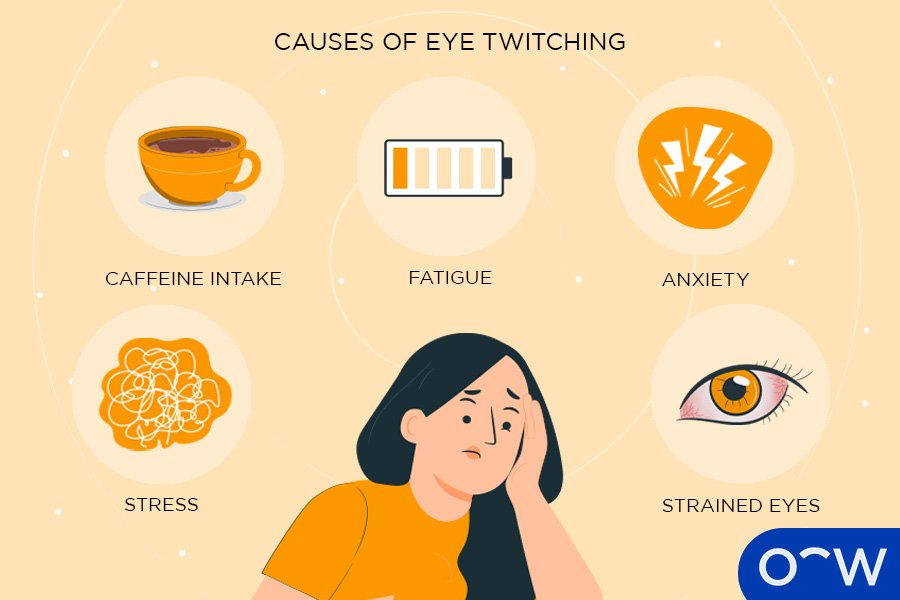
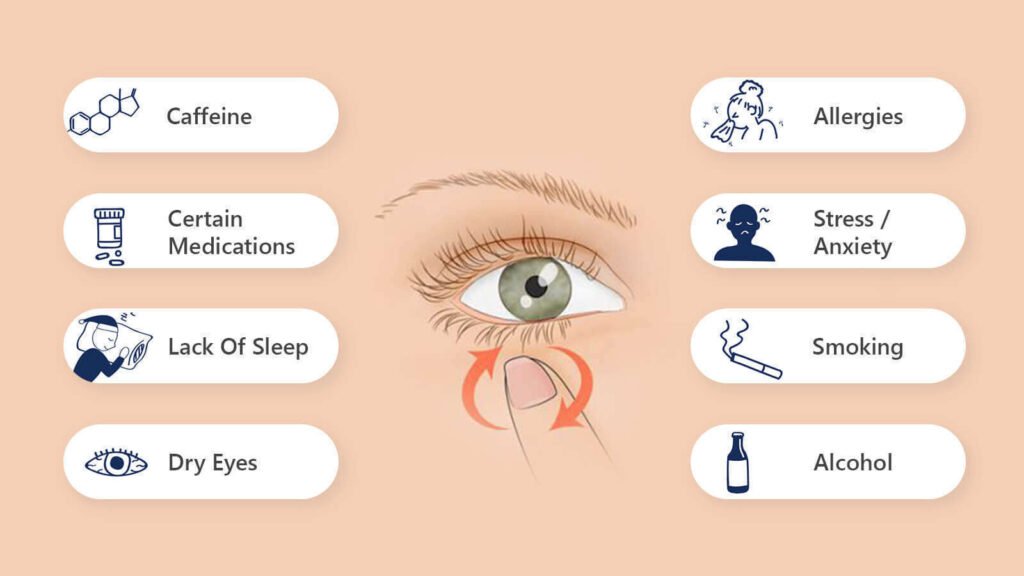
Eye twitching can have various causes, ranging from benign factors to underlying health conditions. Some common causes of eye twitching include fatigue, caffeine or alcohol consumption, eye strain, allergies, and nutritional deficiencies. However, one of the most significant triggers for eye twitching is stress.
Stress as a Common Trigger
Stress is a prevalent trigger of eye twitching, and it often exacerbates an individual’s susceptibility to involuntary muscle contractions in the eyelids. When you experience stress, your body undergoes a variety of physical and physiological changes, including an increase in muscle tension and the release of stress hormones like cortisol. These changes can lead to the development of eye twitching, as the muscles in your eyelids become more prone to spasms and involuntary movements.
Physiological Mechanism of Eye Twitching
Eye twitching is closely linked to the functioning of the nervous system. When you are under stress, your sympathetic nervous system, responsible for the “fight-or-flight” response, becomes activated. This triggers the release of stress hormones, which can affect the functioning of the nerves and muscles in your eyelids, leading to eye twitching.
Additionally, stress can also disrupt the balance of neurotransmitters in your brain, particularly the ones responsible for muscle movement control. Imbalances in these chemicals can result in muscle spasms, including those in the eyelids.
Effects of Chronic Stress on Eye Twitching
While occasional episodes of eye twitching may not be a cause for concern, chronic stress can worsen the frequency and intensity of these spasms. When stress becomes constant and persistent, your body enters a state of chronic stress, which can have a significant impact on your physical and mental well-being.
Chronic stress not only increases the likelihood of experiencing eye twitching but can also prolong the duration of these episodes. It may lead to heightened muscle tension, which can further exacerbate the twitching and contribute to its persistence. Moreover, the ongoing release of stress hormones can disrupt the proper functioning of your nervous system, causing the eye twitching to become a chronic condition.
Other Contributing Factors to Eye Twitching
While stress is a common trigger for eye twitching, it is important to consider other potential factors that may be contributing to the twitching. Some examples include:
Fatigue
Lack of sleep or chronic fatigue can strain your eyes and increase the likelihood of developing eye twitching.
Eye Strain
Extended periods of reading, using electronic devices, or engaging in visually demanding tasks can strain the muscles in your eyes, leading to eye twitching.
Caffeine and Alcohol
Excessive consumption of caffeine or alcohol can disrupt your sleep patterns and make you more prone to eye twitching.
Nutritional Deficiencies
Certain mineral deficiencies, such as magnesium or potassium, can affect the proper functioning of your muscles and contribute to eye twitching.
Ways to Manage Stress-Related Eye Twitching
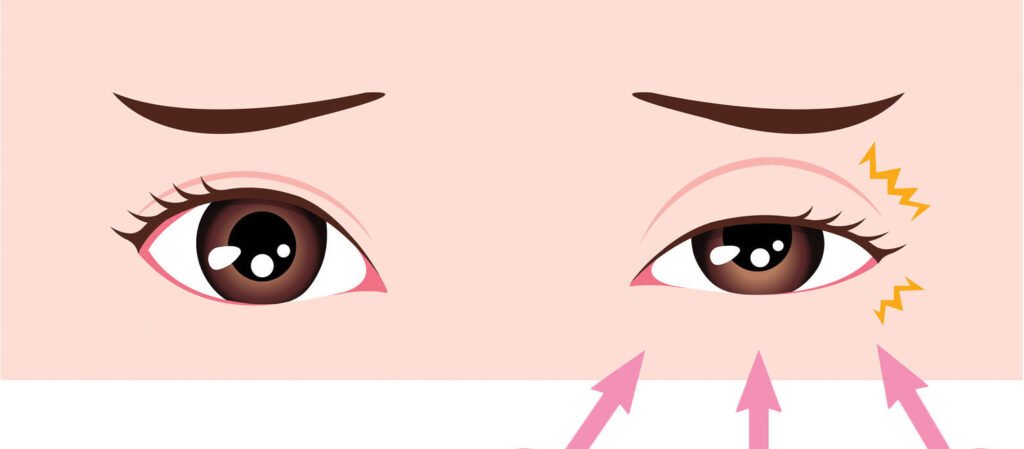
To effectively manage eye twitching caused by stress, it is crucial to address and reduce the underlying stress levels. Here are some strategies that can help:
Identify and Address Stressors
Take time to identify the sources of stress in your life and find ways to address them. This could involve making lifestyle changes, setting boundaries, or seeking support from loved ones or professionals.
Practice Stress Management Techniques
Incorporate stress management techniques into your daily routine. These may include deep breathing exercises, meditation, yoga, or engaging in hobbies and activities that bring you joy and relaxation.
Prioritize Self-Care
Make self-care a priority in your life. Ensure you are getting enough restful sleep, eating a balanced diet, and engaging in regular exercise. Taking care of your physical and mental well-being can help reduce stress levels and alleviate eye twitching.
Establish Healthy Boundaries
Learn to say “no” when necessary and set healthy boundaries to prevent excessive stress. Prioritize your own needs and well-being, and avoid overcommitting yourself.
Relaxation Techniques to Reduce Eye Twitching
In addition to stress management techniques, specific relaxation techniques can directly alleviate eye twitching symptoms. Consider incorporating the following techniques into your routine:
Warm Compress
Applying a warm compress to your eyes can help relax the muscles and relieve eye twitches. Simply soak a clean cloth in warm water, wring out the excess water, and gently place it over your closed eyelids for a few minutes.
Gentle Eye Massage
Massaging your eyelids and the surrounding area with clean fingertips can help relieve tension and relax the muscles. Use gentle circular motions to massage the area for a few minutes each day.
Healthy Lifestyle Changes to Prevent Eye Twitching
Besides stress management and relaxation techniques, making certain lifestyle changes can contribute to the prevention of eye twitching:
Get Sufficient Sleep
Ensure you are getting an adequate amount of sleep each night. Aim for 7 to 9 hours of restful sleep to keep your body and mind refreshed.
Limit Caffeine and Alcohol Consumption
Moderate your intake of caffeine and alcohol, as excessive consumption can disrupt your sleep patterns and increase the likelihood of eye twitching.
Stay Hydrated
Proper hydration is essential for overall health, including the health of your eyes and muscles. Drink enough water throughout the day to prevent dehydration.
Maintain a Balanced Diet
Eat a nutritious diet that includes a variety of fruits, vegetables, whole grains, and lean proteins. This ensures you are getting the necessary vitamins and minerals to support muscle function.
When to Seek Medical Attention
While eye twitching is typically harmless and resolves on its own, there are instances where medical attention may be necessary. Consult with a healthcare professional if:
- The eye twitching persists for more than a few weeks
- The twitching spreads to other areas of your face
- You experience redness, swelling, or discharge from the eye
- The twitching is accompanied by pain, vision changes, or sensitivity to light
Seeking medical advice is important to rule out any underlying medical conditions and ensure proper treatment if needed.
In conclusion, eye twitching can often be traced back to stress as a common trigger. By managing stress levels, incorporating relaxation techniques, and making necessary lifestyle changes, you can effectively reduce and prevent eye twitching. Remember to prioritize self-care and seek medical attention when necessary for optimal eye health and overall well-being.