Living with Ankylosing Spondylitis can present its fair share of challenges, but fear not, for this article is here to help you navigate through daily life with practical tips and techniques that can enhance your overall quality of life. From simple adjustments in your daily routine to effective management strategies, we will explore various ways you can improve your well-being while living with Ankylosing Spondylitis. So, sit back, relax, and let us guide you towards a more comfortable and fulfilling life.
1. Understanding Ankylosing Spondylitis
Ankylosing Spondylitis, also known as AS, is a chronic inflammatory condition that primarily affects the spine. Understanding this condition is crucial in managing its symptoms and improving your quality of life.
What is Ankylosing Spondylitis?
Ankylosing Spondylitis is a type of arthritis that specifically targets the joints in the spine. It causes inflammation, pain, and stiffness in the affected areas, leading to difficulty in mobility and daily activities. While the exact cause of AS is unknown, it is believed to be associated with genetic factors, specifically the presence of the HLA-B27 gene.
Causes of Ankylosing Spondylitis
As mentioned earlier, the exact cause of Ankylosing Spondylitis is not fully understood. However, research suggests that a combination of genetic and environmental factors play a role in its development. It is more common in individuals who have a family history of AS, indicating a genetic predisposition. Environmental factors such as infections may trigger the onset of the condition in genetically susceptible individuals.
Symptoms of Ankylosing Spondylitis
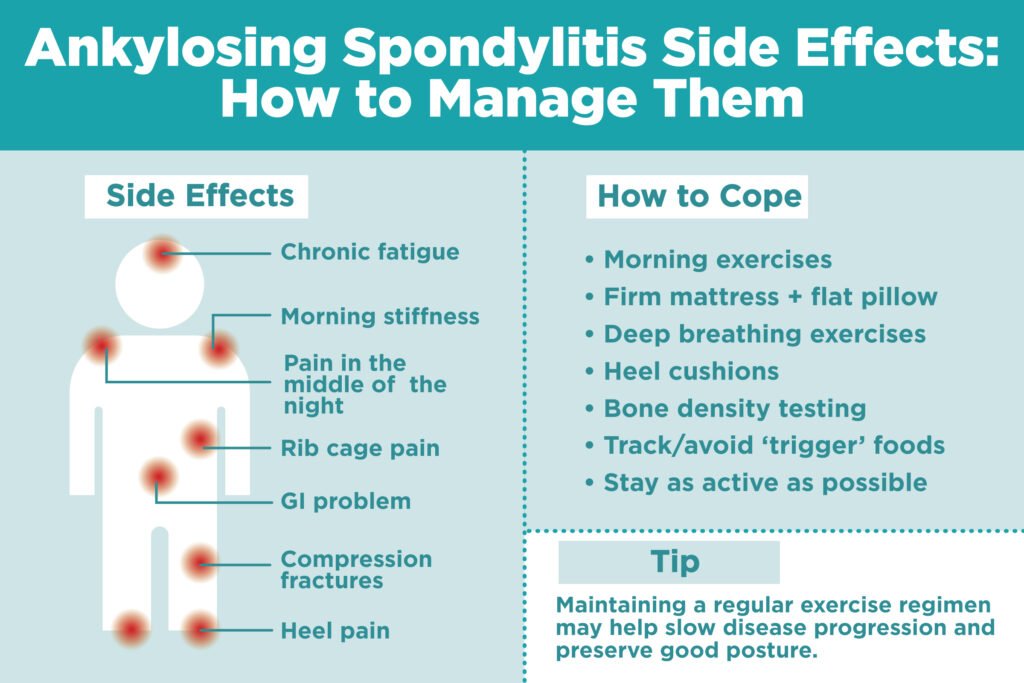
The symptoms of Ankylosing Spondylitis can vary from person to person but typically include pain and stiffness in the lower back, reduced flexibility in the spine, and fatigue. Other common symptoms may include joint pain and swelling in the hips, shoulders, and knees, as well as morning stiffness that improves with movement. In severe cases, AS can cause fusion of the spine, leading to a stooped posture and limited mobility.
Diagnosing Ankylosing Spondylitis
Diagnosing Ankylosing Spondylitis can be challenging as its symptoms often overlap with other conditions. A comprehensive evaluation by a healthcare professional is essential for an accurate diagnosis. Diagnostic tools such as physical examination, medical history, blood tests, and imaging studies like X-rays and magnetic resonance imaging (MRI) can aid in confirming AS. It is important to seek medical attention if you experience persistent symptoms to receive timely treatment and support.
2. Medical Treatments for Ankylosing Spondylitis
While there is currently no cure for Ankylosing Spondylitis, various medical treatments can help manage the symptoms and slow down the progression of the disease.
Medication for Pain and Inflammation
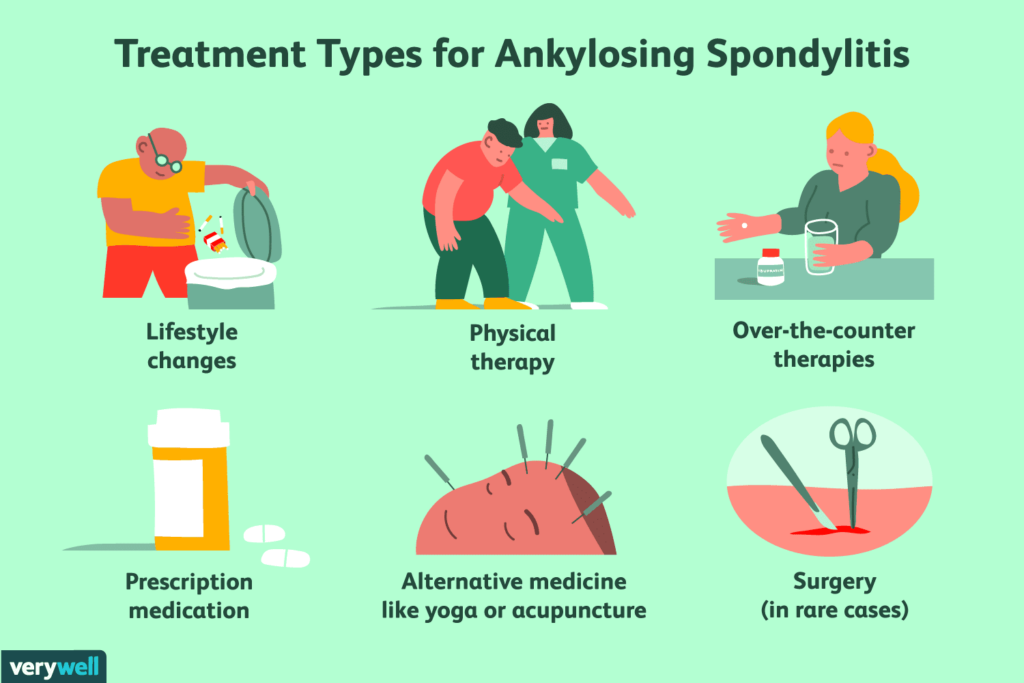
Nonsteroidal anti-inflammatory drugs (NSAIDs) are commonly used to relieve pain and reduce inflammation in individuals with Ankylosing Spondylitis. They can help alleviate symptoms and improve functionality. In some cases, your healthcare provider may prescribe stronger medications such as corticosteroids or disease-modifying antirheumatic drugs (DMARDs) to target the underlying inflammation.
Biologic Therapies
Biologic therapies, including tumor necrosis factor (TNF) inhibitors, are a class of medications specifically designed to target the immune system and reduce inflammation. These medications can be highly effective in managing the symptoms of Ankylosing Spondylitis, particularly for individuals who do not respond well to NSAIDs or other conventional treatments.
Physical Therapy and Exercise
Engaging in regular physical therapy and exercise is crucial in maintaining flexibility, strengthening muscles, and improving overall mobility. A physical therapist can design a customized exercise program that suits your specific needs and abilities. Stretching exercises, low-impact aerobic activities like swimming, and resistance training can all contribute to better joint health and decreased pain.
Surgery Options
In severe cases of Ankylosing Spondylitis where there is significant joint damage or spinal fusion, surgery may be considered. Surgical interventions such as joint replacement, spinal decompression, or spinal fusion can help alleviate pain, improve mobility, and correct deformities. It is important to consult with your healthcare provider to determine if surgery is necessary and to understand the potential risks and benefits.
3. Making Lifestyle Changes
In addition to medical interventions, making certain lifestyle changes can greatly improve your daily life with Ankylosing Spondylitis.
Diet and Nutrition
While there is no specific diet that has been proven to cure or prevent Ankylosing Spondylitis, maintaining a healthy and balanced diet can support overall well-being. Consuming a variety of fruits, vegetables, whole grains, and lean proteins can provide essential vitamins, minerals, and antioxidants, which may help reduce inflammation. It is also recommended to limit processed foods, sugar, and unhealthy fats, as they can exacerbate symptoms.
Exercise and Stretching
Regular exercise and stretching are important components of managing Ankylosing Spondylitis. Gentle exercises that promote flexibility, such as swimming, yoga, and tai chi, can help relieve stiffness, strengthen muscles, and improve posture. It is essential to consult with a healthcare professional or a physical therapist to develop an exercise routine tailored to your specific needs and limitations.
Posture and Ergonomics
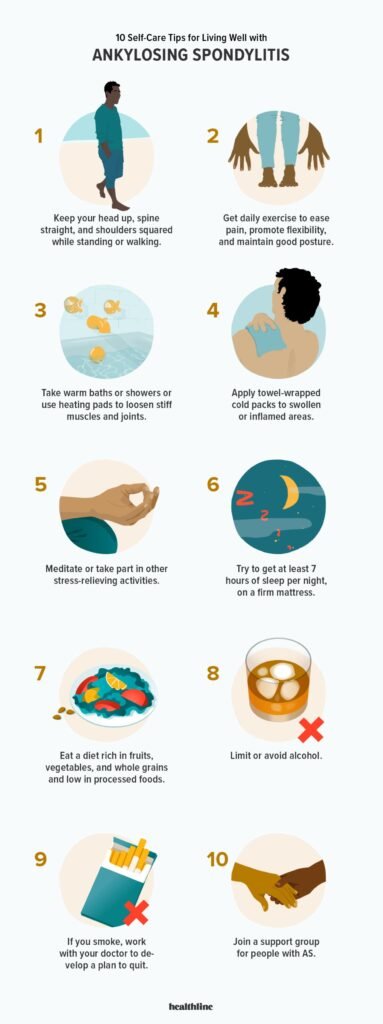
Maintaining good posture and practicing proper ergonomics can greatly reduce strain on your spine and joints. When sitting or standing, try to keep your back straight and avoid slouching. Investing in ergonomic chairs, pillows, or standing desks can provide additional support and help maintain correct posture. Consider talking to an occupational therapist for guidance on optimizing your workspace and daily activities.
Managing Stress
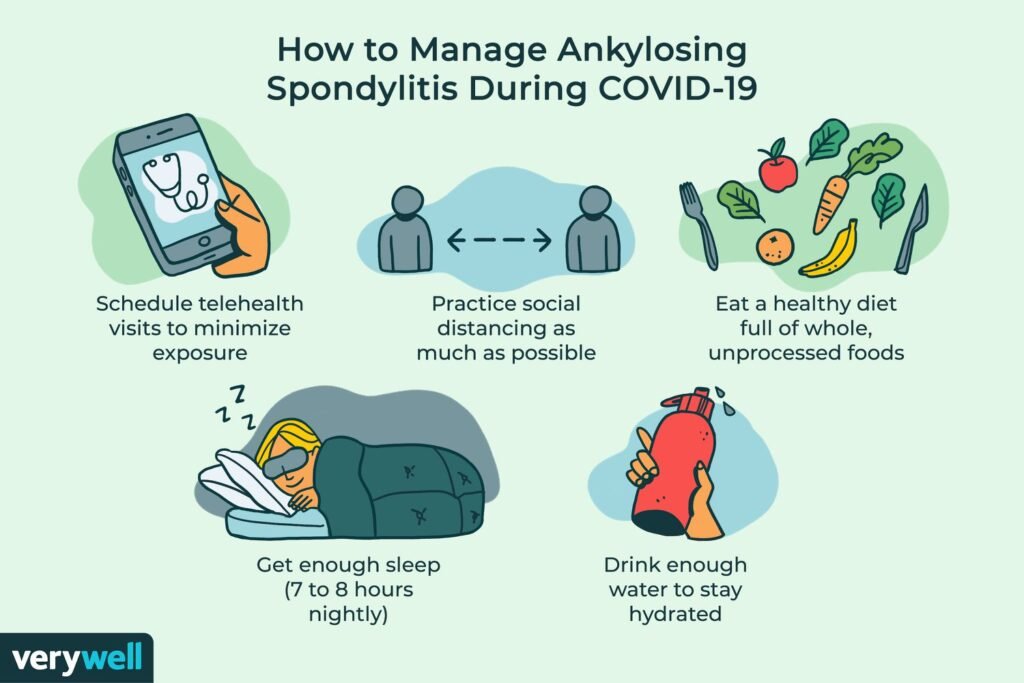
Stress can exacerbate symptoms of Ankylosing Spondylitis and contribute to increased pain and inflammation. Finding effective stress management techniques, such as meditation, deep breathing exercises, or engaging in hobbies, can significantly improve your overall well-being. It is also important to establish healthy boundaries, prioritize self-care, and seek support from loved ones or mental health professionals when needed.
Getting Enough Sleep
Adequate sleep is vital for managing the symptoms of Ankylosing Spondylitis. Establishing a consistent sleep schedule, creating a comfortable sleep environment, and practicing relaxation techniques before bed can help promote restful sleep. If you are experiencing difficulties sleeping, consult with your healthcare provider for further evaluation and potential recommendations.
Quitting Smoking
Smoking has been linked to increased inflammation and disease progression in individuals with Ankylosing Spondylitis. Quitting smoking can not only improve your overall health but may also help reduce the severity and progression of the condition. If you need assistance in quitting smoking, consult with your healthcare provider for resources and support.
Avoiding Alcohol
Alcohol consumption can potentially interact with certain medications used to manage Ankylosing Spondylitis and may exacerbate symptoms such as fatigue. It is important to consume alcohol in moderation, if at all, and to discuss any concerns with your healthcare provider.
4. Adaptations for Daily Activities
Living with Ankylosing Spondylitis may require certain adaptations to make daily activities more manageable and comfortable.
Assistive Devices for Mobility
Depending on the severity of your symptoms, assistive devices such as canes, crutches, or walking aids may be beneficial in improving mobility and reducing strain on your joints. Consult with an occupational therapist or physical therapist to determine the most appropriate assistive device for your specific needs.
Driving with Ankylosing Spondylitis
Driving can be challenging for individuals with Ankylosing Spondylitis, especially if the condition affects the spine or hips. Making adjustments to your vehicle, such as using seat cushions or lumbar support, can help maintain proper posture and reduce discomfort. It is important to find a comfortable driving position and take regular breaks during long journeys to prevent stiffness and fatigue.
Home Modifications
Modifying your home environment can make daily tasks easier and minimize strain on your joints. Installing grab bars in the bathroom, using adaptive tools for cooking and cleaning tasks, and optimizing the layout of furniture to promote good posture are some examples of home modifications that can enhance your quality of life. Occupational therapists can provide valuable recommendations on how to modify your home to suit your specific needs.
Workplace Accommodations
Discussing your condition with your employer and requesting workplace accommodations can significantly improve your ability to perform your job tasks. Adjustments such as ergonomic chairs, standing desks, regular breaks, or flexible work schedules can help alleviate pain and enhance productivity. Consult with a healthcare professional or occupational therapist for assistance in navigating workplace accommodations.
Travel Tips
Traveling with Ankylosing Spondylitis may require additional planning and preparation. Prioritize comfort during travel by selecting appropriate seating options, bringing necessary assistive devices, and packing essential medications or pain relief strategies. Planning frequent rest breaks and engaging in gentle stretching exercises during long trips can help manage stiffness and reduce discomfort.
5. Support and Resources
Living with Ankylosing Spondylitis can be challenging, but you do not have to face it alone. Various support networks and resources are available to provide assistance and guidance.
Support Groups and Online Communities
Joining support groups or online communities specifically for individuals with Ankylosing Spondylitis can offer a sense of understanding, connection, and shared experiences. Sharing your concerns, seeking advice, and providing support to others can be invaluable in navigating the challenges of living with this condition.
Healthcare Professionals
Building a strong healthcare team that includes rheumatologists, physical therapists, occupational therapists, and other specialists is crucial in managing Ankylosing Spondylitis. Regular follow-up appointments, open communication, and collaboration with your healthcare providers can help ensure comprehensive care and address any concerns or changes in your condition.
Counseling and Mental Health Support
Living with a chronic condition like Ankylosing Spondylitis can impact your emotional well-being. Seeking counseling or joining support groups that focus on mental health can provide valuable tools for coping with the emotional challenges you may encounter. Mental health professionals can offer strategies for managing anxiety, depression, frustration, and limitations associated with the condition.
Financial Assistance Programs
Managing the financial burden associated with Ankylosing Spondylitis can be overwhelming. Research and explore financial assistance programs, insurance coverage options, and disability benefits that may be available to help alleviate financial stress. Consulting with a financial advisor or seeking guidance from patient advocacy organizations can provide valuable information and support in navigating these areas.
6. Coping Strategies
Coping with Ankylosing Spondylitis involves a combination of physical and emotional strategies. Implementing coping strategies can help you maintain a positive outlook and better manage your condition.
Pacing and Planning Activities
Learning to pace yourself and balance your activities can prevent overexertion and minimize fatigue. Prioritizing tasks, breaking them into manageable segments, and incorporating regular rest periods can help conserve energy and avoid exacerbating symptoms. Planning ahead and organizing your schedule can also contribute to a sense of control and reduce stress.
Energy Conservation Techniques
Conserving energy is essential in managing Ankylosing Spondylitis. Simple techniques such as sitting rather than standing for tasks, using assistive devices when necessary, and delegating tasks to others can help minimize fatigue and preserve energy for activities that are most meaningful to you.
Mindfulness and Relaxation
Practicing mindfulness and relaxation techniques can help reduce stress, promote self-awareness, and improve overall well-being. Techniques such as deep breathing exercises, meditation, guided imagery, or engaging in enjoyable activities can provide moments of calm and perspective when facing the challenges associated with Ankylosing Spondylitis.
Maintaining a Positive Attitude
Maintaining a positive attitude can greatly impact your overall well-being and quality of life. Focusing on your strengths, achievements, and the things you can do, rather than solely on limitations, can foster resilience and improve your ability to cope with the challenges of living with Ankylosing Spondylitis. Surrounding yourself with a support system of loved ones who uplift and encourage you can further enhance this positive mindset.
Seeking Emotional Support
Seeking emotional support from loved ones or professional counselors is vital in managing the emotional impact of living with Ankylosing Spondylitis. Sharing your feelings, concerns, and frustrations with trusted individuals can provide a sense of relief and understanding. Sometimes, seeking therapy or counseling can provide valuable tools and techniques for coping with the emotional aspects of the condition.

7. Relationships and Communication
Ankylosing Spondylitis can influence various aspects of your relationships and communication. Open and honest communication plays a crucial role in maintaining healthy and supportive relationships.
Explaining Ankylosing Spondylitis to Loved Ones
Educating your loved ones about Ankylosing Spondylitis can help them understand your condition and provide support. Share information about the nature of the condition, its impact on daily life, and any restrictions or adaptations you may require. Encourage open dialogue and answer any questions your loved ones may have about your condition.
Maintaining Intimacy
Ankylosing Spondylitis can introduce physical limitations that may impact intimacy and sexual relationships. Openly communicating with your partner about your needs, desires, and any challenges you may face can promote understanding and compassion. Exploring alternative positions, utilizing assistive devices, and seeking guidance from healthcare professionals or counselors specializing in sexual health can help maintain intimacy and strengthen your relationship.
Setting Boundaries
Setting boundaries is important in managing the impact of Ankylosing Spondylitis on your relationships and daily life. Communicate your limitations and needs clearly, and assertively express your boundaries to ensure that you are not overexerting yourself or engaging in activities that may worsen your condition. Learning to say no when necessary and prioritizing self-care is essential in maintaining your well-being.
Self-Advocacy
Advocating for yourself and your needs is crucial when living with Ankylosing Spondylitis. Be proactive in seeking appropriate healthcare, requesting accommodations at work or in public places, and asserting your needs and preferences. Develop self-advocacy skills by staying informed about your condition, communicating effectively with healthcare professionals, and understanding your rights and entitlements.
8. Managing Flares and Pain
Flares and pain are common aspects of living with Ankylosing Spondylitis. Developing effective strategies for managing flares and pain can greatly enhance your quality of life.
Recognizing Flare Triggers
Understanding the triggers that may cause an Ankylosing Spondylitis flare can empower you to make proactive choices in managing your condition. Common triggers include stress, overexertion, lack of sleep, infections, and exposure to cold weather. Keeping a symptom diary can help identify patterns and triggers, and enable you to make necessary adjustments to prevent or manage flares.
Pain Management Techniques
Various pain management techniques can help alleviate discomfort associated with Ankylosing Spondylitis. Applying heat or cold therapy to affected joints, taking warm baths, and using over-the-counter pain relievers can provide temporary relief. Consult with your healthcare professional for guidance on appropriate pain management strategies and medications for your specific situation.
Hot and Cold Therapy
Applying heat or cold to affected joints and muscles can help relieve pain and inflammation associated with Ankylosing Spondylitis. Warm showers, heating pads, or hot packs can relax muscles and promote circulation, whereas cold packs or ice packs can numb the affected areas and reduce swelling. Experiment with different temperatures and modalities to determine what works best for you.
Over-the-Counter Remedies
Over-the-counter pain relievers, such as nonsteroidal anti-inflammatory drugs (NSAIDs) or topical creams, can provide temporary relief for mild to moderate pain associated with Ankylosing Spondylitis. However, it is important to consult with your healthcare provider before starting any new medications and to use these remedies according to the recommended dosage and guidelines.
When to Seek Medical Help
While managing pain and flares with self-care strategies is important, it is crucial to know when to seek medical help. If your pain becomes severe, persistent, or is accompanied by other concerning symptoms, it is important to consult with your healthcare provider. They can assess your condition, adjust your treatment plan, and provide appropriate medical interventions to manage your symptoms effectively.
9. Emotional Well-being
Living with Ankylosing Spondylitis can impact your emotional well-being. It is important to prioritize self-care and engage in activities that promote mental and emotional health.
Dealing with Anxiety and Depression
Ankylosing Spondylitis can contribute to the development of anxiety and depression. If you are experiencing symptoms such as persistent sadness, loss of interest, changes in appetite or sleep patterns, or overwhelming feelings of worry or fear, it is important to seek support from mental health professionals. Therapy, medication, and lifestyle changes can help manage anxiety and depression effectively.
Coping with Frustration and Limitations
Living with the limitations and challenges of Ankylosing Spondylitis can be frustrating. It is essential to acknowledge and accept your limitations while focusing on areas within your control. Engaging in relaxation techniques, seeking emotional support, and practicing self-compassion can help cope with frustration and prevent feelings of helplessness.
Self-Care Activities
Engaging in self-care activities can help enhance your emotional well-being. Find activities that bring you joy, relaxation, and a sense of fulfillment. It may involve pursuing hobbies, engaging in creative outlets, spending time in nature, practicing mindfulness, or simply taking time for yourself. Prioritize self-care as an essential aspect of managing Ankylosing Spondylitis.
Engaging in Hobbies and Interests
Continuing to engage in hobbies and interests, even with adaptations, can promote a sense of fulfillment and joy. Explore activities that align with your abilities and preferences. Whether it is playing a musical instrument, painting, gardening, or pursuing other creative endeavors, finding joy in hobbies can contribute to an overall sense of well-being.
10. Planning for the Future
While living with Ankylosing Spondylitis requires daily management, planning for the future is important to ensure long-term well-being and preparedness.
Long-Term Care Considerations
As Ankylosing Spondylitis is a progressive condition, it is essential to consider long-term care needs. Stay informed about available resources and support systems such as home healthcare services, long-term care facilities, and community programs that can offer assistance and support as the condition progresses. Discuss your options with healthcare providers and loved ones to make informed decisions about your future care.
Financial Planning
Considering the potential impact of Ankylosing Spondylitis on your financial well-being is essential. Planning for medical expenses, potential disability, and modifications to your living environment can help alleviate financial stress. Consult with a financial advisor to discuss strategies for saving, insurance coverage, and investing in long-term financial stability.
Preparing for Disability
Ankylosing Spondylitis can sometimes result in disability that affects your ability to work or perform daily activities. It is important to be aware of your rights and entitlements, such as disability benefits and workplace accommodations. Seeking legal advice and educating yourself on disability laws and policies can ensure that you receive the support and resources you need.
Advance Directives
Preparing advance directives, such as a living will or medical power of attorney, is important for future planning. These documents outline your preferences regarding medical treatment, end-of-life care, and who will make decisions on your behalf if you are unable to communicate. Discussing your wishes with loved ones and consulting with legal professionals can help ensure that your choices are respected and honored.
Living with Ankylosing Spondylitis requires an understanding of the condition, appropriate medical treatments, lifestyle changes, and support. By implementing strategies to manage symptoms, optimizing your physical and mental well-being, and planning for the future, you can improve your quality of life and experience a fulfilling and meaningful journey with Ankylosing Spondylitis. With the right support and resources, you can navigate the challenges of living with this condition and embrace a positive and empowered approach to your health and well-being.