It’s no secret that digital screens have become an integral part of our daily lives. From smartphones to tablets to computer monitors, we rely on these screens for work, entertainment, and communication. However, have you ever stopped to think about the toll they may be taking on your eyes? In this article, we will explore the fascinating connection between digital screens and eye fatigue. Whether you experience dryness, blurriness, or strain after hours of screen time, understanding this link is essential for maintaining healthy eyesight in our increasingly digital world. Stay tuned to discover simple tips and tricks to keep your eyes refreshed and energized, even in the midst of heavy screen use.
The Link Between Digital Screens and Eye Fatigue
Eye fatigue is a common problem that many people experience as a result of prolonged use of digital screens. Whether you spend hours working on a computer, scrolling through your phone, or watching TV, your eyes can become strained and tired. Understanding the causes, symptoms, and impact of eye fatigue is crucial in order to prevent and alleviate this uncomfortable condition. In this article, we will explore the various factors that contribute to eye fatigue, the prevalence of this issue in today’s digital age, ways to prevent and alleviate eye fatigue, technological solutions that can help, recommended screen time for different age groups, the role of optometry and ophthalmology in maintaining eye health, and the need for educational and workplace adjustments. Additionally, we will discuss future research and developments focused on finding innovative ways to protect our eyes from the adverse effects of digital screens.
Causes of Eye Fatigue
-
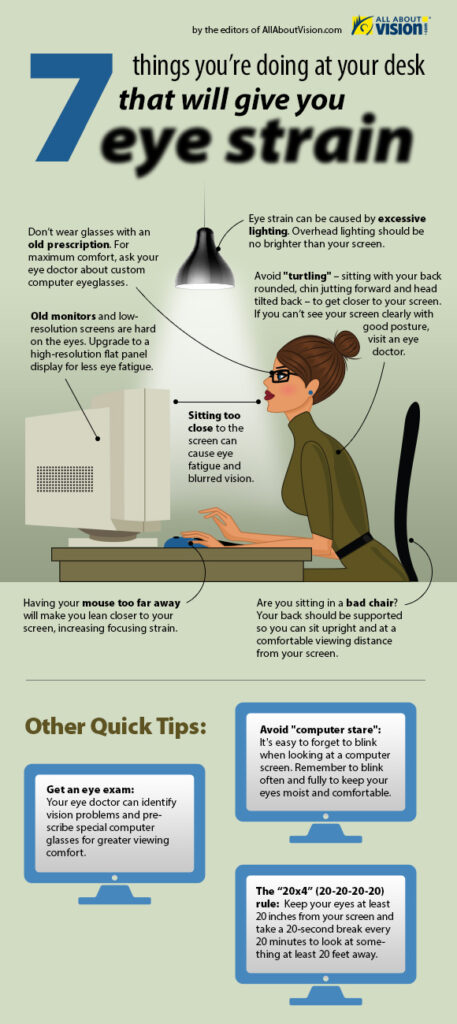
Blue Light Emission: One of the primary culprits behind eye fatigue is the blue light emitted by digital screens. The high-energy blue light can penetrate deep into the eye and cause strain on the ciliary muscles responsible for focusing. This can lead to eye strain and discomfort.
-
Glare: Glare from bright lights or reflections on the screen can also contribute to eye fatigue. When the eyes are constantly adjusting to different levels of brightness, it puts a strain on the eye muscles and can lead to discomfort.
-
Screen Brightness: Adjusting the brightness of your screen is essential to prevent eye fatigue. Screens that are too bright can cause the eyes to work harder than necessary, while screens that are too dim can strain the eyes to see clearly.
-
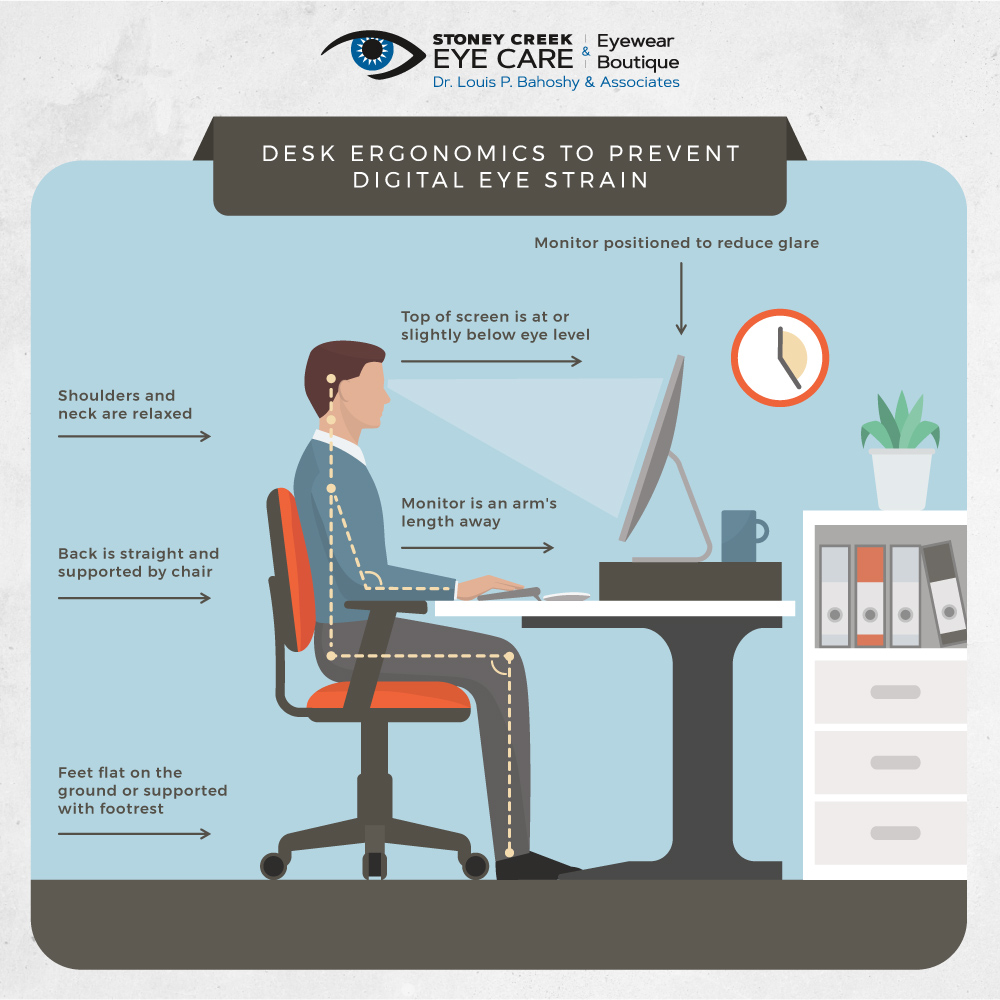
Poor Visual Ergonomics: Using digital screens that are not properly positioned or set up can put unnecessary strain on your eyes. Poor posture, incorrect viewing distances, and awkward screen angles can all contribute to eye fatigue.
Symptoms of Eye Fatigue
Recognizing the symptoms of eye fatigue is crucial in order to address the issue promptly. Some of the most common symptoms include:
-
Eye Strain: The most obvious symptom of eye fatigue is eye strain. You may experience a sensation of tiredness, discomfort, or even pain in and around your eyes.
-
Dry Eyes: Prolonged screen time can reduce the blink rate, leading to dry eyes. This can cause discomfort, itching, and a gritty feeling in the eyes.
-
Blurred Vision: If you notice your vision becoming blurry while using digital screens, it may be a sign of eye fatigue. This blurriness can persist even after you’ve stopped using the screens.
-
Headaches: Eye fatigue can also manifest as headaches, especially if you’re straining your eyes to focus on the screen for long periods of time.
-
Neck and Shoulder Pain: Poor posture while using digital screens can cause tension in your neck and shoulder muscles, leading to discomfort and pain.
Prevalence of Eye Fatigue
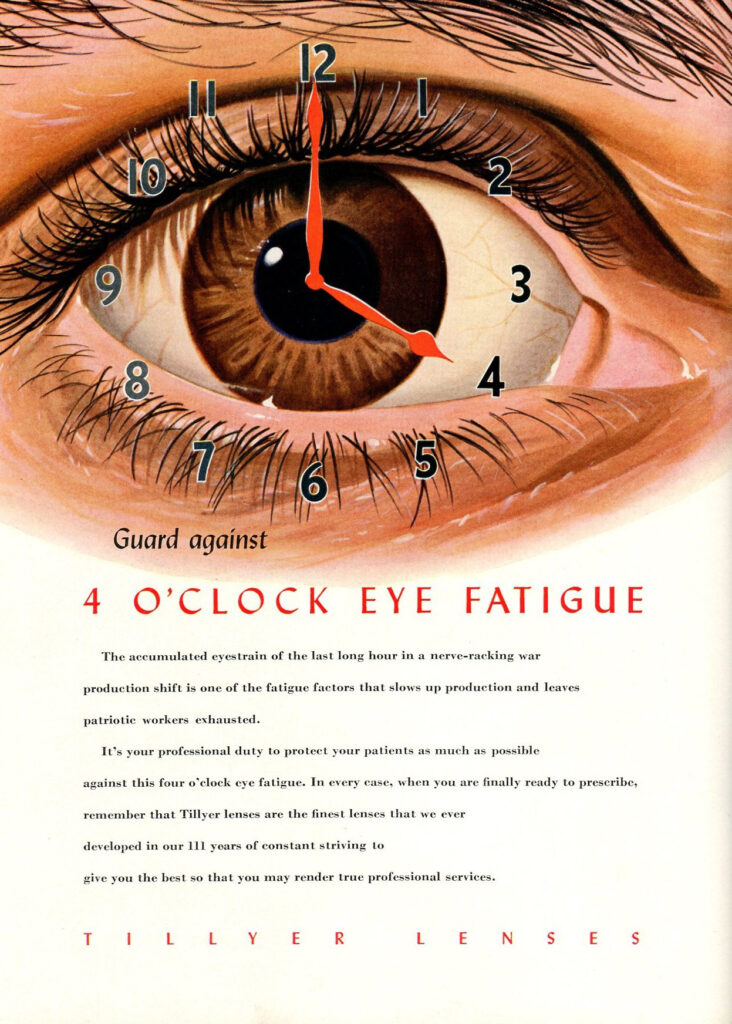
The increased reliance on digital devices has resulted in longer screen times for individuals of all ages. Whether it’s for work, school, or entertainment, we are spending more time in front of screens than ever before. This has significantly contributed to the prevalence of eye fatigue in today’s society. Factors that contribute to the high prevalence of eye fatigue include:
-
Increasing Screen Time: With the rise of remote work, online learning, and digital entertainment, people are spending countless hours in front of screens. This increased screen time leads to a higher risk of developing eye fatigue.
-
Digital Device Usage Patterns: The way we use digital devices also contributes to the prevalence of eye fatigue. Continuous scrolling and frequent use of devices without breaks can put excessive strain on the eyes.
Impact of Digital Screens on Eye Health
Both short-term and long-term effects on eye health are associated with prolonged use of digital screens.
-
Short-Term Effects: In the short term, eye fatigue can cause discomfort and impact your productivity and performance. You may experience a decrease in concentration and an overall feeling of tiredness.
-
Long-Term Effects: Prolonged exposure to digital screens can have long-term effects on eye health. Studies have suggested a possible link between excessive screen time and an increased risk of developing age-related macular degeneration (AMD), cataracts, and digital eye strain.
Preventing and Alleviating Eye Fatigue
Fortunately, there are several measures you can take to prevent and alleviate eye fatigue:
-
Adjusting Screen Settings: Adjusting the brightness and contrast settings of your screen can reduce eye strain. Opting for a warmer color temperature and reducing the blue light emission can also be helpful.
-
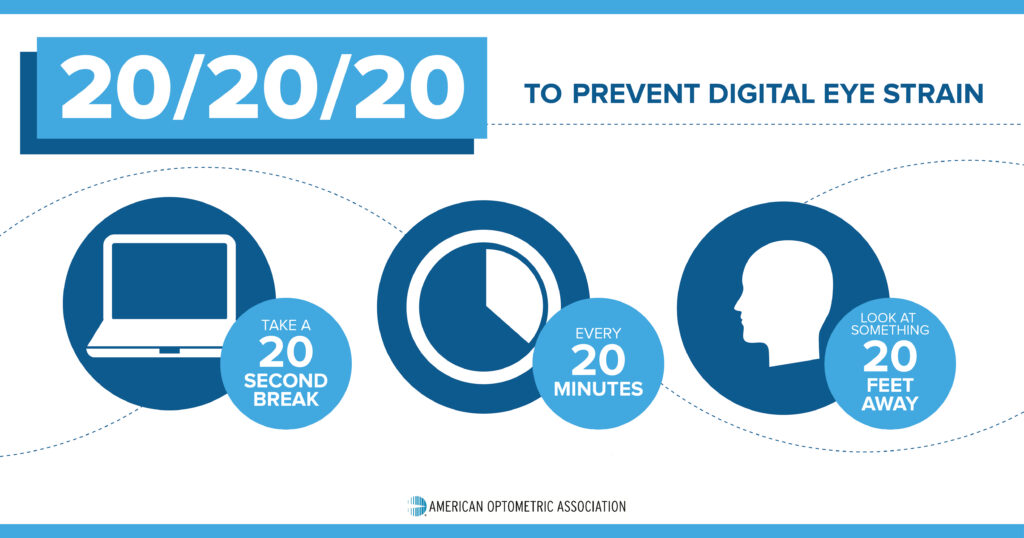
Employing the 20-20-20 Rule: Take regular breaks by following the 20-20-20 rule. Every 20 minutes, look away from the screen and focus on an object at least 20 feet away for 20 seconds. This helps relax the eye muscles.
-
Taking Regular Breaks: Schedule regular breaks throughout your day to give your eyes a break from screen time. Use this time to stretch, move around, and rest your eyes by focusing on distant objects.
-
Using Eye Drops: If you frequently experience dry eyes, using lubricating eye drops can provide relief and keep your eyes moisturized.
-
Maintaining Good Lighting: Ensure that your workspace has proper lighting to reduce eye strain. Avoid working in overly bright or dimly lit environments.
-
Practicing Visual Ergonomics: Pay attention to your posture and make sure your screen is at eye level. Positioning the screen at a comfortable distance can reduce strain on your eyes.
Technological Solutions for Eye Fatigue
Technological advancements have led to the development of various solutions to mitigate the effects of eye fatigue:
-
Blue Light Filters: Many devices now come equipped with blue light filters that reduce the amount of blue light emitted from the screen. These filters can help reduce eye strain and promote better sleep.
-
Night Mode: Night mode reduces the color temperature of your screen, giving it a warmer tone that is easier on the eyes, especially in low-light conditions.
-
Text-to-Speech Capability: Text-to-speech features can be beneficial for individuals with visual fatigue. Instead of reading text on the screen, you can have it read aloud to reduce eye strain.
-
Dark Mode: Dark mode changes the color scheme of your device’s interface to predominantly dark colors, reducing the overall brightness and minimizing eye strain.
Screen Time Recommendations for Different Age Groups
Considering the varying visual development and sensitivity of different age groups, it is important to adhere to appropriate screen time recommendations:
-
Infants and Toddlers: Screen time should be avoided for infants under 18 months, except for video chatting. For toddlers aged 18-24 months, screen time should be limited to high-quality educational content, with parental supervision.
-
Preschoolers: Limit screen time to 1 hour per day for children aged 2-5 years. Focus on educational and age-appropriate content, and encourage active engagement with the screen.
-
School-Age Children: For children aged 6-12 years, screen time should be limited to 2 hours per day. Encourage balanced activities that also include physical exercise and social interactions.
-
Teens: Teens aged 13-18 years should aim for no more than 2 hours of recreational screen time per day. Establishing a healthy balance between screen time, physical activity, and social interactions is essential.
-
Adults: While there are no specific guidelines for adults, it is important to be mindful of your screen time and take regular breaks to prevent eye fatigue.
The Role of Optometry and Ophthalmology
Optometry and ophthalmology play vital roles in maintaining and promoting eye health in the digital age:
-
Screen Time-Related Eye Examinations: Regular eye examinations can help identify any underlying eye conditions exacerbated by excessive screen time. Optometrists and ophthalmologists can provide valuable insights and recommendations for preventive measures.
-
Eye-Friendly Approaches in Optical Correction: Proper optical correction, such as wearing prescription glasses or contact lenses, can minimize eye strain and help alleviate the symptoms of eye fatigue.

Educational and Workplace Adjustments for Eye Health
There is a need for adjustments and considerations in educational and workplace settings to promote good eye health:
-
Eye-Friendly Classroom Design: Ensuring proper lighting, minimizing glare, and providing appropriate screen positions in classrooms can reduce the risk of eye fatigue and promote healthy vision among students.
-
Ergonomic Workspace Arrangement: Employers should prioritize ergonomics in the workplace, including proper screen height and angle, adjustable chairs, and good lighting to reduce the risk of eye fatigue and musculoskeletal strain.
Future Research and Developments
Ongoing research continues to explore new ways to protect our eyes from the adverse effects of digital screens:
-
Advancements in Digital Screen Technologies: Scientists and engineers are working on developing screens that emit less blue light, have improved anti-glare properties, and provide better visual ergonomics to mitigate eye fatigue.
-
Investigating the Efficacy of Eye Protection Measures: Researchers are conducting studies to determine the effectiveness of various eye protection measures, such as blue light filters and screen time restrictions, in preventing eye fatigue and related eye health issues.
In conclusion, eye fatigue is a prevalent issue in today’s digital age, primarily caused by factors such as blue light emission, glare, screen brightness, and poor visual ergonomics. By recognizing the symptoms and understanding the impact of prolonged screen time on eye health, we can take preventive measures and alleviate eye fatigue. Technological solutions, appropriate screen time recommendations for different age groups, the roles of optometry and ophthalmology, educational and workplace adjustments, and ongoing research efforts are all vital in promoting and maintaining healthy vision in the digital era. Remember to be mindful of your eye health and prioritize regular breaks, proper screen settings, and ergonomic practices to keep your eyes comfortable and healthy.