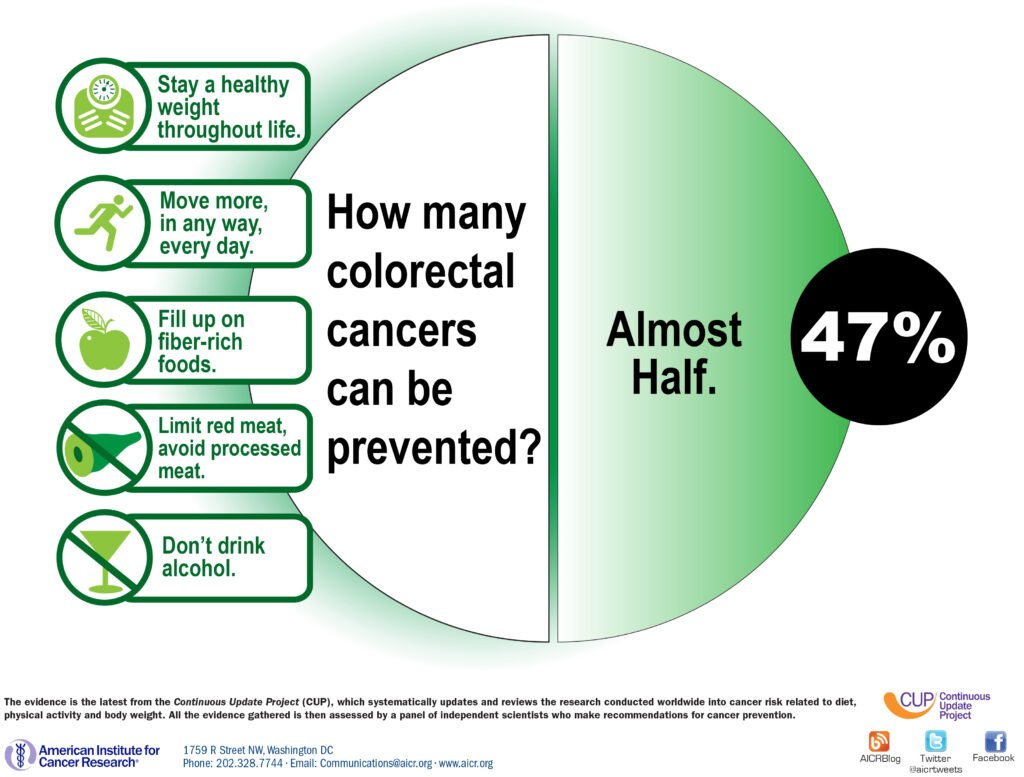
Bowel cancer, also known as colorectal cancer, is a significant health concern worldwide. This article will shed light on the risk factors associated with bowel cancer and provide practical prevention strategies to help you reduce the likelihood of developing this disease. By understanding the factors that increase your vulnerability and implementing proactive measures, you can take control of your health and reduce the risk of bowel cancer. So, let’s explore the crucial information and preventive steps that can make a difference in protecting yourself against this potentially life-threatening condition.
Understanding Bowel Cancer
Definition of Bowel Cancer
Bowel cancer, also known as colorectal cancer, is a type of cancer that originates in the colon or rectum. It occurs when abnormal cells in the lining of the bowel grow and divide uncontrollably, forming a tumor. This tumor can invade nearby tissues and spread to other parts of the body, leading to serious health complications if not diagnosed and treated early.
Types of Bowel Cancer
There are different types of bowel cancer, including adenocarcinomas, carcinoids, and sarcomas. The most common type is adenocarcinoma, accounting for the majority of bowel cancer cases. Carcinoid tumors develop from hormone-producing cells in the bowel, while sarcomas are rare and originate in the connective tissue or muscle layers of the bowel.
Statistics on Bowel Cancer
Bowel cancer is a significant health concern worldwide. According to recent statistics, it is the third most common cancer globally and the second leading cause of cancer-related deaths. In the United States alone, it is estimated that over 100,000 new cases of colon cancer and nearly 45,000 new cases of rectal cancer will be diagnosed in a single year. Understanding the statistics surrounding bowel cancer can highlight the importance of early detection and prevention strategies.
Risk Factors for Bowel Cancer
Age and Gender
Advancing age is a significant risk factor for developing bowel cancer. The majority of cases are diagnosed in individuals over the age of 50. Additionally, men tend to have a higher risk of bowel cancer than women, although the reasons for this gender difference are still being researched.
Family History
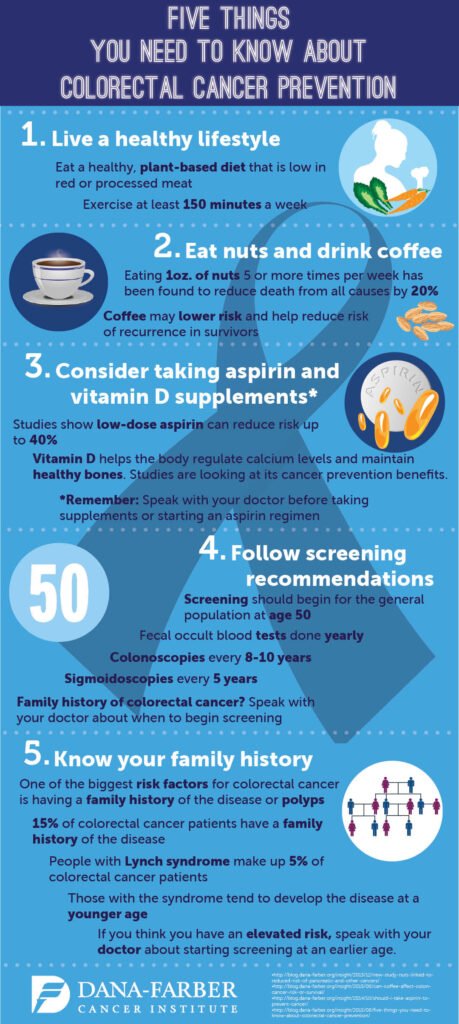
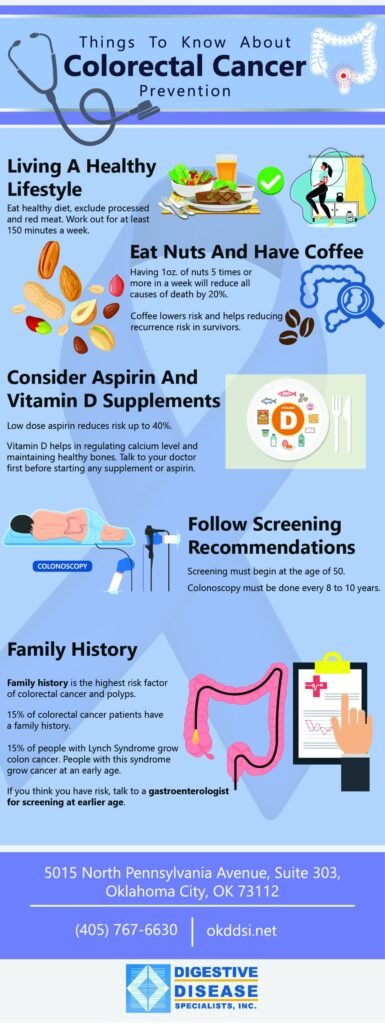
A family history of bowel cancer can increase the likelihood of developing the disease. Individuals with one or more first-degree relatives, such as parents or siblings, who have had bowel cancer are at a higher risk. This risk is further elevated if the family member was diagnosed at a young age or if there are multiple affected relatives.
Diet and Lifestyle
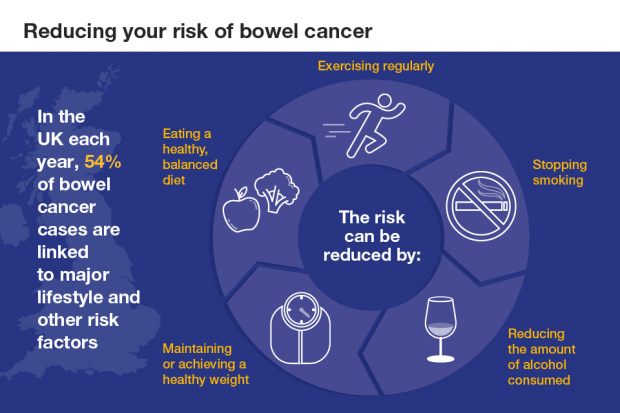
Unhealthy diet and lifestyle choices can contribute to an increased risk of bowel cancer. A diet high in red and processed meats, low in fiber, fruits, and vegetables, and rich in refined sugars and unhealthy fats has been linked to a higher incidence of bowel cancer. Lack of physical activity, obesity, and excessive consumption of alcohol are also associated with an increased risk.
Obesity
Obesity is a known risk factor for various types of cancer, including bowel cancer. Excess body weight, especially around the abdomen, can promote inflammation and increase insulin resistance, both of which can contribute to the development of cancer cells.
Smoking and Alcohol Consumption
Both smoking and excessive alcohol consumption are linked to a higher risk of bowel cancer. Smoking introduces harmful chemicals into the body, which can damage the DNA and increase the chances of cancer development. Similarly, heavy alcohol consumption can cause genetic mutations and damage the cells in the colon and rectum.
Signs and Symptoms of Bowel Cancer
Early Symptoms
In the early stages, bowel cancer may not produce noticeable symptoms. However, some individuals may experience changes in bowel habits, such as persistent diarrhea or constipation, blood in the stool, abdominal pain or discomfort, and unexplained weight loss. These symptoms should not be ignored, as they could be early warning signs of bowel cancer.
Advanced Symptoms
As bowel cancer progresses, more advanced symptoms may manifest. These can include bowel obstruction, rectal bleeding, anemia, fatigue, and a feeling of incomplete emptying after a bowel movement. It is important to seek medical attention if any persistent or concerning symptoms are experienced, as early detection can greatly improve treatment outcomes.
Screening for Bowel Cancer
Importance of Screening
Regular screening is crucial for the early detection and prevention of bowel cancer. Screening tests can identify precancerous growths (polyps) or early-stage cancerous cells before they develop into advanced stages. This allows for timely intervention and better treatment outcomes. It is recommended that individuals at average risk begin screening for bowel cancer at the age of 50.
Colonoscopy
Colonoscopy is a commonly used screening method for bowel cancer. It involves the use of a long, flexible tube with a camera at its end to examine the lining of the colon and rectum. During the procedure, any abnormal growths can be removed or biopsied for further examination. Colonoscopy is highly effective in detecting and preventing bowel cancer, and it is typically performed every 10 years for individuals with normal results.
Other Screening Methods
In addition to colonoscopy, there are other screening methods available for bowel cancer detection. These include fecal occult blood tests (FOBT), fecal immunochemical tests (FIT), and sigmoidoscopy. These tests detect the presence of blood in the stool or abnormal cells, indicating the need for further investigation.
Prevention Strategies for Bowel Cancer
Maintaining a Healthy Diet
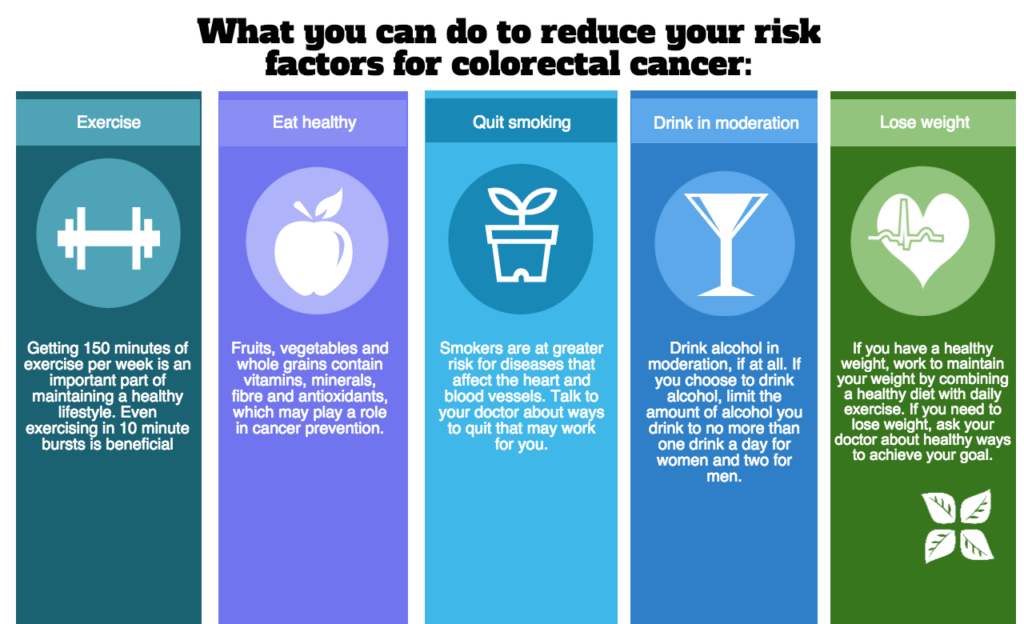
One of the most effective ways to reduce the risk of bowel cancer is by adopting a healthy diet. This includes consuming a variety of fruits, vegetables, whole grains, and fiber-rich foods. Red and processed meats should be limited, and foods high in sugar and unhealthy fats should be avoided. A well-balanced diet can support a healthy digestive system and reduce the risk of bowel cancer.
Regular Exercise
Engaging in regular physical activity is beneficial for overall health and can also lower the risk of bowel cancer. Aim for at least 30 minutes of moderate-intensity exercise most days of the week. Activities such as brisk walking, cycling, swimming, or dancing can help maintain a healthy weight, support digestion, and reduce the risk of developing bowel cancer.
Avoiding Tobacco and Alcohol
To reduce the risk of bowel cancer, it is essential to avoid smoking and limit alcohol consumption. Smoking not only increases the risk of bowel cancer but can also worsen the outcomes for individuals already diagnosed with the disease. Similarly, excessive alcohol intake has been linked to a higher risk of bowel cancer, so it is advisable to consume alcohol in moderation or avoid it altogether.
Weight Management
Maintaining a healthy weight is crucial for preventing various types of cancer, including bowel cancer. Obesity increases the risk of developing the disease, so it is important to maintain a healthy lifestyle that includes regular exercise and a balanced diet. Strive to achieve and maintain a body weight within the recommended range for your height and age.
Screening and Early Detection
Regular screening for bowel cancer is imperative, even for individuals without any apparent symptoms or risk factors. Early detection through screening can identify potential precancerous growths or early-stage cancer cells, enabling prompt treatment and reducing the risk of advanced disease. Talk to your healthcare provider about the appropriate screening tests and schedule for your personal situation.
Role of Genetics in Bowel Cancer
Genetic Factors
Genetics play a role in the development of bowel cancer. Certain genetic mutations can increase the risk of developing the disease. However, it is important to note that the majority of bowel cancers occur sporadically and are not directly inherited. Genetic factors can still contribute to an individual’s risk, and a genetic counselor can provide guidance regarding genetic testing and screening options.
Heredity and Genetic Testing
Individuals with a family history of bowel cancer may consider genetic testing to assess their risk. Genetic testing involves analyzing specific genes associated with an increased risk of developing bowel cancer. The results of genetic testing can help individuals make informed decisions about their healthcare, such as implementing targeted prevention strategies or undergoing more frequent screening.
Effects of Bowel Cancer on Mental Health
Emotional Impact
A diagnosis of bowel cancer can have a significant emotional impact on individuals and their loved ones. Feelings of fear, anxiety, sadness, and uncertainty are common following a cancer diagnosis. It is important to acknowledge and address these emotions, as they can influence overall mental well-being and quality of life.
Coping Strategies and Support
Various coping strategies can help individuals navigate the emotional challenges associated with bowel cancer. Seeking support from family, friends, and healthcare professionals is crucial. Support groups and counseling services can provide an outlet for sharing experiences, offering advice, and fostering a sense of community. Additionally, engaging in activities such as mindfulness, meditation, and hobbies can promote emotional well-being and help individuals cope with the impact of bowel cancer.
Treatment Options for Bowel Cancer
Surgery
Surgery is often the primary treatment option for bowel cancer. The goal is to remove the tumor and any affected nearby lymph nodes or tissues. Depending on the location and size of the tumor, different surgical approaches may be used, including minimally invasive techniques such as laparoscopic or robotic surgery. In some cases, a temporary or permanent colostomy or ileostomy may be necessary to redirect the bowel for waste elimination.
Chemotherapy
Chemotherapy utilizes drugs to kill cancer cells or inhibit their growth. It is commonly used before surgery to shrink the tumor or after surgery to eliminate any remaining cancer cells. Chemotherapy can also be used to relieve symptoms and slow disease progression in advanced stages of bowel cancer. The specific drugs and treatment plan will vary based on individual factors such as the stage of cancer and overall health.
Radiation Therapy
Radiation therapy involves the use of high-energy radiation to kill cancer cells or reduce tumor size. It is commonly used in combination with surgery, chemotherapy, or both. Radiation therapy may be administered before surgery to shrink tumors, or after surgery to destroy any remaining cancer cells. The treatment plan is individualized based on the specific needs and characteristics of the patient.
Targeted Therapy
Targeted therapy is a type of treatment that specifically targets cancer cells while minimizing damage to healthy cells. It involves the use of drugs that inhibit the growth of cancer cells by targeting specific molecules or pathways involved in their development. Targeted therapy can be used in combination with other treatments, such as chemotherapy, to improve their effectiveness and reduce side effects.
Supportive Care for Bowel Cancer Patients
Managing Side Effects
Bowel cancer treatment can result in various side effects that can impact daily life and well-being. These may include fatigue, nausea, loss of appetite, hair loss, and changes in bowel habits. Supportive care involves managing these side effects through medication, dietary adjustments, and lifestyle modifications. It is important for patients to communicate with their healthcare team to receive appropriate support and address any concerns.
Nutrition and Diet
Eating a nutritious diet is essential during and after bowel cancer treatment. Maintaining proper nutrition can help support the immune system, aid in recovery, and minimize treatment-related side effects. A registered dietitian specializing in oncology can provide personalized dietary recommendations and guidance for managing any dietary complications that may arise.
Psychological Support
Psychological support is crucial for individuals living with bowel cancer. This can be provided through counseling services, support groups, or individual therapy sessions. These resources can help individuals navigate the emotional challenges of diagnosis, treatment, and recovery, providing guidance, empathy, and a space to process emotions. It is important not to overlook the psychological aspect of cancer care, as mental well-being greatly influences overall quality of life.
Prognosis and Survival Rates
Factors Affecting Prognosis
Several factors influence the prognosis and survival rates for bowel cancer patients. These factors include the stage of the cancer at diagnosis, the extent of tumor involvement, the presence of metastasis, the individual’s overall health and response to treatment, and other individual characteristics. Early detection and intervention through screening can greatly improve the prognosis.
Survival Rates
Survival rates for bowel cancer vary depending on the stage at diagnosis. Five-year survival rates are often used to measure the relative success of treatment. For localized bowel cancer, where the cancer has not spread beyond the bowel wall, the five-year survival rate is relatively high, often exceeding 90%. However, as the cancer progresses to more advanced stages and spreads to distant organs, the survival rate tends to decrease. Regular screenings, early detection, and prompt treatment can significantly improve the chances of long-term survival and successful outcomes.