
Living with bowel cancer can be overwhelming, but you don’t have to face it alone. In this article, you will discover a wealth of support and resources available to individuals battling this disease. From emotional and psychological support to practical guidance and educational materials, the aim is to provide you with the tools you need to navigate through this challenging journey. Whether you are a patient, caregiver, or loved one, this article will help you find the necessary support networks and empower you to take control of your health and well-being. Remember, you are not alone in this fight against bowel cancer.
Overview of Bowel Cancer
What is bowel cancer?
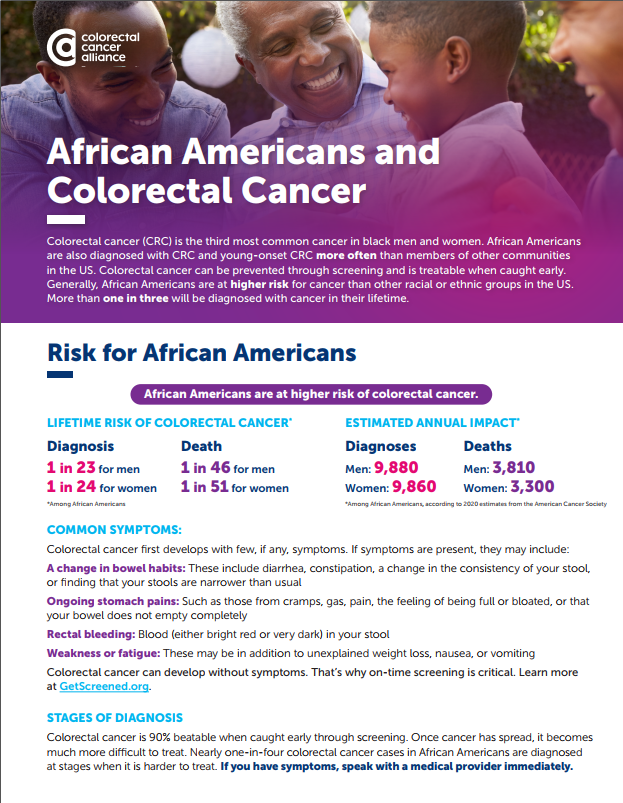
Bowel cancer, also known as colorectal cancer, is a malignant tumor that develops in the colon or rectum. It occurs when abnormal cells in the lining of the colon or rectum grow and divide uncontrollably. Bowel cancer is the third most common cancer worldwide, with over 1.8 million new cases diagnosed each year. It can affect both men and women, and the risk increases with age.
Prevalence and risk factors
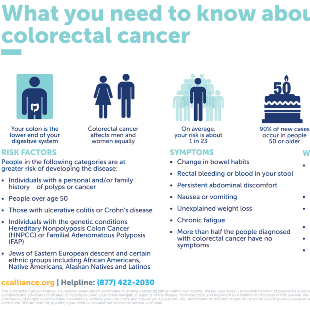
Bowel cancer is more common in developed countries, primarily due to lifestyle factors such as a diet high in red and processed meats, low fiber intake, sedentary behavior, obesity, and smoking. Other risk factors include a family history of bowel cancer, certain genetic conditions, inflammatory bowel disease, and certain types of polyps in the colon. It is important to be aware of these risk factors and take preventive measures to reduce your risk of developing bowel cancer.
Symptoms of bowel cancer
Early-stage bowel cancer may not cause any noticeable symptoms. However, as the cancer progresses, you may experience symptoms such as changes in bowel habits (including diarrhea or constipation), blood in the stools, abdominal pain or discomfort, unexplained weight loss, fatigue, and a feeling of incomplete bowel emptying. It is crucial to pay attention to your body and seek medical advice if you experience any persistent or concerning symptoms. Early detection can greatly improve the prognosis and treatment options for bowel cancer.
Diagnosis and Treatment
Screening and early detection
Screening for bowel cancer is important, as it allows for the early detection of cancer or precancerous changes in the colon or rectum. The most commonly used screening method is a colonoscopy, which involves the insertion of a long, flexible tube with a camera into the colon to visualize the lining and identify any abnormalities. Other screening options include stool tests to detect blood or DNA markers, sigmoidoscopy, and virtual colonoscopy. Regular screening is recommended for individuals at average risk starting at age 50, or earlier for those with specific risk factors.
Diagnostic tests for bowel cancer
If bowel cancer is suspected, your doctor may order several diagnostic tests to confirm the diagnosis and determine the extent of the cancer. These tests may include blood tests to check for tumor markers, imaging scans such as CT scans or MRI, and biopsy to examine a sample of tissue for cancer cells. These tests help determine the stage of the cancer and guide treatment decisions.
Surgical interventions
Surgery is the primary treatment for bowel cancer and involves the removal of the affected part of the colon or rectum along with nearby lymph nodes. The type of surgery performed depends on the location, size, and stage of the cancer. In some cases, a colostomy or ileostomy may be necessary to divert the flow of waste from the body. Surgeons strive to remove all cancerous tissue while preserving as much normal bowel function as possible.
Chemotherapy and radiation therapy
In addition to surgery, chemotherapy and radiation therapy may be used to treat bowel cancer. Chemotherapy involves the use of drugs to kill cancer cells or stop their growth, while radiation therapy uses high-energy rays to target and destroy cancer cells. These treatments may be used before surgery to shrink tumors, after surgery to kill remaining cancer cells, or in advanced stages of bowel cancer to relieve symptoms and prolong survival. The specific treatment plan will be determined by your healthcare team based on the stage and characteristics of your cancer.

Supportive Care
Palliative care
Palliative care focuses on providing relief from symptoms, pain, and emotional distress for individuals with advanced bowel cancer. It is aimed at improving the quality of life for both the patient and their loved ones. Palliative care may include pain management, counseling, emotional support, and assistance with various aspects of daily living. It can be provided alongside curative treatments or as the primary focus of care for individuals with advanced or terminal cancer.
Nutritional support
Maintaining proper nutrition is essential for individuals with bowel cancer, as the disease and its treatments can cause weight loss, nausea, and changes in appetite. A registered dietitian can help develop a personalized nutrition plan that takes into account your specific needs and treatment side effects. They may recommend a diet rich in fruits, vegetables, whole grains, lean proteins, and adequate fluids to support your overall health and help manage treatment side effects.
Pain management
Pain is a common symptom of bowel cancer, especially in advanced stages. Managing pain effectively is crucial for improving overall well-being and maintaining quality of life. Pain medications, such as opioids, may be prescribed to alleviate pain. Additionally, complementary therapies such as acupuncture, massage, or relaxation techniques may also be beneficial in managing pain and promoting relaxation.
Psychosocial support
Dealing with bowel cancer can have a significant emotional impact on individuals and their loved ones. It is important to seek psychosocial support to address the emotional and psychological challenges that may arise. Support can be obtained through individual counseling, support groups, or online communities where you can connect with others who have similar experiences. These support networks can provide a safe space for sharing feelings, gaining support, and learning coping strategies.
Support Groups and Organizations
National Bowel Cancer Foundation
The National Bowel Cancer Foundation (NBCF) is a nonprofit organization dedicated to raising awareness about bowel cancer and providing support to individuals and families affected by the disease. They offer educational resources, support programs, and advocacy initiatives to improve bowel cancer prevention, diagnosis, treatment, and survivorship. The NBCF also funds research to advance the understanding and treatment of bowel cancer.
Bowel Cancer UK
Bowel Cancer UK is a charity that aims to save lives and improve the quality of life for individuals affected by bowel cancer. They provide information and support services, including a dedicated nurse helpline, online community, and resources for patients, caregivers, and healthcare professionals. Bowel Cancer UK also campaigns for policy changes and funds research to improve outcomes for people with bowel cancer.
Colon Cancer Alliance
The Colon Cancer Alliance is a nonprofit organization that provides support and resources for individuals with colon cancer and their families. They offer educational materials, support programs, and a helpline staffed by patient navigators who can provide guidance and emotional support. The Colon Cancer Alliance also conducts advocacy efforts and funds research to prevent, treat, and cure colon cancer.
Financial Assistance
Government-funded schemes
In many countries, government-funded assistance programs exist to provide financial support to individuals with cancer. These programs may offer assistance with medical expenses, prescription medications, transportation costs, home care services, and other related expenses. Eligibility criteria and available benefits vary, so it is important to inquire about government-funded schemes and explore the options that may be available to you.
Insurance coverage
Health insurance can play a crucial role in covering the costs associated with bowel cancer diagnosis and treatment. It is important to review your insurance policy and understand the coverage for cancer-related services, including hospital stays, surgeries, chemotherapy, radiation therapy, and medications. If you have any concerns or questions about your insurance coverage, it is recommended to contact your insurance provider for clarification and assistance.
Alternative and Complementary Therapies
Acupuncture
Acupuncture is an ancient Chinese practice that involves the insertion of thin needles into specific points on the body to stimulate healing and relieve symptoms. Some individuals with bowel cancer find acupuncture beneficial in managing treatment side effects such as pain, nausea, fatigue, and emotional stress. It is important to consult with your healthcare team before trying acupuncture or any other complementary therapy to ensure it is safe and appropriate for your specific situation.
Herbal medicine
Herbal medicine involves the use of plants and plant extracts to promote health and treat various conditions. Certain herbs may have potential benefits for individuals with bowel cancer, such as reducing inflammation, boosting the immune system, or supporting digestive health. However, it is crucial to exercise caution when using herbal supplements, as they can interact with medications and may not be regulated for safety and effectiveness. Always consult with a healthcare professional before using herbal medicine as a complementary therapy.
Mind-body practices
Mind-body practices, such as yoga, meditation, and mindfulness, can help individuals with bowel cancer manage stress, anxiety, and improve overall well-being. These practices focus on the connection between the mind and body, emphasizing relaxation, breath awareness, and mental clarity. Engaging in mind-body practices may help reduce treatment-related side effects, enhance quality of life, and promote emotional resilience. It is advisable to consult with your healthcare team or seek guidance from qualified instructors to ensure the practices are safe and suitable for your condition.

Nutrition and Exercise
Healthy diet for bowel cancer patients
Maintaining a healthy diet is crucial for individuals with bowel cancer. A balanced diet rich in fruits, vegetables, whole grains, lean proteins, and healthy fats can provide essential nutrients, support the immune system, and promote overall well-being. It is recommended to limit the consumption of red and processed meats, sugary foods, and high-fat foods, as they may increase the risk of cancer progression. It is also important to stay hydrated and follow any specific dietary recommendations provided by your healthcare team.
Importance of physical activity
Regular physical activity has numerous benefits for individuals with bowel cancer. Exercise can help reduce fatigue, improve mood, enhance cardiovascular health, maintain muscle strength and flexibility, and support overall well-being. It is important to consult with your healthcare team before starting an exercise program and discuss any limitations or precautions that may be necessary. Engaging in activities such as walking, swimming, cycling, or gentle strength training can be beneficial, but it is important to listen to your body and not overexert yourself.
Clinical Trials
Opportunities for participation
Clinical trials are research studies that aim to evaluate new treatments or interventions for bowel cancer. Participating in a clinical trial can provide access to innovative treatments and contribute to the advancement of medical knowledge and care. If you are interested in participating in a clinical trial, it is recommended to discuss this option with your healthcare team. They can provide information about ongoing trials, eligibility criteria, potential risks and benefits, and help you make an informed decision.
Benefits and risks
Participating in a clinical trial offers the potential for accessing new treatment options that may be more effective than standard treatments. However, it is important to consider the potential risks and uncertainties associated with clinical trials. These may include unknown side effects, the possibility of receiving a placebo or an experimental treatment that is less effective, and the commitment required for regular follow-up visits and assessments. It is essential to carefully weigh the benefits and risks with the guidance of your healthcare team before deciding to participate in a clinical trial.
Managing Side Effects
Gastrointestinal side effects
Bowel cancer and its treatments can cause various gastrointestinal side effects, such as diarrhea, constipation, nausea, vomiting, and changes in appetite. It is important to communicate any symptoms or concerns with your healthcare team, as they can provide guidance and prescribe medications or recommend dietary adjustments to manage these side effects. Adequate hydration, a balanced diet, and small, frequent meals can also help alleviate gastrointestinal symptoms.
Hair loss and skin changes
Certain treatments for bowel cancer, particularly chemotherapy, can lead to hair loss and skin changes. It is important to discuss any concerns about hair loss or skin side effects with your healthcare team, as they may be able to provide advice or recommendations. Wearing a wig, scarf, or hat can help manage hair loss, while moisturizing creams, gentle skin care products, and sun protection can help mitigate skin changes. Remember that hair loss and skin changes are often temporary, and your hair will likely grow back after treatment.
Fatigue management
Fatigue is a common side effect of bowel cancer and its treatments. It can significantly impact daily functioning and quality of life. To manage fatigue, it is important to prioritize rest and sleep, engage in regular physical activity within your limits, and conserve energy by delegating tasks or adjusting daily routines. Your healthcare team may also provide recommendations for managing fatigue, such as specific exercises, lifestyle modifications, or medications. It is crucial to communicate your fatigue symptoms with your healthcare team, as they can help identify any underlying causes and develop a personalized management plan.
Coping with Bowel Cancer
Emotional well-being
Being diagnosed with bowel cancer can trigger a range of emotions, including fear, anxiety, sadness, or anger. It is important to acknowledge and validate these emotions and seek support from loved ones, support groups, or mental health professionals. Engaging in activities that bring joy or relaxation, practicing mindfulness or meditation, and expressing emotions through writing or art can also be helpful in managing emotional well-being. Remember that it is normal to experience a wide range of emotions throughout the cancer journey, and seeking support is a sign of strength.
Building a support network
Building a strong support network is essential when facing bowel cancer. Surrounding yourself with family, friends, and loved ones who offer encouragement, emotional support, and practical assistance can help alleviate feelings of loneliness and provide a sense of stability. It can also be beneficial to connect with other individuals who have experienced bowel cancer through support groups or online communities. These networks can provide a safe space for sharing experiences, exchanging information, and finding comfort in knowing that you are not alone in your journey.
Resilience and self-care
Developing resilience and practicing self-care are crucial for coping with bowel cancer. Resilience refers to the ability to adapt and bounce back from challenges, and it can be cultivated through various strategies. Engaging in activities you enjoy, practicing self-compassion, setting realistic goals, and maintaining a positive mindset can help build resilience. Additionally, taking care of yourself physically, emotionally, and spiritually through proper nutrition, restful sleep, stress management, and engaging in activities that bring you joy can contribute to your overall well-being and help you navigate the challenges of bowel cancer with greater strength.
