
Losing weight is one of the most common health goals worldwide. Whether you’re trying to improve your health, reduce your risk of chronic disease, increase your energy levels, or simply feel more comfortable in your body, the journey can be overwhelming at times. at times
The internet is full of conflicting advice. One day, carbohydrates are the problem. The next day it’s fat. Some diets promise dramatic results in just a few weeks, while others require major lifestyle changes that may not be realistic or sustainable.
If you’ve struggled with weight loss before, you are far from alone.
Many factors, including genetics, hormones, lifestyle habits, sleep, stress, medications, and underlying medical conditions, influence weight management. It is rarely as simple as “eat less and move more.”
The good news is that healthy, sustainable weight loss is possible. Small, consistent changes often produce better long-term results than extreme diets or quick fixes.
In this guide, you’ll learn:
- What weight loss really means
- Why do some people gain weight more easily than others
- Common causes of excess weight
- Medical conditions that affect body weight
- How healthcare providers evaluate weight concerns
- Evidence-based treatment options
- Nutrition and exercise strategies that work
- Foods that support healthy weight management
- Potential complications of obesity
- Practical ways to maintain long-term success
Most importantly, this guide will help you approach weight loss from a place of health, self-care, and realistic expectations rather than guilt or frustration.
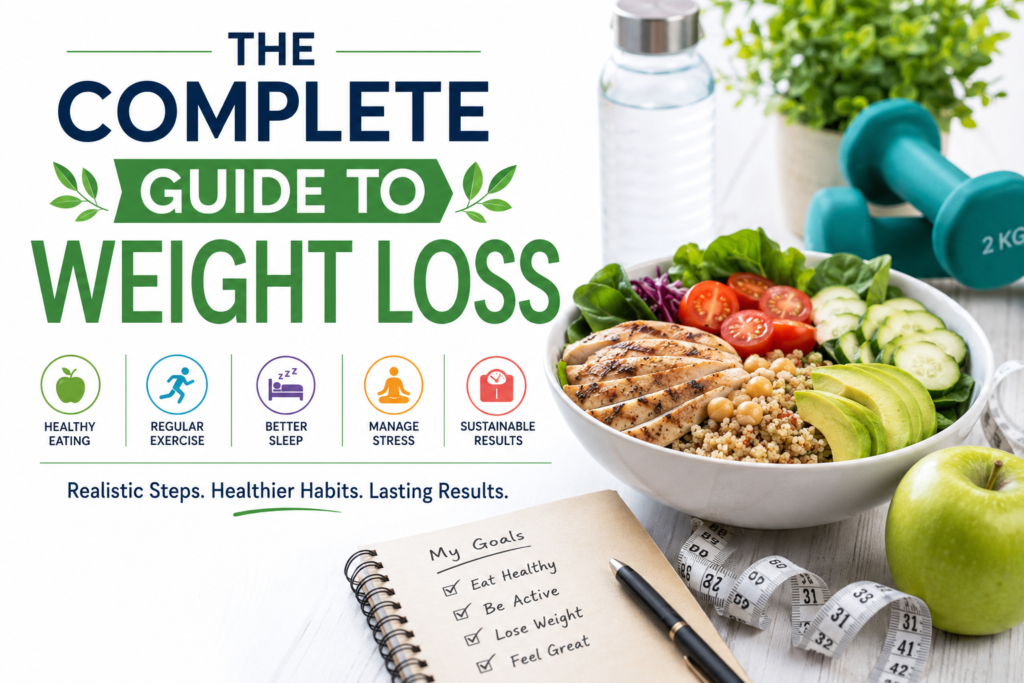
Section 1: What Is Weight Loss?
Definition
Weight loss refers to a reduction in total body weight. This may include:
- Loss of body fat
- Loss of water weight
- Loss of muscle mass
- A combination of all three
When healthcare professionals discuss healthy weight loss, they are usually referring to reducing excess body fat while preserving as much muscle as possible.
Why Weight Matters
Carrying excess body weight can increase the risk of many health conditions, including:
- Type 2 diabetes
- High blood pressure
- Heart disease
- Stroke
- Sleep apnea
- Joint problems
- Certain cancers
However, weight is only one measure of health. Factors such as blood pressure, cholesterol levels, fitness, nutrition, sleep quality, and mental well-being are also important.
How Common Is Excess Weight?
Overweight and obesity affect hundreds of millions of people worldwide.
In many countries:
- More than half of adults are overweight
- Obesity rates continue to increase
- Childhood obesity is becoming more common
This means weight challenges are extremely common and not something you should face alone.
Who Is Most Affected?
Weight gain can affect anyone, but it is more common among:
- Adults over age 40
- Individuals with a family history of obesity
- People with sedentary lifestyles
- Those with chronic stress
- Individuals with sleep disorders
- People taking certain medications
Why Weight Gain Happens
Weight gain develops when the body stores more energy than it uses.
This can occur because of:
- Eating more calories than needed
- Reduced physical activity
- Hormonal changes
- Aging
- Medical conditions
- Medications
- Poor sleep
- Chronic stress
Weight management is much more complex than willpower alone.
Section 2: Signs and Symptoms
Unlike many diseases, excess weight itself may not cause symptoms early on.
However, people often experience physical, emotional, and health-related effects as weight increases.
Early Signs
- Gradual weight gain
- Clothes fit more tightly
- Reduced stamina
- Increased fatigue
- Difficulty with physical activities
Common Symptoms
- Low energy levels
- Shortness of breath during activity
- Joint pain
- Knee pain
- Back pain
- Snoring
- Poor sleep quality
- Excess sweating
- Reduced mobility
Emotional Symptoms
- Frustration
- Low self-confidence
- Anxiety
- Depression
- Social withdrawal
- Body image concerns
Less Common Symptoms
Some individuals may develop:
- Swelling in the legs
- Skin irritation in skin folds
- Frequent headaches
- Sleep apnea symptoms
- Hormonal irregularities
Warning Signs That Need Medical Attention
Seek medical evaluation if you experience:
- Rapid unexplained weight gain
- Sudden swelling
- Severe shortness of breath
- Chest pain
- Fainting episodes
- Significant fatigue
- Signs of diabetes
Weight Management Symptom Checklist
✓ Low energy
✓ Difficulty exercising
✓ Joint pain
✓ Shortness of breath
✓ Poor sleep
✓ Frequent snoring
✓ Increased waist size
✓ Emotional distress related to weight
✓ Difficulty performing daily activities
Section 3: What Causes Weight Gain?
Weight gain rarely has a single cause.
Most people experience a combination of factors.
Calorie Imbalance
The most direct cause is consuming more calories than the body uses.
Common examples include:
- Large portion sizes
- Frequent restaurant meals
- Sugary beverages
- High-calorie snacks
Physical Inactivity
Modern lifestyles often involve:
- Desk jobs
- Long periods of sitting
- Increased screen time
- Limited daily movement
Over time, inactivity contributes to weight gain.
Genetics
Genes influence:
- Appetite
- Fat storage
- Metabolism
- Body shape
- Hunger hormones
A family history of obesity can increase risk, but healthy habits still matter.
Hormonal Causes
Hormones help regulate:
- Hunger
- Fullness
- Metabolism
Conditions that may contribute include:
- Hypothyroidism
- Polycystic ovary syndrome (PCOS)
- Cushing syndrome
- Insulin resistance
Sleep Problems
Poor sleep can:
- Increase hunger hormones
- Increase cravings
- Reduce energy
- Affect metabolism
People who regularly sleep fewer than 7 hours often have greater difficulty losing weight.
Stress
Chronic stress increases cortisol levels.
Higher cortisol may contribute to:
- Increased appetite
- Emotional eating
- Fat storage around the abdomen
Medications
Some medications may promote weight gain.
Examples include:
- Certain antidepressants
- Steroids
- Some diabetes medications
- Antipsychotic medications
- Certain seizure medications
Never stop medications without consulting a healthcare provider.
Environmental Factors
Modern environments often promote weight gain through:
- Easy access to processed foods
- Large food portions
- Sedentary entertainment
- Busy schedules
- Limited opportunities for physical activity
Section 4: Risk Factors
Several factors increase the likelihood of becoming overweight or obese.
Age-Related Risk Factors
- Middle-aged
- Older adulthood
- Reduced muscle mass with aging
Family History
- Parents with obesity
- Genetic predisposition
- Shared lifestyle habits
Lifestyle Risk Factors
- Physical inactivity
- Excess calorie intake
- Frequent fast-food consumption
- Sugary drink intake
- Poor sleep habits
- High stress levels
Medical Conditions
- Hypothyroidism
- PCOS
- Sleep apnea
- Depression
- Insulin resistance
- Diabetes
Medication-Related Risk Factors
- Corticosteroids
- Certain antidepressants
- Antipsychotics
- Some blood pressure medications
Other Risk Factors
- Pregnancy-related weight retention
- Smoking cessation
- Hormonal changes
- Menopause
- Chronic pain limits activity
Section 5: How Doctors Diagnose Weight Problems
Healthcare providers evaluate weight concerns using several tools.
Medical History
Your provider may ask about:
- Weight history
- Diet habits
- Exercise habits
- Sleep quality
- Stress levels
- Medications
- Family history
Physical Examination
The examination may include:
- Height
- Weight
- Waist circumference
- Blood pressure
- Heart rate
Body Mass Index (BMI)
BMI compares weight and height.
General categories:
| BMI | Category |
| Below 18.5 | Underweight |
| 18.5–24.9 | Healthy weight |
| 25–29.9 | Overweight |
| 30 or higher | Obesity |
BMI is helpful but not perfect. It does not distinguish muscle from fat.
Waist Circumference
Excess abdominal fat increases health risks.
Waist measurements help assess:
- Diabetes risk
- Heart disease risk
- Metabolic syndrome
Laboratory Testing
Common blood tests include:
- Blood sugar
- Hemoglobin A1C
- Cholesterol levels
- Thyroid testing
- Liver function tests
Additional Testing
Depending on symptoms, providers may evaluate:
- Sleep apnea
- Hormonal disorders
- Metabolic conditions
Section 6: Treatment Options
Weight loss treatment is individualized.
The best approach depends on:
- Current weight
- Health conditions
- Goals
- Lifestyle
- Medical history
Lifestyle Modification
Lifestyle changes remain the foundation of treatment.
These include:
- Improved nutrition
- Increased activity
- Better sleep
- Stress management
Even modest weight loss can improve health.
Behavioral Therapy
Behavioral approaches help individuals:
- Identify eating triggers
- Develop healthier habits
- Manage emotional eating
- Build long-term consistency
Prescription Medications
Some individuals may qualify for weight-loss medications.
Examples may include medications that:
- Reduce appetite
- Increase fullness
- Improve blood sugar regulation
These medications are typically considered when:
- BMI is elevated
- Obesity-related conditions are present
- Lifestyle changes alone have not been sufficient
Benefits of Medication
May help:
- Increase weight loss
- Reduce appetite
- Improve diabetes control
- Lower cardiovascular risk factors
Limitations
Medications:
- There are no magic solutions
- Works best with lifestyle changes
- May cause side effects
- May not be appropriate for everyone
Bariatric Surgery
For some individuals with severe obesity, surgery may be recommended.
Common procedures include:
- Gastric bypass
- Sleeve gastrectomy
Potential benefits:
- Significant weight loss
- Improved diabetes
- Reduced cardiovascular risk
Potential limitations:
- Surgical risks
- Lifelong follow-up
- Dietary adjustments
Section 7: Lifestyle Changes That Help
Successful weight loss usually comes from consistent habits rather than extreme measures.
Nutrition
Focus on:
- Vegetables
- Fruits
- Lean protein
- Whole grains
- Healthy fats
Helpful habits:
- Eat slowly
- Watch portion sizes
- Limit sugary drinks
- Plan meals ahead
Exercise
Aim for regular movement.
Examples:
- Walking
- Cycling
- Swimming
- Strength training
- Dancing
Even short sessions help.
Sleep
Adults generally need:
- 7 to 9 hours nightly
Better sleep supports:
- Appetite control
- Hormone balance
- Energy levels
Stress Management
Helpful techniques include:
- Deep breathing
- Meditation
- Prayer
- Journaling
- Spending time outdoors
Daily Habits Checklist
✓ Drink water regularly
✓ Eat vegetables daily
✓ Include protein with meals
✓ Walk most days
✓ Strength train 2–3 times weekly
✓ Sleep 7–9 hours
✓ Limit sugary beverages
✓ Manage stress
✓ Monitor progress
Section 8: Foods That Help and Foods to Limit
Nutrition plays a major role in weight management. No single food causes weight gain or loss on its own; your overall eating pattern matters.
The goal is not perfection. Instead, focus on eating more foods that support fullness, nutrition, and stable energy levels while limiting foods that are easy to overconsume.
Foods That May Help With Weight Loss
| Food | Why It Helps |
| Vegetables | Low in calories and high in fiber, helping you feel full. |
| Fruits | Provide vitamins, minerals, fiber, and natural sweetness. |
| Lean Chicken and Turkey | High in protein, which helps maintain muscle and reduce hunger. |
| Fish | Rich in protein and healthy fats that support heart health. |
| Eggs | Filling and nutrient-dense. |
| Beans and Lentils | High in fiber and protein, helping control appetite. |
| Oatmeal | Provides fiber that promotes fullness. |
| Greek Yogurt | High in protein and may help reduce hunger between meals. |
| Nuts and Seeds | Healthy fats and protein can increase satisfaction when eaten in moderation. |
| Whole Grains | Provide longer-lasting energy compared to refined grains. |
| Water | Supports hydration and may reduce unnecessary snacking. |
| Avocados | Rich in healthy fats that help increase fullness. |
Foods That May Make Weight Management More Difficult
| Food | Why It May Be Problematic |
| Sugary Soft Drinks | High calories with little nutritional value. |
| Energy Drinks | Often contain large amounts of sugar and calories. |
| Candy | Easy to overeat and can increase cravings. |
| Pastries and Donuts | High in sugar, fat, and calories. |
| Potato Chips | Highly processed and easy to consume in large amounts. |
| Fast Food | Often contains excess calories, sodium, and unhealthy fats. |
| Fried Foods | Calorie-dense and less filling than healthier alternatives. |
| White Bread and Refined Grains | May lead to rapid changes in blood sugar and hunger. |
| Sweetened Coffee Drinks | It can contain hundreds of hidden calories. |
| Ice Cream | High in sugar and calories. |
| Processed Snack Foods | Often designed to encourage overeating. |
| Alcohol | Adds calories and may reduce self-control around food. |
Remember
Healthy eating is not about completely avoiding favorite foods. Sustainable weight loss usually comes from balance, portion awareness, and consistency.
Section 9: Complications If Excess Weight Is Left Untreated
Not everyone with excess weight develops health problems. However, obesity can increase the risk of several serious conditions.
Short-Term Complications
These may include:
- Fatigue
- Reduced stamina
- Joint pain
- Difficulty exercising
- Shortness of breath
- Poor sleep quality
- Increased stress on the body
Long-Term Complications
Type 2 Diabetes
Excess body fat increases insulin resistance, making it harder for the body to regulate blood sugar.
High Blood Pressure
Extra weight forces the heart to work harder.
Heart Disease
Obesity increases the risk of:
- Heart attack
- Stroke
- High cholesterol
- Cardiovascular disease
Sleep Apnea
Excess tissue around the neck can block breathing during sleep.
Fatty Liver Disease
Fat can accumulate in the liver and eventually cause damage.
Arthritis
Additional weight places extra stress on joints, especially:
- Knees
- Hips
- Lower back
Certain Cancers
Obesity is associated with increased risk of several cancers, including:
- Colon cancer
- Breast cancer (after menopause)
- Endometrial cancer
- Kidney cancer
Quality-of-Life Impacts
Weight-related challenges can affect:
- Mobility
- Confidence
- Relationships
- Mental health
- Work performance
- Daily activities
The good news is that even modest weight loss can significantly improve health and quality of life.
Section 10: Living Well With Weight Loss
Weight loss is not a temporary project. It is a long-term lifestyle journey.
Focus on Health, Not Perfection
Perfection is not necessary.
Instead:
- Aim for consistency
- Celebrate small wins
- Learn from setbacks
- Keep moving forward
Monitor Progress Beyond the Scale
Other signs of success include:
- More energy
- Better sleep
- Lower blood pressure
- Improved blood sugar
- Increased stamina
- Better mood
- Improved confidence
Build Sustainable Habits
Successful habits often include:
- Meal planning
- Grocery shopping with a list
- Regular exercise
- Consistent sleep schedules
- Stress management
Protect Your Mental Health
Weight struggles can affect emotional well-being.
Helpful strategies include:
- Counseling
- Support groups
- Journaling
- Positive self-talk
- Practicing self-compassion
Family Support Matters
Loved ones can help by:
- Encouraging healthy habits
- Joining exercise activities
- Supporting nutritious meals
- Avoiding criticism or shame
Long-Term Success Strategies
- Set realistic goals
- Track progress regularly
- Focus on habits rather than outcomes
- Maintain muscle through strength training
- Continue healthy routines even after reaching goals
Section 11: Questions to Ask Your Healthcare Provider
Bring these questions to your next appointment:
- What is a healthy weight range for me?
- How much weight loss would improve my health?
- Are there medical reasons for my weight gain?
- Should I have blood tests performed?
- Could my medications be affecting my weight?
- What eating plan do you recommend?
- How much exercise should I aim for?
- Should I see a registered dietitian?
- Am I at risk for diabetes?
- Am I at risk for heart disease?
- Should I be screened for sleep apnea?
- Are weight-loss medications appropriate for me?
- What side effects should I expect from treatment?
- How quickly should I expect to lose weight?
- How can I maintain weight loss long-term?
- Should I monitor my waist circumference?
- Are there support groups available?
- Would bariatric surgery be appropriate?
- What goals should I focus on first?
- When should I schedule follow-up visits?
Section 12: When to Seek Emergency Care
Most weight concerns are not emergencies.
However, seek immediate medical attention if you experience:
Call Emergency Services Immediately For:
- Chest pain
- Sudden shortness of breath
- Severe difficulty breathing
- Signs of a stroke
- Fainting
- Severe allergic reactions to medications
- Sudden confusion
- Loss of consciousness
Seek Urgent Medical Evaluation For:
- Rapid unexplained weight gain
- Severe swelling of the legs
- Very high blood sugar symptoms
- Severe dehydration
- Persistent vomiting
- Signs of heart failure
- Severe sleep apnea symptoms
Signs of Stroke
Remember FAST:
- Face drooping
- Arm weakness
- Speech difficulty
- Time to call emergency services
Never ignore symptoms that could indicate a heart attack or stroke.
Section 13: Frequently Asked Questions
1. What is a safe rate of weight loss?
Most experts recommend about 1–2 pounds (0.5–1 kilogram) per week.
2. Do I need to eliminate carbohydrates?
No. Healthy carbohydrates can be part of a balanced diet.
3. Is exercise necessary?
Exercise improves health and helps maintain weight loss, but nutrition is also very important.
4. Why am I not losing weight despite eating less?
Possible reasons include medical conditions, medications, stress, poor sleep, or inaccurate calorie estimates.
5. Can genetics prevent weight loss?
No. Genetics can influence weight, but healthy habits still matter.
6. Is obesity a disease?
Yes. Many healthcare organizations recognize obesity as a chronic medical condition.
7. Do weight-loss medications work?
They can help some individuals when combined with lifestyle changes.
8. Is bariatric surgery safe?
For appropriate candidates, it can be highly effective, but it requires lifelong commitment and follow-up.
9. Should I weigh myself every day?
Some people find daily weighing helpful, while others prefer weekly monitoring.
10. Is intermittent fasting effective?
It may help some individuals reduce calorie intake, but it is not necessary for everyone.
11. Are diet sodas helpful?
They may reduce calorie intake for some people, but should not replace water as the primary beverage.
12. Can stress cause weight gain?
Yes. Stress can increase appetite and emotional eating.
13. Does sleep affect weight?
Absolutely. Poor sleep can increase hunger and cravings.
14. Are cheat meals okay?
Occasional treats can fit into a healthy lifestyle when balanced appropriately.
15. How much protein should I eat?
Needs vary. Your healthcare provider or dietitian can provide personalized guidance.
16. Should I avoid fats?
No. Healthy fats are important for overall health.
17. Why does weight loss slow down?
Metabolism often adapts as body weight decreases.
18. Can older adults lose weight safely?
Yes, but preserving muscle mass becomes especially important.
19. How long does it take to see results?
Many people notice changes in energy and habits before major scale changes occur.
20. What is the best diet?
The best diet is one that is nutritious, sustainable, and realistic for your lifestyle.
Section 14: Helpful Resources
Weight Tracker
| Date | Weight | Notes |
Daily Habit Checklist
□ Ate vegetables
□ Included protein at meals
□ Drank enough water
□ Exercised
□ Slept 7–9 hours
□ Managed stress
□ Avoided sugary beverages
□ Stayed consistent with goals
Food Diary
| Meal | Foods Eaten | Hunger Level |
| Breakfast | ||
| Lunch | ||
| Dinner | ||
| Snacks |
Sleep Tracker
| Date | Hours Slept | Sleep Quality |
Appointment Preparation Worksheet
My Current Concerns
Questions for My Provider
Medications I Take
My Weight-Loss Goals
Reputable Organizations
- World Health Organization (WHO)
- Centers for Disease Control and Prevention (CDC)
- National Institutes of Health (NIH)
- Academy of Nutrition and Dietetics
- American Heart Association
Section 15: Related Health Topics
Readers interested in weight loss may also benefit from learning about:
- Type 2 Diabetes
- Prediabetes
- Hypertension
- Sleep Apnea
- Metabolic Syndrome
- Heart Disease Prevention
- Cholesterol Management
- Healthy Meal Planning
- Exercise for Beginners
- Stress Management
- Healthy Aging
- Emotional Eating
- Portion Control
- Mindful Eating
Section 16: What we learn from this article
- Weight loss is about improving health, not achieving perfection.
- Sustainable changes work better than extreme diets.
- Nutrition, physical activity, sleep, and stress management all matter.
- Genetics and hormones can influence weight, but do not determine your future.
- Even modest weight loss can improve blood pressure, blood sugar, and overall health.
- Protein, vegetables, fruits, and whole foods support healthy weight management.
- Regular movement helps preserve muscle and improve long-term results.
- Weight-loss medications and surgery may help some individuals.
- Tracking habits can improve consistency and awareness.
- Healthcare providers can help identify medical factors affecting weight.
- Progress often occurs gradually.
- Long-term success comes from sustainable lifestyle changes.
Final Encouragement from Ask The Nurse Expert
If you have been struggling with your weight, remember that you are not failing, and you are certainly not alone.
Many factors, including biology, environment, emotions, sleep, stress, and health conditions, influence weight management. Lasting change rarely happens overnight. Instead, it happens through small choices repeated consistently over time.
Focus on progress rather than perfection.
A short walk today, a healthier meal tomorrow, an extra hour of sleep this week, or a small reduction in sugary drinks can all add up to meaningful improvements in your health.
Every positive step matters.
Knowledge is one of the most powerful tools you have. The more you understand your body and your health, the better equipped you are to make informed decisions and build habits that support long-term wellness.
Most importantly, remember that your healthcare team can provide personalized guidance based on your unique health needs, medical history, and goals.
At Ask The Nurse Expert, we believe that sustainable health is built one step at a time—and every healthy choice you make today is an investment in your future. Stay patient, stay consistent, and keep moving forward.
Related Topics About The Complete Guide to Weight Loss:
Healthy Weight Loss,
Weight Loss Diet,
Weight Loss Exercise,
Weight Loss for Beginners,
Weight Loss Tips,
Obesity and Weight Management,
Weight Loss Meal Planning,
Medical Weight Loss,
Weight Loss and Metabolism,
Weight Loss and Nutrition,
Sustainable Weight Loss,
Weight Loss After 40,
Weight Loss for Women,
Weight Loss for Men,
Weight Loss and Diabetes,
Weight Loss and Heart Health,
Emotional Eating and Weight Loss,
Weight Loss Medications,
Weight Loss Surgery,
Maintaining Weight Loss,