
Living with COPD can be challenging, but there is hope. In this article, we will explore a natural remedy for COPD, also known as Chronic Obstructive Pulmonary Disease. COPD is a respiratory condition that affects millions of people worldwide, causing breathing difficulties and reducing quality of life. However, by discovering the power of natural remedies, you can potentially alleviate symptoms, improve lung function, and reclaim your vitality. So, let’s dive into the world of natural remedies for COPD and unlock the potential for a healthier and happier life.
Dietary Changes
Increase intake of fruits and vegetables
When it comes to managing COPD, making dietary changes can have a positive impact on your overall health. One important change to consider is increasing your intake of fruits and vegetables. These colorful and nutrient-packed foods are not only delicious but are also rich in antioxidants and vitamins that can help fight inflammation and support lung health. Aim to have at least five servings of fruits and vegetables each day, and try to incorporate a variety of different types to maximize the benefits.
Include anti-inflammatory foods
Inflammation can worsen the symptoms of COPD, so it’s essential to include foods in your diet that have anti-inflammatory properties. Some great examples of anti-inflammatory foods include fatty fish like salmon, sardines, and mackerel, which are rich in omega-3 fatty acids. Other foods to consider are turmeric, ginger, leafy greens, nuts, and seeds. By incorporating these foods into your meals, you can help reduce inflammation and support your respiratory health.
Avoid foods that trigger symptoms
In addition to including beneficial foods, it’s equally important to identify and avoid foods that trigger your COPD symptoms. Certain foods can cause bloating, gas, or worsen respiratory symptoms, such as coughing or shortness of breath. These trigger foods can vary from person to person, so it’s essential to pay attention to your body’s response after consuming certain foods. Some common trigger foods for individuals with COPD include fried foods, processed foods high in sodium, carbonated beverages, and foods that cause gas, such as beans or cruciferous vegetables. By minimizing or avoiding these trigger foods, you can help prevent symptom flare-ups and maintain better control over your COPD.
Breathing Exercises
Diaphragmatic breathing
Diaphragmatic breathing is a deep breathing technique that helps improve lung function and oxygenation. It involves taking slow, deep breaths through your nose, allowing your diaphragm to fully expand, and then exhaling slowly through your mouth. This type of breathing exercises the diaphragm muscle and encourages the use of the lower lungs, allowing for better air exchange. To practice diaphragmatic breathing, find a comfortable sitting or lying position, and place one hand on your chest and the other on your abdomen. Inhale deeply, feeling your abdomen rise, and exhale slowly, feeling your abdomen fall. Repeat this exercise for several minutes each day to strengthen your diaphragm muscles and improve your breathing.
Pursed lip breathing
Pursed lip breathing is another helpful breathing technique for individuals with COPD. This technique involves inhaling deeply through your nose and then exhaling slowly through pursed lips as if you were blowing out a candle. Pursed lip breathing helps to slow down your breathing rate, prevent breathlessness, and prolong the time it takes for air to leave your lungs. To practice pursed lip breathing, simply take a deep breath in through your nose, purse your lips, and breathe out slowly through your mouth. Repeat this exercise several times throughout the day, especially when you feel short of breath or during physical activity.
Lateral costal breathing
Lateral costal breathing is a breathing exercise that can help expand the rib cage and improve lung capacity. It focuses on the outward movement of the ribs during inhalation and the inward movement during exhalation. To practice lateral costal breathing, find a comfortable position sitting or lying down. Place your hands on the sides of your rib cage, below your armpits. Inhale slowly and deeply, feeling your rib cage expand outward. Exhale fully, allowing your ribs to relax back in. Repeat this exercise for a few minutes each day to enhance your lung function and increase your breathing efficiency.
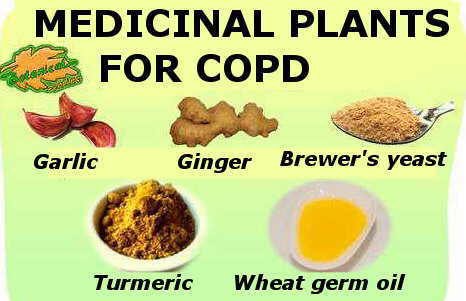
Herbal Remedies
Ginger
Ginger is a well-known herb with numerous health benefits, including its potential to assist individuals with COPD. Ginger possesses anti-inflammatory and antioxidant properties that can help reduce inflammation in the airways, improve lung function, and ease respiratory symptoms. You can incorporate ginger into your diet by adding fresh ginger to your cooking, drinking ginger tea, or taking ginger supplements. However, it’s essential to consult with your healthcare provider before adding any herbal remedies to your routine to ensure they are safe for you and won’t interact with any medication you may be taking.
Ginseng
Ginseng is a herb that is often used in traditional medicine to support respiratory health. It has been found to have anti-inflammatory and immune-boosting properties, which can help alleviate symptoms of COPD. Ginseng can be taken in various forms, including capsules, extracts, or as a tea. However, it’s crucial to talk to your doctor before adding ginseng to your regimen, especially if you have any underlying health conditions or are taking medications, as it may interact with certain drugs.
Licorice root
Licorice root has been used for centuries in traditional medicine for its numerous health benefits. It is known for its soothing properties and its ability to support lung and respiratory health. Licorice root contains compounds that may help reduce inflammation in the airways, relieve coughing, and support overall respiratory function. You can consume licorice root as a tea, take it in supplement form, or use it as a natural sweetener in your beverages. However, it’s essential to use licorice root in moderation, as excessive consumption may lead to side effects.
Vitamin and Mineral Supplements
Vitamin D
Vitamin D plays a crucial role in maintaining lung health and supporting the immune system. Research suggests that individuals with COPD often have lower levels of vitamin D, and supplementation may help improve lung function and reduce respiratory symptoms. You can increase your vitamin D levels by spending time outdoors in the sunlight, consuming foods rich in vitamin D such as fatty fish, eggs, and fortified dairy products, or by taking vitamin D supplements. However, it’s important to consult with your healthcare provider to determine the appropriate dosage for your specific needs.
Vitamin C
Vitamin C is a powerful antioxidant that can help support lung health and reduce inflammation. It also plays a vital role in immune function, which can be beneficial for individuals with COPD, as they are more prone to respiratory infections. There are many food sources of vitamin C, including citrus fruits, berries, bell peppers, and leafy greens. You can also take vitamin C supplements if needed, but it’s always best to obtain nutrients from whole foods whenever possible.
Omega-3 fatty acids
Omega-3 fatty acids are essential fats that have anti-inflammatory properties and can help reduce inflammation in the airways. They are found in fatty fish like salmon, mackerel, and sardines, as well as in walnuts, flaxseeds, and chia seeds. If it’s challenging to incorporate enough omega-3 fatty acids into your diet, you may consider taking fish oil supplements or flaxseed oil capsules. However, as with any supplement, it’s important to discuss it with your healthcare provider to ensure it is safe for you and won’t interact with any medications you are taking.
Magnesium
Magnesium is a mineral that plays a crucial role in lung function and can help relax the muscles surrounding the airways, making it easier to breathe. It also has anti-inflammatory properties that can reduce airway inflammation. Good dietary sources of magnesium include nuts, seeds, whole grains, legumes, and leafy greens. If needed, magnesium supplements can be an option but should be taken under the guidance of a healthcare professional to determine the appropriate dosage for your individual needs.
Physical Activity and Lifestyle Modifications
Regular exercise
Regular exercise is vital for individuals with COPD as it can help strengthen the respiratory muscles, improve lung capacity, and enhance overall physical fitness. Engaging in activities such as walking, swimming, cycling, or even light strength training can have long-term benefits for your respiratory health. It’s important to start slowly and gradually increase the intensity and duration of your workouts to avoid overexertion. Consult with your healthcare provider to determine the most suitable exercise routine for your specific needs and abilities.
Avoid exposure to pollutants
Exposure to pollutants, such as tobacco smoke, air pollution, and chemicals, can worsen respiratory symptoms and increase the risk of flare-ups for individuals with COPD. It’s essential to take measures to minimize your exposure to these pollutants as much as possible. Avoid smoking and secondhand smoke, stay indoors on days with poor air quality, and use air purifiers or masks if necessary. Additionally, be mindful of any chemicals or irritants in your environment, such as cleaning products or strong perfumes, which can trigger respiratory symptoms.
Maintain a healthy weight
Maintaining a healthy weight is crucial for individuals with COPD, as excess weight can put a strain on the respiratory system and make breathing more difficult. Additionally, obesity is associated with inflammation and can worsen existing inflammation in the airways. By adopting a balanced and nutritious diet, engaging in regular physical activity, and managing portion sizes, you can work towards achieving and maintaining a healthy weight, which can positively impact your COPD symptoms.
Manage stress
Stress can have a significant impact on your overall health and well-being, including your respiratory health. High stress levels can lead to shallow breathing and increased muscle tension, making it harder to breathe. It’s important to find effective stress management techniques that work for you, such as deep breathing exercises, meditation, yoga, or engaging in hobbies that you enjoy. By managing stress levels, you can help improve your lung function and minimize the impact of COPD on your daily life.
Steam Inhalation
Eucalyptus oil steam inhalation
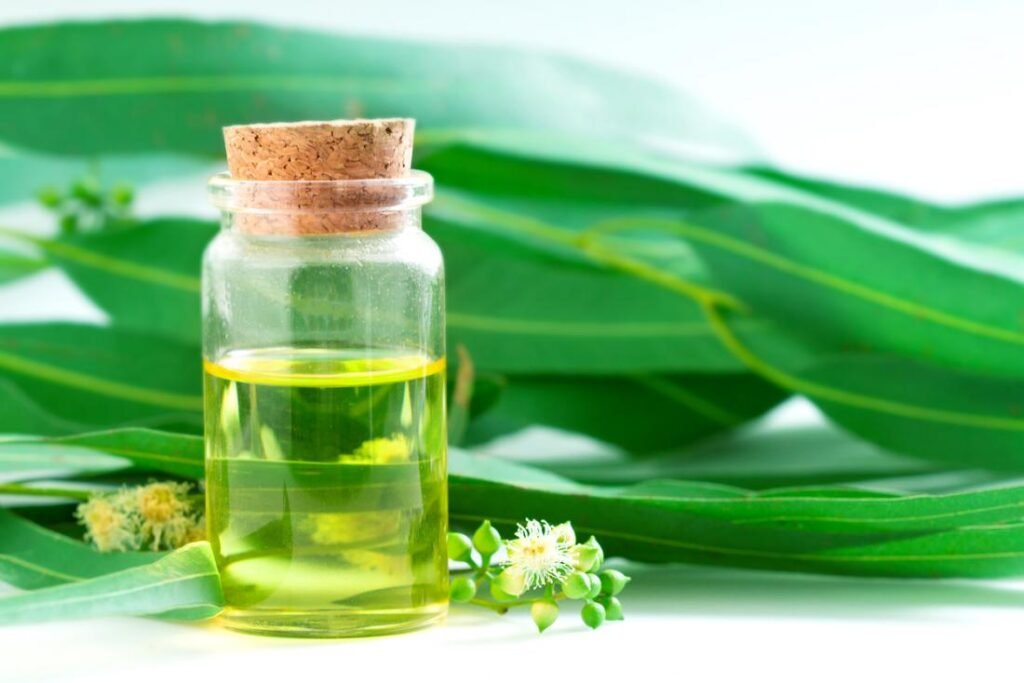
Steam inhalation is a natural remedy that can help ease respiratory symptoms and provide relief for individuals with COPD. Adding eucalyptus oil to the steam can further enhance its benefits. Eucalyptus oil has expectorant properties and can help thin mucus, making it easier to clear the airways. To perform eucalyptus oil steam inhalation, fill a bowl with hot water, add a few drops of eucalyptus oil, place a towel over your head, and inhale the steam for about 10 minutes. Be cautious not to get too close to the hot water to avoid burns.
Peppermint oil steam inhalation
Peppermint oil steam inhalation is another valuable technique for individuals with COPD. Peppermint oil has menthol, which has a cooling and soothing effect on the airways. It can help relieve congestion, and bronchial spasms, and improve breathing. To perform peppermint oil steam inhalation, follow the same steps as eucalyptus oil steam inhalation, but replace the eucalyptus oil with a few drops of peppermint oil. Inhale deeply and enjoy the soothing vapor as it helps open up your airways.
Chamomile tea steam inhalation
Chamomile tea steam inhalation is a gentle and relaxing way to ease respiratory symptoms associated with COPD. Chamomile tea has anti-inflammatory properties and can help soothe irritated airways. Brew a cup of chamomile tea and let it cool slightly. Place your face over the cup, ensuring that the steam is comfortably warm, and inhale deeply. The steam from the chamomile tea will help open up your airways and provide relief for congestion and coughing.
Acupuncture
Acupuncture points for COPD
Acupuncture is an ancient Chinese therapy that involves the insertion of thin needles into specific points on the body. It is believed to help restore the flow of energy, known as Qi, and promote overall health and well-being. Acupuncture has been found to be beneficial for individuals with COPD by improving lung function, reducing inflammation, and relieving symptoms such as coughing and breathlessness. Some acupuncture points commonly used for COPD include Ren-17 (Shanzhong), Lu-7 (Lieque), and Du-14 (Dazhui). However, it’s important to consult with a qualified and licensed acupuncturist who specializes in respiratory conditions to ensure safe and effective treatment.
Benefits of acupuncture
Acupuncture offers several potential benefits for individuals with COPD. It has been found to improve lung function, increase exercise capacity, and reduce the frequency and severity of exacerbations. Acupuncture also helps alleviate symptoms such as coughing, wheezing, and shortness of breath. Additionally, acupuncture can promote relaxation, reduce stress levels, and improve overall well-being, which can positively impact your COPD management.
Frequency and duration of sessions
The frequency and duration of acupuncture sessions can vary depending on the individual’s specific condition and response to treatment. Initially, more frequent sessions may be recommended, typically once or twice a week. As symptoms improve, the frequency may be reduced to once every few weeks or as needed. Each session lasts approximately 30 to 60 minutes. However, it’s important to work with a qualified acupuncturist who can tailor the treatment plan to your specific needs and monitor your progress.
Avoiding Respiratory Triggers
Tobacco smoke
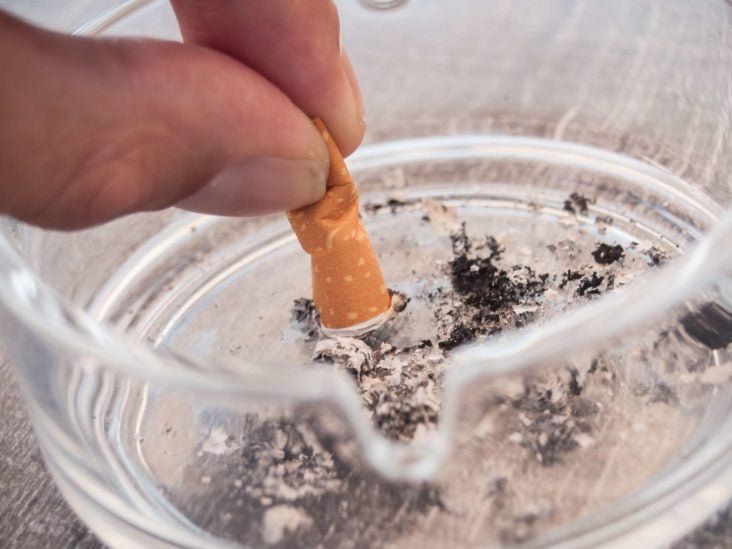
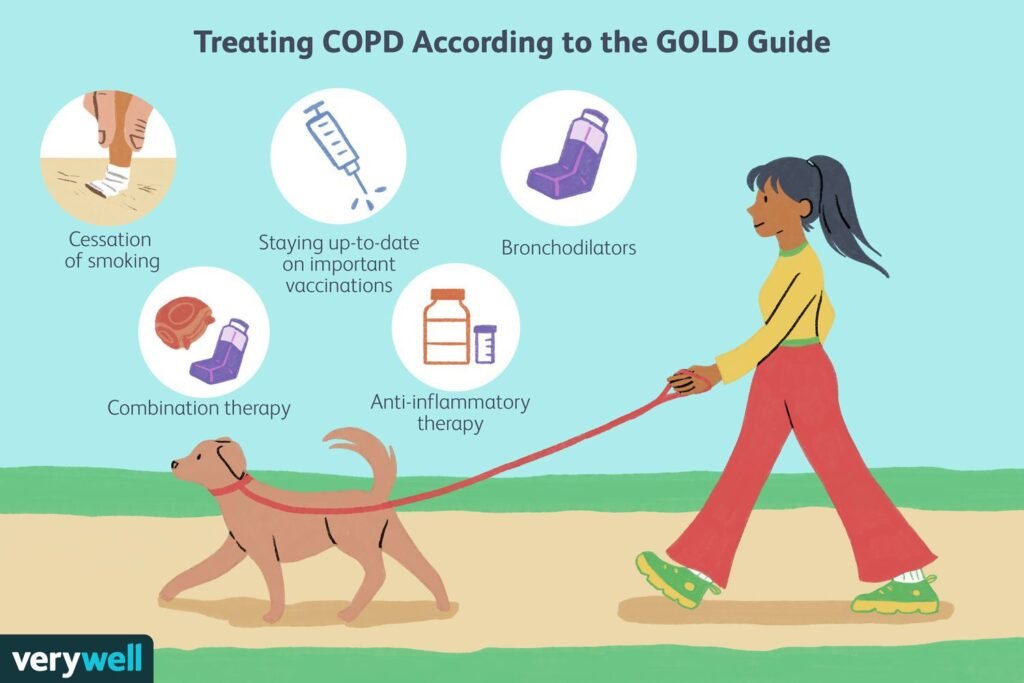
Tobacco smoke is one of the most significant contributors to respiratory problems, including COPD. Whether you are a smoker yourself or exposed to secondhand smoke, it’s essential to quit smoking and avoid exposure to tobacco smoke as much as possible. Smoking cessation is crucial for managing COPD and slowing down the progression of the disease. Seek support from healthcare professionals, join smoking cessation programs, and utilize nicotine replacement therapies or medications to increase your chances of successfully quitting smoking.
Air pollution
Air pollution, both outdoor and indoor, can worsen respiratory symptoms and trigger COPD flare-ups. It’s important to stay informed about the air quality in your area and take necessary precautions to reduce exposure on days when pollution levels are high. Stay indoors in well-ventilated areas, use air purifiers, and avoid outdoor activities in heavily polluted areas. Additionally, be mindful of potential indoor pollutants such as household cleaning products, strong chemicals, or allergens like mold or pet dander, and take steps to minimize your exposure to these triggers.
Allergens
Allergens such as pollen, dust mites, and pet dander can trigger allergies and exacerbate respiratory symptoms for individuals with COPD. It’s crucial to identify any allergens that may be a problem for you and take steps to minimize your exposure. Keep your living environment clean and dust-free, use allergy-proof mattress and pillow covers, and consider using a HEPA air purifier to filter out allergens. If allergies are significant, consult an allergist to determine appropriate treatment options such as allergy shots or medication.
Cold air
Cold air can be particularly challenging for individuals with COPD as it can cause bronchospasms and worsen symptoms. During cold weather, it’s important to take precautions to protect your lungs. Wear a scarf or a face mask to cover your mouth and nose when outdoors, breathe through your nose to help warm and humidify the air before it reaches your lungs, and consider using a portable air warmer or heater to keep the indoor temperature comfortable.
Humidifying the Air
Using a humidifier
Humidifying the air can be beneficial for individuals with COPD, especially in dry climates or during the winter months when indoor heating can further dry out the air. Using a humidifier can help add moisture to the air and prevent dryness in the respiratory passages. It can help ease congestion, reduce coughing, and make it easier to breathe. Ensure that you clean and maintain the humidifier regularly to prevent the growth of mold or bacteria.
Moist air benefits for COPD
Moist air has several benefits for individuals with COPD. It can help soothe irritated airways, reduce mucus production, and alleviate coughing and wheezing. Moist air can also help thin mucus, making it easier to expel from the lungs. By humidifying the air, you can create a more comfortable and lung-friendly environment that supports your respiratory health.
Supportive Therapies
Pulmonary rehabilitation
Pulmonary rehabilitation is a comprehensive program designed for individuals with chronic lung diseases like COPD. It includes a combination of exercise training, education, and support to improve respiratory function, enhance physical fitness, and provide strategies for managing symptoms and reducing the impact of COPD on daily life. Pulmonary rehabilitation can be conducted in a hospital outpatient setting or at home with the guidance of healthcare professionals. Participating in a pulmonary rehabilitation program can help you achieve better lung function and improve your overall quality of life.
Oxygen therapy
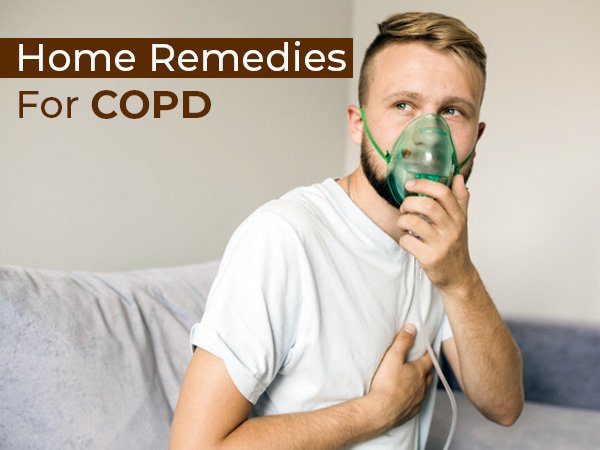
Oxygen therapy is a medical treatment that involves providing supplemental oxygen to individuals with COPD who have low oxygen levels in their blood. It can improve oxygenation, reduce breathlessness, and enhance exercise tolerance. Oxygen therapy can be delivered through a portable oxygen concentrator, oxygen cylinders, or liquid oxygen systems. The specific oxygen delivery method, as well as the flow rate and duration of use, will be determined by your healthcare provider based on your individual needs and oxygen saturation levels.
Respiratory therapy
Respiratory therapy encompasses various techniques and treatments aimed at improving lung function and managing respiratory symptoms. This may include techniques such as chest physiotherapy, which involves specific breathing exercises and techniques to help clear mucus from the lungs. Respiratory therapy may also involve the use of inhalers or nebulizers to deliver medication directly to the airways. Consult with your healthcare provider or a respiratory therapist to determine the most effective respiratory therapy options for your specific needs.
Emotional support
Living with COPD can be emotionally challenging, and it’s important to seek emotional support to help cope with the emotional and mental aspects of the condition. Joining support groups, connecting with others who have COPD, and sharing experiences and resources can provide valuable emotional support. Additionally, talking to a therapist or counselor can help you manage stress, anxiety, and depression associated with COPD. Remember that you are not alone, and reaching out for support is a sign of strength.
Incorporating natural remedies and making lifestyle modifications can play a significant role in managing COPD. However, it’s important to remember that these interventions should be used in conjunction with medical advice and treatment from healthcare professionals. Consult with your doctor or healthcare provider before making any significant changes to your diet, starting a new exercise routine, or using any herbal remedies or supplements. They can provide personalized guidance and help create a comprehensive and effective COPD management plan tailored to your specific needs. With the right approach and support, you can optimize your lung health and improve your quality of life despite living with COPD.
Related Terms About Natural Remedy For COPD-Chronic Obstructive Pulmonary Disease.
Best Medicine For COPD Cough, Best Treatment For COPD Exacerbation, Best Treatment For COPD With Asthma, Cure COPD With Food, Emergency Treatment For COPD Exacerbation, How To Improve COPD, Medical Treatments For COPD Can Include, Medicine For COPD And Asthma, Medicine For Copd And Panic Attacks, Medicine For Copd In Homeopathy