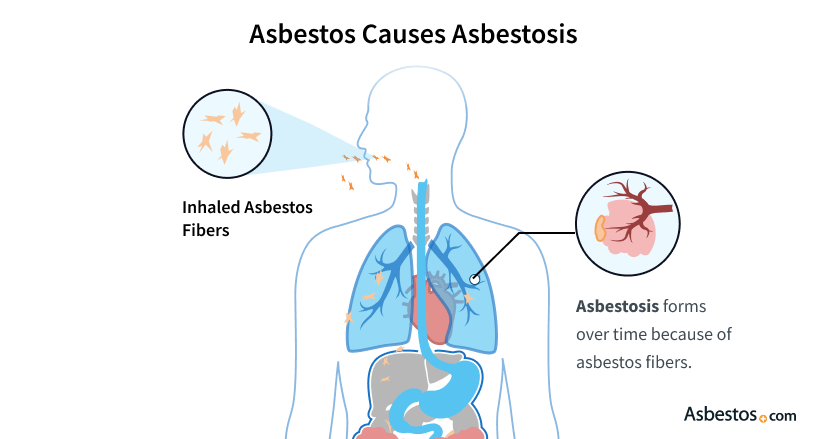
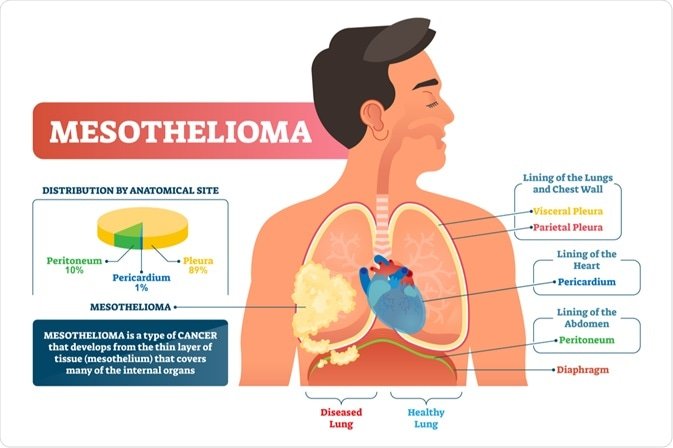
Asbestos cancer, also known as mesothelioma, is a rare and aggressive form of cancer that is primarily caused by exposure to asbestos fibers. Despite its challenging nature, there are effective treatment options available to manage and combat this disease. From surgery to chemotherapy and radiation therapy, various approaches are being used to target and control asbestos cancer. In this article, we will explore these treatment options in detail, guiding you through the potential pathways towards successful treatment and improved quality of life for those affected by asbestos cancer.
Surgery
Surgery is a common treatment option for asbestos cancer, also known as mesothelioma. There are two types of surgery that can be used: curative surgery and palliative surgery.
Curative Surgery
Curative surgery aims to remove the cancerous tumor and potentially cure the patient. This type of surgery is most effective when the cancer is detected in the early stages and has not spread to other parts of the body. The surgeon will carefully remove the tumor, along with any affected tissue or organs. Curative surgery offers the best chance of long-term survival for patients with asbestos cancer.
Palliative Surgery
Palliative surgery focuses on providing relief and improving the quality of life for patients with advanced asbestos cancer. It is usually performed when the cancer has spread beyond the point where curative surgery is possible. Palliative surgery can help alleviate symptoms such as pain or difficulty breathing by removing or reducing tumor burden. While it does not aim to cure the cancer, it can significantly improve the patient’s comfort.
Radiation Therapy
Radiation therapy uses high-energy radiation beams to kill cancer cells and shrink tumors. There are two primary types of radiation therapy for asbestos cancer: external beam radiation therapy and brachytherapy.
External Beam Radiation Therapy
External beam radiation therapy involves directing radiation beams from a machine outside the body towards the cancerous tumor. This treatment is usually given in small daily doses over a period of several weeks. It is often used after surgery to kill any remaining cancer cells or as a palliative treatment to relieve symptoms caused by the tumor.
Brachytherapy
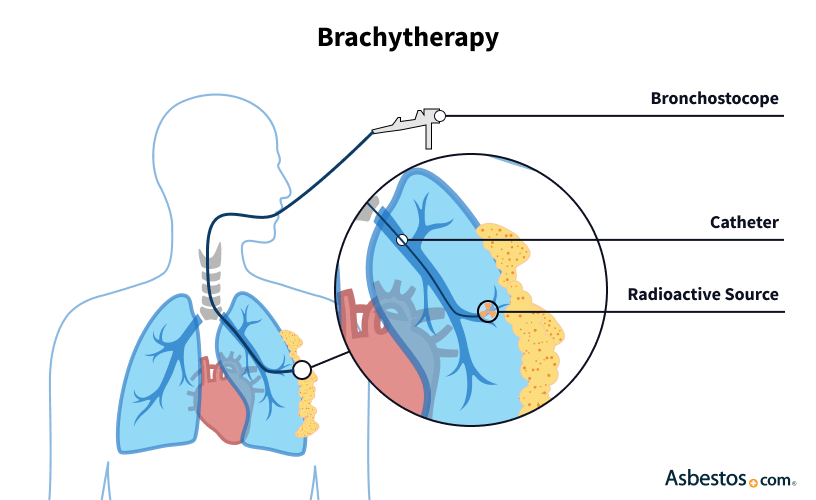
Brachytherapy, also known as internal radiation therapy, involves placing a radiation source directly into or near the tumor. This allows for a higher dose of radiation to be delivered to the cancer cells while minimizing damage to surrounding healthy tissues. Brachytherapy is often used to control tumor growth, especially in cases where surgery is not an option.
Chemotherapy
Chemotherapy uses drugs to kill cancer cells throughout the body. It is a systemic treatment, meaning it affects the entire body. There are two main types of chemotherapy used for asbestos cancer: systemic chemotherapy and intrapleural chemotherapy.
Systemic Chemotherapy
Systemic chemotherapy involves administering drugs orally or intravenously, allowing them to circulate throughout the body via the bloodstream. These drugs are designed to target and kill rapidly dividing cancer cells. Systemic chemotherapy can be used before surgery to shrink tumors, after surgery to destroy any remaining cancer cells, or for palliative purposes to relieve symptoms and improve quality of life.
Intrapleural Chemotherapy
Intrapleural chemotherapy is a targeted form of chemotherapy that is administered directly into the space between the lung and chest wall. This allows for a high concentration of chemotherapy drugs to be delivered directly to the affected area. Intrapleural chemotherapy is often used after surgery to kill any remaining cancer cells and reduce the risk of recurrence.
Immunotherapy
Immunotherapy is a rapidly emerging field in cancer treatment that harnesses the body’s immune system to fight cancer. There are two main types of immunotherapy used for asbestos cancer: immune checkpoint inhibitors and cytokine therapy.
Immune Checkpoint Inhibitors
Immune checkpoint inhibitors are drugs that help the immune system recognize and attack cancer cells more effectively. They work by blocking certain proteins that prevent immune cells from recognizing and attacking cancer cells. Immune checkpoint inhibitors have shown promising results in treating various cancers, including asbestos cancer, and are often used in advanced stages of the disease.
Cytokine Therapy
Cytokines are proteins that play a crucial role in the immune response. Cytokine therapy involves administering synthetic cytokines to boost the immune system’s ability to fight cancer cells. Interferon-alpha and interleukin-2 are the two main cytokines used in asbestos cancer treatment. While cytokine therapy may have significant side effects, it has shown some success in certain cases.
Targeted Therapy
Targeted therapy refers to treatments that specifically target the genetic mutations or specific proteins involved in the growth and spread of cancer cells. There are two main types of targeted therapy used for asbestos cancer: tyrosine kinase inhibitors and angiogenesis inhibitors.
Tyrosine Kinase Inhibitors
Tyrosine kinases are enzymes that play a role in cell signaling and the growth of cancer cells. Tyrosine kinase inhibitors are drugs that block the action of these enzymes, thus preventing the growth and spread of cancer cells. They have been shown to be effective in treating certain types of asbestos cancer, especially those with specific genetic mutations.
Angiogenesis Inhibitors
Angiogenesis is the process of forming new blood vessels, which is crucial for tumor growth and metastasis. Angiogenesis inhibitors are drugs that target the signals and pathways involved in the formation of new blood vessels. By inhibiting angiogenesis, these drugs can help starve the tumor of essential nutrients and oxygen, thus hindering its growth. Angiogenesis inhibitors are often used in combination with other treatments for asbestos cancer.
Multimodal Therapy
Multimodal therapy refers to the use of multiple treatment modalities in a coordinated and systematic manner. It often involves a combination of surgery, radiation therapy, chemotherapy, and/or targeted therapy. There are two main types of multimodal therapy: sequential multimodal therapy and concurrent multimodal therapy.
Sequential Multimodal Therapy
Sequential multimodal therapy involves the use of different treatments in a specific sequence. For example, a patient may undergo surgery followed by chemotherapy or radiation therapy. This approach allows for each treatment to be optimized and timed to achieve the best possible outcome. Sequential multimodal therapy is commonly used in asbestos cancer treatment, especially when the tumor can be surgically removed.
Concurrent Multimodal Therapy
Concurrent multimodal therapy involves the simultaneous use of multiple treatments. For example, a patient may receive chemotherapy and radiation therapy at the same time. This approach aims to increase treatment effectiveness by targeting the cancer from different angles. Concurrent multimodal therapy can be challenging for the patient due to increased side effects, but it may improve treatment outcomes, especially in advanced cases.
Clinical Trials
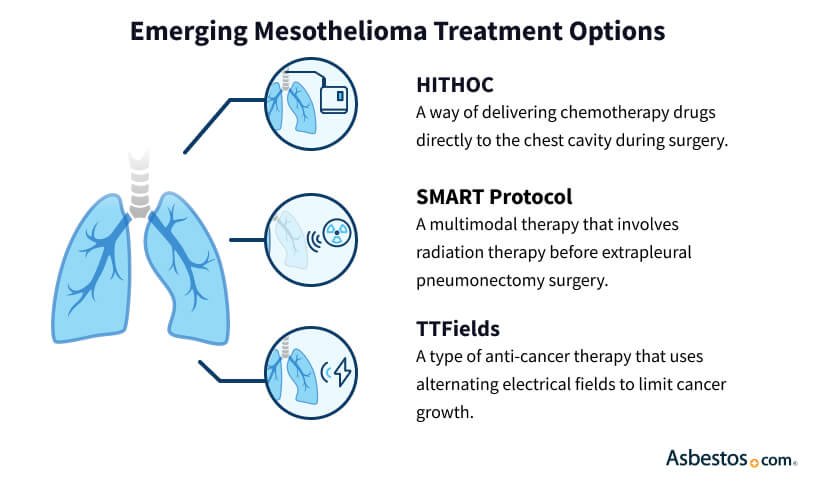
Clinical trials are research studies that evaluate the safety and effectiveness of new treatment approaches and experimental therapies. They play a vital role in advancing cancer treatment and identifying potential breakthroughs. There are two main types of clinical trials conducted for asbestos cancer: novel treatment approaches and experimental therapies.
Novel Treatment Approaches
Novel treatment approaches refer to innovative strategies and techniques that are being explored for asbestos cancer treatment. These may include new combinations of existing treatments, novel drug delivery methods, or innovative surgical techniques. Clinical trials for novel treatment approaches aim to determine if these new approaches offer better outcomes or improved quality of life for patients.
Experimental Therapies
Experimental therapies are treatments that are still under investigation and have not yet been approved for standard use. These therapies may include new drugs, immunotherapies, or targeted therapies that show promising results in preclinical or early clinical studies. Clinical trials for experimental therapies offer patients the opportunity to access emerging treatments that may provide additional options beyond standard treatment approaches.
Supportive Care
Supportive care focuses on managing symptoms and improving the quality of life for patients with asbestos cancer. It is an essential component of comprehensive cancer care and often involves a multidisciplinary team of healthcare professionals. There are several aspects of supportive care, including pain management and respiratory support.
Pain Management
Pain is a common symptom in asbestos cancer and can significantly impact a patient’s quality of life. Effective pain management strategies involve a combination of medications, physical therapies, and non-pharmacological interventions such as relaxation techniques or acupuncture. The goal is to achieve adequate pain control and improve the patient’s overall comfort and well-being.
Respiratory Support
Asbestos cancer often affects the lungs, leading to respiratory symptoms such as shortness of breath or coughing. Respiratory support aims to alleviate these symptoms and improve lung function. It may involve the use of supplemental oxygen, pulmonary rehabilitation, or palliative interventions such as thoracentesis to remove excess fluid from the lungs. By addressing respiratory issues, supportive care can enhance the patient’s ability to perform daily activities and maintain a better quality of life.
Alternative and Complementary Therapies
Alternative and complementary therapies are non-conventional treatment approaches that are used alongside standard medical care. While they may not directly treat asbestos cancer, some patients find them beneficial in managing symptoms and improving their overall well-being. There are several alternative and complementary therapies that are commonly explored in asbestos cancer treatment, including acupuncture, herbal remedies, and meditation.
Acupuncture
Acupuncture is an ancient Chinese therapy that involves inserting thin needles into specific points in the body. It is believed to help restore the flow of energy, or qi, and promote self-healing. Some patients with asbestos cancer find acupuncture helpful in managing pain, reducing anxiety, or improving overall well-being. However, it is essential to consult with a qualified and experienced acupuncturist who understands the specific needs and potential interactions with other treatments.
Herbal Remedies
Herbal remedies involve the use of plant-based substances to support health and manage symptoms. While there is limited scientific evidence to support the use of herbal remedies specifically for asbestos cancer, some patients may explore these options alongside conventional treatments. It is crucial to approach herbal remedies with caution and inform healthcare providers about any herbal supplements being taken, as they may interact with other medications or treatments.
Meditation
Meditation is a practice that involves focusing attention and eliminating the stream of thoughts. It has been shown to reduce stress, anxiety, and improve overall well-being. Many patients with asbestos cancer find meditation helpful in coping with the emotional and physical challenges of their diagnosis. It can be practiced in various forms, such as mindfulness meditation, guided imagery, or breathing exercises. Integrating meditation into a comprehensive treatment plan can offer patients a sense of calm and empowerment.
Follow-up and Surveillance
Follow-up and surveillance are crucial components of asbestos cancer care to monitor the patient’s progress and detect any signs of recurrence or new disease. Regular check-ups and imaging tests are the mainstay of follow-up care.
Regular Check-ups
Regular check-ups involve regular visits to the healthcare provider to assess the patient’s overall health, monitor treatment response, and address any concerns or new symptoms. These check-ups often include physical examinations, blood tests, and discussions about ongoing treatment strategies or supportive care needs. Maintaining close communication with the healthcare team through regular check-ups helps ensure ongoing monitoring and timely intervention, if needed.
Imaging Tests
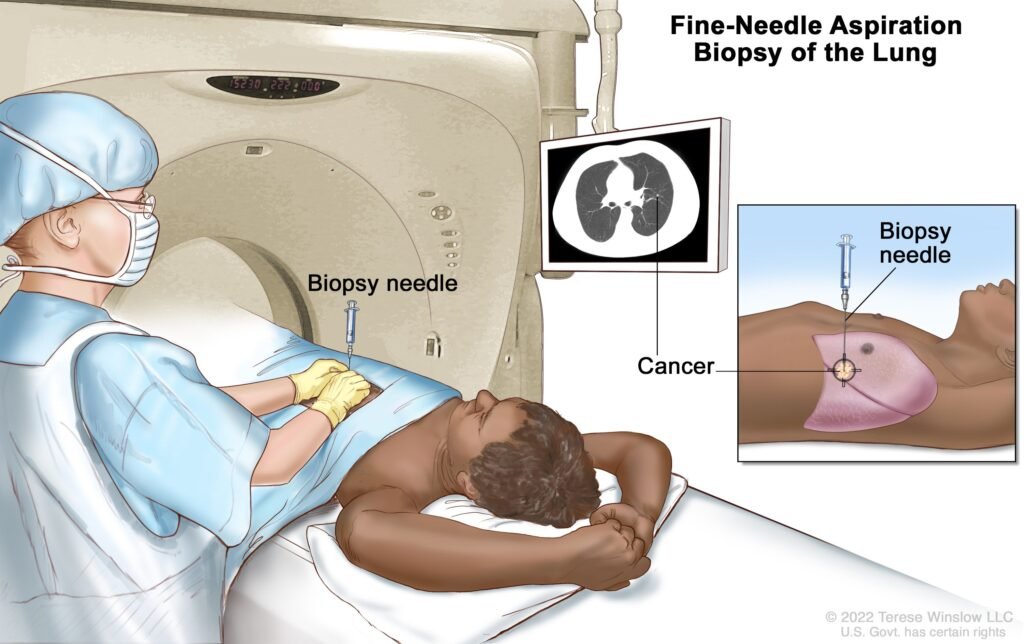
Imaging tests, such as CT scans, MRIs, or X-rays, are commonly used in asbestos cancer follow-up care to monitor disease status and detect any signs of recurrence or new disease. These tests provide detailed images of the body’s internal structures and can help identify any changes that may require further investigation or adjustment to the treatment plan. Regular imaging tests, combined with clinical evaluations, form the cornerstone of surveillance in asbestos cancer care.
In conclusion, effective treatment options for asbestos cancer encompass a wide range of modalities that can be tailored to each patient’s specific needs. Surgery, radiation therapy, chemotherapy, immunotherapy, targeted therapy, multimodal therapy, clinical trials, supportive care, alternative and complementary therapies, as well as follow-up and surveillance, all play critical roles in managing asbestos cancer and improving the patient’s quality of life. Consultation with a multidisciplinary team of healthcare professionals will help determine the most appropriate treatment approach for each individual, taking into account factors such as the stage of the disease, overall health, and personal preferences. With advances in medical research and ongoing clinical trials, the landscape of asbestos cancer treatment continues to evolve, offering hope and improved outcomes for patients facing this challenging diagnosis.