
Bird flu, also known as avian influenza, is a contagious respiratory illness that primarily affects birds but can also be transmitted to humans. This article aims to help you understand the symptoms and prevention methods associated with bird flu. By gaining a deeper comprehension of this disease, you’ll be better equipped to protect yourself and others while ensuring the well-being of our feathered friends. So, let’s explore the world of bird flu together and learn how we can stay safe and healthy.
What is Bird Flu?
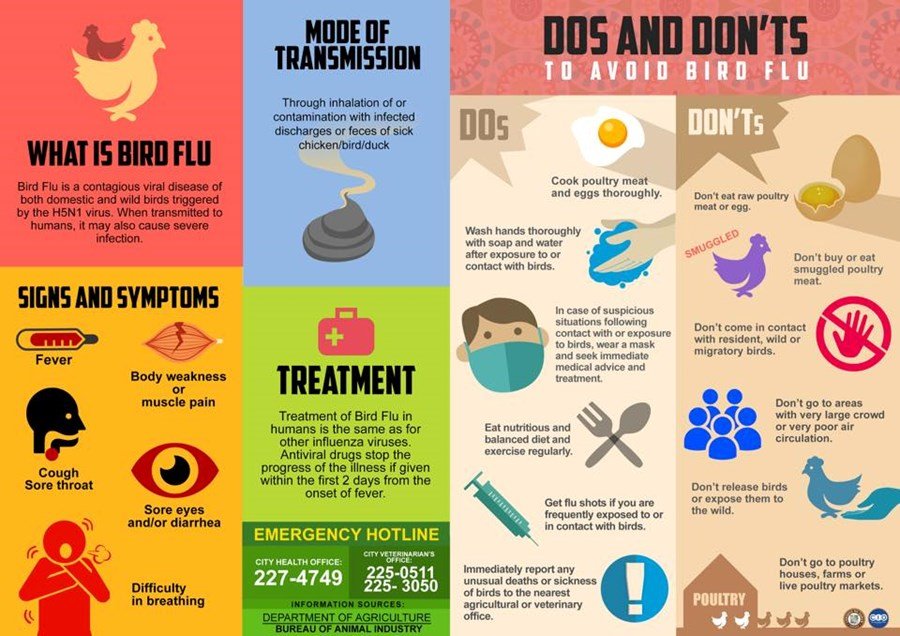
Bird flu, also known as avian influenza, is a contagious viral infection that primarily affects birds. It is caused by the avian influenza virus, which can infect domestic poultry and wild birds. While most strains of the virus do not infect humans, there have been cases where bird flu has been transmitted from birds to humans, leading to serious illness and even death.
Origin of Bird Flu
Bird flu originated in wild birds, where it exists naturally in their intestines and respiratory tract. The virus can be transmitted between birds through direct contact with infected birds or their droppings. Wild birds, especially waterfowl, serve as natural hosts for the virus and can carry it over long distances during migration.
Types of Bird Flu
There are many different strains of the avian influenza virus, with varying degrees of severity. The most well-known strain is H5N1, which first emerged in Hong Kong in 1997. This strain has caused numerous outbreaks in poultry and has also been responsible for human infections and deaths. Other strains, such as H7N9 and H5N8, have also been identified in recent years and have caused outbreaks in humans and birds.
Symptoms of Bird Flu
Common Symptoms
In humans, the symptoms of bird flu can vary from mild to severe. Common symptoms include fever, cough, sore throat, muscle aches, headache, and fatigue. Some individuals may also experience nausea, vomiting, and diarrhea. These symptoms are similar to those of other respiratory infections, making it challenging to diagnose bird flu based on symptoms alone.
Severity of Symptoms
In severe cases, bird flu can progress rapidly, leading to life-threatening complications such as pneumonia and acute respiratory distress syndrome (ARDS). Individuals with compromised immune systems, the elderly, and young children are at a higher risk of developing severe symptoms. It is essential to seek medical attention promptly if you suspect you have been exposed to bird flu and are experiencing severe symptoms.
Potential Complications
Complications of bird flu infection can include respiratory failure, organ failure, and secondary bacterial infections. These complications can be serious and require intensive medical care. It is crucial to monitor your symptoms closely and seek medical attention if your symptoms worsen or do not improve.

Causes of Bird Flu
Avian Influenza Virus
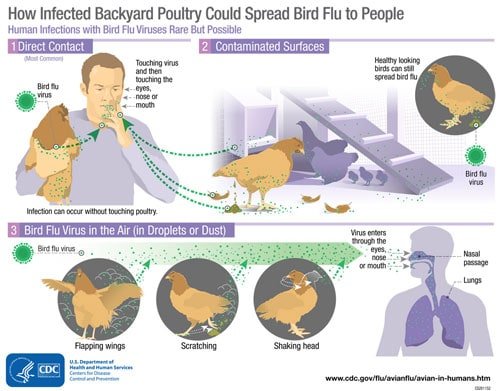
The avian influenza virus is the primary cause of bird flu. It is a type of influenza virus that primarily affects birds but can also infect humans and other animals. The virus can be transmitted through direct contact with infected birds or their droppings. It can also be spread through contaminated surfaces, equipment, or materials.
Transmission to Humans
Transmission of bird flu from birds to humans is rare, but it can occur through close contact with infected birds or their secretions. This typically happens in settings where humans have frequent and direct contact with infected birds, such as live poultry markets or farms. The virus can enter the human body through the respiratory system or through contact with the eyes, nose, or mouth.
Diagnosing Bird Flu
Clinical Diagnosis
The diagnosis of bird flu in humans is challenging because the symptoms are similar to those of other respiratory infections. A healthcare professional will evaluate your symptoms, medical history, and potential exposure to birds to make a clinical diagnosis. However, due to the similar symptoms, further testing is often required to confirm the presence of the avian influenza virus.
Lab Tests
Lab tests, such as a polymerase chain reaction (PCR) test, can be used to detect the presence of the avian influenza virus in respiratory samples or blood samples. These tests are more specific and can provide a definitive diagnosis. It is essential to consult a healthcare professional if you suspect you have bird flu to determine the appropriate testing and treatment options.
-400.ashx?h=565&w=400&hash=9944DACF3B26914A479ADC03BDC248A0 "Understanding Bird Flu: Symptoms and Prevention")
Treatment for Bird Flu
Antiviral Medications
Antiviral medications, such as oseltamivir (Tamiflu) or zanamivir (Relenza), may be prescribed to treat bird flu. These medications can help reduce the severity and duration of symptoms, especially if taken within the first 48 hours of symptom onset. However, the effectiveness of antiviral medications may vary depending on the specific strain of the virus.
Supportive Care
Supportive care is a crucial aspect of the treatment for bird flu. This includes getting plenty of rest, staying hydrated, and taking over-the-counter medications to relieve symptoms such as fever, cough, and pain. In severe cases, hospitalization may be necessary, and supportive treatments such as supplemental oxygen, mechanical ventilation, and intravenous fluids may be required.
Preventing Bird Flu
Vaccination
Vaccination is an effective way to prevent bird flu in poultry. Vaccines can be given to domestic birds to protect them from infection and reduce the risk of transmission to humans. However, due to the ever-evolving nature of the virus, new strains may emerge that are not covered by existing vaccines. Vaccination strategies should be regularly updated to ensure maximum effectiveness.
Proper Farm Hygiene
Practicing proper hygiene on poultry farms is essential to prevent the spread of bird flu. This includes implementing strict biosecurity measures, such as controlling access to farms, regularly disinfecting equipment and vehicles, and isolating sick or dead birds. Regular monitoring and surveillance of bird populations can also help detect and control outbreaks promptly.
Avoiding Infected Birds
To reduce the risk of exposure to bird flu, it is essential to avoid close contact with infected birds or their droppings. This includes avoiding poultry markets, live bird markets, and farms where bird flu outbreaks have been reported. Washing hands thoroughly with soap and water after handling birds or visiting areas with bird populations is also important.

Lifestyle and Home Remedies
Precautions to Take
Taking precautions in your daily life can help reduce the risk of bird flu. These include practicing good hand hygiene by washing your hands frequently, especially before eating or touching your face. Avoiding crowded places or close contact with individuals who are sick can also minimize the risk of exposure to the virus.
Boosting Immunity
Maintaining a healthy immune system can help prevent infections, including bird flu. Eating a balanced diet, engaging in regular physical activity, getting enough sleep, and managing stress are all important factors in supporting a robust immune system. Additionally, discussing with your healthcare provider about supplements or vitamins that may help boost your immunity can be beneficial.
Travel Precautions
Avoiding Poultry Markets
When traveling to areas where bird flu outbreaks have occurred, it is crucial to avoid visiting live poultry markets or farms. These settings present a higher risk of exposure to the virus. It is recommended to stay informed about local outbreaks and follow the guidelines provided by health authorities in the area.
Proper Hygiene while Traveling
Maintaining good hygiene practices while traveling can help reduce the risk of bird flu. This includes washing hands frequently with soap and water or using hand sanitizers when soap is not available. Avoiding touching your face, especially your eyes, nose, and mouth, can also minimize the risk of introducing the virus into your respiratory system.
Global Bird Flu Outbreaks
Recent Outbreaks
Bird flu outbreaks have occurred globally, affecting both poultry populations and humans. Major outbreaks have been reported in Asia, specifically in countries such as China, Vietnam, and Indonesia. These outbreaks have raised concerns about the potential for the virus to spread to other regions and cause a global pandemic.
Controlling the Spread
Controlling the spread of bird flu requires a coordinated effort between governments, health organizations, and the poultry industry. Surveillance systems must be in place to detect and monitor outbreaks promptly. Rapid response strategies, such as culling infected birds, quarantining affected areas, and implementing strict biosecurity measures, are crucial in containing the virus and preventing further spread.
Current Research and Future Strategies
Vaccine Development
Ongoing research is focused on the development of new vaccines to protect against emerging strains of the avian influenza virus. Scientists and pharmaceutical companies are working to improve the effectiveness and availability of vaccines, ensuring their compatibility with the constantly evolving nature of the virus.
Improved Surveillance
Enhanced surveillance systems are being developed to detect bird flu outbreaks more effectively. These systems utilize advanced technologies, such as real-time monitoring and genetic sequencing, to identify and track the spread of the virus. Timely and accurate surveillance data is crucial in implementing effective control measures and preventing widespread transmission.
In conclusion, bird flu is a serious viral infection that primarily affects birds but can also be transmitted to humans. Understanding the symptoms, causes, and prevention methods is essential in protecting yourself and others from infection. By practicing good hygiene, following travel precautions, and staying informed about outbreaks, we can reduce the risk of bird flu and contribute to global efforts in controlling its spread.