
Living with Brain Tumors: Coping Strategies explores the various ways in which individuals can navigate the challenges posed by brain tumors. From emotional support to practical coping mechanisms, this article offers a compassionate and informative glimpse into the lives of those affected by this condition. Discover how patients and their loved ones can find resilience, hope, and a sense of empowerment in the face of such a life-altering diagnosis.
Understanding Brain Tumors
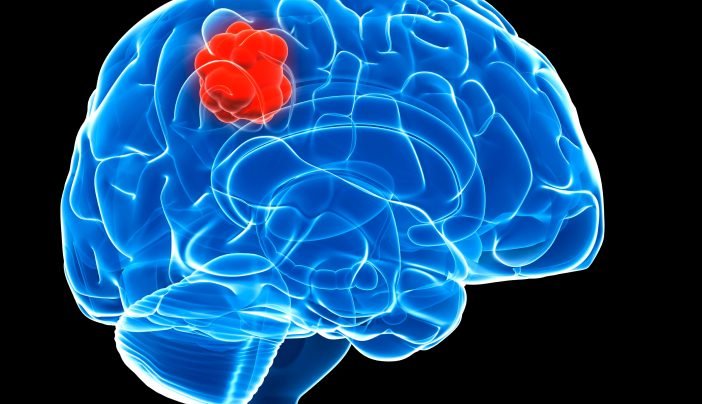
Brain tumors are abnormal growths of cells in the brain or its surrounding tissues. These tumors can be either cancerous (malignant) or non-cancerous (benign). There are different types of brain tumors, classified based on the type of cells they begin in, their location, and their behavior. Some common types include gliomas, meningiomas, pituitary tumors, and medulloblastomas.
Causes and Risk Factors
The exact causes of brain tumors are still not fully understood. However, certain risk factors have been identified that may increase the likelihood of developing a brain tumor. These risk factors include exposure to radiation, a family history of brain tumors, certain genetic disorders such as neurofibromatosis and tuberous sclerosis, and a history of certain types of cancer. While these factors increase the risk, it is important to note that brain tumors can develop in individuals without any known risk factors as well.
Symptoms and Diagnosis
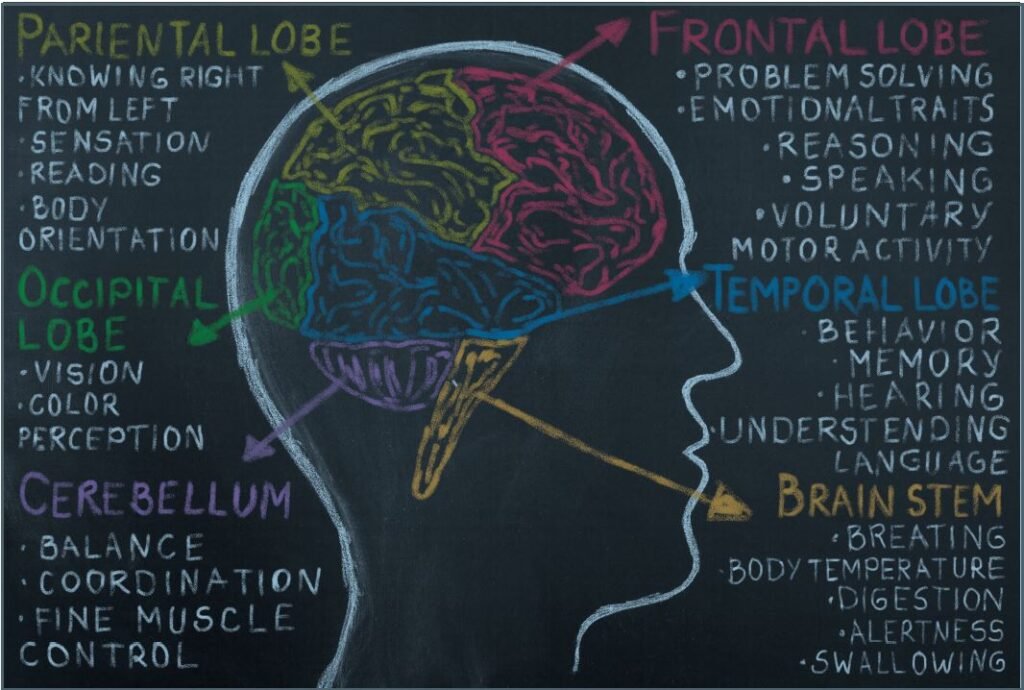
The symptoms of a brain tumor can vary depending on its size, location, and rate of growth. Common symptoms include persistent headaches, seizures, changes in vision or hearing, difficulty with balance or coordination, problems with memory or concentration, and personality or mood changes. If you experience any of these symptoms, it is important to consult a healthcare professional for a proper diagnosis. Diagnosis may involve a combination of imaging tests, such as MRI or CT scans, and a biopsy to analyze the tumor cells.
Medical Treatments for Brain Tumors
The treatment of brain tumors largely depends on the type, size, and location of the tumor, as well as the overall health of the individual. The main medical treatment options for brain tumors include surgery, radiation therapy, chemotherapy, targeted therapy, and immunotherapy.
Surgery
Surgery is often the first line of treatment for brain tumors. The goal of surgery is to remove as much of the tumor as possible without causing damage to the surrounding brain tissue. This can help relieve symptoms, reduce tumor size, and may increase the effectiveness of other treatments.
Radiation Therapy
Radiation therapy uses high-energy X-rays or other types of radiation to kill or shrink tumor cells. It can be used after surgery to kill any remaining cancer cells or as the primary treatment for inoperable tumors. Radiation therapy may cause side effects such as fatigue, hair loss, and skin changes, but these are usually temporary.
Chemotherapy
Chemotherapy involves the use of drugs that can kill tumor cells or prevent them from growing and dividing. It can be administered orally or through intravenous infusion. Chemotherapy is often used in combination with other treatments, such as surgery or radiation therapy. Side effects of chemotherapy can vary but may include nausea, hair loss, and fatigue.
Targeted Therapy
Targeted therapy uses drugs that specifically target certain molecules or proteins involved in the growth and survival of tumor cells. These drugs can interfere with the signals that promote tumor growth and may have fewer side effects compared to traditional chemotherapy. Targeted therapy is often used when a specific molecular alteration is identified in the tumor.
Immunotherapy
Immunotherapy is a type of treatment that stimulates the body’s immune system to recognize and attack cancer cells. It can be used to treat certain types of brain tumors, although research in this area is still ongoing. Immunotherapy may be administered through intravenous infusion or by injecting the medication directly into the tumor.
Non-Medical Therapies
In addition to medical treatments, there are also non-medical therapies that can help manage the symptoms and side effects of brain tumors. These therapies can be used alongside medical treatments to improve quality of life.
Complementary and Alternative Medicine
Complementary and alternative medicine (CAM) encompasses a range of therapies such as acupuncture, massage, herbal supplements, and mind-body techniques. These therapies are used to complement conventional medical treatments and may help reduce symptoms such as pain, nausea, and fatigue. It is important to discuss the use of CAM therapies with your healthcare team to ensure they are safe and appropriate for your specific situation.
Physical Therapy
Physical therapy focuses on improving mobility, strength, and coordination. A physical therapist can work with individuals with brain tumors to develop personalized exercise programs that can help improve physical function and manage symptoms such as balance difficulties and muscle weakness.
Occupational Therapy
Occupational therapy helps individuals regain independence and improve their ability to perform daily activities. An occupational therapist can assist in developing strategies to manage cognitive changes, such as memory problems and difficulty with concentration, and provide recommendations for adaptive equipment or modifications in the home environment.
Speech and Language Therapy
Brain tumors can sometimes affect speech and language abilities. Speech and language therapy can help individuals improve their communication skills and overcome speech difficulties caused by the tumor or its treatment. A speech and language therapist can provide exercises and techniques to improve speech clarity and address any swallowing difficulties.

Psychological Support
A brain tumor diagnosis can have a significant emotional and psychological impact on both the individual with the tumor and their loved ones. Engaging in psychological support services such as counseling or therapy can help individuals cope with the emotional challenges, manage stress, and develop effective coping strategies. Building a strong support system of friends, family, and healthcare professionals is crucial for emotional well-being.
Managing Symptoms and Side Effects
Managing the symptoms and side effects associated with brain tumors and their treatments is an essential part of the overall care plan. Here are some common symptoms and strategies for management:
Pain Management
Pain is a common symptom experienced by individuals with brain tumors. Medications such as analgesics or opioids may be prescribed to alleviate pain. Non-pharmacological interventions such as relaxation techniques, acupuncture, or physical therapy can also help manage pain.
Nausea and Vomiting
Nausea and vomiting are common side effects of brain tumor treatment, particularly chemotherapy and radiation therapy. Medications called antiemetics can be prescribed to help control these symptoms. Modifying the diet by eating small, frequent meals and avoiding strong smells or foods that trigger nausea can also be helpful.
Fatigue
Fatigue is a common symptom experienced by individuals with brain tumors. It is important to balance activity and rest, conserving energy when needed. Engaging in light physical activity, such as gentle walking or stretching, may help combat fatigue.
Cognitive and Memory Problems
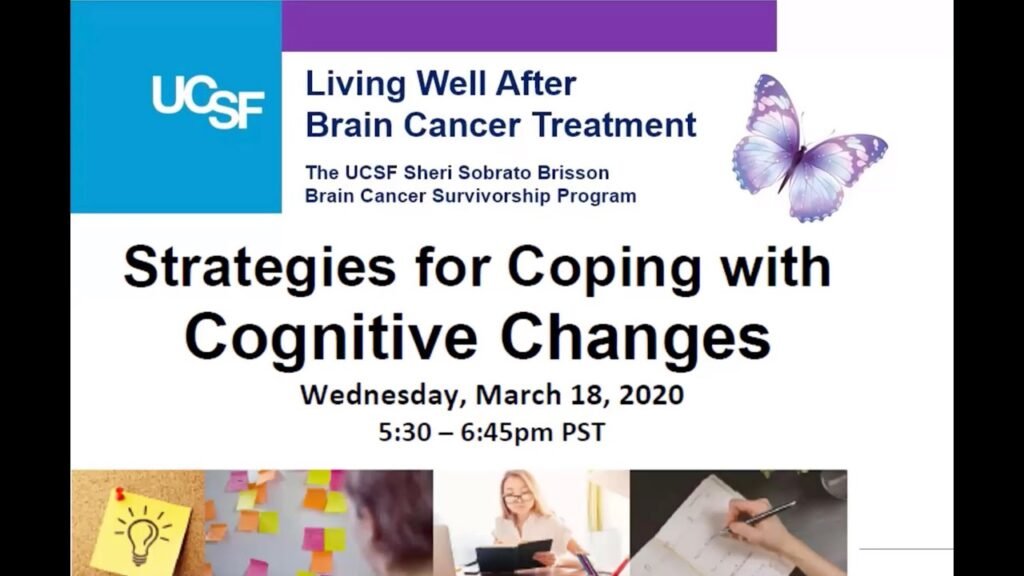
Brain tumors can sometimes cause cognitive and memory problems. Strategies such as using memory aids, following routines, breaking tasks into smaller steps, and engaging in cognitive exercises can help manage these difficulties. Occupational therapy and cognitive rehabilitation programs can provide guidance and support in improving cognitive function.
Emotional and Psychological Issues
A brain tumor diagnosis can trigger a range of emotional and psychological reactions such as anxiety, depression, and fear. Seeking psychological support and counseling can help individuals navigate these challenges, develop coping strategies, and improve overall emotional well-being.
Lifestyle Adaptations
Making certain lifestyle adaptations can help individuals with brain tumors better manage their condition and maintain overall well-being.
Nutrition and Diet
Eating a balanced diet rich in fruits, vegetables, whole grains, and lean proteins can help support overall health. A registered dietitian can provide personalized recommendations and assist in managing dietary challenges such as poor appetite or taste changes caused by treatment.
Exercise and Physical Activity
Engaging in regular physical activity, as advised by your healthcare team, can have numerous benefits for individuals with brain tumors. Exercise promotes cardiovascular health, improves mood, boosts energy levels, and can help manage certain symptoms such as fatigue and muscle weakness.
Sleep and Rest
Getting adequate sleep and rest is essential for overall health and well-being. Establishing a regular sleep routine, creating a calming sleep environment, and practicing relaxation techniques can help promote better sleep quality.
Stress Management Techniques
Stress can exacerbate symptoms and affect overall well-being. Implementing stress management techniques such as deep breathing exercises, mindfulness meditation, yoga, or engaging in hobbies and activities that bring relaxation and joy can help reduce stress levels.
Supportive Devices and Aids
Depending on the individual’s needs, various supportive devices or aids may be recommended. These can include mobility devices, assistive technology for communication or daily tasks, and adaptive equipment to assist with activities of daily living.
Creating a Support System
Building a strong support system is crucial for individuals with brain tumors and their caregivers. Having a network of family, friends, and healthcare professionals can provide emotional support, practical assistance, and valuable information throughout the journey.
Family and Friends
Family and friends play a vital role in providing emotional support and practical assistance to individuals with brain tumors. Their support and presence can help alleviate feelings of isolation and provide comfort during difficult times.
Support Groups
Support groups bring individuals facing similar challenges together to share experiences, provide emotional support, and exchange information. Joining a support group can provide a sense of belonging, reduce feelings of isolation, and offer an opportunity to learn from others who have gone through similar experiences.
Online Communities
The internet offers a vast array of online communities and forums where individuals with brain tumors and their caregivers can connect, share experiences, and gain support from others who understand what they are going through. It is important to exercise caution and verify the credibility of information when engaging in online communities.
Professional Support
Professional support from healthcare providers, psychologists, counselors, and social workers can be invaluable in navigating the challenges of living with a brain tumor. Healthcare professionals can offer medical expertise, address concerns, and provide guidance throughout the treatment journey.
Caring for the Caregiver
Caring for an individual with a brain tumor can be physically, emotionally, and mentally demanding. Caregivers need to prioritize their own well-being to be able to provide the best care possible. Here are some strategies for caregivers:
Recognizing Burnout and Self-Care
Caregivers often experience burnout, exhaustion, and feelings of overwhelm. It is important for caregivers to recognize the signs of burnout and take time for self-care. This may involve delegating tasks, seeking respite care, practicing stress management techniques, and seeking emotional support.
Balancing Responsibilities
Balancing caregiving responsibilities with other aspects of life, such as work, family, and personal needs, can be challenging. Setting boundaries, seeking support from family and friends, and utilizing community resources can help caregivers manage their responsibilities more effectively.
Seeking Support
Caregivers should not hesitate to seek support, whether it be from support groups, counseling services, or respite care. Seeking support allows caregivers to vent their feelings, gain insight from others, and receive practical assistance when needed.
Maintaining Wellbeing
Caregivers need to prioritize their own well-being by engaging in activities they enjoy, practicing self-care, and paying attention to their physical and emotional health. Engaging in hobbies, getting regular exercise, eating well, and managing stress can contribute to overall well-being.
Financial and Legal Considerations
A brain tumor diagnosis can come with financial and legal implications. It is important to consider these aspects and plan accordingly to alleviate potential stress and uncertainty.
Health Insurance and Medical Bills
Understanding health insurance coverage, including deductibles, copayments, and coverage for specific treatments, is essential. It can also be helpful to consult a financial advisor or social worker who can provide guidance on navigating medical bills and accessing financial resources.
Employment and Disability Benefits
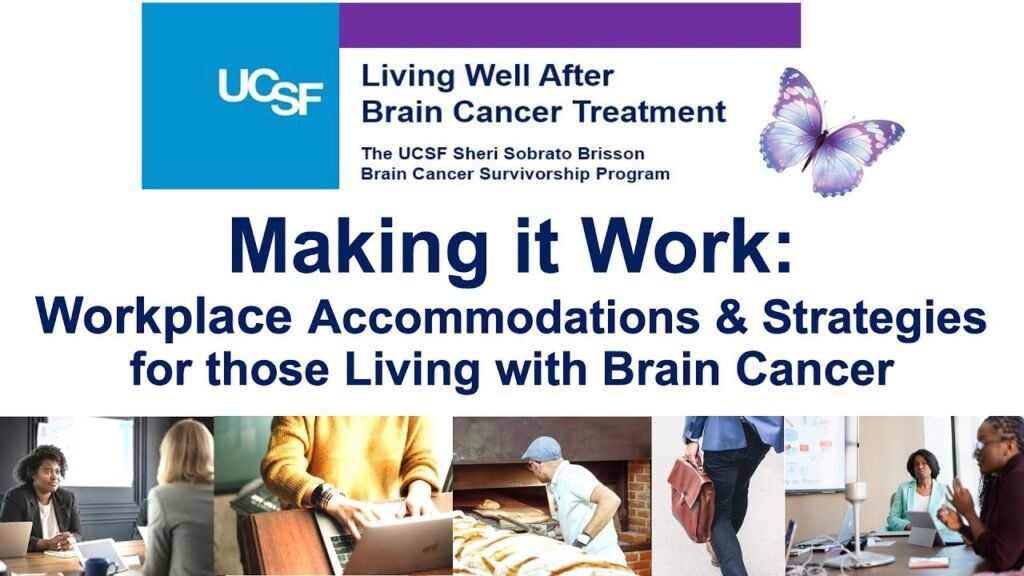
Individuals with brain tumors may face challenges in maintaining employment due to physical limitations or treatment schedules. Understanding employment rights, including the Family and Medical Leave Act (FMLA), and exploring disability benefits and accommodations can help individuals navigate their employment situation.
Legal and Financial Planning
Considering legal and financial planning can provide peace of mind for individuals with brain tumors and their families. This may involve creating a will, assigning power of attorney, and discussing end-of-life wishes with loved ones. Consulting with an attorney or financial planner who specializes in healthcare planning can be beneficial.
Dealing with Uncertainty and Future Planning
Living with a brain tumor can bring a sense of uncertainty about the future. It is important to address these concerns and engage in advance planning.
Living with Uncertainty
Living with uncertainty can be challenging. Engaging in mindfulness practices, seeking emotional support, and focusing on the present moment can help individuals cope with uncertainty and reduce anxiety about the future.
Advance Directives and End-of-Life Planning
Engaging in conversations about end-of-life wishes and considering decisions such as advance directives, healthcare proxies, and do-not-resuscitate (DNR) orders can provide individuals and their families with a sense of control and ensure that their wishes are honored.
Making Decisions about Treatment Options
Brain tumor treatment decisions can be complex and require careful consideration. It is important for individuals to gather all relevant information, ask questions, and consult with healthcare professionals to make informed decisions about treatment options that align with their goals and values.
Coping with Recurrence or Progression
Brain tumors may recur or progress despite initial treatment. Coping with this reality can be challenging. Seeking emotional support, discussing treatment options with healthcare professionals, and exploring clinical trials or experimental therapies can provide hope and potential alternatives.
Finding Hope and Celebrating Life
While living with a brain tumor can be challenging, it is important to find hope, celebrate life, and focus on the positive aspects. Here are some strategies for finding hope and embracing life:
Embracing Positivity and Mindfulness
Practicing positivity and mindfulness can help individuals shift their focus to the present moment, find gratitude, and appreciate the small joys in life. Engaging in activities that bring joy and happiness can promote a positive mindset.
Setting Realistic Goals and Priorities
Setting realistic goals and priorities can help individuals stay focused and give a sense of accomplishment. Breaking goals into smaller steps can make them more attainable and provide motivation on the journey.
Finding Joy and Meaning in Everyday Moments
Finding joy and meaning in everyday moments can contribute to overall well-being. Engaging in activities that bring happiness and fulfillment, spending time with loved ones, and cherishing special moments can help individuals maintain a positive outlook on life.
Sharing Experiences and Inspiring Others
Sharing experiences can provide support to others going through similar challenges and inspire hope. Engaging in support groups, participating in advocacy activities, or sharing personal stories online can make a positive impact on the lives of others.
Living with a brain tumor can be difficult, but with the right support and care, individuals can navigate the challenges and find ways to enhance their quality of life. It is important to work closely with healthcare professionals, build a strong support system, and prioritize self-care to optimize physical, emotional, and psychological well-being. By embracing positivity, setting realistic goals, and finding joy in everyday moments, individuals with brain tumors can continue to celebrate life and find hope along their journey.