
In this article, you will explore the latest research findings on brain tumors. Discover the cutting-edge advancements in understanding the complexities of brain tumors and the potential breakthroughs in treatment options that are emerging. From innovative imaging techniques to targeted therapies, the world of research is shedding new light on this intricate medical condition. Join us as we delve into the realm of brain tumor research and uncover the exciting possibilities that lie ahead.
Types of Brain Tumors
Gliomas
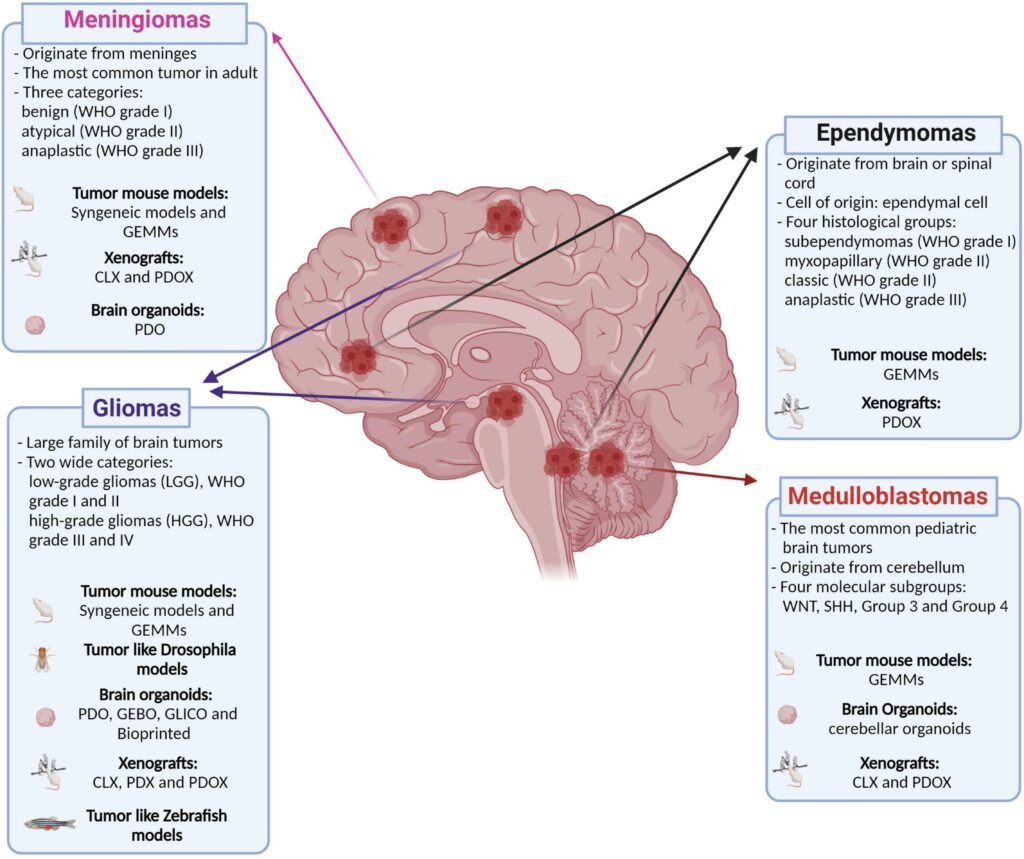
Gliomas are a common type of brain tumor that originate from the glial cells. These tumors can occur in any part of the brain and can be classified into different grades based on their aggressiveness. The most common types of gliomas include astrocytomas, oligodendrogliomas, and ependymomas.
Meningiomas
Meningiomas are usually noncancerous tumors that form on the membranes surrounding the brain and spinal cord. These tumors are more common in women and typically occur in older individuals. While most meningiomas grow slowly, some may require treatment if they cause symptoms due to their size or location.
Pituitary tumors
Pituitary tumors, also known as adenomas, develop in the pituitary gland – a small gland located at the base of the brain. These tumors can be divided into two types: functioning tumors, which secrete hormones and affect hormone levels, and non-functioning tumors, which do not produce hormones. Pituitary tumors can cause a range of symptoms depending on the hormones affected.
Medulloblastomas
Medulloblastomas are fast-growing tumors that primarily affect children. These tumors usually develop in the cerebellum, which is responsible for coordinating movement. Medulloblastomas can cause symptoms such as headaches, problems with balance and coordination, and changes in behavior. Prompt diagnosis and treatment are crucial for improving outcomes in children with medulloblastomas.
Schwannomas
Schwannomas arise from the cells that produce the protective covering (myelin) around nerve fibers. These tumors commonly affect the nerves associated with hearing and balance, such as the vestibular nerve. Symptoms of schwannomas may include hearing loss, ringing in the ears, and problems with balance. Surgical removal is often the recommended treatment for these tumors.
Oligodendrogliomas
Oligodendrogliomas are a type of glioma that develop from the cells that produce the myelin in the brain. These tumors are typically slow-growing and most commonly affect adults. Oligodendrogliomas can cause seizures, weakness, and cognitive impairments. Treatment options for oligodendrogliomas may include surgery, radiation therapy, and chemotherapy.
Pineal tumors
Pineal tumors are rare and usually develop in the pineal gland, a small structure in the brain that produces melatonin, a hormone that regulates sleep-wake cycles. These tumors can cause various symptoms, including changes in vision, hormonal imbalances, and headaches. Prompt diagnosis and treatment are important to prevent complications and preserve quality of life.
Craniopharyngiomas
Craniopharyngiomas are rare tumors that develop near the pituitary gland and hypothalamus. These tumors often occur in children and adolescents. Craniopharyngiomas can cause hormonal imbalances, vision problems, and headaches. Treatment for craniopharyngiomas usually involves surgical removal of the tumor, followed by hormone replacement therapy if necessary.
Embryonal tumors
Embryonal tumors are aggressive cancers that primarily affect infants and young children. These tumors can occur in various parts of the brain and can cause symptoms such as headaches, vomiting, and changes in behavior. Early diagnosis and intensive treatment are crucial for improving outcomes in children with embryonal tumors.
Mixed gliomas
Mixed gliomas are brain tumors that contain a combination of different types of glial cells. These tumors are rare and can present unique challenges in terms of diagnosis and treatment. The specific treatment approach for mixed gliomas depends on factors such as tumor grade, location, and individual patient characteristics.
Causes and Risk Factors
Genetic mutations
Genetic mutations can play a role in the development of brain tumors. Some people may inherit gene mutations that increase their risk, while others may acquire mutations over time. Understanding the specific genetic changes associated with brain tumors can help in developing targeted therapies and personalized treatment approaches.
Exposure to radiation
Exposure to ionizing radiation, such as radiation therapy for previous cancer treatment or radiation from environmental sources, can increase the risk of developing brain tumors. The extent of risk can depend on factors such as the dose and duration of radiation exposure. It is important to balance the potential risks and benefits when considering radiation therapy as a treatment option.
Family history
Having a close relative with a brain tumor may slightly increase the risk of developing a brain tumor. Some specific genetic syndromes, such as neurofibromatosis or Li-Fraumeni syndrome, are known to be associated with an increased risk of brain tumors. Genetic counseling and testing may be recommended for individuals with a family history of brain tumors.
Age
The risk of developing brain tumors tends to increase with age. Certain types of brain tumors, such as meningiomas and glioblastomas, are more commonly diagnosed in older individuals. However, brain tumors can occur at any age, including in children and young adults.
Gender
Some types of brain tumors, such as meningiomas, are more common in women, while others, like gliomas, affect both men and women equally. The reasons for these gender differences in tumor incidence are not yet fully understood and may involve hormonal factors among other possible influences.
Race
There may be some variations in the incidence of certain types of brain tumors among different racial and ethnic groups. Researchers are still investigating the underlying factors that contribute to these differences in tumor occurrence. Understanding these variations can help in improving diagnosis, treatment, and support for all individuals affected by brain tumors.
Certain medical conditions
Some medical conditions, such as neurofibromatosis and tuberous sclerosis, are associated with an increased risk of developing brain tumors. These conditions involve genetic mutations that affect the growth of cells in the nervous system. Regular medical monitoring and early intervention play a crucial role in managing the risk and detecting brain tumors at an early stage.
Environmental factors
While the exact role of environmental factors in brain tumor development is not fully understood, certain exposures have been suggested as potential risk factors. These include exposure to certain chemicals, such as vinyl chloride, and electromagnetic fields (EMFs) from sources like high-voltage power lines and cell phones. Further research is needed to better understand the relationship between environmental factors and brain tumors.
Previous cancer treatment
Some individuals who have undergone previous cancer treatment, such as radiation therapy or certain types of chemotherapy, may have an increased risk of developing subsequent brain tumors. The long-term effects of cancer treatment on brain health are an active area of research, and understanding these risks can help in developing strategies to minimize long-term complications.
Immune system disorders
Certain immune system disorders, such as HIV/AIDS and conditions that suppress the immune system, may increase the risk of developing brain tumors. The immune system plays a critical role in identifying and eliminating abnormal cells, including those that could potentially develop into tumors. Understanding the relationship between immune system function and brain tumor development is an important area of ongoing research.
Symptoms and Diagnosis
Headaches
Headaches are a common symptom of many conditions, including brain tumors. Headaches caused by brain tumors are typically more severe and persistent than usual headaches and may worsen over time. They may be accompanied by other symptoms such as nausea, vomiting, or changes in vision. If you experience persistent or severe headaches, it is important to consult a healthcare professional for evaluation.
Seizures
Seizures can occur when abnormal electrical activity in the brain disrupts normal brain function. Brain tumors can cause seizures by irritating or pressing on brain tissue. Seizures can manifest in different ways, such as convulsions, loss of consciousness, or unusual sensations. If you experience a seizure, seek medical attention to determine the underlying cause.
Nausea and vomiting
Nausea and vomiting can occur as a result of increased intracranial pressure caused by a brain tumor. These symptoms may worsen in the morning or with changes in body position. While nausea and vomiting can have various causes, persistent or unexplained symptoms should be evaluated by a healthcare professional.
Speech and vision problems
Brain tumors can affect areas of the brain responsible for speech and vision, leading to problems in these functions. Speech difficulties may include slurred speech, difficulty finding words, or difficulty understanding language. Vision problems may include blurred vision, double vision, or loss of peripheral vision. If you experience persistent or worsening speech or vision problems, it is important to seek medical evaluation.
Balance and coordination problems
Brain tumors located in certain areas of the brain, such as the cerebellum, can affect balance and coordination. Symptoms may include unsteady walking, clumsiness, and difficulty with fine motor movements. If you notice persistent or worsening balance and coordination problems, it is important to consult a healthcare professional.
Memory and cognitive issues
Brain tumors can cause changes in memory, thinking, and cognitive function. These changes may manifest as difficulty concentrating, memory loss, confusion, or changes in problem-solving abilities. If you or a loved one experience persistent or worsening cognitive issues, it is important to seek medical evaluation.
Imaging tests
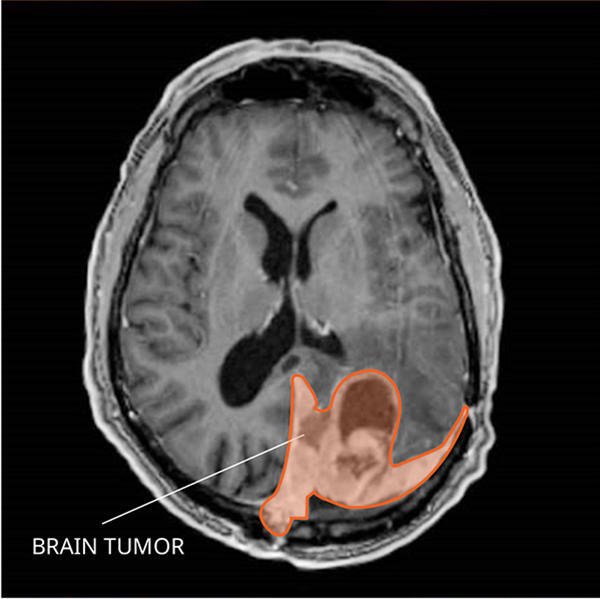
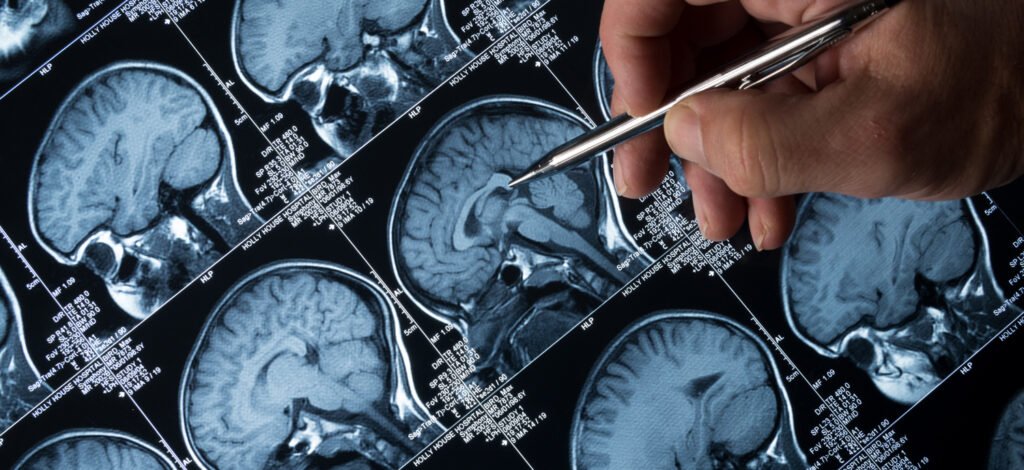
Imaging tests, such as magnetic resonance imaging (MRI) and computed tomography (CT) scans, play a crucial role in diagnosing brain tumors. These tests provide detailed images of the brain and can help identify the presence, location, and characteristics of a tumor. Imaging tests are usually performed alongside a thorough medical evaluation to determine the most appropriate course of treatment.
Biopsy
A biopsy involves removing a small piece of tissue from the brain tumor for examination under a microscope. This procedure can help determine the type of brain tumor and its grade, which is important for treatment planning. Biopsies may be performed using minimally invasive techniques or during brain surgery.
Spinal tap
A spinal tap, or lumbar puncture, involves the collection of cerebrospinal fluid (CSF) from the lower part of the spine. CSF analysis can provide valuable information about the presence of abnormal cells or other indicators of a brain tumor. Spinal taps are more commonly used in certain types of brain tumors, such as medulloblastomas.
Blood tests
Blood tests are not a direct means of diagnosing brain tumors; however, they can provide useful information about overall health and the function of specific organs. Blood tests may be used to assess specific markers, such as genetic mutations or tumor markers (substances produced by tumors), which can provide additional information to support the diagnosis and management of brain tumors.
Treatment Options
Surgery
Surgery is often the initial treatment for brain tumors that can be safely and completely removed. The goal of surgery is to remove as much of the tumor as possible while preserving normal brain tissue and neurological function. Depending on the location and type of tumor, different surgical approaches, such as open craniotomy or minimally invasive techniques, may be used.
Radiation therapy
Radiation therapy uses high-energy beams to kill cancer cells and shrink tumors. It can be used as the primary treatment for certain types of brain tumors or as an adjuvant treatment after surgery to eliminate any remaining cancer cells. Different types of radiation therapy, such as external beam radiation or stereotactic radiosurgery, may be used depending on the specific circumstances.
Chemotherapy
Chemotherapy involves the use of drugs that can kill cancer cells or inhibit their growth. Chemotherapy drugs can be given orally, intravenously, or directly into the cerebrospinal fluid. Chemotherapy may be used as the primary treatment for certain types of brain tumors or in combination with other treatment modalities.
Targeted drug therapy
Targeted drug therapy involves the use of medications that specifically target specific molecules that are critical for tumor growth and survival. These medications can interfere with specific pathways or processes within cancer cells, which can help slow down tumor growth or induce tumor cell death. Targeted therapies may be used in combination with other treatment approaches.
Immunotherapy
Immunotherapy harnesses the power of the immune system to recognize and attack cancer cells. It involves the use of medications that enhance the immune system’s ability to recognize and eliminate tumor cells. Immunotherapies have shown promising results in some types of brain tumors, and ongoing research aims to expand their use and improve effectiveness.
Clinical trials
Clinical trials are research studies that evaluate new treatments or treatment combinations for brain tumors. Participating in clinical trials can provide access to novel therapies and contribute to advancing medical knowledge. Before considering participation in a clinical trial, it is important to discuss the potential risks and benefits with healthcare professionals.
Supportive care
Supportive care focuses on managing symptoms, alleviating side effects of treatment, and improving quality of life. This can include the use of medications, physical therapy, occupational therapy, and psychological support. Supportive care is an important component of overall treatment and can help individuals manage the physical, emotional, and social challenges associated with brain tumor diagnosis and treatment.
Rehabilitation therapy
Rehabilitation therapy aims to maximize physical, cognitive, and emotional recovery after brain tumor treatment. This may include physical therapy to improve strength and mobility, speech therapy to address communication difficulties, and occupational therapy to facilitate a return to daily activities. Rehabilitation therapy is tailored to individual needs and can significantly improve functioning and overall quality of life.
Palliative care
Palliative care focuses on addressing the physical, emotional, and spiritual needs of individuals with brain tumors and their families. It aims to improve quality of life by managing symptoms and providing support throughout the treatment journey. Palliative care can be provided alongside active treatment and may transition to hospice care if the focus shifts to comfort and end-of-life care.
Follow-up care
Regular follow-up care is essential for individuals who have undergone treatment for brain tumors. Follow-up appointments allow healthcare professionals to monitor for any potential recurrence or complications, manage treatment-related side effects, and provide support. Following the recommended follow-up schedule is important for maintaining long-term health and well-being.
Advancements in Treatment
Precision medicine
Precision medicine involves tailoring treatment approaches based on individual characteristics, such as genetic mutations or other biomarkers. This personalized approach allows for more targeted and effective treatments, potentially minimizing side effects and improving outcomes for individuals with brain tumors.
Immunotherapies
Immunotherapies have shown promise in the treatment of various cancers, including some types of brain tumors. These therapies enhance the body’s immune response to target and destroy cancer cells. Ongoing research is exploring ways to optimize immunotherapies for brain tumors and expand their applicability to different tumor types.
Targeted therapies
Targeted therapies specifically target molecules or pathways involved in tumor growth and survival. These therapies can interrupt specific processes within cancer cells, inhibiting their growth or promoting cell death. The development of targeted therapies has revolutionized cancer treatment, offering more effective and less toxic options for many individuals with brain tumors.
Gene therapy
Gene therapy involves modifying or replacing defective genes in cells to treat or prevent disease. In brain tumor research, gene therapy holds promising potential for delivering therapeutic agents directly to tumor cells, enhancing the immune response against tumors, or inhibiting tumor growth. Ongoing research is exploring various approaches to gene therapy in the context of brain tumors.
Nanomedicine
Nanomedicine involves the use of nanoparticles to target and deliver medications directly to cancer cells while minimizing the impact on healthy tissues. This approach can enhance drug delivery and improve the effectiveness of treatments. In brain tumor research, nanomedicine holds promise for overcoming the blood-brain barrier and delivering therapies to otherwise difficult-to-reach tumors.
Stem cell therapy
Stem cell therapy involves using stem cells to repair or replace damaged cells in the body. In the context of brain tumors, stem cell therapy research aims to develop innovative approaches to target tumors, enhance the body’s immune response, or repair damage caused by tumors or treatment. However, more research is needed before stem cell therapies become standard practice.
Liquid biopsies
Liquid biopsies involve the analysis of blood or other body fluids to detect genetic mutations or other indicators of tumors. This non-invasive approach may complement or even replace traditional tissue biopsies in the future. Liquid biopsies can offer real-time monitoring of tumor status and may guide treatment decisions for individuals with brain tumors.
Artificial intelligence
Artificial intelligence (AI) and machine learning are playing an increasingly important role in brain tumor research and treatment. These technologies can analyze large volumes of medical data, assist in diagnosis, predict treatment response, and even guide surgical interventions. AI has the potential to greatly enhance the accuracy and efficiency of brain tumor management.
Virtual reality in surgery
Virtual reality (VR) technology can provide surgeons with detailed 3D visualizations of a patient’s brain, enabling better planning and navigation during surgical procedures. VR can enhance the precision and safety of brain tumor surgeries, potentially reducing surgical complications and improving patient outcomes.
Robot-assisted surgery
Robot-assisted surgery combines the expertise of skilled surgeons with the precision and dexterity of robotic systems. This approach allows for more precise tumor removal while minimizing damage to surrounding healthy tissues. Robot-assisted surgery has the potential to improve surgical outcomes and reduce the risk of complications in brain tumor treatment.
Risk Factors for Recurrence
Tumor type and grade
The type and grade of the brain tumor play a critical role in the risk of recurrence. High-grade tumors, such as glioblastomas, are more likely to recur compared to low-grade tumors. The genetic characteristics of the tumor and its response to treatment also influence the risk of recurrence.
Extent of resection
The extent to which the tumor can be surgically removed, known as the extent of resection, affects the risk of recurrence. Complete surgical removal of the tumor is associated with a lower risk of recurrence compared to partial resection. However, the feasibility of complete resection depends on various factors, including tumor size, location, and involvement of critical brain structures.
Age
Age can influence the risk of recurrence in brain tumor patients. Some studies suggest that younger age at diagnosis is associated with a higher risk of recurrence, possibly due to the more aggressive nature of certain tumor types in younger individuals. However, the relationship between age and recurrence risk can vary depending on tumor type and other factors.
Location of tumor
The location of the tumor within the brain can impact the risk of recurrence. Tumors located in more surgically accessible areas may be more amenable to complete resection, reducing the risk of recurrence. Conversely, tumors in deep or critical brain regions may be more challenging to remove completely, increasing the risk of residual tumor cells and subsequent recurrence.
Genetic factors
Certain genetic factors can influence the risk of recurrence in brain tumor patients. Specific genetic mutations or alterations may confer a higher risk of cancer cell resistance to treatment or facilitate the growth of residual tumor cells. Understanding these genetic factors can help guide treatment decisions and develop targeted therapies to minimize the risk of recurrence.
Treatment response
The response to initial treatment, such as surgery, radiation therapy, or chemotherapy, can impact the risk of recurrence. Achieving a complete response, where no visible tumor remains after treatment, is associated with a lower risk of recurrence compared to incomplete response. Regular monitoring of treatment response and modifying the treatment plan if needed can help minimize the risk of recurrence.
Immune system function
The immune system plays a crucial role in identifying and eliminating cancer cells. The functionality of the immune system, including the presence and activity of immune cells, can influence the risk of recurrence. Understanding the immune response to brain tumors can inform the development of immunotherapies and strategies to enhance immune system function to prevent recurrence.
Presence of tumor stem cells
Tumor stem cells are a small population of cells within tumors that have the ability to self-renew and differentiate into different types of tumor cells. These cells may be resistant to traditional therapies and have the potential to give rise to recurrent tumors. Targeting and eradicating tumor stem cells is a focus of ongoing research to reduce the risk of recurrence.
Angiogenesis
Angiogenesis is the process of new blood vessel formation that feeds tumors and promotes their growth. Tumors with increased angiogenesis are associated with a higher risk of recurrence. Targeting angiogenesis pathways may help disrupt the blood supply to tumors and reduce the chances of recurrence.
Tumor microenvironment
The tumor microenvironment, which consists of various cells and molecules surrounding the tumor, can influence tumor growth and recurrence. Factors such as inflammation, immune cell infiltration, and interactions with neighboring cells can impact the risk of recurrence. Understanding the complex interactions within the tumor microenvironment is an active area of research to develop innovative treatment strategies.
Survival Rates and Prognosis
Overall survival rates
Overall survival rates for brain tumors vary widely depending on tumor type, grade, location, and individual patient characteristics. Survival rates can range from a few months for aggressive high-grade tumors to several years or longer for low-grade or more treatable tumors. Treatment advances and personalized approaches have contributed to improving overall survival rates, but prognosis can still be challenging for certain aggressive brain tumors.
Tumor-specific survival rates
Tumor-specific survival rates provide a more detailed assessment of prognosis for specific types of brain tumors. Survival rates can differ significantly based on the specific tumor subtype, as each tumor type has unique characteristics and treatment considerations. Prognosis is generally better for low-grade tumors compared to high-grade tumors, but individual factors can significantly influence outcomes.
Prognostic factors
Several factors can influence the prognosis and survival outcomes for individuals with brain tumors. Age, tumor grade, extent of surgical resection, genetic markers, response to treatment, presence of metastasis, and overall health status are among the key prognostic factors considered by healthcare professionals. A comprehensive evaluation of these factors helps guide treatment decisions and provides insights into expected outcomes.
Age and gender
Age and gender can impact the prognosis and survival outcomes for brain tumor patients. Younger age is generally associated with better prognosis, as younger individuals may tolerate treatment better and have a lower risk of complications. Gender can also influence outcomes, with some tumor types showing variations in incidence and survival rates between males and females.
Tumor grade
Tumor grade refers to the level of abnormality and aggressiveness of the tumor cells. Low-grade tumors tend to grow more slowly and have a better prognosis compared to high-grade tumors, which are more aggressive and may have a higher risk of recurrence. Accurate grading of tumors through pathology evaluation is crucial for determining appropriate treatment strategies and predicting outcomes.
Extent of surgical resection
The extent to which a brain tumor can be surgically removed, known as the extent of resection, can impact prognosis. Complete resection of the tumor, if feasible, is associated with better outcomes compared to partial resection. However, the feasibility of complete resection depends on various factors, such as tumor location and involvement of critical brain structures.
Genetic markers
Certain genetic markers or mutations specific to individual tumors can influence prognosis. These markers may impact tumor growth, response to treatment, or the risk of recurrence. Genetic testing and analysis can provide valuable information for predicting prognosis and guiding treatment decisions in individuals with specific genetic markers.
Response to treatment
The response to treatment can significantly affect prognosis and survival outcomes. Achieving a complete response, where no visible tumor remains after treatment, is associated with better outcomes compared to partial response or progression of the disease. Regular monitoring of treatment response and modification of treatment plans as needed are essential to optimize outcomes.
Presence of metastasis
Metastasis refers to the spread of cancer cells from the primary tumor to other parts of the body. The presence of metastasis in the brain or other organs can negatively impact prognosis. Brain tumors that have metastasized from other sites, such as lung or breast cancer, present additional challenges in terms of treatment and overall prognosis.
Quality of life
In addition to survival rates, the overall quality of life is an important consideration for individuals with brain tumors. The physical, emotional, and social impact of the tumor and its treatment can significantly affect quality of life. Comprehensive supportive care, including symptom management, rehabilitation services, and psychological support, can contribute to enhancing quality of life for individuals with brain tumors.
Support and Resources
Support groups
Support groups provide an opportunity for individuals with brain tumors and their families to connect with others facing similar challenges. These groups offer a supportive and understanding environment where participants can share experiences, insights, and coping strategies. Support groups may be in-person or online, allowing for greater accessibility.
Counseling services
Counseling services, such as individual counseling or family therapy, can help individuals and families navigate the emotional and psychological impact of brain tumors. Professional counselors or therapists can provide support, guidance, and coping strategies to help manage the stress, anxiety, and other emotional challenges associated with the diagnosis and treatment of brain tumors.
Financial assistance programs
The financial burden associated with brain tumor diagnosis and treatment can be significant. Financial assistance programs, such as grants or foundations, may provide support for medical expenses, transportation, or other related costs. Social workers or financial counselors can help individuals explore available resources and connect them with relevant programs.
Online resources
Numerous online resources provide valuable information and support for individuals with brain tumors and their families. These resources may include medical organizations, advocacy groups, and reputable websites with educational materials, research updates, and forums for connecting with other individuals affected by brain tumors.
Clinical trials databases
Clinical trials databases, such as clinicaltrials.gov, provide comprehensive information about ongoing research studies for brain tumors. These databases allow individuals, healthcare professionals, and researchers to search for trials based on specific criteria, such as tumor type, location, or eligibility requirements. Participating in clinical trials can provide access to innovative treatments and contribute to advancing medical knowledge.
Advocacy organizations
Advocacy organizations play a vital role in raising awareness, supporting research, and providing resources for individuals affected by brain tumors. These organizations may offer educational materials, support services, and community outreach programs. Connecting with advocacy organizations can provide valuable support and a sense of community for individuals and families affected by brain tumors.
Hospital and treatment center directories
Hospital and treatment center directories can help individuals find specialized healthcare facilities that offer comprehensive brain tumor treatment and care. These directories typically provide information about the expertise, services offered, and contact details for different facilities. Identifying centers with expertise in brain tumor management can contribute to receiving high-quality care and treatment.
Health insurance information
Understanding health insurance coverage for brain tumor diagnosis, treatment, and follow-up care is essential. Health insurance information, including coverage details, network providers, and reimbursement guidelines, can be obtained from insurance providers or healthcare professionals. Financial counselors or social workers can assist in navigating insurance-related matters and exploring available options.
Second opinion services
Seeking a second opinion from another healthcare provider or specialist can offer additional perspectives and treatment recommendations. Second opinion services may be offered by healthcare institutions or can be accessed through networks of specialists. Second opinions can help individuals make more informed decisions about their treatment and care.
Patient education materials
Patient education materials, including brochures, pamphlets, or online resources, provide valuable information about brain tumors, treatment options, and supportive care. These materials may cover topics such as diagnosis, treatment modalities, self-care strategies, and resources for emotional support. Patient education materials contribute to improving patient understanding and engagement in their healthcare journey.
Current Challenges and Opportunities
Early detection and diagnosis
Early detection and diagnosis are crucial for improving outcomes in brain tumor patients. Challenges in recognizing early symptoms, variations in healthcare access, and limited screening tools contribute to delays in diagnosis. Ongoing research focuses on developing better diagnostic techniques, such as biomarkers or imaging advancements, to facilitate early detection and prompt intervention.
Limited treatment options
Despite advancements in treatment, brain tumors continue to present significant treatment challenges, especially in cases of aggressive or recurrent tumors. Limited treatment options for certain tumor types or resistance to conventional therapies highlight the need for continued research and the development of targeted approaches. Identifying new therapeutic targets and exploring innovative treatment modalities offer potential solutions to address this challenge.
Drug resistance
Resistance to conventional therapies, such as chemotherapy or radiation therapy, remains a significant challenge in the management of brain tumors. Cancer cells can develop mechanisms to evade or resist treatment, leading to recurrent or progressive disease. Overcoming drug resistance involves understanding the underlying mechanisms and developing novel treatment strategies, such as targeted therapies or immunotherapies.
Access to specialized care
Access to specialized healthcare facilities and expertise is crucial for optimal brain tumor management. Disparities in healthcare access, geographical limitations, and variations in healthcare resources can limit access to specialized care, leading to suboptimal treatment outcomes. Addressing these disparities and improving access to specialized care can help ensure all individuals receive the best possible treatment and support.
Long-term effects of treatment
Brain tumor treatments, such as surgery, chemotherapy, or radiation therapy, can have long-term effects on physical, cognitive, and emotional functioning. These effects may impact quality of life and require ongoing management and support. Recognizing and managing long-term treatment effects is vital to enhance survivorship and improve overall well-being for brain tumor patients.
Racial disparities in healthcare
Racial and ethnic disparities exist in the diagnosis, treatment, and outcomes of brain tumors. Factors such as healthcare access, socioeconomic status, cultural barriers, and biases can contribute to these disparities. Efforts are underway to address these inequities by promoting diversity in research, improving healthcare access, and raising awareness of the unique needs of underserved populations.
Clinical trial recruitment
Clinical trials are critical for advancing brain tumor research and developing novel treatment approaches. However, recruiting participants for clinical trials can be challenging due to various factors, including eligibility criteria, patient reluctance, and limited awareness. Enhancing clinical trial recruitment efforts, increasing diversity in trial participants, and improving patient education about clinical trials are ongoing priorities.
Cost of treatment
The cost of brain tumor diagnosis, treatment, and follow-up care can be significant, placing a financial burden on individuals and their families. High treatment costs, insurance coverage limitations, and out-of-pocket expenses can create barriers to accessing optimal care. Addressing the cost of treatment and exploring options for financial assistance are important steps toward ensuring equitable access to care.
Research funding
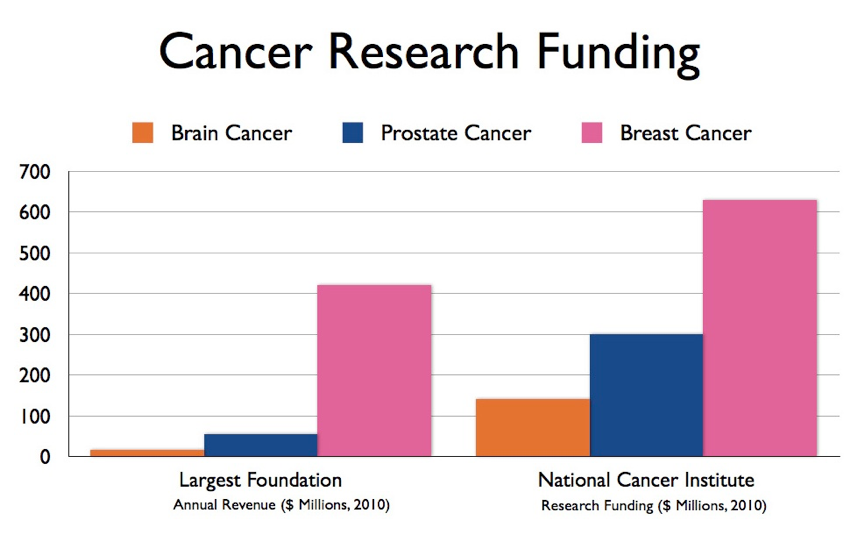
Sustained research funding is essential for advancing our understanding of brain tumors and developing innovative treatment modalities. Despite progress, brain tumor research remains underfunded relative to the impact of the disease. Advocacy efforts, increased public awareness, and government and philanthropic support are necessary to improve research funding and accelerate progress in brain tumor management.
Improving patient outcomes
Improving patient outcomes is a central goal in brain tumor research. This requires a comprehensive approach that addresses all aspects of the disease, from early detection to personalized treatment strategies and long-term supportive care. Collaborative efforts among healthcare professionals, researchers, advocacy organizations, and patients can drive improvements in patient outcomes and overall quality of life.
Future Directions in Brain Tumor Research
Advancements in imaging technology
Advancements in imaging technology, such as functional MRI, diffusion tensor imaging, or molecular imaging, have the potential to improve the accuracy of brain tumor diagnosis, treatment planning, and monitoring. Further research focuses on optimizing existing techniques and developing innovative imaging modalities to enable real-time assessment of tumor characteristics and treatment response.
Development of targeted therapies
Targeted therapies continue to be an area of active research for brain tumors. Identifying specific molecular targets and developing medications that can selectively block these targets offer therapeutic avenues. The challenge lies in effectively translating the knowledge gained from genetic and molecular profiling into clinically effective targeted therapies.
Personalized medicine approaches
Personalized medicine approaches aim to tailor treatment strategies based on individual patient characteristics, including genetic profiles, biomarkers, and other clinical factors. Precision diagnostics and treatment algorithms can guide individualized care plans, optimizing treatment outcomes and minimizing side effects. The ongoing integration of personalized medicine into brain tumor management offers great potential for improved patient care.
Gene editing and gene therapies
Gene editing technologies, such as CRISPR-Cas9, hold promise for selectively modifying or correcting genetic mutations involved in brain tumor development. These technologies can target cancer-promoting genes or enhance the body’s ability to fight tumor growth. Continued research into gene editing and gene therapies may lead to breakthroughs in treating and preventing brain tumors.
Immunotherapies and combination treatments
Immunotherapies, including checkpoint inhibitors and adoptive cell therapies, are transforming cancer treatment. Ongoing research focuses on refining existing immunotherapies and developing innovative approaches for brain tumors. Combining immunotherapies with other treatment modalities, such as targeted therapies or radiation therapy, may enhance their effectiveness and improve outcomes.
Biomarker discovery and validation
Biomarkers are measurable indicators that can provide valuable information about the presence, behavior, or response to treatment of brain tumors. Ongoing research aims to identify and validate biomarkers that can aid in early detection, prognosis prediction, and treatment monitoring. Biomarker-based approaches hold promise for improving diagnosis, treatment decision-making, and patient outcomes.
Drug repurposing
Drug repurposing involves identifying new therapeutic uses for existing medications that were initially developed for other indications. This approach offers the potential for faster translation of treatments to the clinic by leveraging existing safety and efficacy data. Drug repurposing can accelerate progress in brain tumor research and provide additional treatment options.
Exploring the tumor microenvironment
The tumor microenvironment plays a critical role in tumor growth, progression, and treatment response. Ongoing research focuses on understanding the complex interactions between tumor cells, immune cells, and other components of the tumor microenvironment. Targeting the tumor microenvironment offers new possibilities for treatment strategies and enhancing treatment efficacy.
Non-invasive treatment options
Advancements in non-invasive treatment options, such as focused ultrasound, laser interstitial thermal therapy, or nanotechnology-based therapies, offer the potential for precise, targeted treatment without the need for invasive surgery. These approaches combine imaging and therapeutic modalities to provide minimally invasive or completely non-invasive treatment options.
Enhancing supportive care
Supportive care plays a vital role in maintaining and improving quality of life for individuals with brain tumors. Ongoing research aims to develop innovative supportive care interventions, including symptom management strategies, psychosocial support, and survivorship programs. Enhancing supportive care can minimize treatment-related complications and promote overall well-being for patients and their families.
In conclusion, brain tumors encompass a wide range of types, each with its own characteristics, potential risk factors, symptoms, and treatment options. Advances in research and technology have led to improvements in diagnosis, treatment, and supportive care for individuals with brain tumors. However, challenges such as limited treatment options, resistance to therapies, and disparities in healthcare access remain. Ongoing research, advocacy efforts, and interdisciplinary collaboration offer opportunities for further progress and improved outcomes for individuals affected by brain tumors. With continued advancements and a comprehensive approach, the future of brain tumor management looks promising.