In this article, you will discover valuable tips and strategies to protect yourself from the dreaded brain-eating amoeba. These microscopic organisms are a rare but terrifying threat, capable of causing severe illness and even death. By understanding their behavior and implementing practical measures, you can significantly reduce the risk. From proper water hygiene to recreational precautions, this article will equip you with the knowledge and tools to safeguard yourself and your loved ones. Stay informed and stay safe!
Understanding Brain-Eating Amoeba
What is brain-eating amoeba?
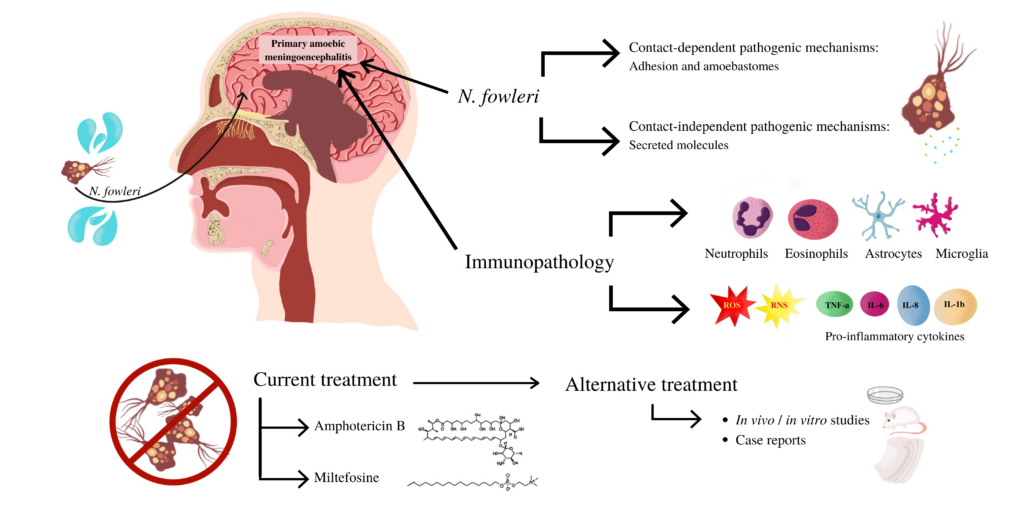
Brain-eating amoeba, scientifically known as Naegleria fowleri, is a rare and extremely dangerous single-celled organism. It is typically found in warm freshwater environments such as hot springs, lakes, and poorly maintained swimming pools. While infections caused by Naegleria fowleri are rare, they can be fatal, making it crucial to understand the nature of this organism and how it infects humans.
How does brain-eating amoeba infect humans?
Brain-eating amoeba enters the human body primarily through the nasal passages. When contaminated water enters the nose, the amoeba can travel through the olfactory nerve and reach the brain. Once in the brain, the amoeba causes an infection known as primary amebic meningoencephalitis (PAM). This infection is often characterized by inflammation of the brain and the surrounding tissues, which can lead to severe neurological symptoms and, if left untreated, can be fatal.
Common symptoms of brain-eating amoeba infection
The symptoms of a brain-eating amoeba infection typically appear within a few days of exposure. Initially, individuals may experience fever, headache, nausea, and vomiting, which can be easily mistaken for common flu symptoms. As the infection progresses, more severe symptoms may occur, including stiff neck, seizures, hallucinations, confusion, and loss of balance or coordination. If you suspect a brain-eating amoeba infection, it is crucial to seek immediate medical attention as early intervention can significantly improve the chances of survival.
Preventive Measures for Brain-Eating Amoeba
Avoiding exposure to contaminated water
One of the most effective ways to prevent brain-eating amoeba infection is to avoid exposure to contaminated water sources. It is important to be aware of high-risk environments, such as warm freshwater bodies and poorly maintained swimming pools. Avoid swimming or engaging in water activities in such areas, especially during hot summer months when the amoeba is most prevalent. Additionally, it is crucial to be cautious while using untreated water for activities such as nasal irrigation or playing with water toys.
Protective measures during water activities
When engaging in water activities, there are several protective measures you can take to minimize the risk of brain-eating amoeba infection. Using nose clips or plugs is highly recommended, as it prevents contaminated water from entering the nasal passages. Additionally, wearing protective swim gear, such as goggles or face masks, can provide an added layer of protection. Keeping your head above water and avoiding warm freshwater bodies further reduce the likelihood of exposure.
Water treatment and filtration
Proper water treatment and filtration systems play a vital role in preventing brain-eating amoeba infection. When visiting swimming pools, ensure that they have appropriate disinfection measures in place, such as maintaining adequate chlorine levels. Filtration systems should be effective in removing any potential contaminants, including amoeba cysts. Regular maintenance and cleaning of the water systems are essential to ensure the continued effectiveness of these preventive measures.
Creating awareness and education
Creating awareness and educating individuals about brain-eating amoeba is crucial for preventing infection. Spreading knowledge about the amoeba, its transmission, and the potential risks can help people make informed decisions and take necessary precautions. Implementing community outreach programs, collaborating with health organizations, and including brain-eating amoeba education in school curricula are effective ways to raise awareness and educate the public about preventive measures.
Avoiding Exposure to Contaminated Water
Understanding high-risk environments
To effectively avoid exposure to brain-eating amoeba, it is essential to understand the high-risk environments where its presence is more prevalent. Warm freshwater bodies, such as lakes, rivers, and hot springs, are potential breeding grounds for the amoeba. Additionally, poorly maintained swimming pools that lack proper disinfection and filtration systems can also pose a risk. Being aware of these environments and exercising caution when venturing into them is an important preventive measure.
Identifying potential sources of infection
To minimize the risk of exposure to brain-eating amoeba, it is crucial to identify potential sources of infection in your surroundings. Pay attention to warning signs and alerts at swimming areas, and make informed decisions about whether it is safe to swim. Avoid swimming in stagnant or warm water bodies, as they are more likely to harbor the amoeba. Being vigilant and proactive in identifying potential sources of infection can significantly reduce the risk of contraction.
Taking precautions in public swimming areas
Public swimming areas, such as pools and water parks, can provide a fun and refreshing experience. However, it is important to take necessary precautions to avoid brain-eating amoeba infection. Before using a public swimming pool, make sure it is well-maintained and regularly disinfected. Pay attention to the presence of proper filtration systems to ensure the water is clean and free from contaminants. Additionally, always follow the instructions and guidelines provided by the facility for a safe and enjoyable swimming experience.
Preventing water from entering the nose
As brain-eating amoeba primarily enters the body through the nasal passages, preventing water from entering the nose is a vital preventive measure. When engaging in water activities, using nose clips or plugs can be highly effective in blocking contaminated water from reaching the nasal passages. Nose clips are readily available and easy to use, making them a convenient option for individuals of all ages. By taking this simple precaution, you can significantly reduce the risk of brain-eating amoeba infection.
Protective Measures during Water Activities
Using nose clips or plugs
When participating in water activities in high-risk environments, using nose clips or plugs is a simple yet effective measure to protect yourself against brain-eating amoeba infection. These small devices are designed to fit comfortably over the nostrils, preventing water from entering the nasal passages. It is recommended to choose nose clips or plugs made from durable and hypoallergenic materials for maximum safety and comfort.
Wearing protective swim gear
In addition to using nose clips or plugs, wearing protective swim gear can provide an extra layer of protection during water activities. Goggles or face masks can help shield the eyes and nasal passages from potential contaminants, including brain-eating amoeba. Ensure that the gear fits properly and seals tightly to prevent water from infiltrating. By combining the use of nose clips or plugs with protective swim gear, you can significantly reduce the risk of infection.
Keeping the head above water
Keeping your head above water is another preventive measure to consider during water activities. By avoiding complete submersion, you minimize the chances of water entering the nasal passages and potentially carrying brain-eating amoeba. While it is not always possible to keep your head entirely out of the water, making an effort to maintain a higher head position and avoiding deep dives can greatly reduce the risk of infection.
Avoiding warm freshwater bodies
Given that brain-eating amoeba thrives in warm freshwater environments, it is advisable to avoid swimming or engaging in water activities in such bodies of water. Hot springs, lakes, and stagnant ponds are particularly high-risk areas. Opting for well-maintained swimming pools or natural water bodies with colder temperatures can significantly reduce the likelihood of encountering brain-eating amoeba.
Water Treatment and Filtration
Ensuring proper disinfection of swimming pools
When using public or private swimming pools, it is essential to ensure that proper disinfection measures are in place. The concentration of chlorine should be correctly maintained to effectively eliminate any potential pathogens, including brain-eating amoeba. Regular monitoring of chlorine levels and adjustment as necessary is crucial to prevent contamination. Consult with pool management or a professional if you have any concerns about the adequacy of disinfection practices.
Maintaining appropriate chlorine levels
Chlorine is a powerful disinfectant that helps eliminate harmful microorganisms present in swimming pools. To prevent brain-eating amoeba infection, it is important to maintain appropriate chlorine levels as recommended by health and safety regulations. Regularly testing the water and adjusting chlorine levels accordingly ensures optimal disinfection and reduces the risk of contamination. Work closely with pool managers or professionals to ensure that your swimming environment is adequately protected.
Implementing effective filtration systems
Filtration systems are crucial components of maintaining a clean and safe swimming environment. They play a vital role in removing potential contaminants, including brain-eating amoeba cysts, from the water. Consider swimming in pools that have effective filtration systems, such as sand, cartridge, or diatomaceous earth filters. These systems should be regularly maintained and cleaned to ensure that they function optimally. Proper filtration significantly reduces the risk of exposure to brain-eating amoeba.
Regular maintenance and cleaning
Regular maintenance and cleaning of swimming pools are essential to prevent the accumulation and growth of harmful microorganisms, including brain-eating amoeba. This includes routine cleaning of pool surfaces, skimming debris, and checking filtration systems for proper functioning. Implementing a regular maintenance schedule and adhering to it diligently is crucial for reducing the risk of infection. Pool managers and professionals should be knowledgeable about these practices and ensure that they are followed consistently.
Creating Awareness and Education
Spreading knowledge about brain-eating amoeba
Creating awareness about brain-eating amoeba is crucial to ensure individuals understand the risks and take necessary preventive measures. Spreading knowledge about the amoeba through various channels, such as social media, news articles, and educational campaigns, can reach a wide audience and provide valuable information. By enhancing public understanding, we can empower individuals to make informed decisions and protect themselves against brain-eating amoeba infection.
Educating individuals about preventive measures
In addition to spreading knowledge about brain-eating amoeba, educating individuals about preventive measures is essential. Ensure that information about avoiding high-risk environments, using protective gear, and taking precautions during water activities is widely disseminated. Educational resources, such as brochures, posters, and online materials, can provide clear and concise instructions on how to prevent brain-eating amoeba infection. By equipping individuals with knowledge, we can empower them to protect themselves and others.
Implementing community outreach programs
Community outreach programs are effective in reaching populations that may be at higher risk of brain-eating amoeba infection. Collaborate with local health organizations, schools, and community centers to organize educational sessions, workshops, and events. These programs can provide opportunities for individuals to learn about the amoeba, understand preventive measures, and ask questions. Additionally, incorporating brain-eating amoeba prevention into existing healthcare initiatives can further enhance community awareness and engagement.
Collaborating with health organizations
Collaboration with health organizations is crucial in creating a comprehensive approach to brain-eating amoeba prevention. Work closely with local health departments, hospitals, and research institutions to develop effective strategies and initiatives. Share information, discuss challenges, and collaborate on educational campaigns. By pooling resources and expertise, we can ensure that brain-eating amoeba prevention efforts are coordinated, well-informed, and have a significant impact on public health.

Additional Protective Measures
Avoiding swimming in poorly maintained pools
Poorly maintained swimming pools can pose a significant risk of brain-eating amoeba infection. Ensure that the pool you plan to swim in meets proper maintenance standards and regularly undergoes disinfection and cleaning procedures. If there are visible signs of neglect, such as cloudy water, algae growth, or strong chlorine odor, it is advisable to avoid swimming in such pools until the necessary improvements are made.
Minimizing or eliminating the use of untreated water
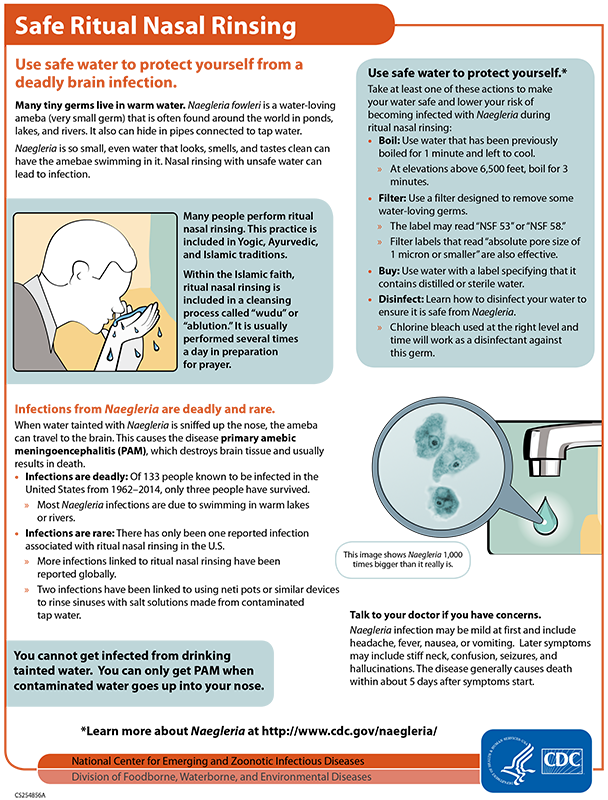
Using untreated water for activities such as nasal irrigation, especially in high-risk environments, can increase the chances of brain-eating amoeba infection. Minimize or eliminate the use of untreated water altogether, opting for distilled or sterile water instead. These alternatives are readily available and significantly reduce the risk of contamination. By taking this simple precaution, you can protect yourself from potential exposure to brain-eating amoeba.
Using distilled or sterile water for nasal irrigation
If you require nasal irrigation for health reasons, it is essential to use safe water sources to prevent brain-eating amoeba infection. Distilled or sterile water is recommended for nasal irrigation to ensure it is free from potential contaminants, including the amoeba. These options can be purchased at most pharmacies or prepared at home using appropriate techniques. By using distilled or sterile water, you prioritize your health and minimize the risk of infection.
Being cautious in hot springs and thermally polluted water
Hot springs and water bodies that are thermally polluted can harbor brain-eating amoeba. Exercise caution when visiting such environments, as the amoeba thrives in warm water temperatures. Be aware of the potential risks and avoid submerging your head in these waters to prevent water from entering the nasal passages. By being cautious and informed, you can enjoy these natural wonders while minimizing the risk of brain-eating amoeba infection.
Proactive Strategies for High-Risk Individuals
Understanding individuals at higher risk
Certain individuals may be at higher risk of brain-eating amoeba infection, and it is important to recognize and understand these risk factors. People with compromised immune systems, individuals who have recently undergone nasal surgery, and those with specific genetic conditions may be more susceptible to infection. Recognizing these factors allows healthcare providers and individuals to tailor preventive measures to ensure maximum protection.
Discussing preventive measures with healthcare providers
High-risk individuals should consult with their healthcare providers to discuss tailored preventive measures against brain-eating amoeba infection. Healthcare providers can provide personalized advice based on individual health conditions and specific risk factors. These measures may include avoiding certain water activities, taking extra precautions during water-related activities, or considering alternative water-based activities altogether. Open communication with healthcare providers ensures a proactive approach to minimizing the risk of infection.
Considering alternative water-based activities
If engaging in high-risk water activities poses a significant concern for individuals at higher risk of brain-eating amoeba infection, considering alternative water-based activities can be a proactive strategy. Exploring options such as swimming pools with stringent maintenance protocols and cooler water temperatures or engaging in non-water-related recreational activities can provide a safer alternative without compromising enjoyment. It is important to find activities that are both enjoyable and minimize the risk of brain-eating amoeba exposure.
Seeking immediate medical attention upon exposure
In the event of potential exposure to brain-eating amoeba, immediate medical attention is crucial. Even if symptoms have not yet appeared, informing healthcare providers about the potential exposure allows for early evaluation and timely intervention. Prompt medical attention can significantly improve treatment outcomes and increase the chances of survival. If you suspect exposure to brain-eating amoeba, do not hesitate to reach out to your healthcare provider and seek medical evaluation.

Medical and Research Initiatives
Developing effective treatment options
Efforts in medical research are essential to develop effective treatment options for brain-eating amoeba infection. Due to the rarity of the infection, treatment options are limited and oftentimes challenging. By investing in research and development, scientists and healthcare professionals can work towards finding more accessible, targeted treatments that improve survival rates. Continued research is crucial to saving lives and minimizing the impact of brain-eating amoeba infection.
Improving diagnostic methods
Improving diagnostic methods for brain-eating amoeba infection is another important aspect of medical research. Early detection is crucial for timely intervention and improved outcomes. Scientists and researchers are continually working towards developing more accurate and rapid diagnostic tools. These advancements can help healthcare providers make informed decisions, initiate appropriate treatment, and reduce the risk of misdiagnosis or delayed intervention.
Enhancing surveillance and reporting systems
Enhancing surveillance and reporting systems is crucial for monitoring the prevalence and incidence of brain-eating amoeba infection. Close collaboration between healthcare providers, laboratories, and health authorities allows for accurate data collection, analysis, and reporting. This information helps identify high-risk areas, specific populations at higher risk, and trends over time. By continually improving surveillance and reporting systems, public health efforts can be more targeted and effective.
Promoting research for prevention and control
Research focused on prevention and control strategies plays a vital role in minimizing the risk of brain-eating amoeba infection. Studies investigating the effectiveness of preventive measures, such as water treatment and filtration systems, can provide valuable insights for implementing evidence-based prevention strategies. Additionally, research can help identify novel approaches and technologies to further improve preventive measures. Continued investment in research for prevention and control is essential for ensuring a safer environment for all.
Conclusion
In conclusion, understanding brain-eating amoeba and the preventive measures necessary to combat its infection is of utmost importance. By avoiding exposure to contaminated water, taking precautions during water activities, implementing water treatment and filtration systems, creating awareness and education, and considering additional protective measures, we can significantly reduce the risk of brain-eating amoeba infection. It is essential to stay vigilant, informed, and proactive in our efforts to protect ourselves and our communities. Through individual and collective responsibility, along with continued advancements in medical research and education, we can work towards a safer environment for all.