
Are you tired of dealing with the constant pain and discomfort caused by chronic bursitis? Look no further, as this article provides you with practical strategies for long-term relief. From simple lifestyle changes to advanced treatment options, we’ve got you covered. Say goodbye to the limitations imposed by bursitis and embrace a pain-free life with the help of our expert advice.
Understanding Bursitis
What is bursitis?
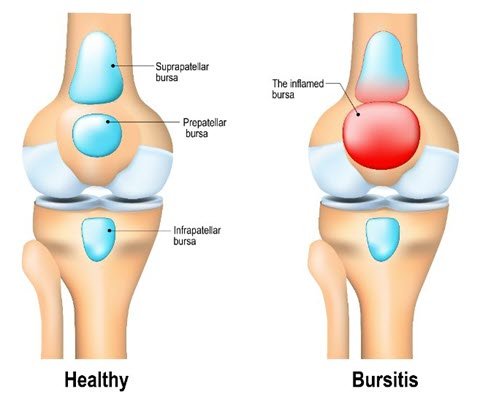
Bursitis is a condition that occurs when the small fluid-filled sacs called bursae, which act as cushions between bones, tendons, and muscles, become inflamed. These bursae are located throughout the body, particularly in joints that undergo repetitive motions. Bursitis most commonly affects the shoulder, hip, elbow, and knee joints.
Causes of bursitis
Bursitis can be caused by various factors, including repetitive motions, injury, or prolonged pressure on the affected area. Certain professions or activities that involve repetitive movements, such as painting, carpentry, or playing certain sports, increase the risk of developing bursitis. Additionally, age-related changes in the bursae and underlying joint structures can contribute to the development of this condition.
Symptoms of bursitis
The symptoms of bursitis are characterized by pain, tenderness, swelling, and limited range of motion in the affected joint. The pain may worsen with movement or pressure on the bursa. In some cases, the bursa may become infected, leading to additional symptoms such as fever, redness, and warmth in the area.
Diagnosing Chronic Bursitis
Visiting a healthcare professional
If you suspect you may be experiencing chronic bursitis, it is important to visit a healthcare professional for an accurate diagnosis. They will be able to assess your symptoms, medical history, and conduct a physical examination to determine the presence of bursitis or any other underlying conditions.
Medical history and physical examination
During your visit, the healthcare professional will ask you about your medical history and any factors that may have contributed to the development of bursitis. They will also conduct a physical examination to assess the affected joint, looking for signs of inflammation, tenderness, and limited range of motion.
Imaging tests
In some cases, imaging tests such as X-rays, ultrasound, or magnetic resonance imaging (MRI) may be ordered to further evaluate the affected joint and rule out other possible causes of your symptoms. These tests can provide detailed images of the bones, soft tissues, and bursae, helping the healthcare professional make an accurate diagnosis.
Lab tests
In certain situations, lab tests such as blood tests or joint fluid analysis may be conducted to identify any underlying infections or other inflammatory conditions that could be contributing to your symptoms. These tests can help guide the treatment plan and ensure appropriate management of your chronic bursitis.
First-Line Non-Surgical Treatments
Rest and activity modification
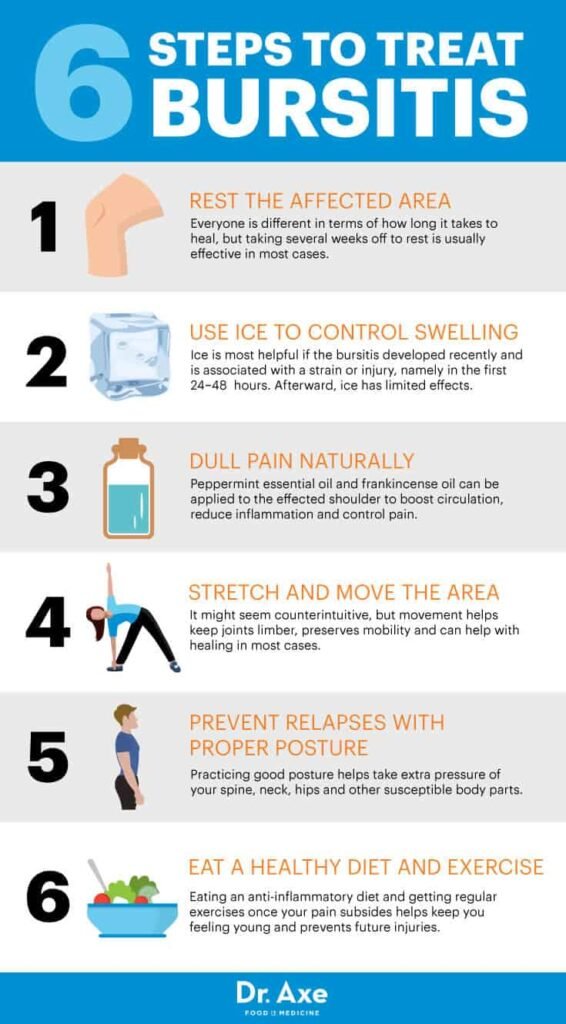
One of the primary recommendations for managing chronic bursitis is to rest the affected joint and modify your activities to avoid further irritation. Resting allows the inflamed bursa to heal, reducing pain and inflammation. Your healthcare professional may provide specific guidelines on the duration and level of rest needed for optimal recovery.
Applying ice and heat
Applying ice packs or cold compresses to the affected joint can help reduce pain and inflammation associated with chronic bursitis. Ice should be applied for about 15-20 minutes several times a day. Additionally, heat therapy, such as using warm towels or taking warm baths, may also provide relief by increasing blood flow to the area and promoting relaxation of the surrounding muscles.
Over-the-counter pain relievers
Over-the-counter nonsteroidal anti-inflammatory drugs (NSAIDs), such as ibuprofen or naproxen sodium, can be effective in relieving pain and reducing inflammation associated with chronic bursitis. However, it is important to follow the recommended dosage and check with your healthcare professional if you have any underlying medical conditions or are taking other medications.
Physical therapy
Physical therapy plays a crucial role in managing chronic bursitis by improving the strength and flexibility of the affected joint. A physical therapist will develop a customized treatment plan that includes specific exercises and stretches to relieve pain, strengthen the surrounding muscles, and improve joint function. They may also incorporate modalities such as ultrasound or electrical stimulation to further promote healing and reduce inflammation.
Alternative Therapies for Relief
Acupuncture
Acupuncture, an ancient Chinese practice that involves the insertion of thin needles into specific points on the body, has been found to provide relief for individuals with chronic bursitis. This technique is believed to stimulate the body’s natural healing response, reduce pain, and promote overall well-being. It is important to consult with a licensed acupuncturist to ensure safe and effective treatment.
Chiropractic care
Chiropractic care focuses on the relationship between the spine and the nervous system and aims to optimize overall health through manual adjustments and manipulations. Chiropractors can provide treatments that help alleviate pain and improve joint function in individuals with chronic bursitis. They may also offer recommendations for at-home exercises and lifestyle modifications to support long-term relief.
Massage therapy
Massage therapy can be beneficial for managing chronic bursitis by reducing muscle tension, increasing blood flow, and promoting relaxation. A skilled massage therapist can target the affected area and use various techniques to relieve pain and inflammation. Regular massage sessions can also help improve joint mobility and support overall well-being.
Topical treatments
Topical treatments, such as creams, gels, or patches, containing ingredients like menthol, capsaicin, or lidocaine, can provide temporary relief from pain associated with chronic bursitis. These treatments work by numbing the affected area or reducing inflammation. It is important to carefully follow the instructions and consult with your healthcare professional before using any topical products.

Corticosteroid Injections and Other Medications
Injections of corticosteroids
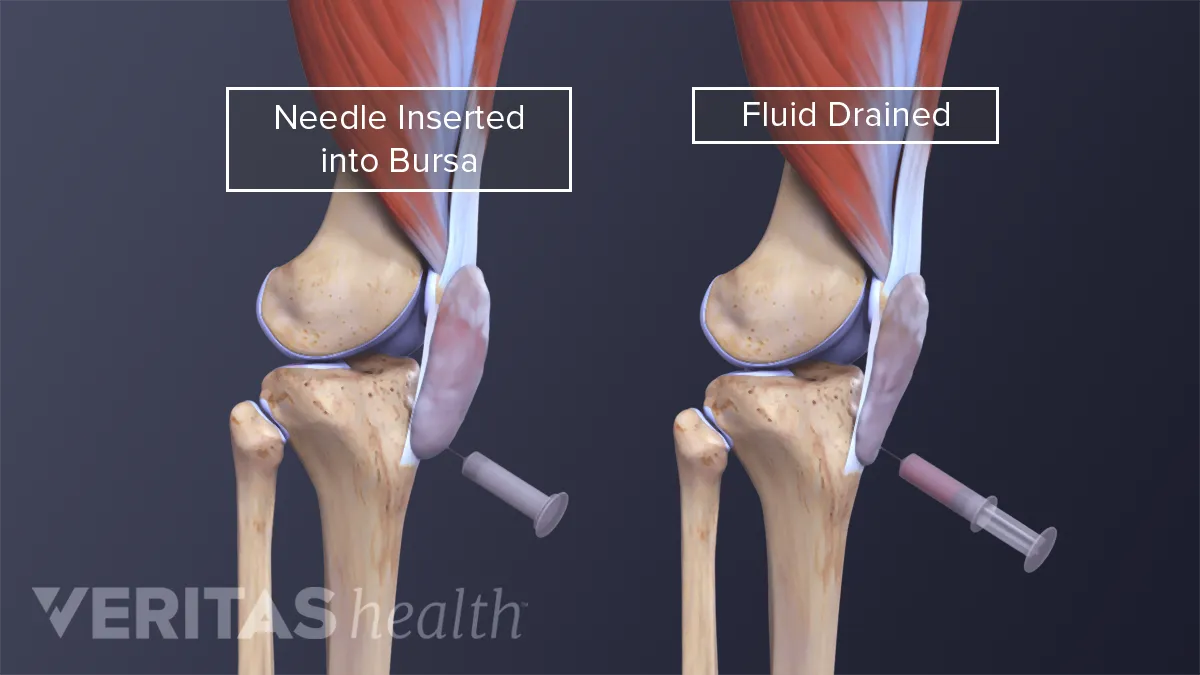
In cases where conservative treatments have not provided sufficient relief, a healthcare professional may recommend corticosteroid injections directly into the inflamed bursa. These injections can help reduce pain and inflammation and provide longer-term relief. While they can be highly effective, corticosteroid injections are generally limited to a few times per year due to potential side effects.
Other medications for pain and inflammation
In addition to corticosteroids, other medications such as nonsteroidal anti-inflammatory drugs (NSAIDs) or oral steroids may be prescribed to manage pain and inflammation associated with chronic bursitis. These medications may be used alongside other non-surgical treatments to provide comprehensive relief. It is important to closely follow the healthcare professional’s instructions regarding dosage and potential side effects.
Surgical Options for Chronic Bursitis
When surgery is necessary
Surgery for chronic bursitis is typically considered when conservative treatments have failed to provide adequate relief or when the condition significantly impairs daily functioning. Your healthcare professional will carefully evaluate your symptoms, medical history, and imaging results to determine if surgery is necessary in your case.
Types of surgical procedures for bursitis
There are several surgical procedures that can be performed to alleviate chronic bursitis, depending on the location and severity of the condition. These procedures may involve removing the inflamed bursa, repairing damaged tissues, or addressing any underlying structural abnormalities. The specific surgical approach will be determined by your healthcare professional based on your individual needs.
Recovery and rehabilitation
Following surgery for chronic bursitis, a period of recovery and rehabilitation is necessary to optimize outcomes and restore functional ability. This may involve physical therapy, immobilization of the affected joint, and gradually reintroducing activities as guided by your healthcare professional. It is important to adhere to the post-operative care instructions and attend any follow-up appointments for proper monitoring and guidance.

Preventing Chronic Bursitis
Maintaining a healthy weight
Maintaining a healthy weight is crucial in preventing chronic bursitis, as excess weight places additional stress on the joints and bursae. By maintaining a balanced diet and engaging in regular physical activity, you can reduce the risk of developing bursitis and other joint-related conditions.
Proper posture and body mechanics
Maintaining proper posture and practicing good body mechanics during daily activities can help prevent the onset of chronic bursitis. It is important to avoid prolonged periods of poor posture, such as slouching or hunching over, and to use proper lifting techniques to minimize strain on the joints and bursae.
Regular exercise and stretching
Engaging in regular exercise and incorporating stretching exercises into your routine can help strengthen the muscles surrounding the joints, improve flexibility, and reduce the risk of developing chronic bursitis. It is important to consult with a healthcare professional or a qualified fitness instructor to develop an exercise program that suits your individual needs and abilities.
Avoiding repetitive motions
Repetitive motions, particularly those that involve the affected joint, can increase the risk of developing chronic bursitis. Taking regular breaks, using proper ergonomics, and incorporating variety into your activities can help reduce the strain on the bursae and minimize the chances of developing this condition.
Managing Bursitis Flares
Identifying triggers
Identifying triggers that exacerbate your bursitis symptoms can help you minimize the frequency and severity of flares. Keeping a journal or diary where you log your activities, diet, and any other relevant factors can allow you to identify patterns and make necessary adjustments to your lifestyle or treatment plan.
Using self-care techniques
Self-care techniques can be beneficial in managing bursitis flares. These may include applying ice or heat to the affected area, practicing gentle stretching exercises, using over-the-counter pain relievers as recommended, and ensuring adequate rest and relaxation. It is important to listen to your body and adjust your self-care routine according to your individual needs.
Adjusting treatment plan as needed
As chronic bursitis is a dynamic condition, it is important to work closely with your healthcare professional and adjust your treatment plan as needed. This may involve increasing or decreasing the frequency of physical therapy sessions, modifying medication dosage, or exploring alternative therapies to ensure optimal symptom management and long-term relief.
Coping with Chronic Bursitis
Seeking support from healthcare professionals
Managing chronic bursitis can be challenging and can impact various aspects of your life. Seeking support from healthcare professionals, such as physical therapists, pain management specialists, or counselors, can provide valuable guidance and assistance in coping with the physical and emotional impact of this condition.
Exploring support groups and communities
Joining support groups or online communities specific to chronic pain or bursitis can connect you with individuals who are going through similar experiences. Sharing your challenges, learning from others’ coping strategies, and receiving emotional support can help you navigate the ups and downs of living with chronic bursitis.
Managing emotional and mental well-being
Living with chronic bursitis can take a toll on your emotional and mental well-being. Engaging in stress management techniques, such as mindfulness meditation, deep breathing exercises, or engaging in hobbies and activities that bring you joy, can help alleviate psychological distress and promote overall well-being.
Future Directions in Bursitis Management
Emerging treatment options
Ongoing research and advancements in medical science are continuously expanding the repertoire of treatment options for chronic bursitis. Emerging treatments, such as regenerative medicine therapies (e.g., platelet-rich plasma injections), minimally invasive procedures, or biologic agents, show promise in improving symptom management and long-term outcomes. It is important to stay informed about emerging treatment options and discuss with your healthcare professional to determine if they are suitable for you.
Advancements in surgical techniques
Advancements in surgical techniques, such as minimally invasive approaches or arthroscopic procedures, are revolutionizing the field of bursitis management. These techniques aim to reduce surgical trauma, optimize recovery time, and improve patient outcomes. Surgical interventions are increasingly tailored to individual patient needs, allowing for more personalized and effective treatment strategies.
Research and clinical trials
Ongoing research and clinical trials are pivotal in advancing the understanding and management of chronic bursitis. Participating in clinical trials can provide access to cutting-edge treatments and contribute to the knowledge base in this field. It is important to consult with your healthcare professional or explore reputable research institutions to learn about any relevant clinical trials that may be beneficial for you.
In conclusion, chronic bursitis can be a challenging condition to manage, but with the right combination of non-surgical treatments, alternative therapies, medications, and surgical interventions, long-term relief is possible. By adopting preventive measures, identifying triggers, and seeking support, individuals with chronic bursitis can effectively cope with this condition and optimize their overall well-being. Ongoing research and advancements in bursitis management offer hope for continued improvement in treatment options, ensuring a brighter future for individuals living with chronic bursitis.